I like this center, they are very friendly people who want the best for addict people. Bad thing is that I had a misunderstanding with someone of the staff and I couldn't finish the rehabilitation program.
About Health Recovery Center
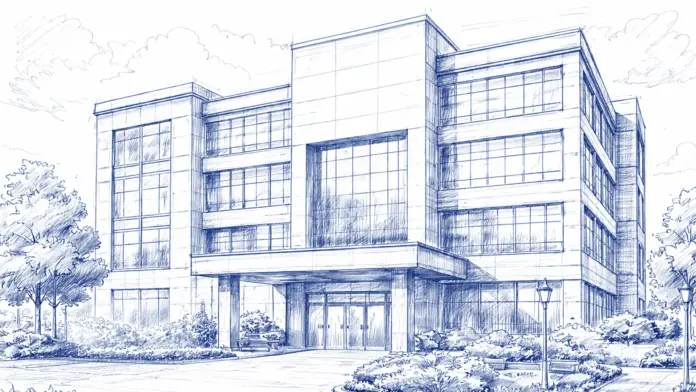
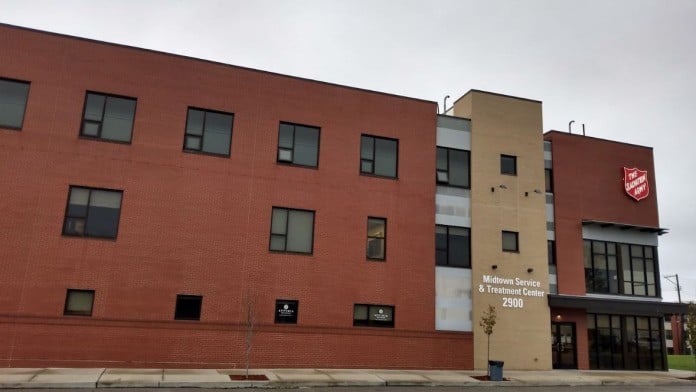
Health Recovery Center located in Minneapolis, Minnesota provides treatment to men and women struggling with addiction and mental health disorders. At HRC, the goal is to hone in on the physical causes of addiction and understand how it affects an individual to integrate a treatment plan accordingly. While the treatment program has its challenges, clients have praised the program for its effectiveness, and have found the staff to be friendly and knowledgeable.
Supporting You through the Detoxification Process
Health Recovery Center offers a number of outpatient programs to young adults, adults, and DUI/DWI clients. If you’re for a detox program, there are programs for substances like alcohol, cocaine, and opioids. Medication assisted treatment (MAT) is available to help you through the process of detoxification to ensure your safety and recovery.
Activities to Explore in the Heart of Minneapolis
Minneapolis has a lot to explore outside of treatment that can provide relaxation and sites to appreciate art. The Riverview Theater is a vintage movie theater that’s affordable, and is known for an atmosphere that feels like stepping back into the past. The Minneapolis Institute of Art is one of the largest museums with many different exhibits when you can spend time appreciating art and culture.
Supportive Therapy Programs
Health Recovery Center uses evidence based therapy programs to make sure you are receiving quality care. It is important that you are receiving care that best suits you and your preferences. Cognitive behavioral therapy (CBT) is a staple treatment option, and other options include motivational interviewing, anger management, and relapse prevention.
Latest Reviews
Rehab Score
Accepted Insurance
Other Forms of Payment
Private insurance refers to any kind of healthcare coverage that isn't from the state or federal government. This includes individual and family plans offered by an employer or purchased from the Insurance Marketplace. Every plan will have different requirements and out of pocket costs so be sure to get the full details before you start treatment.
Self-pay involves paying for treatment out of your own pocket. You can use savings or credit, get a personal loan, or receive help from family and friends to fund your treatment. If you don't have insurance or your insurance plan doesn't cover a specific program, self-pay can help ensure you still get the care you need.
Private insurance refers to any kind of healthcare coverage that isn't from the state or federal government. This includes individual and family plans offered by an employer or purchased from the Insurance Marketplace. Every plan will have different requirements and out of pocket costs so be sure to get the full details before you start treatment.
Addiction Treatments
Levels of Care
Outpatient Programs (OP) are for those seeking mental rehab or drug rehab, but who also stay at home every night. The main difference between outpatient treatment (OP) and intensive outpatient treatment (IOP) lies in the amount of hours the patient spends at the facility. Most of the time an outpatient program is designed for someone who has completed an inpatient stay and is looking to continue their growth in recovery. Outpatient is not meant to be the starting point, it is commonly referred to as aftercare.
Drug and alcohol addiction often takes a heavy toll on one's body. Over time, a physical dependence can develop, meaning the body physiologically needs the substance to function. Detox is the process of removing drugs and/or alcohol from the body, a process that can be lethal if mismanaged. Medical detox is done by licensed medical professionals who monitor vital signs and keep you safe, healthy, and as comfortable as possible as you go through detox and withdrawal.
Intensive Outpatient Programs (IOP) are for those who want or need a very structured treatment program but who also wish to live at home and continue with certain responsibilities (such as work or school). IOP substance abuse treatment programs vary in duration and intensity, and certain outpatient rehab centers will offer individualized treatment programs.
Sober Living Houses (SLHs), aka sober homes or halfway houses, are safe, substance-free, supportive living facilities for those recovering from substance abuse. Ideal for those who've just been through inpatient or outpatient treatment, SLHs are supervised environments with rules that support sobriety, such as curfews, shared chores, and therapeutic meetings. Residents are also often trained on life skills and coping skills to make it easier to transition into society. SLHs also provide a strong sense of community that can lead to the kind of deep and lasting connections with other sober individuals that supports a new, healthy lifestyle.
A partial hospitalization program (PHP) can provide supportive and structured care to those who don't require 24/7 supervision. It can be used as a "step-down" option after you're released from the hospital or a residential program. PHP treatment integrates evidence-based therapies, such as cognitive-behavioral therapy (CBT), and dialectical behavior therapy (DBT). The duration of a partial hospital program is tailored to meet your specific needs and goals but averages 90 days.
Treatments
The goal of treatment for alcoholism is abstinence. Those with poor social support, poor motivation, or psychiatric disorders tend to relapse within a few years of treatment. For these people, success is measured by longer periods of abstinence, reduced use of alcohol, better health, and improved social functioning. Recovery and Maintenance are usually based on 12 step programs and AA meetings.
Drug addiction is defined as an inability to stop using drugs even though it causes negative consequences in your life. Drug rehab in Minnesota provides treatment for drug addiction in a variety of settings including inpatient treatment and outpatient treatment.
Opioid rehabs specialize in supporting those recovering from opioid addiction. They treat those suffering from addiction to illegal opioids like heroin, as well as prescription drugs like oxycodone. These centers typically combine both physical as well as mental and emotional support to help stop addiction. Physical support often includes medical detox and subsequent medical support (including medication), and mental support includes in-depth therapy to address the underlying causes of addiction.

Substance rehabs focus on helping individuals recover from substance abuse, including alcohol and drug addiction (both illegal and prescription drugs). They often include the opportunity to engage in both individual as well as group therapy.

Programs
Adult rehab programs include therapies tailored to each client's specific needs, goals, and recovery progress. They are tailored to the specific challenges adult clients may face, including family and work pressures and commitments. From inpatient and residential treatment to various levels of outpatient services, there are many options available. Some facilities also help adults work through co-occurring conditions, like anxiety, that can accompany addiction.
Clinical Services
Group therapy is any therapeutic work that happens in a group (not one-on-one). There are a number of different group therapy modalities, including support groups, experiential therapy, psycho-education, and more. Group therapy involves treatment as well as processing interaction between group members.
Therapists often use cognitive behavioral therapy in Minnesota to treat substance use disorders because it can help clients quickly identify challenges and ways to cope with them. Its structured, specific methods require fewer sessions than other types of therapy.
When conducting motivational interviewing in Minnesota, the interviewer encourages clients to discuss their reasons for making changes and their need for change in their lives. The interviewer's role is to listen and reflect, to evoke conversation about commitment to change.
Families in Minnesota use family therapy to understand the roles they play in addiction. Each member plays a role and contributes to a pattern of behavior. Families learn to interact in healthier ways that support each other and contribute to their loved one's journey to recovery.
Qualified therapists in Minnesota offer individual therapy to men and women so they can receive customized care tailored to their needs. Your therapist works to understand your unique circumstances and provide you with targeted interventions and coping skills essential for long term recovery.
Trauma therapy helps you understand and manage your mental, emotional, and physical responses to trauma. Using therapeutic interventions, you learn to reframe the experience, which in turn reduces your anxiety and helps you regain control over your life.
Accreditations
State Licenses are permits issued by government agencies that allow rehab organizations to conduct business legally within a certain geographical area. Typically, the kind of program a rehab facility offers, along with its physical location, determines which licenses are required to operate legally.
State License: Minnesota
Contact Information
3255 Hennepin Avenue South
Minneapolis, MN 55408