





























































































About Live Free Structured Sober Living
Partial hospitalization is provided to those who do not need 24 hour monitoring and medication support. You are required to attend several therapeutic services, for several hours, 3-5 days per week. Their outpatient treatment offers recreational therapy, individual and group therapy and substance abuse education. Their sober living programs offer an all-male home and an all-female home. They provide individual counseling twice a week and 2-3 in house groups per week. You are also able to take advantage of hiking, camping, snowboarding, skiing and house dinners. Regardless of which treatment is right for you, a minimum of three months is required.
Facility Overview
 21
21  15 - 30
 Latest Reviews



Rehab Score
 Our Methodology


Gallery
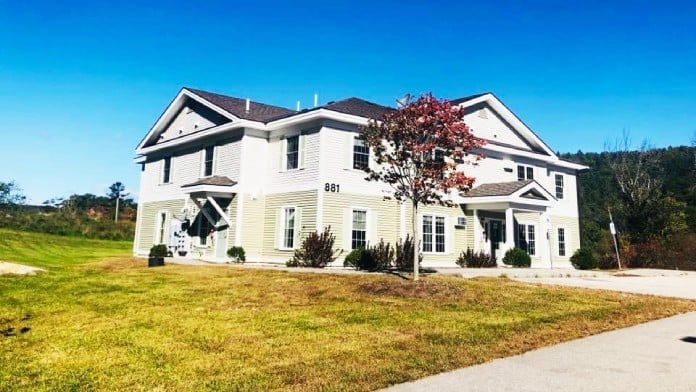
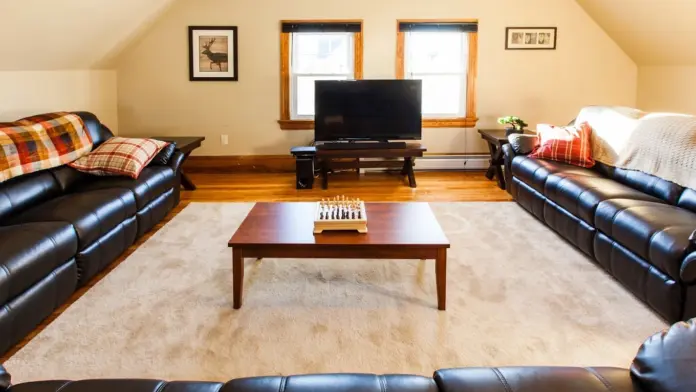
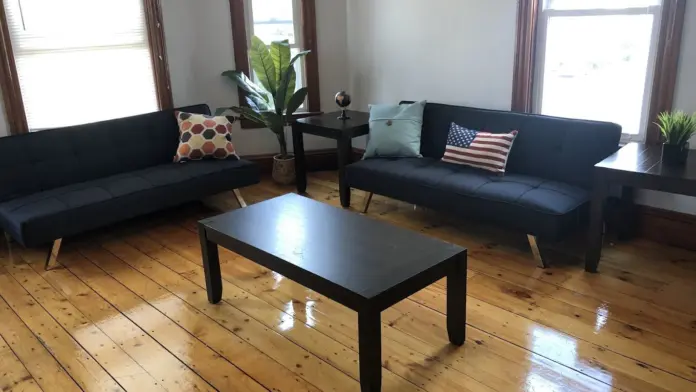
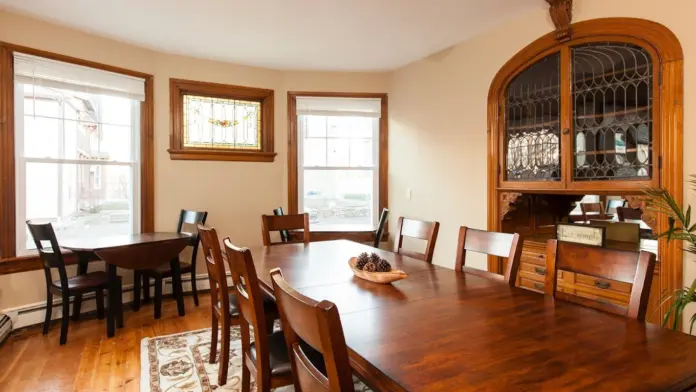
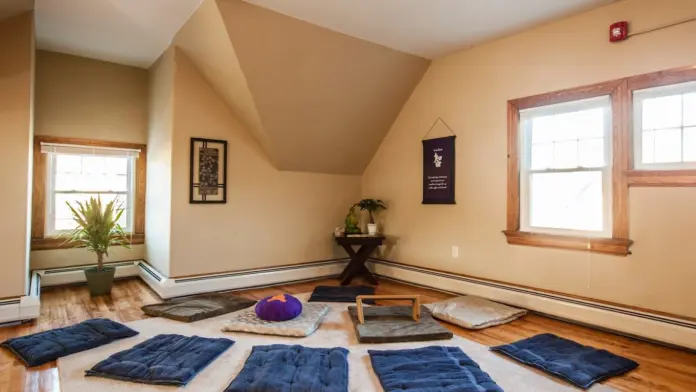
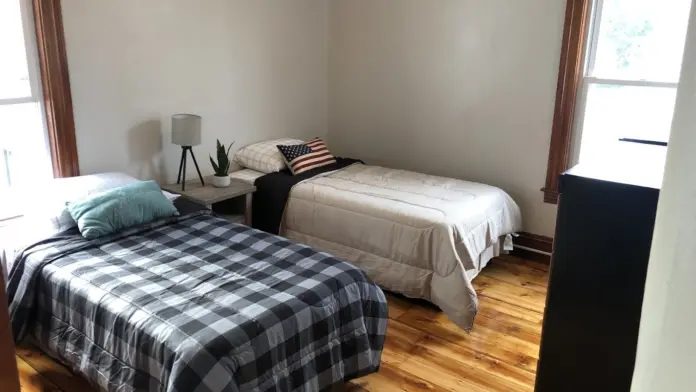
Other Forms of Payment
Private insurance refers to any kind of healthcare coverage that isn't from the state or federal government. This includes individual and family plans offered by an employer or purchased from the Insurance Marketplace. Every plan will have different requirements and out of pocket costs so be sure to get the full details before you start treatment.
Self-pay involves paying for treatment out of your own pocket. You can use savings or credit, get a personal loan, or receive help from family and friends to fund your treatment. If you don't have insurance or your insurance plan doesn't cover a specific program, self-pay can help ensure you still get the care you need.
Military members, veterans, and eligible dependents have access to specific insurance programs that help them get the care they need. TRICARE and VA insurance can help you access low cost or no cost addiction and mental health treatment. Programs that accept military insurance often have targeted treatment focused on the unique challenges military members, veterans, and their families face.
Medicaid is a state based program that helps lower-income individuals and families pay for healthcare. Medicaid covers addiction treatment so those enrolled can use their coverage to pay for rehab. When a program accepts Medicaid the client often pays very little or nothing out of their own pocket.
Addiction Treatments
Levels of Care
Outpatient Programs (OP) are for those seeking mental rehab or drug rehab, but who also stay at home every night. The main difference between outpatient treatment (OP) and intensive outpatient treatment (IOP) lies in the amount of hours the patient spends at the facility. Most of the time an outpatient program is designed for someone who has completed an inpatient stay and is looking to continue their growth in recovery. Outpatient is not meant to be the starting point, it is commonly referred to as aftercare.
Residential treatment programs are those that offer housing and meals in addition to substance abuse treatment. Rehab facilities that offer residential treatment allow patients to focus solely on recovery, in an environment totally separate from their lives. Some rehab centers specialize in short-term residential treatment (a few days to a week or two), while others solely provide treatment on a long-term basis (several weeks to months). Some offer both, and tailor treatment to the patient's individual requirements.
Intensive outpatient programs (IOP) offer high-level transitional support for clients exiting inpatient rehab. They can also be effective for clients at significant relapse risk Intensive outpatient treatment typically involves between nine and 20 hours of care per week, with the frequency and intensity of treatment decreasing as clients progress in their recovery. Most IOP clients participate in a combination of psychotherapy, recovery education, holistic therapies, and, for some, medication assisted treatment (MAT).
Residents of a sober living home in New Hampshire commit to abstaining from drug and alcohol use and to abiding by the house rules. This communal living environment, also called a halfway house, provides a supportive community where people in recovery can start a new life free from substances. Typical house rules include individual room maintenance, shared meal times, curfews, and 12-step meeting attendance.
If you need short-term intensive rehabilitation care that allows you to return home at the end of the day, a partial hospitalization program (PHP) is the ideal solution. PHP provides structured programming that typically includes therapeutic services, relapse prevention, and medication management. Typically, treatment can run between 3-5 days a week for an average of 90 days. The cost for a partial hospitalization program can vary, but is often covered by providers.
The aim of a medically supervised detox is to minimize withdrawal symptoms while removing alcohol and drugs from your system under 24/7 medical supervision and keep you as safe and as comfortable as possible. Medical detox is usually the first step in the recovery process as a whole, and it can take about 5-7 days to complete. This process is usually at least partially covered by most insurance plans.
Programs
Adult rehab programs include therapies tailored to each client's specific needs, goals, and recovery progress. They are tailored to the specific challenges adult clients may face, including family and work pressures and commitments. From inpatient and residential treatment to various levels of outpatient services, there are many options available. Some facilities also help adults work through co-occurring conditions, like anxiety, that can accompany addiction.
Young adulthood can be an exciting, yet difficult, time of transition. Individuals in their late teens to mid-20s face unique stressors related to school, jobs, families, and social circles, which can lead to a rise in substance use. Rehab centers with dedicated young adult programs will include activities and amenities that cater to this age group, with an emphasis on specialized counseling, peer socialization, and ongoing aftercare.
Clinical Services
Cognitive behavioral therapy in New Hampshire involves several steps to healing. The therapist will first help you identify stressful conditions currently in your life. You'll then identify your thoughts and beliefs about these challenges. Next, you'll identify inaccurate thoughts, and lastly you'll change those thought patterns, which will lead to changed behavior.
Dialectical behavior therapy is a form of talk therapy. While it's similar to cognitive behavioral therapy, it adds a focus on intense emotions. Its goal is to help you learn to manage difficult feelings and make positive changes.
People experience long term benefits from group therapy sessions that build a strong support network and create lasting connections that you can use throughout your recovery efforts. Building relationships within a group therapy environment helps enhance your social skills and reduce your stress levels, all contributing to promoting sobriety.
Individual therapy is available to people in New Hampshire seeking drug and alcohol addiction treatment. This offers a personalized approach to understanding your background and triggers. During therapy, you and your therapist collaborate to develop effective coping strategies that ensure you receive a comprehensive approach to foster lasting change.
The focus of family therapy in New Hampshire is to strengthen the family unit by fostering mutual support among the members. Each member learns effective communication strategies that help to create a nurturing environment. This strength and family bonds and supports your loved one's path to recovery.
Staff
Ryan Gagne
CEO
Rehab.com regularly reviews this listing for accuracy but changes may occur between updates. For the most up-to-date information, please contact Live Free Structured Sober Living.
Contact Information


70 Kelley St
Manchester, NH 03102
Sponsored Helpline



