











Symetria — Hurst Outpatient Rehab & Suboxone Clinic
1
Top 10 Rehab Centers In Hurst



















































































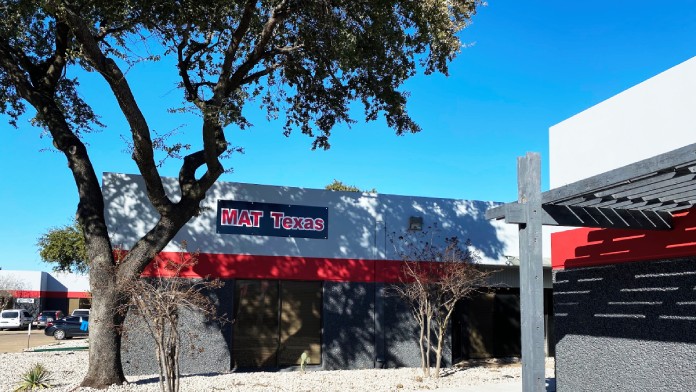
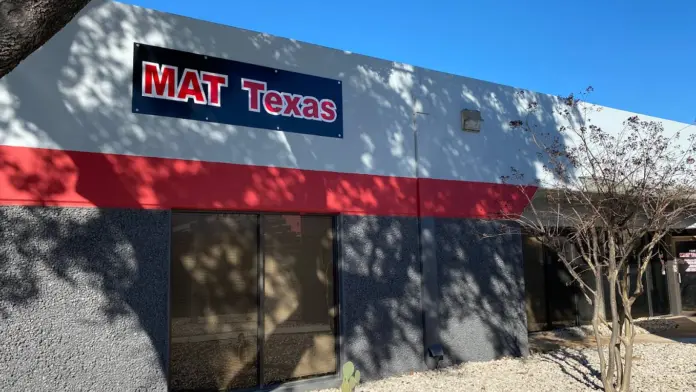
MAT Texas Opioid Treatment Center in Grand Prairie, Texas is a provider of medication support and other outpatient services to support you in your recovery from substance use disorder.
What we like most about this facility, besides their robust services, is their metropolitan location. Nearby attractions include the Epic Waters Indoor Waterpark and Grand Prairie Premium Outlets with shopping and dining options. The Mike Lewis Park is another great option with beautiful walking trails to just explore and reflect on your recovery progress.
You can pay using Medicare, Medicaid, and state financed plans other than Medicaid. They also work with various private health insurance providers. They work with SAMHSA funding and block grants too. Their admissions team will help you get all of your payment details figured out.
Former patients have praised the clinic for its supportive staff and effective treatment programs. One patient indicated the clinic as one of the most hassle-free methadone clinics they’ve attended.
Another mentioned that the staff truly do care about them, their recovery, and their mental health. We are impressed that multiple patients acknowledge both the ease of treatment and the compassion of the staff.
Their medication assisted treatment (MAT) can be a game changer for your recovery because it involves an intuitive combination of both mental health counseling and safe medications to help you comfortably withdraw from substances.
Methadone, buprenorphine (Suboxone), and naltrexone are used for opioid addiction treatment. You’ll be closely monitored to ensure you’re progressing through the treatment appropriately. Your treatment plan will be individualized to your unique strengths, needs, and goals to ensure lasting healing for life.

 Our Methodology


Private insurance refers to any kind of healthcare coverage that isn't from the state or federal government. This includes individual and family plans offered by an employer or purchased from the Insurance Marketplace. Every plan will have different requirements and out of pocket costs so be sure to get the full details before you start treatment.
Self-pay involves paying for treatment out of your own pocket. You can use savings or credit, get a personal loan, or receive help from family and friends to fund your treatment. If you don't have insurance or your insurance plan doesn't cover a specific program, self-pay can help ensure you still get the care you need.
Outpatient Programs (OP) are for those seeking mental rehab or drug rehab, but who also stay at home every night. The main difference between outpatient treatment (OP) and intensive outpatient treatment (IOP) lies in the amount of hours the patient spends at the facility. Most of the time an outpatient program is designed for someone who has completed an inpatient stay and is looking to continue their growth in recovery. Outpatient is not meant to be the starting point, it is commonly referred to as aftercare.
Inpatient rehab programs are geared toward clients in early recovery. They also provide intensive support for clients in crisis and those at an increased relapse risk. Clients receive housing and meals while in inpatient care, allowing them to focus solely on their recovery. Most programs prioritize addiction counseling but may draw on various psychotherapeutic modalities, including CBT, DBT, RBT, trauma therapy, and motivational interviewing. Life skills training and holistic therapies are also common in inpatient care.
Intensive outpatient programs offer high-level care for clients as an increased risk of relapse, including those in early recovery, those with a strong history of relapse, and those experiencing a crisis. Intensive outpatient treatment typically requires clients to engage in nine to 20 hours of care weekly, with treatment modalities that combine psychotherapy and recovery education, and holistic therapies, such as acupuncture and animal therapy. Medication assisted treatment (MAT) is also common in alcohol and/or opioid recovery.
Rehab aftercare programs are based on a model of continuing care and the premise that recovery is a life-long process requiring ongoing client support. Many rehab aftercare services include outpatient care, but clients often continue to receive support after being discharged from formal treatment. Case managers and care teams typically collaborate with clients to design their long-term care plan, which may include peer coaching, career counseling, and 12 step program induction, among other services.
12 step programs promote participants' sustained sobriety through rigorous and ongoing peer coaching and personal spiritual growth. Participants routinely attend 12 step meetings, which are available multiple times per day, 365 days per year in most communities. This ensures that those in recovery have prompt access to the structure and support they need when they need it. These programs use spiritual precepts to address the root causes of addiction and encourage compassion, self-awareness, forgiveness, accountability, and acceptance.
Residents of a sober living home in Texas reside at the halfway house with others who have agreed to abstain from substances and practice sober-living skills. The relationships and accountability formed here can help individuals strengthen their mental health and achieve long-term recovery. Residents share common spaces such as kitchens and back yards, share meals together, and share household responsibilities such as cooking and cleaning.
A drug intervention in Texas may be necessary if your loved one is in denial about a substance use disorder. You can partner with intervention services to plan and execute an effective intervention that educates your loved one about addiction and encourages them to get the treatment they need. Many rehab centers offer intervention specialists who can facilitate the intervention and help with a seamless transition to inpatient rehab for treatment.
Drug and alcohol addiction often takes a heavy toll on one’s body. Over time, a physical dependence can develop, meaning the body physiologically needs the substance to function. Detox is the process of removing drugs and/or alcohol from the body, a process that can be lethal if mismanaged. Medical detox is done by licensed medical professionals who monitor vital signs and keep you safe, healthy, and as comfortable as possible as you go through detox and withdrawal. Linden Oak's Addiction Services unit is a separate area within Linden Oaks Hospital that offers treatment for those undergoing withdrawal as they stop the cycle of addiction. Patients are detoxified under the care of a psychiatrist, and their staff has specialized training to provide the medication, monitoring and support needed during the withdrawal process.
Adult rehab programs include therapies tailored to each client's specific needs, goals, and recovery progress. They are tailored to the specific challenges adult clients may face, including family and work pressures and commitments. From inpatient and residential treatment to various levels of outpatient services, there are many options available. Some facilities also help adults work through co-occurring conditions, like anxiety, that can accompany addiction.
Peer support is an important aspect of group therapy sessions for drug and alcohol addiction. As you and your peers share stories and encourage each other, it fosters a sense of community and belonging that helps you process your feelings and reduces the sense of isolation that is associated with addiction.
Individual therapy offers you a confidential space to address the complexities of your drug or alcohol addiction. Your therapist guides these personalized sessions to help develop self awareness and manage stress. This promotes sustained sobriety and overall well being.
Couples therapy helps couples learn to control emotions, trust each other, and communicate more effectively. It can be useful for short term intervention for a specific issue or for working on the relationship long term.
The purpose of family therapy is to create a supportive and understanding family dynamic within the family unit. Therapists help individual members to identify and change harmful behavior patterns and improve communication. This provides a stable foundation for the family and their loved one's recovery.
 Residential Setting
  Private Rooms
The Joint Commission, formerly known as JCAHO, is a nonprofit organization that accredits rehab organizations and programs. Founded in 1951, the Joint Commision's mission is to improve the quality of patient care and demonstrating the quality of patient care.
Joint Commission Accreditation: Yes
Rehab.com regularly reviews this listing for accuracy but changes may occur between updates. For the most up-to-date information, please contact MAT Texas – Opioid Treatment Center.

2100 N Hwy 360
Grand Prairie, TX 75050
Sponsored Helpline


Everyone gets a turn.


 Back
Back
Sharing your insights and experiences can help others learn more about this rehab center.

 Written By: Elizabeth Austen


