





























































































About New Season Treatment Center – Franklin
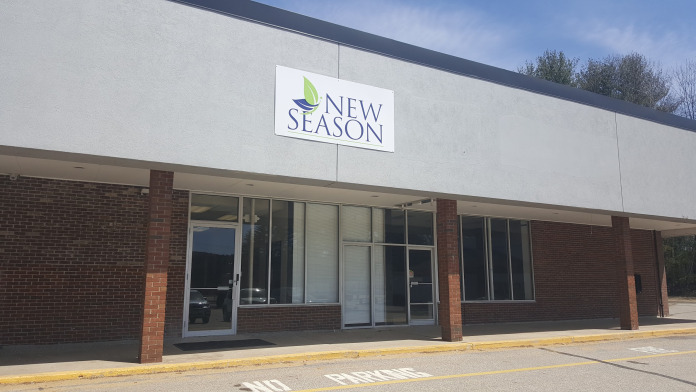
New Season Treatment Center is a compassionate outpatient facility in Franklin, New Hampshire, that’s dedicated to helping adults and young adults overcome opioid addiction. They serve Franklin and nearby areas like Laconia, Tilton and Boscawen. The center is accredited by CARF and SAMHSA.
They emphasize dignity, confidentiality and affordability with all services covered under one fee. Medicaid, Medicare and private insurance are accepted. Self pay is available and the staff can help with insurance verification.
Help With Withdrawing
You will receive personalized and evidence based care through medication assisted treatment (MAT). They use FDA approved methadone, buprenorphine and Suboxone to help manage your withdrawal symptoms and reduce your cravings for opioids.
They’re open seven days a week and holidays. Their approach allows you to stabilize physically while continuing work and your family responsibilities.
Structured Treatment
Their comprehensive services include individual, group and family counseling. They employ techniques like cognitive behavioral therapy and motivational interviewing to address the psychological roots of addiction and build coping skills.
Structured support will be provided for those who need more than standard outpatient care through the center’s intensive outpatient program (IOP). They also provide harm reduction services like Narcan distribution.
Caring Team and Take Home Privileges
What stood out to me is that they offer medical exams. Telehealth for flexible scheduling and referrals to community resources like housing and employment support are also offered. If you meet a specific criteria, you will be able to earn take home medication privileges that enhances convenience.
Patients praise the caring team for their empathy and efficiency. They also noted a quick intake process and a supportive environment.
Latest Reviews



Rehab Score
 Our Methodology


Gallery
Accepted Insurance
Other Forms of Payment
Private insurance refers to any kind of healthcare coverage that isn't from the state or federal government. This includes individual and family plans offered by an employer or purchased from the Insurance Marketplace. Every plan will have different requirements and out of pocket costs so be sure to get the full details before you start treatment.
Self-pay involves paying for treatment out of your own pocket. You can use savings or credit, get a personal loan, or receive help from family and friends to fund your treatment. If you don't have insurance or your insurance plan doesn't cover a specific program, self-pay can help ensure you still get the care you need.
Medicare is a federal program that provides health insurance for those 65 and older. It also serves people under 65 with chronic and disabling health challenges. To use Medicare for addiction treatment you need to find a program that accepts Medicare and is in network with your plan. Out of pocket costs and preauthorization requirements vary, so always check with your provider.
Medicaid is a state based program that helps lower-income individuals and families pay for healthcare. Medicaid covers addiction treatment so those enrolled can use their coverage to pay for rehab. When a program accepts Medicaid the client often pays very little or nothing out of their own pocket.
Addiction Treatments
Levels of Care
Outpatient Programs (OP) are for those seeking mental rehab or drug rehab, but who also stay at home every night. The main difference between outpatient treatment (OP) and intensive outpatient treatment (IOP) lies in the amount of hours the patient spends at the facility. Most of the time an outpatient program is designed for someone who has completed an inpatient stay and is looking to continue their growth in recovery. Outpatient is not meant to be the starting point, it is commonly referred to as aftercare.
Intensive outpatient programs (IOP) offer high-level transitional support for clients exiting inpatient rehab. They can also be effective for clients at significant relapse risk Intensive outpatient treatment typically involves between nine and 20 hours of care per week, with the frequency and intensity of treatment decreasing as clients progress in their recovery. Most IOP clients participate in a combination of psychotherapy, recovery education, holistic therapies, and, for some, medication assisted treatment (MAT).
Residents of a sober living home in New Hampshire commit to abstaining from drug and alcohol use and to abiding by the house rules. This communal living environment, also called a halfway house, provides a supportive community where people in recovery can start a new life free from substances. Typical house rules include individual room maintenance, shared meal times, curfews, and 12-step meeting attendance.
Drug and alcohol addiction often takes a heavy toll on one's body. Over time, a physical dependence can develop, meaning the body physiologically needs the substance to function. Detox is the process of removing drugs and/or alcohol from the body, a process that can be lethal if mismanaged. Medical detox is done by licensed medical professionals who monitor vital signs and keep you safe, healthy, and as comfortable as possible as you go through detox and withdrawal. The length of stay at the detoxification program is determined according to the specific needs of the patient.
Treatments
Opioid rehabs specialize in supporting those recovering from opioid addiction. They treat those suffering from addiction to illegal opioids like heroin, as well as prescription drugs like oxycodone. These centers typically combine both physical as well as mental and emotional support to help stop addiction. Physical support often includes medical detox and subsequent medical support (including medication), and mental support includes in-depth therapy to address the underlying causes of addiction.
Substance rehabs focus on helping individuals recover from substance abuse, including alcohol and drug addiction (both illegal and prescription drugs). They often include the opportunity to engage in both individual as well as group therapy.
Programs
Adult rehab programs include therapies tailored to each client's specific needs, goals, and recovery progress. They are tailored to the specific challenges adult clients may face, including family and work pressures and commitments. From inpatient and residential treatment to various levels of outpatient services, there are many options available. Some facilities also help adults work through co-occurring conditions, like anxiety, that can accompany addiction.
Young adulthood can be an exciting, yet difficult, time of transition. Individuals in their late teens to mid-20s face unique stressors related to school, jobs, families, and social circles, which can lead to a rise in substance use. Rehab centers with dedicated young adult programs will include activities and amenities that cater to this age group, with an emphasis on specialized counseling, peer socialization, and ongoing aftercare.
Clinical Services
Group therapy is any therapeutic work that happens in a group (not one-on-one). There are a number of different group therapy modalities, including support groups, experiential therapy, psycho-education, and more. Group therapy involves treatment as well as processing interaction between group members.
In individual therapy, a patient meets one-on-one with a trained psychologist or counselor. Therapy is a pivotal part of effective substance abuse treatment, as it often covers root causes of addiction, including challenges faced by the patient in their social, family, and work/school life.
Research clearly demonstrates that recovery is far more successful and sustainable when loved ones like family members participate in rehab and substance abuse treatment. Genetic factors may be at play when it comes to drug and alcohol addiction, as well as mental health issues. Family dynamics often play a critical role in addiction triggers, and if properly educated, family members can be a strong source of support when it comes to rehabilitation.
Amenities
-
 Residential Setting
 -
 Private Rooms
Accreditations

The Substance Abuse and Mental Health Services Administration (SAMHSA) is a branch of the U.S. Department of Health and Human Services. Established in 1992 by congress, SAMHSA's mission is to reduce the impact of substance abuse and mental illness on American's communities.
SAMHSA Listed: Yes

The Commission on Accreditation of Rehabilitation Facilities (CARF) is a non-profit organization that specifically accredits rehab organizations. Founded in 1966, CARF's, mission is to help service providers like rehab facilities maintain high standards of care.
CARF Accreditation: Yes
Rehab.com regularly reviews this listing for accuracy but changes may occur between updates. For the most up-to-date information, please contact New Season Treatment Center – Franklin.
Contact Information


880 Central St
Suite 10
Franklin, NH 03235
Sponsored Helpline



