





























































































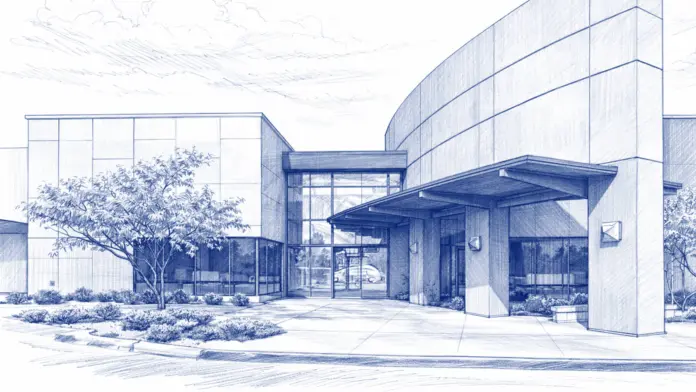


The patients of this place seem to be miserable but it was because they were not taken care of properly, they drug them so much so that they remain asleep all the time, that is not recovery it is torture, they will not be the same people after they leave this place. Have car ...
About Oceans Behavioral Hospital Greater New Orleans: Kenner Campus
Located in Kenner, Louisiana, Oceans Behavioral Hospital provides mental health and substance use disorder treatment for those aged 18 and over. Accepting Medicare, Medicaid, TRICARE, and most private insurances, they operate specialized programs for military and geriatric patients. Referrals are accepted 24/7.
Inpatient Geriatric Treatment
Recognizing that different age groups require their own specialized approaches, the inpatient geriatric program is for patients 55 and older. It focuses on the underlying factors to substance use, set in a home like atmosphere with 24 hour medical oversight.
In addition to individual and group therapies, they offer medication management, medical monitoring for withdrawal, and discharge planning with aftercare coordination. They also teach mindfulness practices and relaxation techniques and they offer recreational therapy.
IOP With Oceans Six Core Values
The adult intensive outpatient program (IOP) consists of two hour meetings two to three times a week. It usually lasts 8 to 12 weeks. Outpatient programs allow you to receive treatment without disrupting your life. All treatment programs are carried out according to the Oceans Six convictions which are dignity, comprehensive care, quality, integrity, advocacy and teamwork.
STAR Program for Service Members
For active military service members, veterans, and their families, there’s the STAR program. Following guidelines provided by the Department of Defense and Veterans Affairs, they use modalities such as cognitive behavioral therapy, dialectical behavioral therapy, and acceptance and commitment therapy.
The 12 step program is combined with experiential and exposure therapies. A military provider referral is required to enter this program.
Latest Reviews
I want to thank everyone at Oceans Hospital for listening to my concerns and taking the time to address them. It meant a lot to know that my family’s concerns were heard and taken seriously.
A very special thank you to Ms. Monique for her kindness, compassion, and professionalism. She made both my grandfather and me feel 100% better and much more comfortable during a stressful time. Her willingness to listen and help truly made a difference.
Thank you all for your hard work and dedication to your patients and their families.
Dr West showed up before I needed him… West gets a five Star.
Kim, Dionne, Monique, Michelle, Yvonne and Yasmin go above and beyond. My elder loved one has had issues with being suicidal and violent. The staff handled it with grace and understanding. When my loved one was threatening staff they used gentle redirection and accountability. Doctors try to manage meds as best as possible but it's so hard on a 14day PEC.
Only criticism is that MDs couldn't give her more time for med adjustments and stability of mood. I know a lot of people have elder family members who go through mental health challenges but in this area? Have gone through a few with my loved one.
Perimeter is okay too, very caring people but the physicians at Perimeter did not do as much as the physicians at Oceans have done! Out of several hospitals and mental health facilities the physicians at Oceans have been the only ones willing to treat her mental challenges by observing and watching. Making changes through medication management and obverving again.
Beacon team in Metarie are amazing (ask for Katherine). But AVOID BEACON IN LACOMBE!!! They will put your loved one in an unsafe discharge situation. Avoid social worker Shaun.
Oceans? They would never do that. It's not 5 star, but take it from someone who definitely understands family/ patient challenges-- Have faith in Oceans. They will surprise you.

Rehab Score
 Our Methodology
Scoring is assigned by a proprietary system which helps surface key metrics that determine quality. The 10-point scale factors in categories such as operations, customer satisfaction, and trust metrics. Read Full Methodology

5.1 / 10
Location
Other Forms of Payment
Private insurance refers to any kind of healthcare coverage that isn't from the state or federal government. This includes individual and family plans offered by an employer or purchased from the Insurance Marketplace. Every plan will have different requirements and out of pocket costs so be sure to get the full details before you start treatment.
Self-pay involves paying for treatment out of your own pocket. You can use savings or credit, get a personal loan, or receive help from family and friends to fund your treatment. If you don't have insurance or your insurance plan doesn't cover a specific program, self-pay can help ensure you still get the care you need.
Financial aid can take many forms. Centers may have grants or scholarships available to clients who meet eligibility requirements. Programs that receive SAMHSA grants may have financial aid available for those who need treatment as well. Grants and scholarships can help you pai for treatment without having to repay.
Medicare is a federal program that provides health insurance for those 65 and older. It also serves people under 65 with chronic and disabling health challenges. To use Medicare for addiction treatment you need to find a program that accepts Medicare and is in network with your plan. Out of pocket costs and preauthorization requirements vary, so always check with your provider.
Military members, veterans, and eligible dependents have access to specific insurance programs that help them get the care they need. TRICARE and VA insurance can help you access low cost or no cost addiction and mental health treatment. Programs that accept military insurance often have targeted treatment focused on the unique challenges military members, veterans, and their families face.
Addiction Treatments
Levels of Care
Outpatient Programs (OP) are for those seeking mental rehab or drug rehab, but who also stay at home every night. The main difference between outpatient treatment (OP) and intensive outpatient treatment (IOP) lies in the amount of hours the patient spends at the facility. Most of the time an outpatient program is designed for someone who has completed an inpatient stay and is looking to continue their growth in recovery. Outpatient is not meant to be the starting point, it is commonly referred to as aftercare.
Residential treatment programs are those that offer housing and meals in addition to substance abuse treatment. Rehab facilities that offer residential treatment allow patients to focus solely on recovery, in an environment totally separate from their lives. Some rehab centers specialize in short-term residential treatment (a few days to a week or two), while others solely provide treatment on a long-term basis (several weeks to months). Some offer both, and tailor treatment to the patient's individual requirements.
Clients enrolled in rehab aftercare programs have completed high-level treatment and are typically in the maintenance phase of their recovery, receiving customized services designed to support their sustained sobriety. Case managers and care teams typically begin to plan for the client's rehab aftercare services early in the treatment process to ensure the client's fluid reentry into their home, workplace, and community. These programs evolve as clients' needs change, and frequently include peer coaching, relapse prevention, and career counseling.
Collaboration between a professional treatment team and the family of an addicted loved one is an essential benefit of intervention services in Louisiana. Working together, they can develop the best strategies for a drug intervention. These experienced professionals know what protocols are most effective for interventions and provide expert insight that can improve the outcome of the intervention. An intervention specialist acts as a mediator during the intervention and a guide for next steps based on the outcome of the effort.
Treatments
Mental health rehabs focus on helping individuals recover from mental illnesses like bipolar disorder, clinical depression, anxiety disorders, schizophrenia, and more. Mental health professionals at these facilities are trained to understand and treat mental health issues, both in individual and group settings.
Programs
Adult rehab programs include therapies tailored to each client's specific needs, goals, and recovery progress. They are tailored to the specific challenges adult clients may face, including family and work pressures and commitments. From inpatient and residential treatment to various levels of outpatient services, there are many options available. Some facilities also help adults work through co-occurring conditions, like anxiety, that can accompany addiction.
Young adulthood can be an exciting, yet difficult, time of transition. Individuals in their late teens to mid-20s face unique stressors related to school, jobs, families, and social circles, which can lead to a rise in substance use. Rehab centers with dedicated young adult programs will include activities and amenities that cater to this age group, with an emphasis on specialized counseling, peer socialization, and ongoing aftercare.
Clinical Services
Cognitive Behavioral Therapy (CBT) is a therapy modality that focuses on the relationship between one's thoughts, feelings, and behaviors. It is used to establish and allow for healthy responses to thoughts and feelings (instead of unhealthy responses, like using drugs or alcohol). CBT has been proven effective for recovering addicts of all kinds, and is used to strengthen a patient's own self-awareness and ability to self-regulate. CBT allows individuals to monitor their own emotional state, become more adept at communicating with others, and manage stress without needing to engage in substance abuse.
Group therapy is any therapeutic work that happens in a group (not one-on-one). There are a number of different group therapy modalities, including support groups, experiential therapy, psycho-education, and more. Group therapy involves treatment as well as processing interaction between group members.
In individual therapy, a patient meets one-on-one with a trained psychologist or counselor. Therapy is a pivotal part of effective substance abuse treatment, as it often covers root causes of addiction, including challenges faced by the patient in their social, family, and work/school life.
In Louisiana, trauma therapy helps you explore the impact that a traumatic event has had on your life. You can experience emotional and physical responses if you witness or experience a traumatic event. Your therapist guides you in processing the trauma and then developing coping strategies that improve your quality of life.
Whether a marriage or other committed relationship, an intimate partnership is one of the most important aspects of a person's life. Drug and alcohol addiction affects both members of a couple in deep and meaningful ways, as does rehab and recovery. Couples therapy and other couples-focused treatment programs are significant parts of exploring triggers of addiction, as well as learning how to build healthy patterns to support ongoing sobriety.
Research clearly demonstrates that recovery is far more successful and sustainable when loved ones like family members participate in rehab and substance abuse treatment. Genetic factors may be at play when it comes to drug and alcohol addiction, as well as mental health issues. Family dynamics often play a critical role in addiction triggers, and if properly educated, family members can be a strong source of support when it comes to rehabilitation.
An integral part of addiction rehab in Louisiana is life skills training. This training equips you for the daily tasks you'll need to successfully navigate post treatment. Training may include employment coaching, stress management techniques, financial budgeting, and interpersonal skill development.
Experiential therapy is a form of therapy in which clients are encouraged to surface and work through subconscious issues by engaging in real-time experiences. Experiential therapy departs from traditional talk therapy by involving the body, and having clients engage in activities, movements, and physical and emotional expression. This can involve role-play or using props (which can include other people). Experiential therapy can help people process trauma, memories, and emotion quickly, deeply, and in a lasting fashion, leading to substantial and impactful healing.
Amenities
-
 Private Setting
Staff
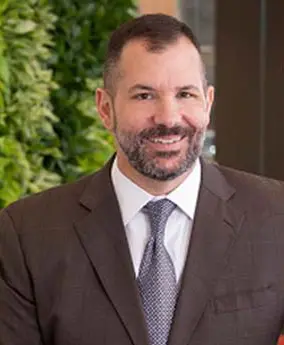
Stuart Archer, FACHE
CEO
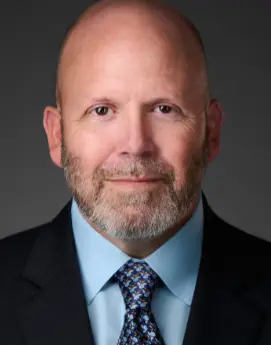
Jeff Pritchard
COO

Daryl Doise, FACHE
Chief Development Officer
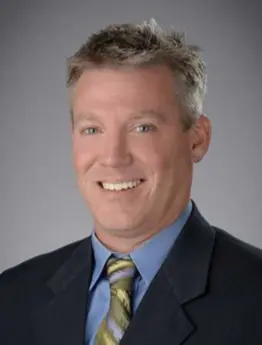
Eric Elliott
CFO
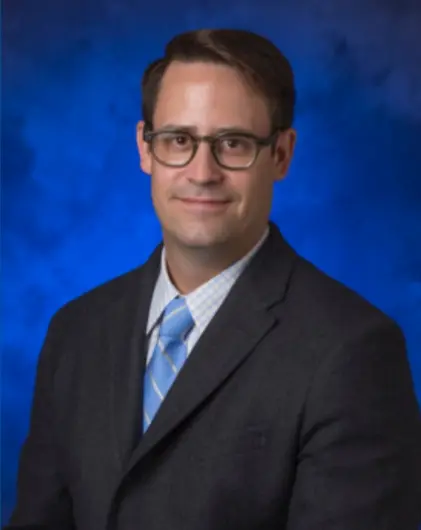
Dr. James Butler
CMO
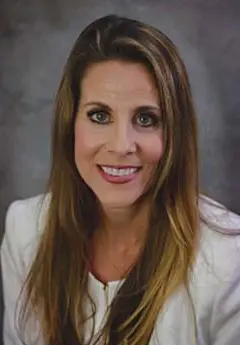
Laura Tarantino
Executive VP, General Counsel & Compliance & Privacy Officer
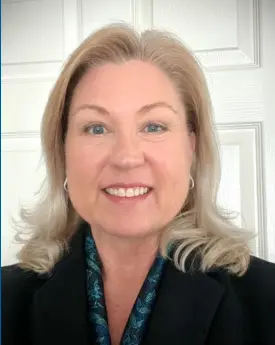
Tammy Steele
Executive VP of Human Resources

Maegan Bowman, CPA
Executive VP of Strategy & Business Integration
Rehab.com regularly reviews this listing for accuracy but changes may occur between updates. For the most up-to-date information, please contact Oceans Behavioral Hospital Greater New Orleans: Kenner Campus.
Contact Information

716 Village Rd
Kenner, LA 70065
Get Help Now - 504-946-7507
Sponsored Helpline
Sponsored Helpline


