






























































































I stayed at Cady Hill for 90 days. The staff was amazing!! Last month made 2 years clean for me. Thank you all for everything!! I highly recommend this place. It's super clean, the food was great, and the staff makes you feel welcome and loved!!
About Pines & Cady Hill Recovery Center
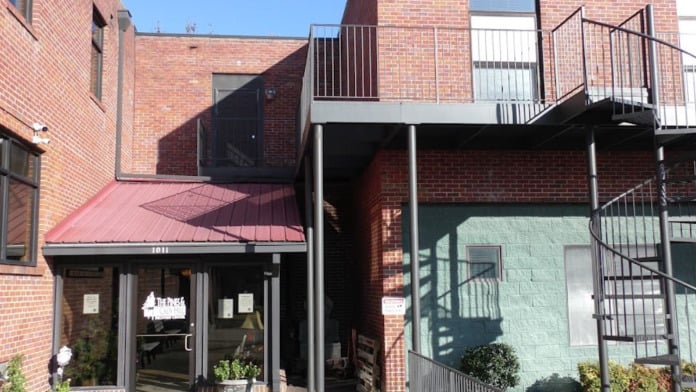
Pines & Cady Hill Recovery Center, located in Columbus, Mississippi is a private alcohol and drug rehab that offers treatment for a variety of substance abuse addictions including alcoholism, co-occurring mental health disorders, and opiate addiction. They offer residential care providing long term support for addiction recovery, as well as flexible outpatient addiction therapy allowing patients to live at home while receiving regular treatment. Additional levels of care offered include partial hospitalization, intensive outpatient, and relapse prevention.
Specialty rehab programs at Pines & Cady Hill Recovery Center include tailored care focusing on women's specific needs and experiences, gender-specific addiction treatment addressing unique challenges faced by men, and treatment integrated with HIV/AIDS care, ensuring comprehensive health management.
Latest Reviews
This place really gets too the root of issues with addiction and Trauma.I've been to several programs and These therapists between groups and individual therapy get it. The staff always helps out and truly understand.They understand other mental health issues with addiction as well.
Pines & Cady Hill Recovery Center provides compassionate, evidence-based care for individuals with co-occurring disorders. Their personalized approach, skilled clinical team, and integration with the recovery community make it a safe and supportive place for anyone seeking lasting sobriety. Highly recommended.
Very modest facilities, but the staff people and curriculum I think are second to none. Probably one of the best things that I’ve done for myself and my families future. I am so grateful for the Pines.

Rehab Score
 Our Methodology
Scoring is assigned by a proprietary system which helps surface key metrics that determine quality. The 10-point scale factors in categories such as operations, customer satisfaction, and trust metrics. Read Full Methodology

5.8 / 10
Gallery
Other Forms of Payment
Private insurance refers to any kind of healthcare coverage that isn't from the state or federal government. This includes individual and family plans offered by an employer or purchased from the Insurance Marketplace. Every plan will have different requirements and out of pocket costs so be sure to get the full details before you start treatment.
Self-pay involves paying for treatment out of your own pocket. You can use savings or credit, get a personal loan, or receive help from family and friends to fund your treatment. If you don't have insurance or your insurance plan doesn't cover a specific program, self-pay can help ensure you still get the care you need.
Addiction Treatments
Levels of Care
Clients stepping down from inpatient care or who prefer to remain at home while receiving intensive treatment may choose to enroll in an outpatient rehab. Outpatient day treatment, partial hospitalization (PHP), and intensive outpatient programs (IOP) are designed for clients requiring more robust supervision and daily treatment. Standard outpatient services enable clients to attend addiction counseling and recovery education throughout the week, with many centers offering weekend, night, and evening sessions to accommodate clients' work and family schedules.
Residential treatment programs are those that offer housing and meals in addition to substance abuse treatment. Rehab facilities that offer residential treatment allow patients to focus solely on recovery, in an environment totally separate from their lives. Some rehab centers specialize in short-term residential treatment (a few days to a week or two), while others solely provide treatment on a long-term basis (several weeks to months). Some offer both, and tailor treatment to the patient's individual requirements.
Clients in an intensive outpatient program (IOP) require substantive support as they prepare to transition into standard outpatient (OP) care or community-based recovery programs, such as AA. Most IOP clients are in early recovery or are at an elevated relapse risk. Intensive outpatient treatment generally involves multiple, extended sessions weekly. Many programs require clients to participate in a minimum of nine therapeutic hours weekly. The most common treatment modalities include psychotherapy, recovery education, and medication assisted treatment.
Recommended as a flexible and intensive addiction treatment option, a partial hospitalization program (PHP) is often used as an alternative to inpatient rehab. With daily sessions typically lasting up to six hours for five days a week, PHP treatment provides evidence-based therapies and medical care while allowing you to return home every evening. The length of PHP treatment varies based on your needs, but it averages 90 days.
Clients engaged in a rehab aftercare program approach recovery as a life-long process. Drug rehab aftercare encompasses myriad services designed to promote clients' continued sobriety as they reintegrate into their home, workplace, and community. Clients generally partner with their case managers and recovery team to define their recovery needs and goals and to identify and access the services they need to promote them. These often include peer coaching, career counseling, and 12 step program induction.
Participants in 12 step programs focus on the development of spiritual, psychological, and emotional skills to support sustained recovery. They regularly attend 12 step meetings, which are free, peer-directed, anonymous, open to the public, and accessible daily in most communities. Specialized formats are also widely available, including groups for seniors, teens, and families. Though these programs are rooted in the belief in a higher power, religious affiliation is not required.
Treatments
The goal of treatment for alcoholism is abstinence. Those with poor social support, poor motivation, or psychiatric disorders tend to relapse within a few years of treatment. For these people, success is measured by longer periods of abstinence, reduced use of alcohol, better health, and improved social functioning. Recovery and Maintenance are usually based on 12 step programs and AA meetings.
For those seeking help with addiction, a drug rehab in Mississippi offers the necessary care to achieve long-term recovery. Options include inpatient, residential, partial hospitalization, intensive outpatient, and long-term drug rehab in Mississippi.
Many of those suffering from addiction also suffer from mental or emotional illnesses like schizophrenia, bipolar disorder, depression, or anxiety disorders. Rehab and other substance abuse facilities treating those with a dual diagnosis or co-occurring disorder administer psychiatric treatment to address the person's mental health issue in addition to drug and alcohol rehabilitation.
Opioid rehabs specialize in supporting those recovering from opioid addiction. They treat those suffering from addiction to illegal opioids like heroin, as well as prescription drugs like oxycodone. These centers typically combine both physical as well as mental and emotional support to help stop addiction. Physical support often includes medical detox and subsequent medical support (including medication), and mental support includes in-depth therapy to address the underlying causes of addiction.
Substance rehabs focus on helping individuals recover from substance abuse, including alcohol and drug addiction (both illegal and prescription drugs). They often include the opportunity to engage in both individual as well as group therapy.
Programs
Adult rehab programs include therapies tailored to each client's specific needs, goals, and recovery progress. They are tailored to the specific challenges adult clients may face, including family and work pressures and commitments. From inpatient and residential treatment to various levels of outpatient services, there are many options available. Some facilities also help adults work through co-occurring conditions, like anxiety, that can accompany addiction.
Young adulthood can be an exciting, yet difficult, time of transition. Individuals in their late teens to mid-20s face unique stressors related to school, jobs, families, and social circles, which can lead to a rise in substance use. Rehab centers with dedicated young adult programs will include activities and amenities that cater to this age group, with an emphasis on specialized counseling, peer socialization, and ongoing aftercare.
Clinical Services
If you participate in cognitive behavioral therapy in Mississippi, you can expect to receive homework exercises that allow you to practice the skills you discuss during your sessions. You'll learn how to develop coping skills and change your thinking and behavior so you can break free from addiction.
Treatment that includes dialectical behavior therapy in Mississippi gives you specific tools for managing challenging situations. You'll learn how to identify and change unhealthy thought patterns. You'll also attend group training sessions where you can start applying the skills you're learning in treatment.
Counselors who apply motivational interviewing take on the roles of listening and reflecting. Their goal is to facilitate conversation about change and commitment to change. They offer support and seek to empower the client to make changes in their life.
Evidence based therapies offered in group therapy settings in Mississippi ensure that you are accountable to your peers. This encourages everyone to stay committed to their recovery and fosters a sense of community with other participants. You learn essential coping skills that help you navigate challenges within the community and achieve sustainable recovery.
Individual therapy for drug addiction provides you a safe nonjudgmental space to discuss your struggles and past trauma that impact addictive behavior. Your therapist offers support and guidance as you develop personalized strategies to navigate the challenges of recovery.
While undergoing couples therapy, you'll explore any problems in your relationship with the goal of identifying and resolving dysfunctional patterns. You'll learn new and better ways to manage challenges so you can move forward with a healthier relationship.
Research clearly demonstrates that recovery is far more successful and sustainable when loved ones like family members participate in rehab and substance abuse treatment. Genetic factors may be at play when it comes to drug and alcohol addiction, as well as mental health issues. Family dynamics often play a critical role in addiction triggers, and if properly educated, family members can be a strong source of support when it comes to rehabilitation.
You can start using nicotine replacement therapy as soon as you quit using tobacco. These products, such as nicotine gum and nicotine patches, treat your physical dependence on nicotine. To address any psychological dependence, counseling and support groups can be good resources.
Staff
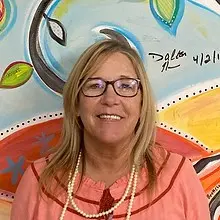
Brenda Long, CPSS
Marketing and Admissions Coordinator
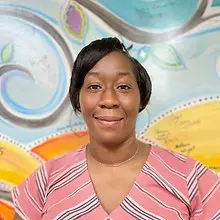
Victoria Bland, CPSS
Clinical Administrative Assistant
Rehab.com regularly reviews this listing for accuracy but changes may occur between updates. For the most up-to-date information, please contact Pines & Cady Hill Recovery Center.
Contact Information

1011 Main street
Columbus MS, 39701
Get Help Now - 601-439-6848
Sponsored Helpline
Sponsored Helpline

