





























































































About Recovery Centers of America | St. Charles
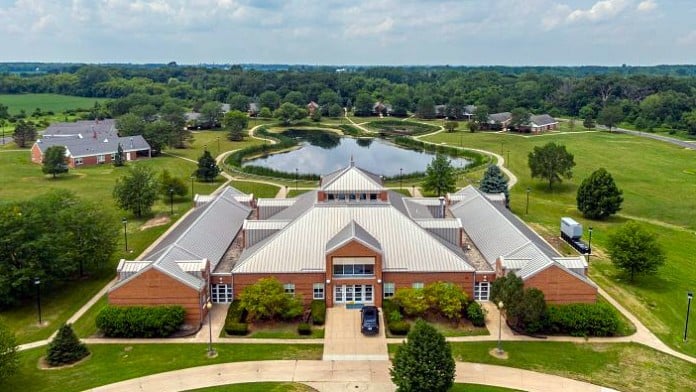
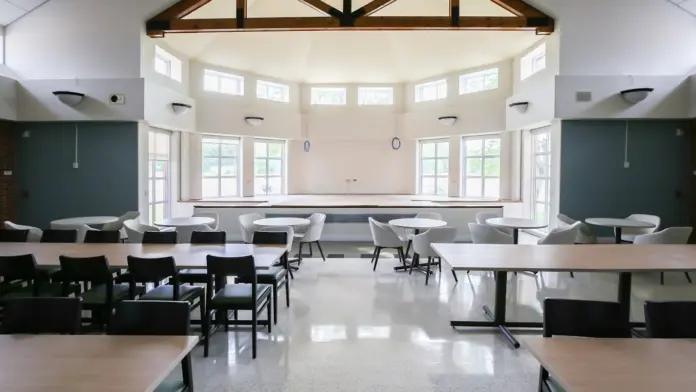
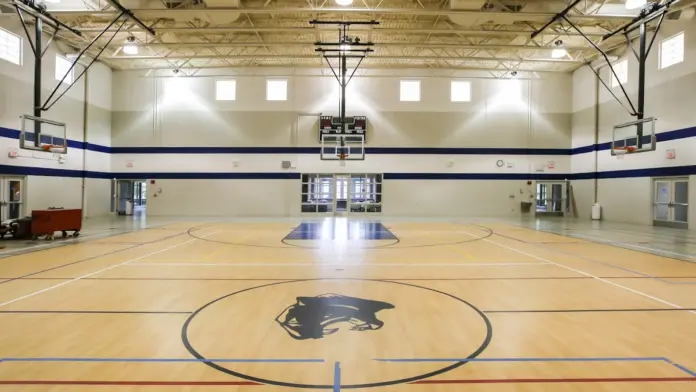
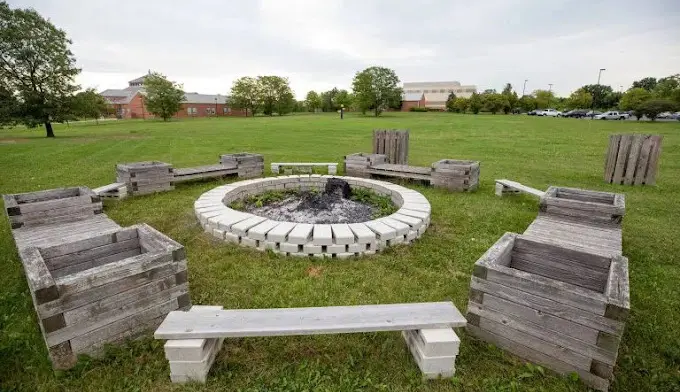
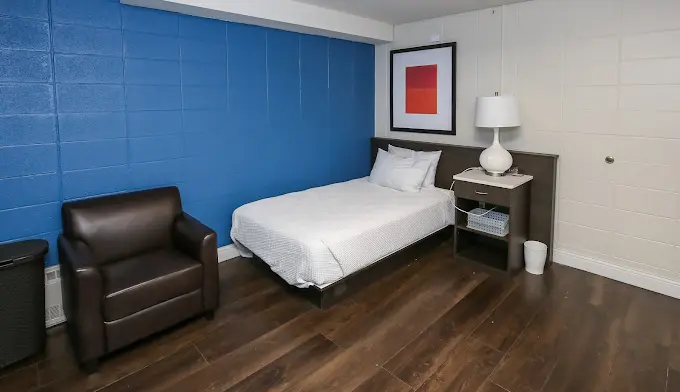
As one of the best rated inpatient rehabs in Illinois, the accommodations are in residential cottages where you’ll be segmented based on your treatment focus and gender. The rooms are semi-private and feature full size beds, individual bathrooms and televisions. There’s a wellness center and gym and they focus on serving nutritious, homemade meals.
There’s a detox program where you’ll first rid your body of toxic substances. Here, you’ll have 24/7 medical monitoring. If appropriate, you’ll be given medication to help ease your withdrawal symptoms.
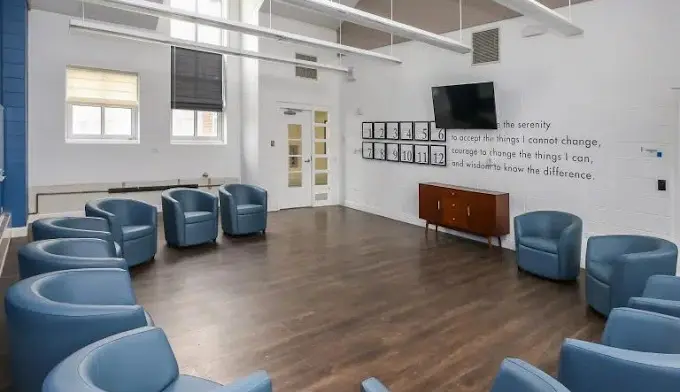
They offer an inpatient program called Foundations of Recovery Pathway for those in their first substance use recovery treatment program. In this program, you’ll learn about the disease of addiction and its negative consequences for your body and mind. You’ll work one on one with a therapist to develop your unique treatment plan. There’s individual and group therapy, and you’ll learn the 12 Step model of recovery.
If you’ve been in recovery before and are coming back, you’ll be in the Fresh Start Pathway program to get you back on track. You’ll learn how to build a healthy support system while creating new goals and reestablishing your commitment to your recovery.
Many people with substance use disorder have co-occurring (dual diagnosis) mental health issues such as anxiety, depression, or bipolar disorder. If this is the case for you then you’ll be in the Balance Pathway program. You’ll meet with a therapist to create a plan that helps you design an integrated treatment to cope with both disorders. You’ll also have group therapy and your treatment and medications will be supervised by a psychiatrist.
Former clients were impressed by the caring and compassionate staff. One former client mentioned that the cottages were like a 4 star hotel room.
Latest Reviews



Rehab Score
 Our Methodology


Gallery
Accepted Insurance
Other Forms of Payment
Private insurance refers to any kind of healthcare coverage that isn't from the state or federal government. This includes individual and family plans offered by an employer or purchased from the Insurance Marketplace. Every plan will have different requirements and out of pocket costs so be sure to get the full details before you start treatment.
Self-pay involves paying for treatment out of your own pocket. You can use savings or credit, get a personal loan, or receive help from family and friends to fund your treatment. If you don't have insurance or your insurance plan doesn't cover a specific program, self-pay can help ensure you still get the care you need.
Financial aid can take many forms. Centers may have grants or scholarships available to clients who meet eligibility requirements. Programs that receive SAMHSA grants may have financial aid available for those who need treatment as well. Grants and scholarships can help you pai for treatment without having to repay.
Addiction Treatments
Levels of Care
Residential treatment programs are those that offer housing and meals in addition to substance abuse treatment. Rehab facilities that offer residential treatment allow patients to focus solely on recovery, in an environment totally separate from their lives. Some rehab centers specialize in short-term residential treatment (a few days to a week or two), while others solely provide treatment on a long-term basis (several weeks to months). Some offer both, and tailor treatment to the patient's individual requirements. Linden Oaks' Residential Stay Program offers additional support for those who may benefit from a structured living environment. A patient's stay may vary from a few days to 30 days ago. The program includes group, family and individual counseling.
Outpatient Programs (OP) are for those seeking mental rehab or drug rehab, but who also stay at home every night. The main difference between outpatient treatment (OP) and intensive outpatient treatment (IOP) lies in the amount of hours the patient spends at the facility. Most of the time an outpatient program is designed for someone who has completed an inpatient stay and is looking to continue their growth in recovery. Outpatient is not meant to be the starting point, it is commonly referred to as aftercare.
Intensive Outpatient programs are for those who want or need a very structured treatment program but who also wish to live at home and continue with certain responsibilities (such as work or school). IOP substance abuse treatment programs vary in duration and intensity, and certain outpatient rehab centers will offer individualized treatment programs. The Intensive Outpatient Program gives patients the chance to participate in a structured treatment plan part-time while they transition back to home and work or other responsibilities. This program provides half-day treatment (Monday, Wednesday and Friday, 9:15 am to 12:30 pm).
Completing a drug or alcohol rehab program shouldn't spell the end of substance abuse treatment. Aftercare involves making a sustainable plan for recovery, including ongoing support. This can include sober living arrangements like halfway houses, career counseling, and setting a patient up with community programs like Alcoholics Anonymous (AA) or Narcotics Anonymous (NA).
Loved ones can utilize a drug intervention in Illinois to help with addressing a family member's problematic substance use. The goal of the intervention is to educate the individual about the negative effects of their substance use and encourage them to accept professional treatment. Intervention services can help families initiate this conversation and plan appropriate follow-up care, such as inpatient or outpatient rehab.
During the medically supervised detox process, licensed medical professionals monitor your vitals and administer medications meant to help alleviate the physical symptoms of withdrawal. The process can take between five and seven days, although the actual length depends on your individual needs. In most cases, medically assisted detox is partially, if not fully, covered by insurance.
Treatments
Alcohol use disorder (alcoholism) can be severe, moderate, or mild. Symptoms include spending a lot of time drinking, wanting to stop but being unsuccessful, and feeling strong cravings that lead to overuse of alcohol. At any severity level, alcohol addiction is treatable through alcohol rehab in Illinois. Most comprehensive rehab programs include medical detox, inpatient rehab, and ongoing alcohol counseling/support (maintenance).
Drug rehab in Illinois is designed to help people recover from addiction to a number of substances. The length of each program and its intensity tend to vary, and the plan of care is based on your individual needs.
 Opioid Addiction
Programs
Adult rehab programs include therapies tailored to each client's specific needs, goals, and recovery progress. They are tailored to the specific challenges adult clients may face, including family and work pressures and commitments. From inpatient and residential treatment to various levels of outpatient services, there are many options available. Some facilities also help adults work through co-occurring conditions, like anxiety, that can accompany addiction.
Young adulthood can be an exciting, yet difficult, time of transition. Individuals in their late teens to mid-20s face unique stressors related to school, jobs, families, and social circles, which can lead to a rise in substance use. Rehab centers with dedicated young adult programs will include activities and amenities that cater to this age group, with an emphasis on specialized counseling, peer socialization, and ongoing aftercare.
Serving in the military is both mentally and physically challenging, and can result in trauma that persists even after combat ends. Military programs are tailored to the specific and often complex needs of active duty personnel, veterans, and military families. Clients often access these programs through the U.S. Department of Veterans Affairs (VA).
Clinical Services
If you engage in cognitive behavioral therapy in Illinois, your therapist will work with you to change your thinking patterns. You'll learn how to recognize faulty thinking and develop skills to deal with stress without using substances.
Dialectical behavior therapy in Illinois typically involves keeping a diary to track actions and emotions. Your therapist will use this diary to determine what to focus on during each session. In addition to individual sessions, you'll also attend group meetings where you are trained in coping skills.
Trauma therapy provides you with a safe and supportive environment so you can address a traumatic experience. Your therapist helps guide you to understand your emotional, mental, and physical responses while developing healthier coping skills. This helps to improve your emotional resilience and ability to function in the community.
Family therapy helps to rebuild trust and strengthen relationships that have been affected by addiction. Therapists use guided interventions to help families improve their interactions and address underlying issues that impact their relationships. This helps create a supportive atmosphere for the recovery process.
Without nutritional balance, you can't achieve overall health. Nutrition therapy restores this balance by providing healthy meals and teaching you how to choose foods that support recovery. It is an important part of most rehab programs in Illinois.
During one on one therapy sessions for drug and alcohol addiction, you and your therapist work collaboratively to develop effective relapse prevention plans and improve your self awareness. This helps address your specific needs, including the effectiveness of several evidence based treatment modalities that may work best for you.
Amenities
-
 Residential Setting
 -
 Gym
Gym -
 Private Setting
Staff & Accreditations
Staff
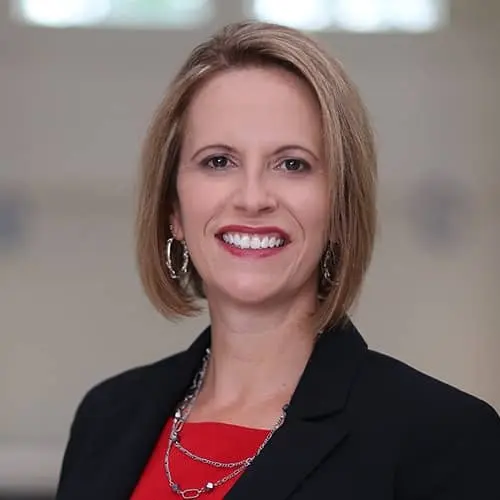
Karen Wolownik
CEO of St. Charles

Dr. Stephen Holtsford
Medical Director of St. Charles

Brett Cohen
CEO of RCA

Sergio Cruz
CFO
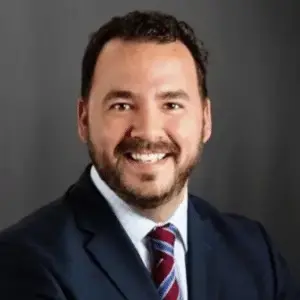
Mark Puckett
COO
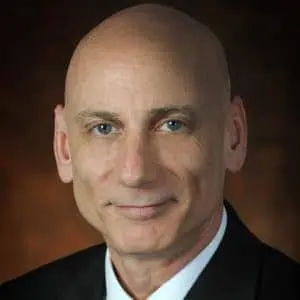
Lancer Seaman
CIO

Dr. Hyong Un, MD
Chief Medical Officer
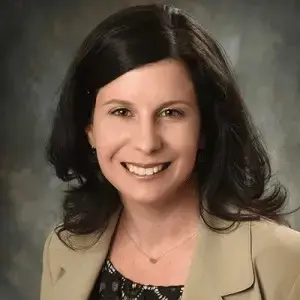
Shelly Cuny Barry
Senior VP of Human Resources
Accreditations

LegitScript has reviewed Recovery Centers of America | St. Charles as part of their certification program, and has determined that it meets the LegitScript standards for legality, safety and transparency.
LegitScript verified in

The Joint Commission, formerly known as JCAHO, is a nonprofit organization that accredits rehab organizations and programs. Founded in 1951, the Joint Commision's mission is to improve the quality of patient care and demonstrating the quality of patient care.
Joint Commission Accreditation: Yes

The National Association of Addiction Treatment Providers (NAATP) is a professional association that represents organizations in the field of addiction services. Founded in 1978, NAATP's mission is to advance addiction services and ensure that high-quality addiction treatment is available and accessible.
NAATP Member: Yes
Rehab.com regularly reviews this listing for accuracy but changes may occur between updates. For the most up-to-date information, please contact Recovery Centers of America | St. Charles.
Contact Information


41W400 Silver Glen Rd
St. Charles, IL 60175
Sponsored Helpline



