















































































































About St Vincent Charity – Rosary Hall – Outpatient Addiction Treatment
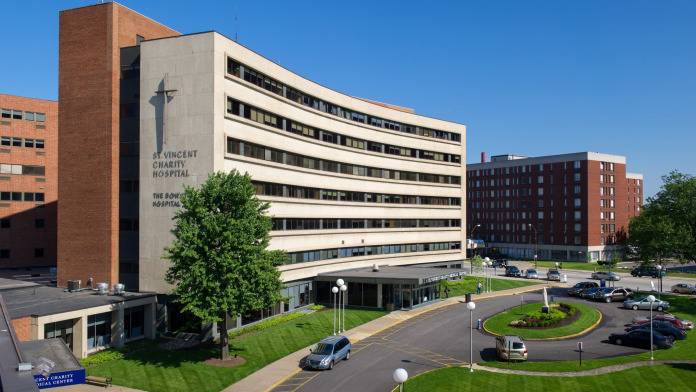
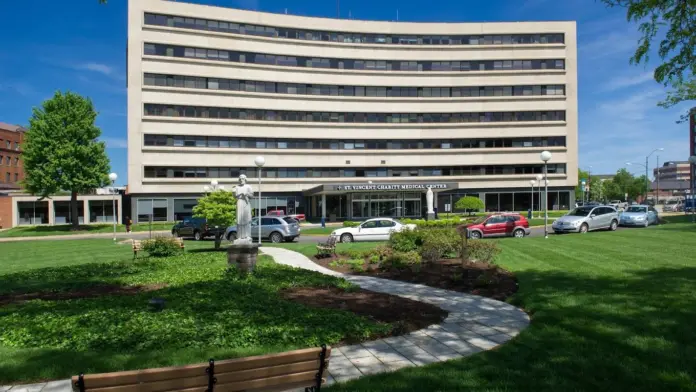
St. Vincent Charity Community Health Center is home to Rosary Hall, an outpatient substance use disorder treatment facility that offers in-person assessments within 24 hours. They also address mental health issues with coordinated care at their Cleveland, Ohio location.
Faith-Sensitive Care
Individual assessments determine the right mix of therapy, medication and support for each person. Spiritual support and holistic approaches are integrated into care here.
The facility welcomes folks of all faiths and backgrounds. They accept most major insurance plans and may offer financial assistance if you qualify.
Medication Assisted Treatment in Cleveland
Medication is provided for clients over the age of 18 and includes Vivitrol, Suboxone or Sublocade. The goal is to reduce your withdrawal symptoms so you can focus more on the treatment you receive in counseling.
Structured Outpatient Care
During the outpatient program, clients are drug tested weekly and attend structured group sessions for about 17 weeks. Staff help you transition from treatment into 12-step programs, with ongoing support to help you maintain long-term sobriety.

Rehab Score
 Our Methodology


Gallery
Other Forms of Payment
Private insurance refers to any kind of healthcare coverage that isn't from the state or federal government. This includes individual and family plans offered by an employer or purchased from the Insurance Marketplace. Every plan will have different requirements and out of pocket costs so be sure to get the full details before you start treatment.
Self-pay involves paying for treatment out of your own pocket. You can use savings or credit, get a personal loan, or receive help from family and friends to fund your treatment. If you don't have insurance or your insurance plan doesn't cover a specific program, self-pay can help ensure you still get the care you need.
Financial aid can take many forms. Centers may have grants or scholarships available to clients who meet eligibility requirements. Programs that receive SAMHSA grants may have financial aid available for those who need treatment as well. Grants and scholarships can help you pai for treatment without having to repay.
Medicaid is a state based program that helps lower-income individuals and families pay for healthcare. Medicaid covers addiction treatment so those enrolled can use their coverage to pay for rehab. When a program accepts Medicaid the client often pays very little or nothing out of their own pocket.
Medicare is a federal program that provides health insurance for those 65 and older. It also serves people under 65 with chronic and disabling health challenges. To use Medicare for addiction treatment you need to find a program that accepts Medicare and is in network with your plan. Out of pocket costs and preauthorization requirements vary, so always check with your provider.
Addiction Treatments
Levels of Care
Outpatient Programs (OP) are for those seeking mental rehab or drug rehab, but who also stay at home every night. The main difference between outpatient treatment (OP) and intensive outpatient treatment (IOP) lies in the amount of hours the patient spends at the facility. Most of the time an outpatient program is designed for someone who has completed an inpatient stay and is looking to continue their growth in recovery. Outpatient is not meant to be the starting point, it is commonly referred to as aftercare.
Intensive outpatient programs (IOP) are designed for clients who need frequent, high-level care but do not require, or choose to forgo, inpatient treatment. Most intensive outpatient rehabs offer a minimum of nine hours of treatment weekly, though clients may receive up to 20 hours of care as needed. These programs typically combine various treatment modalities, including individual, group, and family counseling, medication assisted treatment (MAT), addiction and recovery education, and evidence-based complementary therapies, such as acupuncture and massage.
Rehab aftercare programs are designed to ensure clients receive continuing care while in the maintenance phase of recovery. Some clients may be in outpatient treatment, which is generally considered to be an element of drug rehab aftercare. The specific services provided in these programs are often determined by the client's case manager and care team in consultation with the client. Common services include peer coaching, career counseling, and 12 step program induction.
Many treatment centers base their recovery models on the 12 step programming standard, which combines intensive peer support with spiritual, psychological, and emotional growth. Participants in 12 step recovery programs are expected to regularly attend group meetings, which are free, anonymous, peer-led, and open to the public. They are also required to select a sponsor to guide them through the recovery journey. These programs deploy spiritual principles to foster participants' self-understanding, forgiveness, acceptance, and accountability.
Medical detox involves clearing your body of drugs and/or alcohol under the 24/7 care of licensed medical professionals. If you've become dependent on alcohol or drugs (like benzodiazepines or opioids), quitting abruptly can have uncomfortable and even dangerous side effects. The purpose of medically assisted detox is to keep you as safe and comfortable as possible during this process. Medications like Suboxone or Vivitrol may be provided if necessary to mitigate any withdrawal symptoms.
Clinical Services
Individual therapy for drug and alcohol addiction treatment gives you a safe space to discuss your emotional, mental, and physical challenges. Your therapist will guide and support you as you collaborate to develop personalized strategies to manage your stress and navigate the challenges of your recovery.
Staff
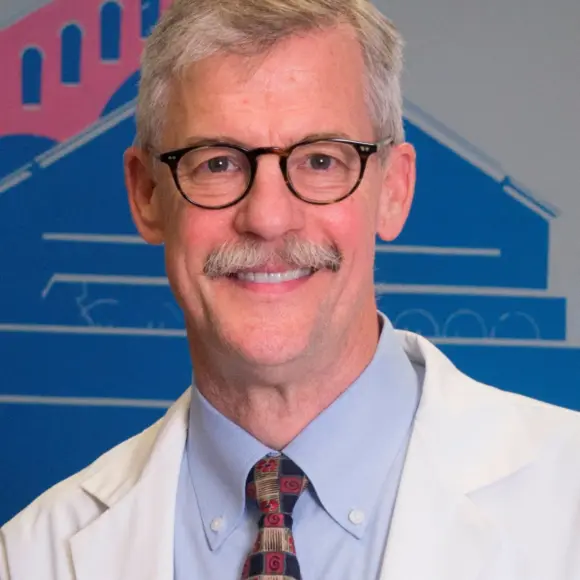
Ted Parran Jr., MD, FACP
Co-Medical Director
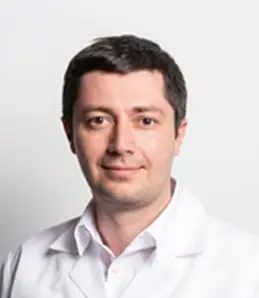
Mykola Kolganov, MD
C-Medical Director
Contact Information


2322 E 22nd St
#200
Cleveland, OH 44115
Sponsored Helpline

