































































































I worked at Sanctuary for 18 months. I stayed for the clients. It was a horrible place to work. The owners once said to their employees during a staff meeting "I am sure there is some reason why you chose to work here rather than flip burgers." I was appalled. Sanctuary is d ...
About Sanctuary Treatment Center
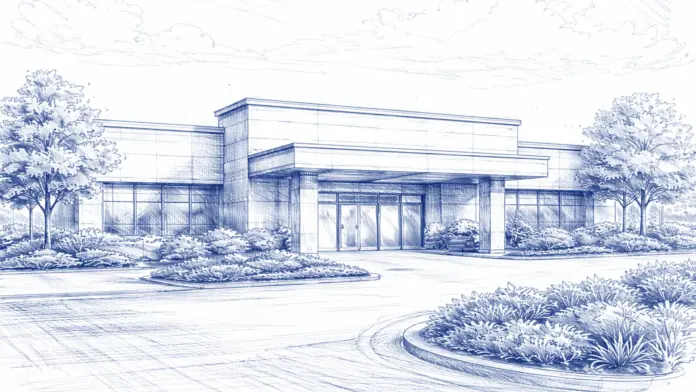
Sanctuary Treatment Center’s inpatient program provides medication-assisted treatment (MAT) for medically supervised detox in a small group setting. Following detox, clients can take advantage of inpatient treatment in small peer groups, as each facility consists of no more than six beds. The facilities include common eating and other group areas, single- and double-occupancy rooms, and gym equipment to support physical wellness. Clients will have access to various therapeutic treatments: group and individual, cognitive behavioral (CBT), dialectical behavioral (DBT), neurofeedback, trauma, transcranial magnetic stimulation (TMS), and acceptance and commitment therapies are available to all clients.
Outpatient rehab at Sanctuary Treatment Center consists of several of the same therapies available to inpatient clients. Outpatient treatment is designed to support those who have been through a more intensive detox or inpatient process. Holistic rehab at Sanctuary includes nutritional support, mindfulness training, and art and music therapy.
Aftercare from Sanctuary includes developing a relapse prevention plan, recovery monitoring, outpatient therapy, sober living homes, and career and school counseling. Peer support groups like AA and NA and alternatives like SMART Recovery are free of charge to outpatient clients.
Sanctuary Treatment Center can help with insurance verification, and they accept insurance payments from Humana, Cigna, Blue Cross Blue Shield, Aetna, and Anthem Blue Cross. Please consult your provider for drug rehab and out of network benefits.
Latest Reviews
Renewal was a great 10/10 experience all of the staff were super welcoming I would definitely recommend this program to anyone struggling with addiction. I want to say thank you to Evan & Genevieve for doing a wonderful job as well as Debby, Mario, Michelle M. , Michelle the therapist , Victoria, Travis, Josh, Presley , Brendin
I can't say enough great things about STC! I personally sent my father here, and it was one of the best decisions our family could have made. From the moment he arrived, we knew he was in caring and capable hands.
The staff is absolutely amazing, compassionate, knowledgeable, and genuinely invested in each person's recovery. They go above and beyond to make clients and their families feel supported every step of the way. You can truly see the dedication and heart they put into the work they do.
What sets STC apart is the welcoming, supportive environment they create. They treat everyone with dignity, respect, and kindness while providing exceptional care. Knowing my father was receiving such outstanding treatment gave our family tremendous peace of mind.
If you're looking for a treatment center that truly cares and delivers exceptional care, I highly recommend STC. Thank you to the entire team for everything you do and for making such a positive difference in so many lives.
Gave me the help and support that someone needs to refocus their life.

Rehab Score
 Our Methodology
Scoring is assigned by a proprietary system which helps surface key metrics that determine quality. The 10-point scale factors in categories such as operations, customer satisfaction, and trust metrics. Read Full Methodology

6.7 / 10
Location
Other Forms of Payment
Self-pay involves paying for treatment out of your own pocket. You can use savings or credit, get a personal loan, or receive help from family and friends to fund your treatment. If you don't have insurance or your insurance plan doesn't cover a specific program, self-pay can help ensure you still get the care you need.
Private insurance refers to any kind of healthcare coverage that isn't from the state or federal government. This includes individual and family plans offered by an employer or purchased from the Insurance Marketplace. Every plan will have different requirements and out of pocket costs so be sure to get the full details before you start treatment.
Medicare is a federal program that provides health insurance for those 65 and older. It also serves people under 65 with chronic and disabling health challenges. To use Medicare for addiction treatment you need to find a program that accepts Medicare and is in network with your plan. Out of pocket costs and preauthorization requirements vary, so always check with your provider.
Military members, veterans, and eligible dependents have access to specific insurance programs that help them get the care they need. TRICARE and VA insurance can help you access low cost or no cost addiction and mental health treatment. Programs that accept military insurance often have targeted treatment focused on the unique challenges military members, veterans, and their families face.
Addiction Treatments
Levels of Care
Drug and alcohol addiction often takes a heavy toll on one's body. Over time, a physical dependence can develop, meaning the body physiologically needs the substance to function. Detox is the process of removing drugs and/or alcohol from the body, a process that can be lethal if mismanaged. Medical detox is done by licensed medical professionals who monitor vital signs and keep you safe, healthy, and as comfortable as possible as you go through detox and withdrawal. The length of stay at the detoxification program is determined according to the specific needs of the patient.
Residential treatment programs are those that offer housing and meals in addition to substance abuse treatment. Rehab facilities that offer residential treatment allow patients to focus solely on recovery, in an environment totally separate from their lives. Some rehab centers specialize in short-term residential treatment (a few days to a week or two), while others solely provide treatment on a long-term basis (several weeks to months). Some offer both, and tailor treatment to the patient's individual requirements.
Treatments
A combined mental health and substance abuse rehab has the staff and resources available to handle individuals with both mental health and substance abuse issues. It can be challenging to determine where a specific symptom stems from (a mental health issue or an issue related to substance abuse), so mental health and substance abuse professionals are helpful in detangling symptoms and keeping treatment on track.
Programs
Adult rehab programs include therapies tailored to each client's specific needs, goals, and recovery progress. They are tailored to the specific challenges adult clients may face, including family and work pressures and commitments. From inpatient and residential treatment to various levels of outpatient services, there are many options available. Some facilities also help adults work through co-occurring conditions, like anxiety, that can accompany addiction.
Clinical Services
Group therapy is any therapeutic work that happens in a group (not one-on-one). There are a number of different group therapy modalities, including support groups, experiential therapy, psycho-education, and more. Group therapy involves treatment as well as processing interaction between group members.
In individual therapy, a patient meets one-on-one with a trained psychologist or counselor. Therapy is a pivotal part of effective substance abuse treatment, as it often covers root causes of addiction, including challenges faced by the patient in their social, family, and work/school life.
Amenities
-
 Private Rooms
Rehab.com regularly reviews this listing for accuracy but changes may occur between updates. For the most up-to-date information, please contact Sanctuary Treatment Center.
Contact Information

19241 Whitestone Court
Tarzana, CA 91356
Get Help Now - 310-810-3958
Sponsored Helpline
Sponsored Helpline


