











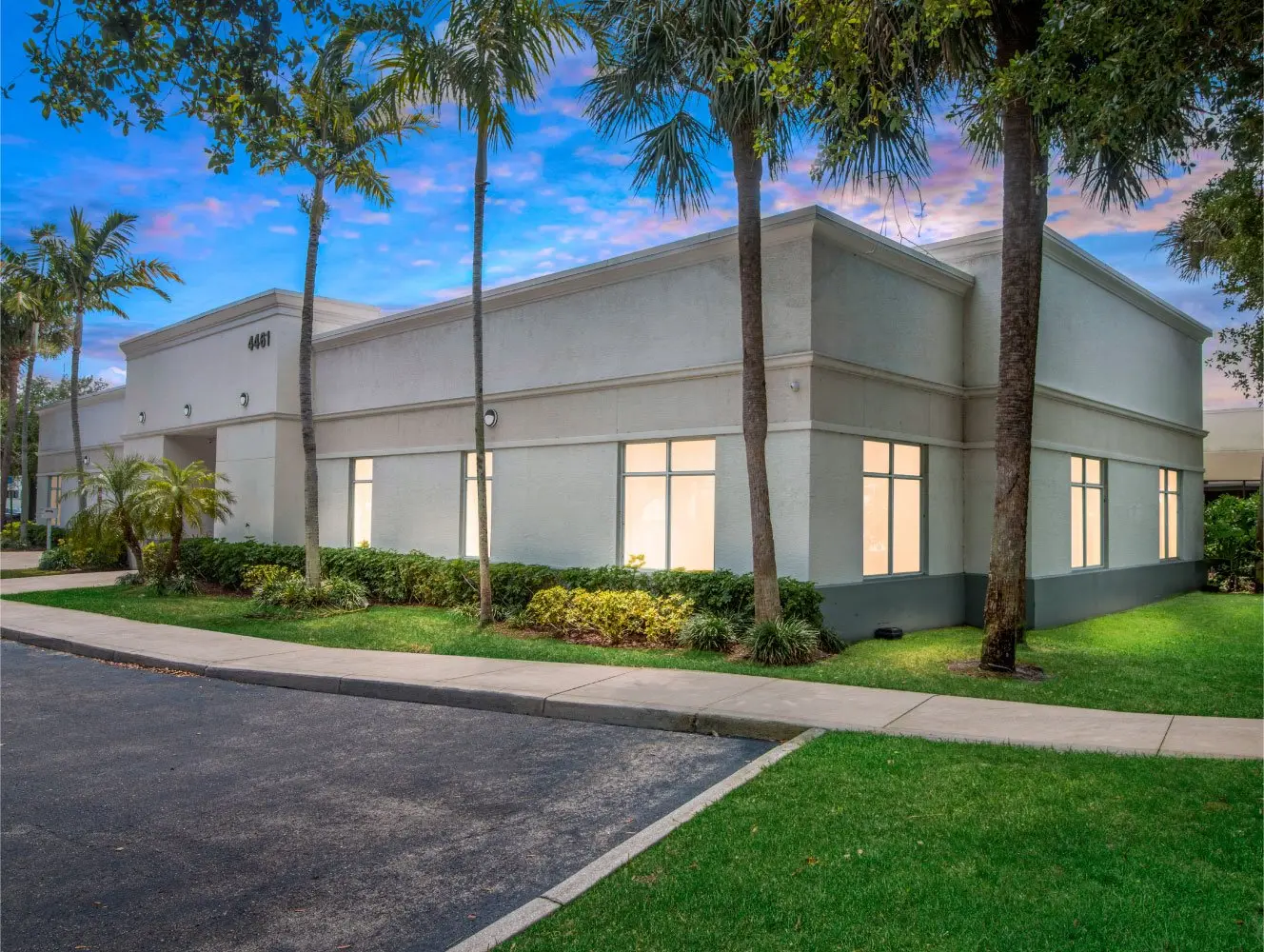
All In Solutions Wellness Center
1
Top 10 Rehab Centers In West Palm Beach



















































































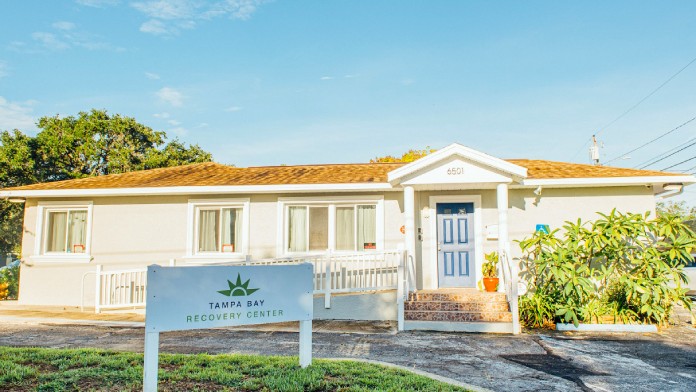
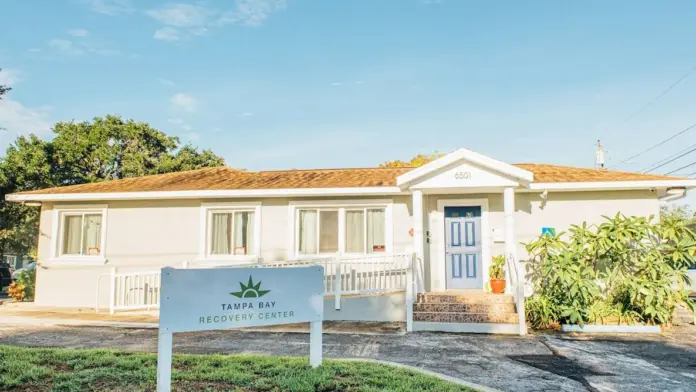
Tampa Bay Recovery Center is a Joint Commission accredited outpatient addiction and mental health treatment center in Saint Petersburg, Florida. They offer alcohol and drug detox, alcohol and drug rehab, and dual diagnosis programs for clients with co-occurring mental health challenges. Medication assisted treatment (MAT) is available.
For clients who need inpatient treatment, the facility partners with local facilities to offer 24/7 treatment programs. The center is about seven miles from downtown Saint Petersburg where there are museums, galleries, and gardens. The facility is in-network with most insurance providers.
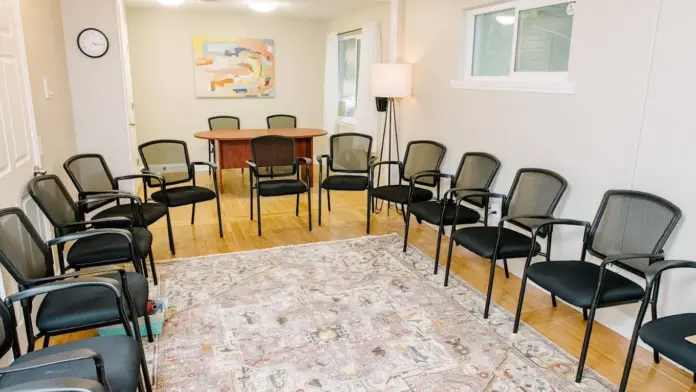
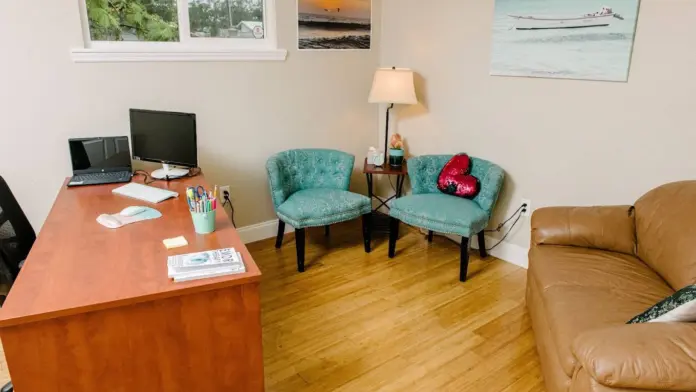
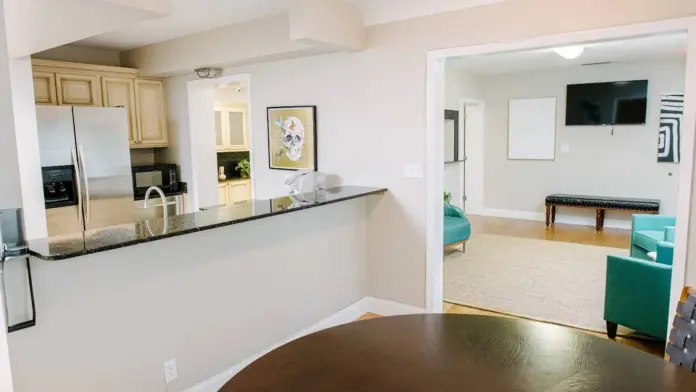
The clinicians use a holistic addiction treatment approach that integrates traditional, evidence based therapies with innovative treatments, including red light therapy, yoga, and mindfulness based stress reduction (MBSR). The center’s environment is serene, calming, and conducive to healing.
Clients who have participated in the programs feel the staff is committed to helping clients build a foundation for a sober lifestyle. One client stated, “The team here goes above and beyond to ensure that not only I, but everyone walking through their doors, is given the tools and support necessary to succeed.” Several clients remarked that after years of addiction treatment, they finally found the help they needed to succeed at this facility.

 Our Methodology


Private insurance refers to any kind of healthcare coverage that isn't from the state or federal government. This includes individual and family plans offered by an employer or purchased from the Insurance Marketplace. Every plan will have different requirements and out of pocket costs so be sure to get the full details before you start treatment.
Self-pay involves paying for treatment out of your own pocket. You can use savings or credit, get a personal loan, or receive help from family and friends to fund your treatment. If you don't have insurance or your insurance plan doesn't cover a specific program, self-pay can help ensure you still get the care you need.
Outpatient Programs (OP) are for those seeking mental rehab or drug rehab, but who also stay at home every night. The main difference between outpatient treatment (OP) and intensive outpatient treatment (IOP) lies in the amount of hours the patient spends at the facility. Most of the time an outpatient program is designed for someone who has completed an inpatient stay and is looking to continue their growth in recovery. Outpatient is not meant to be the starting point, it is commonly referred to as aftercare.
The first step of the recovery process involves the removal of all drugs and alcohol from your system while under 24/7 medical supervision. Known as a medically assisted detox, you are closely monitored by medical staff who can provide medications, if necessary, to help alleviate any potential withdrawal symptoms. Medical detox is usually followed by a period of inpatient addiction treatment.
Intensive Outpatient programs are for those who want or need a very structured treatment program but who also wish to live at home and continue with certain responsibilities (such as work or school). IOP substance abuse treatment programs vary in duration and intensity, and certain outpatient rehab centers will offer individualized treatment programs. The Intensive Outpatient Program gives patients the chance to participate in a structured treatment plan part-time while they transition back to home and work or other responsibilities.
Often referred to as "day treatment," a partial hospitalization program (PHP) offers an intensive treatment option that allows individuals to return home at night. PHP treatment typically requires a minimum of 20 hours a week for an average of 90 days. Participants attend daily therapeutic sessions, receive medication management, and have access to skilled medical professionals. While costs can vary, most insurance will fully or partially cover a partial hospitalization program.
Rehab aftercare programs are a collection of highly individualized services designed to promote long-term recovery. These services evolve as your needs change. Case managers and recovery teams typically begin formulating the rehab aftercare service plan early in the recovery process to facilitate your reintegration back into the home, workplace, and community.
When a person has alcohol use disorder (AUD), also referred to as alcoholism or alcohol addiction, they experience withdrawal symptoms when they stop drinking. This physical dependence results from overuse of alcohol, which may be used as a coping mechanism or escape. Individuals who have AUD can overcome the alcohol addiction through alcohol rehab in Florida. This treatment process involves essential therapy and supports to help the individual achieve and maintain recovery.
Drug rehab in Florida provides quality treatment to help individuals overcome dependency related to a wide range of addictive substances. Programs address both the physical and mental aspects of addiction in order to help you make a full recovery.
 Opioid Addiction
In Florida, substance abuse treatment focuses on treating mental health and substance use disorders concurrently to improve recovery outcomes and overall health. Levels of care include medical detox, outpatient, residential treatment, and intensive outpatient programs. Clinicians utilize evidence-based therapies such as dialectical behavioral therapy (DBT) or medication-assisted treatment, group therapy, and skills training activities. This comprehensive approach to treatment helps to ensure sustained recovery.
In Florida, dual-diagnosis addiction treatment treats mental health and substance use disorders concurrently to enhance successful recovery outcomes and improve overall health. Specialized rehab programs include medical detox, outpatient, residential treatment, and intensive outpatient programs. Using evidence-based therapies, like dialectical behavioral therapy or medication-assisted treatment, clinicians successfully treat dual-diagnosis addiction and mental health conditions. Other activities include group therapy and skills training, to equip you with the skills required to achieve and sustain your recovery.
When you have a mental health disorder and an addiction, it's known as a co-occurring disorder. Since treating both conditions at the same time is critical, you'll want to seek out a dual diagnosis treatment center. These specialized rehabs offer the care needed to overcome both disorders, which drastically increases your chances of success in long-term recovery. Types of therapies provided tend to include individual and group counseling, relapse prevention education, coping skills training, and cognitive behavioral therapy (CBT).
Adult rehab programs include therapies tailored to each client's specific needs, goals, and recovery progress. They are tailored to the specific challenges adult clients may face, including family and work pressures and commitments. From inpatient and residential treatment to various levels of outpatient services, there are many options available. Some facilities also help adults work through co-occurring conditions, like anxiety, that can accompany addiction.
 Eye Movement Desensitization and Reprocessing
During family therapy sessions, you navigate the complexities of addiction and are provided tools to help improve communication and resolve conflicts. When you work together, families can better support their loved one's recovery and restore balance and harmony within the household.
Group therapy provides a safe and supportive environment for people in Florida who are struggling with drug addiction. There you can openly discuss the challenges and progress you're making without fear of judgment from your peers who experience many of the same things you are.
Individual therapy often includes Cognitive Behavioral Therapy. This is a structured approach to identifying and changing negative thought patterns. During therapy you learn how what you think drives your actions so you can develop healthier coping strategies to manage addiction triggers and reduce drug use.
Trauma therapy helps you work through the psychological impact that traumatic events have had on your life. Your therapist helps you identify the physical, emotional, and mental triggers and develop coping mechanisms. This helps rebuild a sense of safety and trust in yourself and others.
 Yoga Studio
  Residential Setting
  Private Rooms
Co Founder & CEO
President
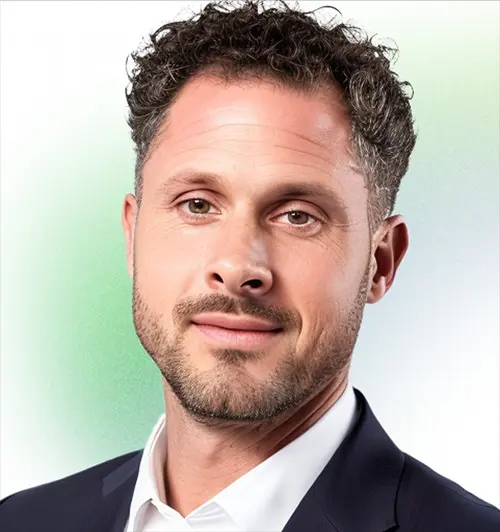
Executive Director
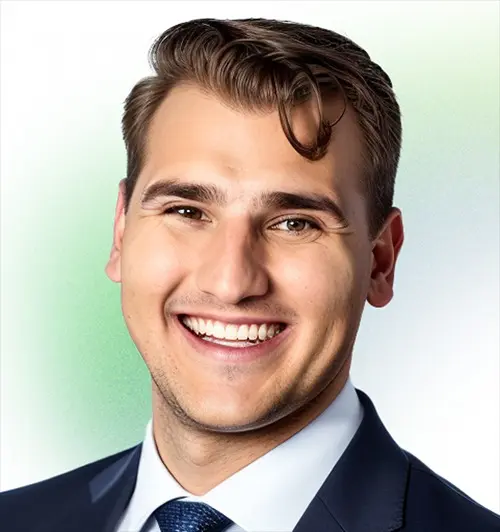
Executive Director
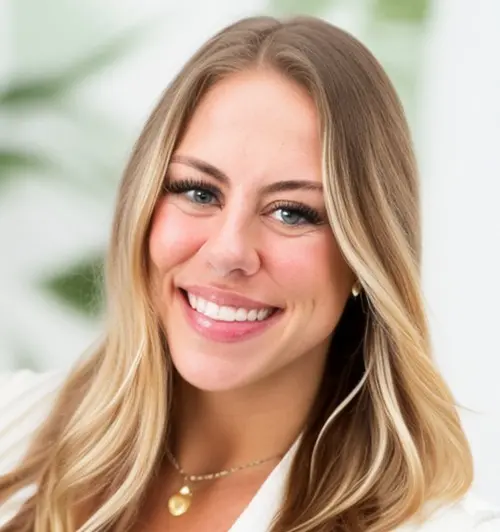
Operation Manager
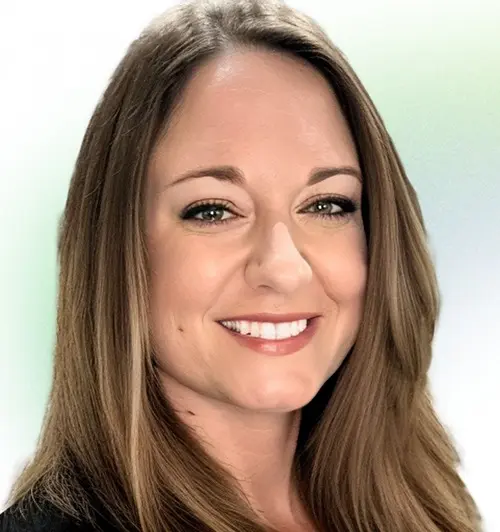
Director of Clinical Services
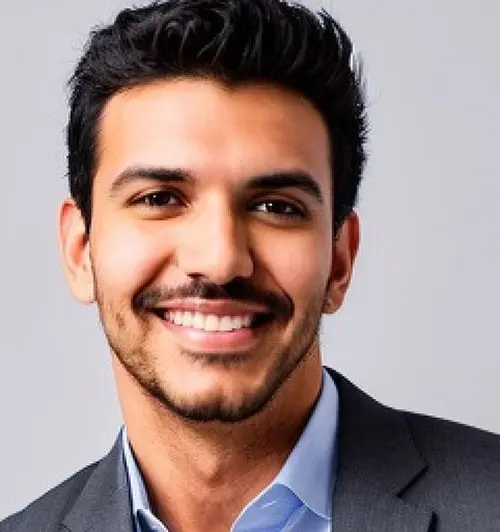
Operations Director
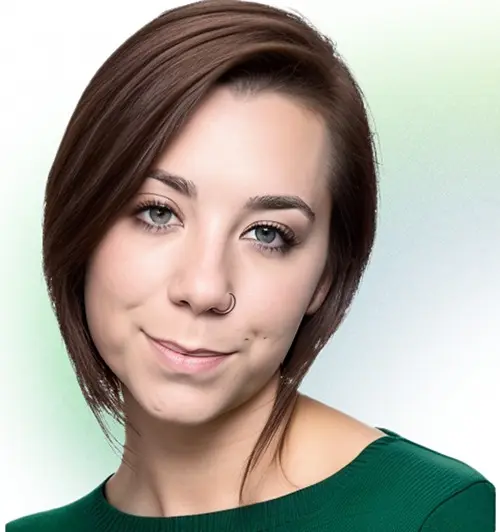
Primary Therapist

LegitScript has reviewed Tampa Bay Recovery Center as part of their certification program, and has determined that it meets the LegitScript standards for legality, safety and transparency.
LegitScript verified in

The Joint Commission, formerly known as JCAHO, is a nonprofit organization that accredits rehab organizations and programs. Founded in 1951, the Joint Commision's mission is to improve the quality of patient care and demonstrating the quality of patient care.
Joint Commission Accreditation: Yes

State Licenses are permits issued by government agencies that allow rehab organizations to conduct business legally within a certain geographical area. Typically, the kind of program a rehab facility offers, along with its physical location, determines which licenses are required to operate legally.
State License: Florida
Rehab.com regularly reviews this listing for accuracy but changes may occur between updates. For the most up-to-date information, please contact Tampa Bay Recovery Center.

6501 1st Ave S, St.
St Petersburg, FL 33707
Sponsored Helpline

Great place to achieve sobriety it has helped me tremendously.

Tampa Bay Recovery is great program who all want to help you and your Recovery , I highly recommend Tampa Bay Recovery if you are serious about Recovery they have all the resources to get back on your feet and structure while allowing you have freedom to go work and do leisure activities like go to the beach and meetings outside of group. Brandon , Curt, Jenn ,Toni, Dom, Kristin, Mia, and everyone that works here are all great people 10/10 recommend

If your serious about your recovery and are looking for the freedom to rebuild your life, this is the place. There was a waiting list to get a spot here and i can see why. The houses are clean and fresh. All of the staff are friendly and truly care about your recovery. You cant beat the location. St Pete is beautiful. I cant thank this place enough. It has truly changed my life.

Highly Reccomend Tampa bay recovery, From the moment you walk in the front door Brandon and Ashley Help you feel comfortable in your next step of recovery. They help with all of your paperwork so your main focus is your recovery.
 Back
Back
Sharing your insights and experiences can help others learn more about this rehab center.
 Written By: Susan Bertram
BA
Written By: Susan Bertram
BA