
































































































My nephew attended The Edge’s Mental Health sister program called The Forge, and I can’t express how grateful I am for the incredible staff and support he received. He frequently mentioned how kind and attentive the housing staff—especially Trevor, Joe, and Ann—were ...
About The Edge Treatment Center
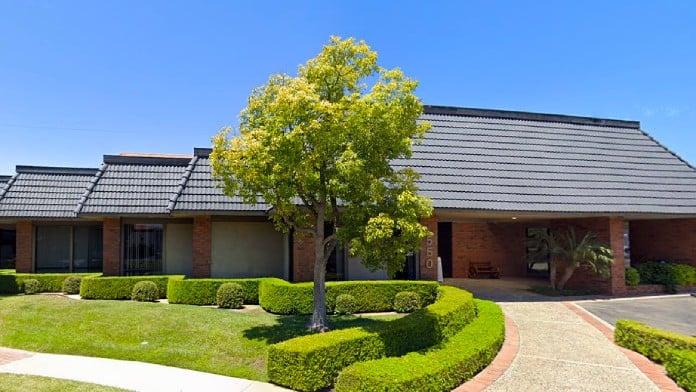
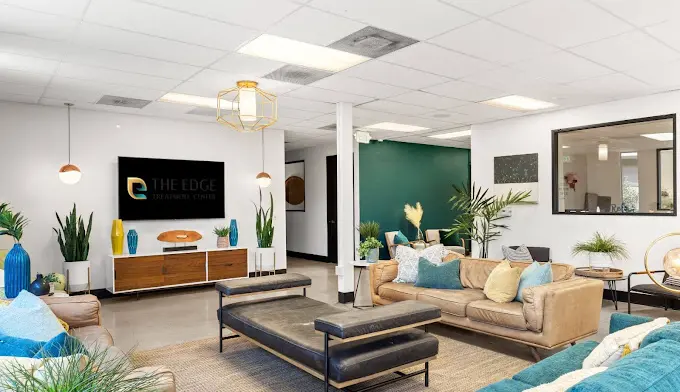
The Edge Treatment Center offers recovery programs for those dealing with substance use issues. Situated in Santa Ana, California, the facility is perfectly located to serve individuals throughout Orange County. With access to transportation and major highways like the 5 and 55 freeways, it provides a convenient option for people in the surrounding areas who are seeking support.
The facility specializes in working with clients who struggle with alcohol use, opioid addiction, methamphetamines and even inhalants. Utilizing evidence-based methods like cognitive behavioral therapy (CBT) and medication assisted treatment or MAT, they help clients manage withdrawal symptoms and triggers.
Dual Diagnosis Treatment
They don’t stop at treating addiction—The Edge also helps individuals dealing with mental health struggles like anxiety, depression, trauma, PTSD and mood disorders. Their trauma-informed care creates a safe space for clients to address past experiences that could be contributing to their addiction.
Flexible Programs That Fit Your Life
One specialty I appreciate about The Edge is how they understand that not everyone’s situation is the same. Their partial hospitalization program offers intensive treatment during the day while still giving clients the flexibility to return home at night. For those who need more flexibility, their intensive outpatient program allows clients to receive care while balancing work, family or school commitments.
Aftercare and Sober Living Support
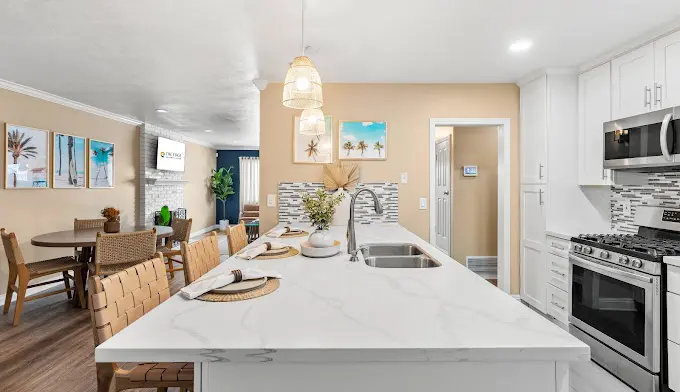
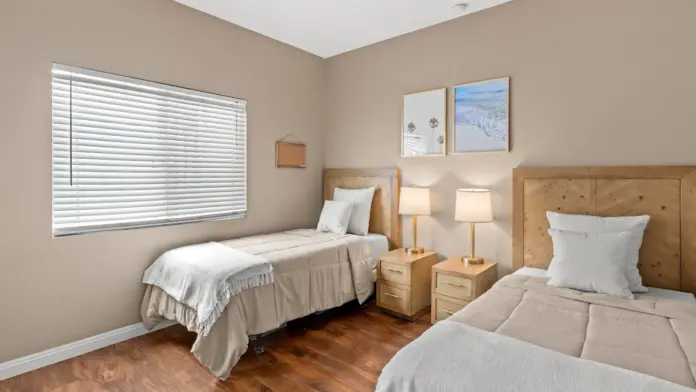
The facility offers sober living homes to help clients transition from treatment back into everyday life. These homes provide a supportive, drug- and alcohol-free atmosphere where people can build new, healthy habits and stay accountable in a community of others working through similar challenges. Plus, the center provides detailed aftercare planning to ensure that clients continue receiving support once they’ve left treatment.
Latest Reviews
What can I say about the edge? I called Rory and explain to him that my friend needed help and that he was in desperate need of treatment. My friend had asked me to help him and the only person I knew to reach out to was the first person I called. Surprised it was the edge. Needless to say my friends insurance did not cover the cost of him coming from a tiny Town in Texas all the way to Orange county california. However, Rory stayed on the phone with me and kept in touch with me and my friend and his mom. We had to jump through some hoops and some red tape. My friend used to be a Marine. He was diagnosed with a lot of different types of things. Rory literally held my hand over the phone as we walked through this journey. We finally got my friend to a rehab center in Texas. Rory had nothing to gain but everything to give. He showed us all compassion and Hope. He encouraged me whenever I felt stuck and I couldn't help my friend. However, to this day my friend is in a rehab in Texas getting well. He's being treated perfectly. The facility that he sent my friend to is perfect for him. He is still on the road to recovery but I know in my heart that it will stick.. the encounter that I had with this facility that my friend didn't even get to attend will be a lasting result of Total recovery. Thanks to the edge we finally have answers. Thanks to the edge my friend found the place that he needed to be and the help he needed. I genuinely am grateful and thankful and so is my friend's entire family. Without the edge coming in and helping us I don't know where we would be today. Amazing staff. They go above and beyond their call of duty for those who have been in the line of duty. I give five stars Plus on their services and their staff. I cannot say thank you enough.
Bethany Kraft from a little town in Texas
A great, and safe, place to be, to rest and to recover, filled with folks who genuinely seem to care about helping people. A rarity. I'm grateful that it is here for me while I figure out my next steps.
We are grateful for you as well and are always here for you.
Response from the owner1 week ago
Thank you, Rene.We are grateful for you as well and are always here for you.
Staff is amazing, Sergio has helped me with a lot!
You're amazing. Glad to be walking side by side with you on your recovery journey. You got this.
Response from the owner1 week ago
Thanks Tim.You're amazing. Glad to be walking side by side with you on your recovery journey. You got this.

Rehab Score
 Our Methodology
Scoring is assigned by a proprietary system which helps surface key metrics that determine quality. The 10-point scale factors in categories such as operations, customer satisfaction, and trust metrics. Read Full Methodology

7.8 / 10
Gallery

Accepted Insurance
Other Forms of Payment
Private insurance refers to any kind of healthcare coverage that isn't from the state or federal government. This includes individual and family plans offered by an employer or purchased from the Insurance Marketplace. Every plan will have different requirements and out of pocket costs so be sure to get the full details before you start treatment.
Self-pay involves paying for treatment out of your own pocket. You can use savings or credit, get a personal loan, or receive help from family and friends to fund your treatment. If you don't have insurance or your insurance plan doesn't cover a specific program, self-pay can help ensure you still get the care you need.
Addiction Treatments
Levels of Care
Outpatient Programs (OP) are for those seeking mental rehab or drug rehab, but who also stay at home every night. The main difference between outpatient treatment (OP) and intensive outpatient treatment (IOP) lies in the amount of hours the patient spends at the facility. Most of the time an outpatient program is designed for someone who has completed an inpatient stay and is looking to continue their growth in recovery. Outpatient is not meant to be the starting point, it is commonly referred to as aftercare.
Residential treatment programs are those that offer housing and meals in addition to substance abuse treatment. Rehab facilities that offer residential treatment allow patients to focus solely on recovery, in an environment totally separate from their lives. Some rehab centers specialize in short-term residential treatment (a few days to a week or two), while others solely provide treatment on a long-term basis (several weeks to months). Some offer both, and tailor treatment to the patient's individual requirements.
Intensive Outpatient programs are for those who want or need a very structured treatment program but who also wish to live at home and continue with certain responsibilities (such as work or school). IOP substance abuse treatment programs vary in duration and intensity, and certain outpatient rehab centers will offer individualized treatment programs. The Intensive Outpatient Program gives patients the chance to participate in a structured treatment plan part-time while they transition back to home and work or other responsibilities.
Sober living homes in California offers an intermediate sober environment that has less structure than inpatient rehab but more than typical home environments. This makes it a good option for those who have concerns about transitioning back to the "real world" after treatment. Residents can typically live at the halfway house as long as they want, if they are willing to follow house rules. These may include a curfew, chores, and maintaining a job.
During the first phase of recovery – detox – it is crucial to have 24-hour clinical care in California. This care provides constant monitoring in order to ensure your safely and comfort as you progress through the withdrawal process for drug or alcohol addiction. Licensed professionals prescribe medications to treat withdrawal symptoms and provide frequent monitoring to ensure your safely as addictive toxins leave your system.
Drug and alcohol addiction often takes a heavy toll on one’s body. Over time, a physical dependence can develop, meaning the body physiologically needs the substance to function. Detox is the process of removing drugs and/or alcohol from the body, a process that can be lethal if mismanaged. Medical detox is done by licensed medical professionals who monitor vital signs and keep you safe, healthy, and as comfortable as possible as you go through detox and withdrawal.
Programs
Adult rehab programs include therapies tailored to each client's specific needs, goals, and recovery progress. They are tailored to the specific challenges adult clients may face, including family and work pressures and commitments. From inpatient and residential treatment to various levels of outpatient services, there are many options available. Some facilities also help adults work through co-occurring conditions, like anxiety, that can accompany addiction.
Clinical Services
Cognitive behavioral therapy in California is a method that therapists often use for the effective treatment of substance use disorders. It is based on the principle that substance abuse stems from unhelpful ways of thinking and patterns of behavior, which can be changed by helping the individual learn better ways of coping.
While participating in dialectical behavior therapy in California, you'll focus on four key areas of skill development: mindfulness, interpersonal effectiveness, emotion regulation, and distress tolerance. Treatment includes weekly individual and group sessions.
During group therapy, men and women learn to express their emotions openly in a non judgmental setting. This helps you process your feelings and reduces feelings of social isolation that are often associated with addiction.
Individual therapy for drug addiction includes a customized treatment plan that considers your history and life circumstances. During your therapy sessions, the therapist helps you uncover underlying issues and triggers for addictive behavior that support a holistic approach to recovery.
 Eye Movement Desensitization And Reprocessing
Family therapy offers a platform for members to have an open dialogue about the challenges that addiction has placed on the family unit. Through guided sessions, therapists can help families develop healthy communication skills and address unresolved issues. By working together toward a common goal, they help to support their loved one's sobriety.
While in rehab treatment, you may work on developing various life skills to help you in long term recovery. These may include resilience, interpersonal skills, and self awareness. The focus will be on developing healthy habits for self care and relationships so you have the skills you need to manage day to day life.
The use of experiential therapy can be helpful for the treatment of behavioral disorders, including drug and alcohol addiction. This method teaches you how to release negative emotions and cope with pain from the past. Activities such as art, music, and animal care are used to facilitate this process.
Staff & Accreditations
Staff
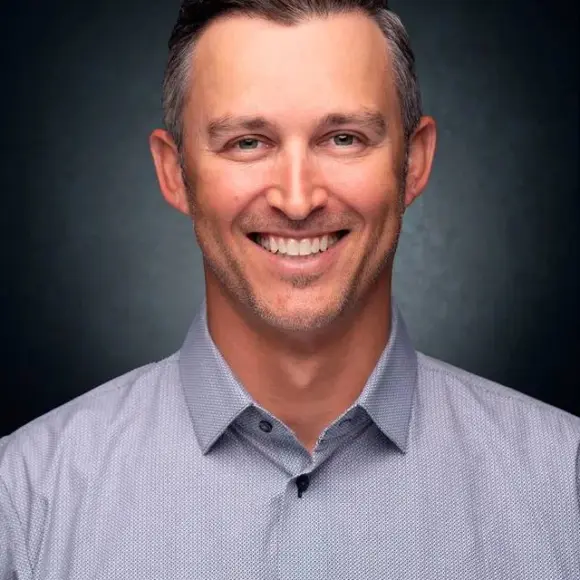
Dr. Daniel Inglish, DO
Medical Director
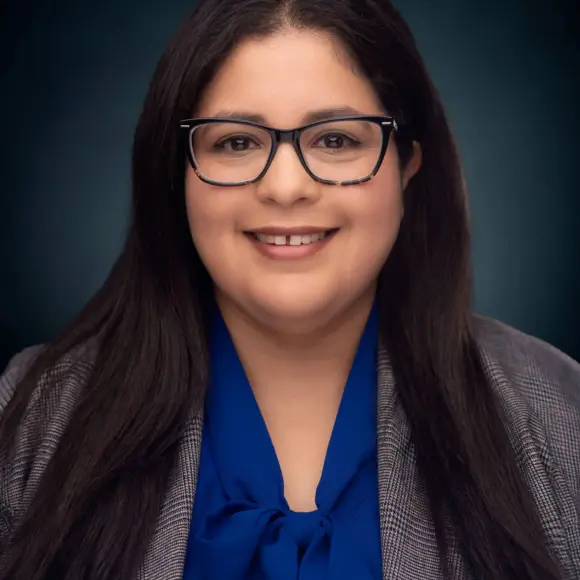
Alejandrina Perez
Clinical Director
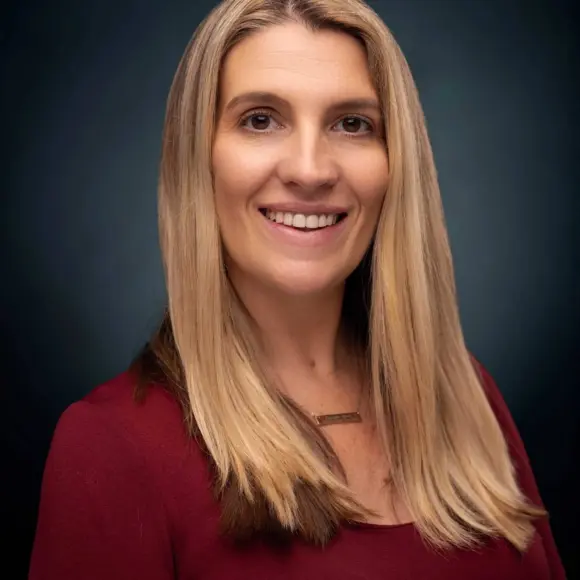
Cari Holler
Program Director
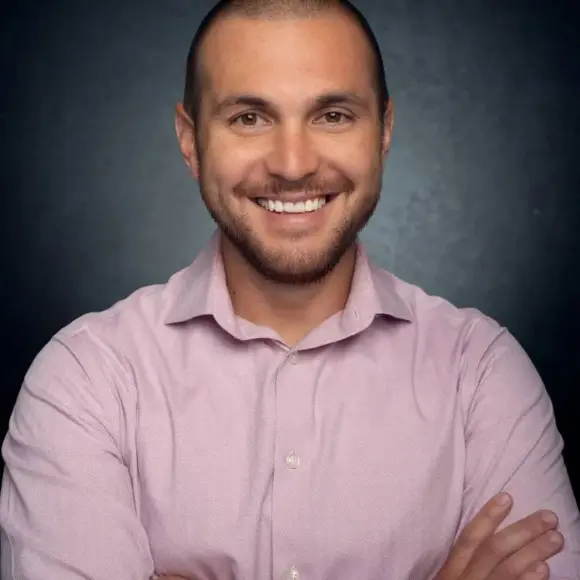
Rory Namimatsu
Admissions Director
Accreditations

LegitScript has reviewed The Edge Treatment Center as part of their certification program, and has determined that it meets the LegitScript standards for legality, safety and transparency.
LegitScript verified in

The Joint Commission, formerly known as JCAHO, is a nonprofit organization that accredits rehab organizations and programs. Founded in 1951, the Joint Commision's mission is to improve the quality of patient care and demonstrating the quality of patient care.
Joint Commission Accreditation: Yes
Rehab.com regularly reviews this listing for accuracy but changes may occur between updates. For the most up-to-date information, please contact The Edge Treatment Center.
Contact Information

550 N Golden Cir Dr
Suite A
Santa Ana, CA 92705
Get Help Now - 714-450-6763
Sponsored Helpline
Sponsored Helpline


