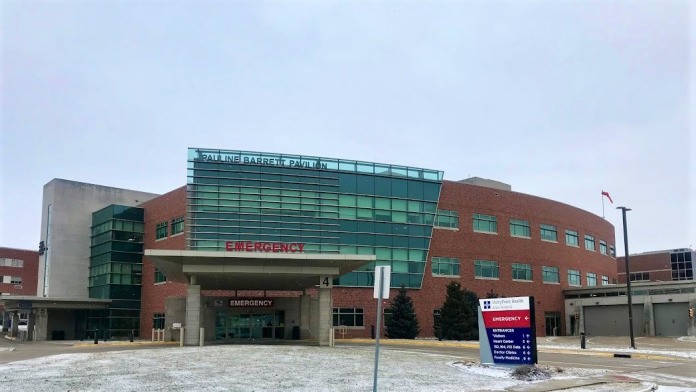
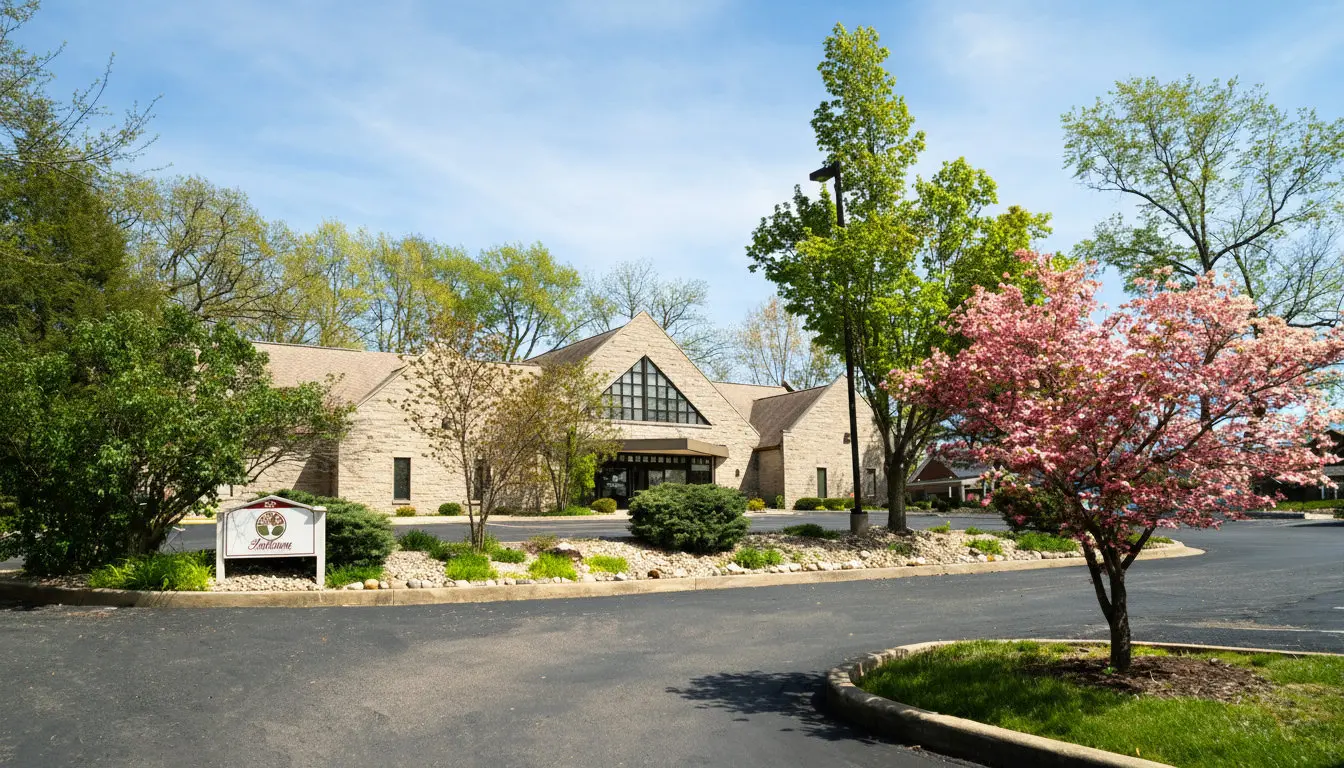
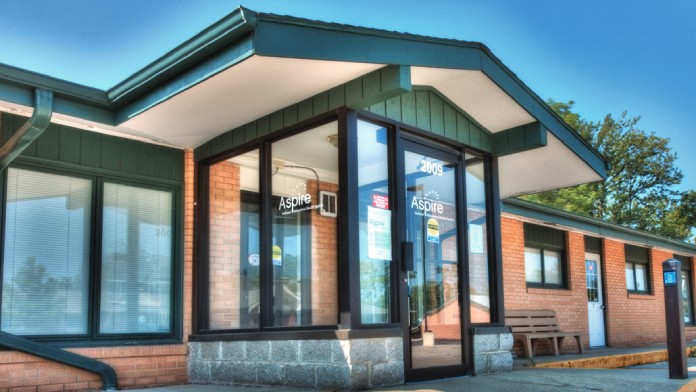
No security guards, that makes me uneasy. After 9/11, hospital security is a MUST. The ICU doctor was dismissive, rude, and extremely uninterested in helping me and my family
About Allen Hospital Counseling Center and EAP
Allen Hospital Counseling Center and EAP is part of the UnityPoint Health network of integrated care centers. It’s situated at Waterloo within Black Hawk County in Iowa. This network of clinics serves nearly eight million people annually across Iowa, western Illinois and southern Wisconsin. They provide safe, customized and coordinated care that fosters improved wellbeing among residents of the community where they serve.
Hope and Healing in Downtown Waterloo/h3>
The location is part of a small urban setting close to downtown Waterloo and just a mile southeast of Riverfront Stadium & Waterloo Riverwalk. They may extend services to nearby Cedar Falls, Waverly and Cedar Rapids. MET Transit operates bus routes in Waterloo with stops near the location. This makes access easy. Rideshare like Uber is available as well.
Employee Assistance Program for Long Term Success
Something unique that the facility offers is an Employee Assistance Program or EAP. This program supports employees dealing with personal or work related challenges. This may range from substance use issues and anger management to job stress, anxiety and depression. Allen Hospital EAP offers confidential assessment, short-term counseling and referrals to treatment programs when necessary. Their EAP counseling for substance use may involve individual or group sessions. Proven methods like cognitive behavioral therapy and motivational interviewing may be used to help employees recognize problematic substance use and develop healthier coping strategies.
You’ll develop skills to manage anger, work stress, family conflict and trauma, which may play a role in your substance use. Emphasis is placed on providing early intervention, reducing workplace impact and connecting you to further treatment if needed. Allen Hospital EAP is staffed by friendly experts who can guide you through the process of recovery. The cost of EAP services is normally paid by your employer.
Latest Reviews
Rehab Score
Gallery
Accepted Insurance
Other Forms of Payment
Self-pay involves paying for treatment out of your own pocket. You can use savings or credit, get a personal loan, or receive help from family and friends to fund your treatment. If you don't have insurance or your insurance plan doesn't cover a specific program, self-pay can help ensure you still get the care you need.
Medicaid is a state based program that helps lower-income individuals and families pay for healthcare. Medicaid covers addiction treatment so those enrolled can use their coverage to pay for rehab. When a program accepts Medicaid the client often pays very little or nothing out of their own pocket.
Medicare is a federal program that provides health insurance for those 65 and older. It also serves people under 65 with chronic and disabling health challenges. To use Medicare for addiction treatment you need to find a program that accepts Medicare and is in network with your plan. Out of pocket costs and preauthorization requirements vary, so always check with your provider.
Military members, veterans, and eligible dependents have access to specific insurance programs that help them get the care they need. TRICARE and VA insurance can help you access low cost or no cost addiction and mental health treatment. Programs that accept military insurance often have targeted treatment focused on the unique challenges military members, veterans, and their families face.
Addiction Treatments
Levels of Care
Outpatient Programs (OP) are for those seeking mental rehab or drug rehab, but who also stay at home every night. The main difference between outpatient treatment (OP) and intensive outpatient treatment (IOP) lies in the amount of hours the patient spends at the facility. Most of the time an outpatient program is designed for someone who has completed an inpatient stay and is looking to continue their growth in recovery. Outpatient is not meant to be the starting point, it is commonly referred to as aftercare.
Clients in inpatient rehab reside at the treatment facility for the duration of the program, which may range from two weeks to more than 18 months, depending on unique needs and the program's design. Inpatient treatment typically consists of extensive addiction counseling, which may include CBT, DBT, RBT, and motivational interviewing. Clients may also engage in recovery-focused life skills training and/or evidence-based complementary therapies, such as massage, meditation, and experiential therapy.
Rehab aftercare programs support clients' reintegration into their home, workplace, and community following inpatient and residential treatment. They also promote long-term recovery for clients who may no longer be receiving outpatient treatment. Rehab aftercare services encompass a wide range of modalities and often include various medical, mental health, and social service programs. Case managers and care teams develop clients' customized service plans based on the client's evolving needs and recovery goals.
Treatments
The goal of treatment for alcoholism is abstinence. Those with poor social support, poor motivation, or psychiatric disorders tend to relapse within a few years of treatment. For these people, success is measured by longer periods of abstinence, reduced use of alcohol, better health, and improved social functioning. Recovery and Maintenance are usually based on 12 step programs and AA meetings.
Drug rehab in Iowa is available in many formats. A variety of inpatient and outpatient options provide programs that are tailored to individual needs, making recovery possible for everyone.
A combined mental health and substance abuse rehab has the staff and resources available to handle individuals with both mental health and substance abuse issues. It can be challenging to determine where a specific symptom stems from (a mental health issue or an issue related to substance abuse), so mental health and substance abuse professionals are helpful in detangling symptoms and keeping treatment on track.

Opioid rehabs specialize in supporting those recovering from opioid addiction. They treat those suffering from addiction to illegal opioids like heroin, as well as prescription drugs like oxycodone. These centers typically combine both physical as well as mental and emotional support to help stop addiction. Physical support often includes medical detox and subsequent medical support (including medication), and mental support includes in-depth therapy to address the underlying causes of addiction.

Programs
Adult rehab programs include therapies tailored to each client's specific needs, goals, and recovery progress. They are tailored to the specific challenges adult clients may face, including family and work pressures and commitments. From inpatient and residential treatment to various levels of outpatient services, there are many options available. Some facilities also help adults work through co-occurring conditions, like anxiety, that can accompany addiction.
Young adulthood can be an exciting, yet difficult, time of transition. Individuals in their late teens to mid-20s face unique stressors related to school, jobs, families, and social circles, which can lead to a rise in substance use. Rehab centers with dedicated young adult programs will include activities and amenities that cater to this age group, with an emphasis on specialized counseling, peer socialization, and ongoing aftercare.
Clinical Services
Group therapy is any therapeutic work that happens in a group (not one-on-one). There are a number of different group therapy modalities, including support groups, experiential therapy, psycho-education, and more. Group therapy involves treatment as well as processing interaction between group members.
In individual therapy, a patient meets one-on-one with a trained psychologist or counselor. Therapy is a pivotal part of effective substance abuse treatment, as it often covers root causes of addiction, including challenges faced by the patient in their social, family, and work/school life.

Research clearly demonstrates that recovery is far more successful and sustainable when loved ones like family members participate in rehab and substance abuse treatment. Genetic factors may be at play when it comes to drug and alcohol addiction, as well as mental health issues. Family dynamics often play a critical role in addiction triggers, and if properly educated, family members can be a strong source of support when it comes to rehabilitation.
Amenities
-
Private Setting
Staff
Scott Kizer
President & CEO
Sarah Brown
Chief Nursing Officer
Pamela K. Delagardelle
COO
Mike Heinrich
CFO
Dr. Gregory R. Johnson, MD, SFHM, FAAFP, FACP
Chief Medical Officer
Jessica Meisner, SPHR
Chief Administrative Officer
Josh Rehmann, DO
Chief Medical Officer
Contact Information
212 W Dale St
Ste 100
Waterloo, IA 50703