





























































































Don't go here unless you want to be called a drug addict by a foreign doctor and be told your a liar and a manipulative person seeking drugs ...foreign doctors have no compassion and don't care go work at a Sunoco where you belong I don't care shouldn't of called me names wh ...
About WellSpan Philhaven
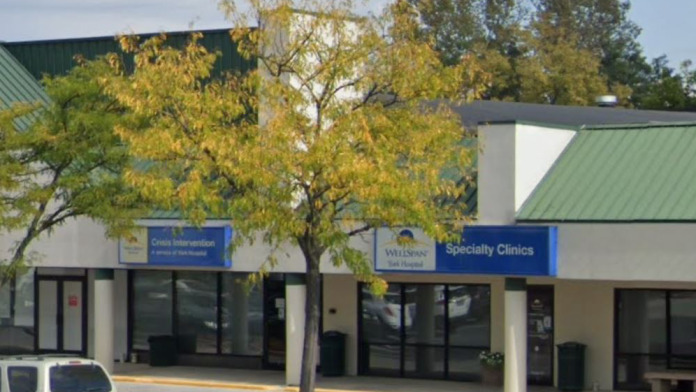
Located in York, Pennsylvania is the WellSpan Philhaven Clinic. This is a clinic that supports adults and adolescents who are struggling with behavioral health challenges. Whether you need help with your mental health, counseling for addiction recovery, or general counseling services for life’s challenges, you’ll find that type of wraparound support here.
Struggles with dependence on alcohol, opioids, and nicotine are targeted through intentional addiction counseling here at the WellSpan Philhaven clinic. Services are offered in an outpatient setting and you’ll work one-on-one with trained and licensed counselors. This team will help you understand how to overcome the challenges you’re facing through tangible, relevant recovery strategies.
Addiction Counseling and Crisis Support
Through one on one counseling sessions, you’ll work with a licensed therapist to not only address the symptoms of your substance use struggles but to also narrow down the root cause of why you have turned to substance use in the first place.
You’ll find that the care team here is incredibly supportive and there are different providers that you can choose from. This allows you to find the right mental health professional who understands the unique challenges and life experiences you’re navigating.
MAT and Evidence Based Treatment in York, PA
You’ll be supported by services that are rooted in evidence based practices here. Among these services are medication assisted treatment, addiction counseling, and cognitive behavioral therapy to help target triggers and stressors that have led you to use substances in the first place.
Personal Growth and Holistic Recovery
Through thoughtful counseling with a dedicated therapist, you get a clearer road map of how to make certain life changes that will support a sober lifestyle.
Whether it’s understanding how to set boundaries or how to navigate compromising circumstances that might lead to relapse, you’ll build the skills you need for success.
There are also targeted family support services that help your loved ones understand how to best support you as well.
Latest Reviews
I came here for my new employee screening and cannot say enough good things about Ny and Nyeisha. So incredibly professional, friendly, accommodating and wonderful. They were incredible and so sensitive to my fear of giving blood. Both of these ladies made me feel so comfortable and at ease. 10/10 stars!
I've been going there for 20 years almost. I take Abilify the medicine and it's helped me out a lot. I'm generally open up about to the nurses that give me my medicine every month.
My first appointment at this facility was with dr. Attiya Kidwai and my experience with her was not good whatsoever I felt as though she was annoyed and she wasn’t nice. So immediately when it was time to schedule my next appointment I decided to change to a nurse practitioner, Mary bowling and she is the best mental health professional I have ever worked with. I have been with her for a little over a year now and I wouldn’t change it for the world NP are able to get you in quicker as they normally don’t have as many patients. She did switch to online now though. Also to note a few weeks ago I had a old friend reach out to me and she also said she had
Dr. Attiya kidwai and was super upset and i recommended her Mary bowling so that is what I am doing here.

Rehab Score
 Our Methodology
Scoring is assigned by a proprietary system which helps surface key metrics that determine quality. The 10-point scale factors in categories such as operations, customer satisfaction, and trust metrics. Read Full Methodology

5.6 / 10
Gallery
Accepted Insurance

Evercare
Geisinger
InterGroup
Johns Hopkins Health Plans (JHHP)
Preferred Health Care
Other Forms of Payment
Private insurance refers to any kind of healthcare coverage that isn't from the state or federal government. This includes individual and family plans offered by an employer or purchased from the Insurance Marketplace. Every plan will have different requirements and out of pocket costs so be sure to get the full details before you start treatment.
Self-pay involves paying for treatment out of your own pocket. You can use savings or credit, get a personal loan, or receive help from family and friends to fund your treatment. If you don't have insurance or your insurance plan doesn't cover a specific program, self-pay can help ensure you still get the care you need.
Medicare is a federal program that provides health insurance for those 65 and older. It also serves people under 65 with chronic and disabling health challenges. To use Medicare for addiction treatment you need to find a program that accepts Medicare and is in network with your plan. Out of pocket costs and preauthorization requirements vary, so always check with your provider.
Medicaid is a state based program that helps lower-income individuals and families pay for healthcare. Medicaid covers addiction treatment so those enrolled can use their coverage to pay for rehab. When a program accepts Medicaid the client often pays very little or nothing out of their own pocket.
Military members, veterans, and eligible dependents have access to specific insurance programs that help them get the care they need. TRICARE and VA insurance can help you access low cost or no cost addiction and mental health treatment. Programs that accept military insurance often have targeted treatment focused on the unique challenges military members, veterans, and their families face.
Addiction Treatments
Levels of Care
Outpatient Programs (OP) are for those seeking mental rehab or drug rehab, but who also stay at home every night. The main difference between outpatient treatment (OP) and intensive outpatient treatment (IOP) lies in the amount of hours the patient spends at the facility. Most of the time an outpatient program is designed for someone who has completed an inpatient stay and is looking to continue their growth in recovery. Outpatient is not meant to be the starting point, it is commonly referred to as aftercare.
Intensive Outpatient Programs (IOP) are for those who want or need a very structured treatment program but who also wish to live at home and continue with certain responsibilities (such as work or school). IOP substance abuse treatment programs vary in duration and intensity, and certain outpatient rehab centers will offer individualized treatment programs.
Clients receiving services from a rehab aftercare program are usually stable and in the maintenance phase of recovery, having completed detox and/or intensive inpatient treatment. Rehab aftercare services can vary widely based on clients' individual and evolving needs, but often include peer coaching, relapse prevention support, 12 step program induction, and medical, mental health, and social service referrals. Individual care plans are typically developed by the client in partnership with their case manager and care team.
Drug and alcohol addiction often takes a heavy toll on one's body. Over time, a physical dependence can develop, meaning the body physiologically needs the substance to function. Detox is the process of removing drugs and/or alcohol from the body, a process that can be lethal if mismanaged. Medical detox is done by licensed medical professionals who monitor vital signs and keep you safe, healthy, and as comfortable as possible as you go through detox and withdrawal.
Treatments
The goal of treatment for alcoholism is abstinence. Those with poor social support, poor motivation, or psychiatric disorders tend to relapse within a few years of treatment. For these people, success is measured by longer periods of abstinence, reduced use of alcohol, better health, and improved social functioning. Recovery and Maintenance are usually based on 12 step programs and AA meetings.
Drug rehab in Pennsylvania is devoted to the treatment of addiction. Levels of care, treatment methods, and settings differ, but the aim of each program is to end drug dependency and empower participants to achieve long-term recovery.
Many of those suffering from addiction also suffer from mental or emotional illnesses like schizophrenia, bipolar disorder, depression, or anxiety disorders. Rehab and other substance abuse facilities treating those with a dual diagnosis or co-occurring disorder administer psychiatric treatment to address the person's mental health issue in addition to drug and alcohol rehabilitation.
A combined mental health and substance abuse rehab has the staff and resources available to handle individuals with both mental health and substance abuse issues. It can be challenging to determine where a specific symptom stems from (a mental health issue or an issue related to substance abuse), so mental health and substance abuse professionals are helpful in detangling symptoms and keeping treatment on track.
Opioid rehabs specialize in supporting those recovering from opioid addiction. They treat those suffering from addiction to illegal opioids like heroin, as well as prescription drugs like oxycodone. These centers typically combine both physical as well as mental and emotional support to help stop addiction. Physical support often includes medical detox and subsequent medical support (including medication), and mental support includes in-depth therapy to address the underlying causes of addiction.
Programs
Adult rehab programs include therapies tailored to each client's specific needs, goals, and recovery progress. They are tailored to the specific challenges adult clients may face, including family and work pressures and commitments. From inpatient and residential treatment to various levels of outpatient services, there are many options available. Some facilities also help adults work through co-occurring conditions, like anxiety, that can accompany addiction.
Young adulthood can be an exciting, yet difficult, time of transition. Individuals in their late teens to mid-20s face unique stressors related to school, jobs, families, and social circles, which can lead to a rise in substance use. Rehab centers with dedicated young adult programs will include activities and amenities that cater to this age group, with an emphasis on specialized counseling, peer socialization, and ongoing aftercare.
Serving in the military is both mentally and physically challenging, and can result in trauma that persists even after combat ends. Military programs are tailored to the specific and often complex needs of active duty personnel, veterans, and military families. Clients often access these programs through the U.S. Department of Veterans Affairs (VA).
Clinical Services
Cognitive behavioral therapy (CBT) in Pennsylvania can be helpful to individuals who are experiencing substance use disorder and various mental health conditions. It helps you identify damaging thought and behavior patterns and replace them with healthy ones.
Dialectical behavior therapy in Pennsylvania is an evidence based technique that involves group therapy, individual therapy, and phone coaching. Group sessions focus on learning behavioral skills. Individual therapy gives you the opportunity to apply what you're learning to your personal situations. Phone coaching allows you to call your therapist during the week for help with challenging situations.
Group therapy is any therapeutic work that happens in a group (not one-on-one). There are a number of different group therapy modalities, including support groups, experiential therapy, psycho-education, and more. Group therapy involves treatment as well as processing interaction between group members.
Personalized therapy sessions in Pennsylvania typically include a safe and nonjudgmental setting in which you can express your deepest emotions and feelings and explore the factors that have contributed to addiction. Therapists tailor the sessions to help you develop healthier thought patterns and behaviors, which improve your self control and build a foundation for your long term sobriety.
Motivational interviewing in Pennsylvania gives you the opportunity to share your perspective and explore your ideas and motivation for change. Your therapist will walk you through the four steps of engaging, focusing, evoking, and planning to empower you to make any desired changes in your life.
It is important to process the impact that traumatic experiences have had on your life. During trauma therapy, you and an experienced therapist confront these experiences and the emotional impact it is had. This helps to reduce your symptoms of stress and anxiety and improve your overall mental health and well being.
Couples therapy in Pennsylvania is typically short term treatment that focuses on building skills that lead to positive long term relationship changes. Sessions with the therapist may occur both jointly and individually.
Staff
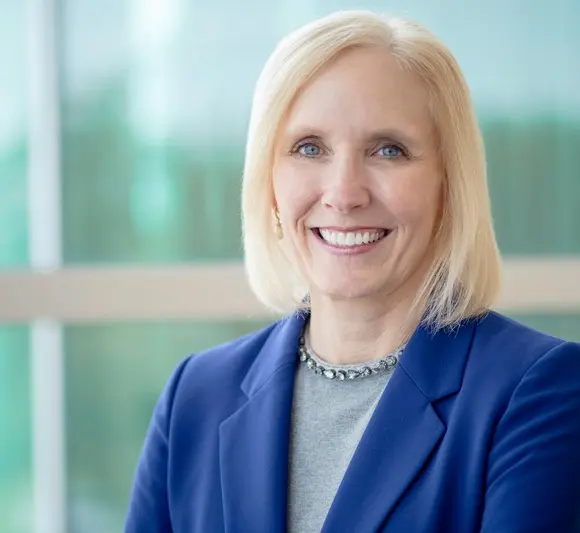
Roxanna L. Gapstur, PhD, RN
President & CEO

Anthony Aquilina, DO
Executive VP & Chief Physician Executive
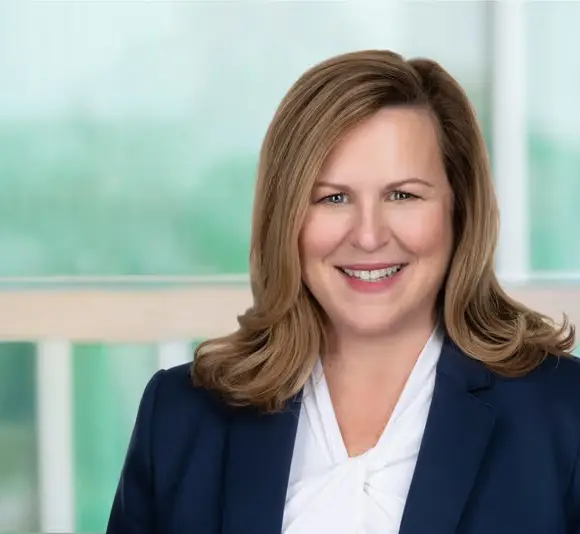
Laura Buczkowski
Executive VP & CFO
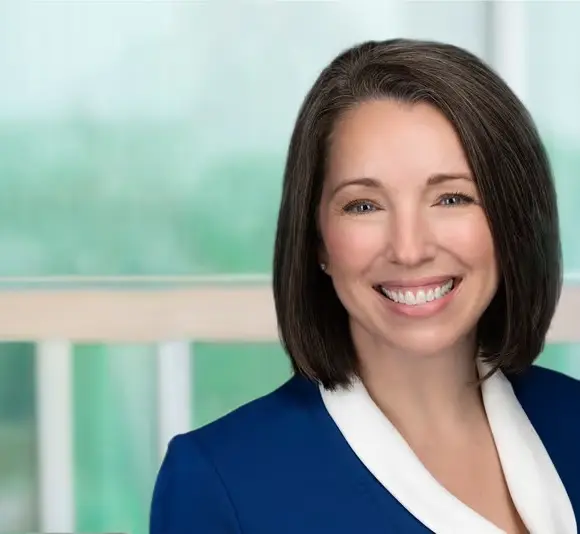
Kasey Paulus
Executive VP & COO
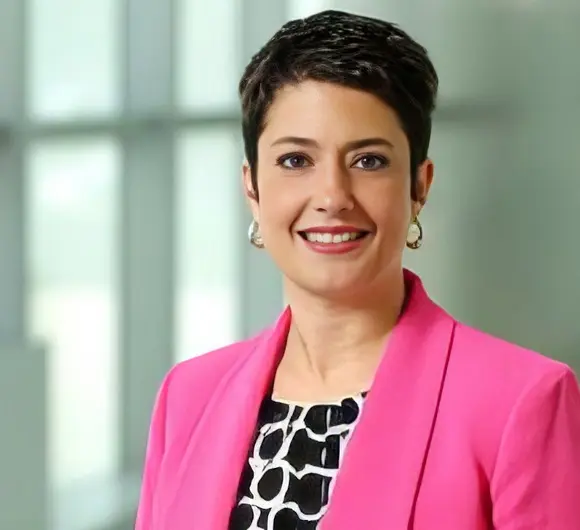
Cynthia Fruitrail
Executive VP & Chief Strategy Officer
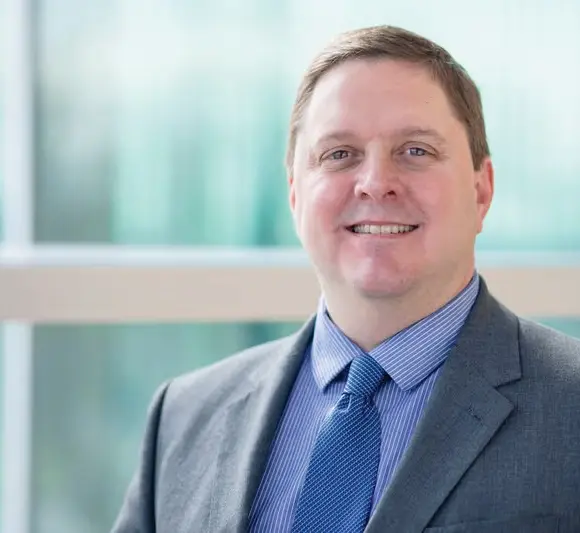
David Vega, MD
Senior VP & Chief Medical Officer
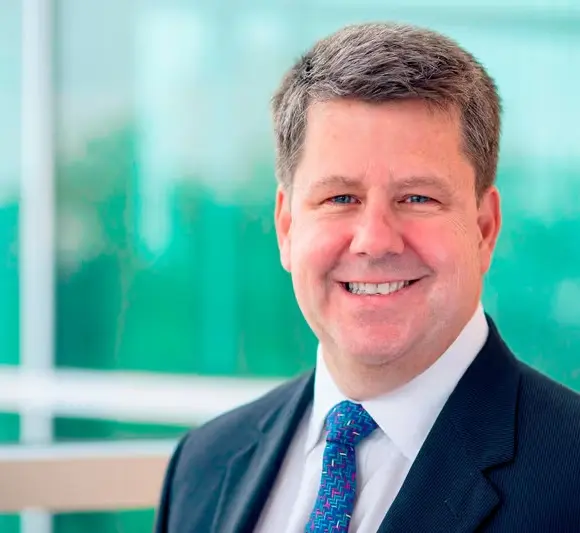
R. Hal Baker, MD
Senior VP, Chief Digital & CIO
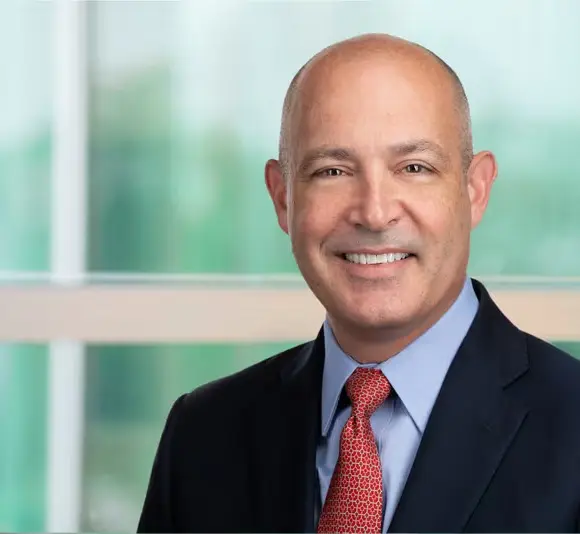
Aaron Gillingham
Senior VP & Chief People Officer
Rehab.com regularly reviews this listing for accuracy but changes may occur between updates. For the most up-to-date information, please contact WellSpan Philhaven.
Contact Information

1101 Edgar Street
Suite A
York, PA 17403
Get Help Now - 717-287-9194
Sponsored Helpline
Sponsored Helpline


