





























































































My son was mistreated in this place and the staff did nothing to make him feel better, really this place was just a big waste of time, now my son is worse than how he entered this place, thanks for nothing, the administrators should do something with the lack of quality in t ...
About Yale – Psychiatric Hospital
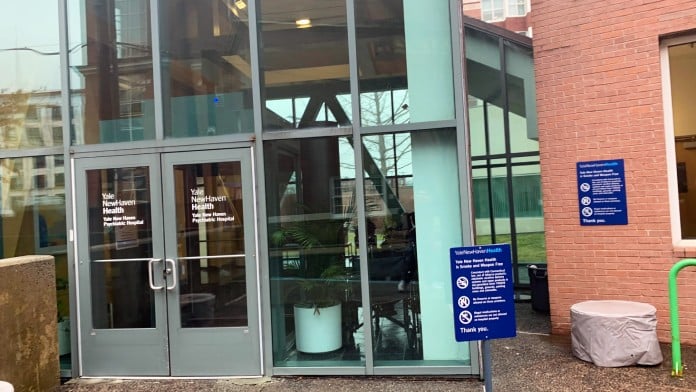
Yale – Psychiatric Hospital is a mental health facility located in New Haven, Connecticut. They provide treatment to people with mental health conditions and those who have co-occurring psychiatric issues and substance use disorders. They provide medication management if you need it for medical or psychiatric conditions.
The inpatient facility treats both adults and adolescents. Adults and teens have separate living areas and group sessions.
Acute Program
Inpatient services are offered on a short-term acute basis. They will give you a comprehensive exam to evaluate your psychological and physical health. You will be assigned a case manager who will follow your progress throughout your stay. The team that will treat you consists of medical doctors and mental health specialists, as well as recreational and occupational therapists.
Their group therapy focuses on psychoeducation and helping you understand the reasons for your mental health issues and substance use. These sessions will help you learn coping mechanisms for dealing with stressful situations and alternatives to using drugs or alcohol.
Alternative Therapy
In addition to evidence-based therapy, they also offer religious services and peer support groups such as 12 Step meetings. The recreational therapist may lead group game sessions or art projects. You may also enjoy group hikes or meditation sessions.
Electroconvulsive Therapy
If medication for psychiatric conditions has not worked for you in the past, they may use electroconvulsive therapy to treat you if you have depression or bipolar disorder. The electrical current used in this treatment is thought to change brain chemistry. You will normally receive this treatment over the course of several sessions.
Latest Reviews
Frequency of sexual problems associated with the 5 most frequently prescribed medications (fluoxetine, paroxetine, sertraline, citalopram, venlafaxine): 57% of patients experienced a decrease in libido, 57% a delay in orgasm or ejaculation, 46% an absence of orgasm or ejaculation, and 31% erectile dysfunction or insufficient vaginal lubrication. The agency acknowledges that SSRIs increase the rate of spontaneous miscarriages and multiply the risk of pulmonary hypertension fivefold. Pulmonary hypertension affects 6 to 12 newborns per 1,000 and is a life-threatening emergency.
American studies have shown that antipsychotics double the risk of sudden cardiac death in a dose-dependent manner. They can also cause falls and hip fractures due to orthostatic hypotension, sedation, and loss of consciousness. They also increase the risk of stroke. Antipsychotics can also lead to addiction to tobacco and alcohol, because nicotine and alcohol increase dopamine release, thus compensating for the drug-induced dopamine decrease. Mood stabilizers are antiepileptics that, far from stabilizing mood, suppress emotional reactions through an anesthetic and sedative effect. Psychiatrists have never precisely defined this term. It is therefore not surprising that doctors believe antiepileptics work against mania, since anything that dulls the senses promotes its onset. Psychotropic drugs are far more dangerous than the doctors who prescribe them would have you believe. I am convinced that most people would never take psychotropic drugs if they knew how dangerous they are, and I am equally convinced that most doctors would stop prescribing them if they had the slightest idea of their harmful effects.
In 2003, the FDA added a warning about an increased risk of stroke to the US product information for risperidone. The same warning appeared for olanzapine in 2004 and for aripiprazole in 2005. Goodbye. No guarantees. Good luck.
Hi I was at the kids unit/I was born in 2012 so ye anyway IT WAS SO FUN!!. I MADE SO-MANY FRIENDS THERE, I MADE SOME STAFF-FRIENDS, WE PLAYED FUN GAMES AND IT WAS SOOOOO FUN!!!!!!!!!!!!!!!. AND, YOU CAN HAVE PIZZA EVERY NIGHT.
Gave the help I needed, not that I wanted. Never want to go back.
But thats the point. Its a mental hospital. You're not supposed to want to go back.

Rehab Score
 Our Methodology
Scoring is assigned by a proprietary system which helps surface key metrics that determine quality. The 10-point scale factors in categories such as operations, customer satisfaction, and trust metrics. Read Full Methodology

6.5 / 10
Gallery
Accepted Insurance

EmblemHealth
AllWays Health Partners
ConnectiCare
Oxford Health Plans
PHCS (Private Healthcare Systems)
Other Forms of Payment
Medicaid is a state based program that helps lower-income individuals and families pay for healthcare. Medicaid covers addiction treatment so those enrolled can use their coverage to pay for rehab. When a program accepts Medicaid the client often pays very little or nothing out of their own pocket.
Private insurance refers to any kind of healthcare coverage that isn't from the state or federal government. This includes individual and family plans offered by an employer or purchased from the Insurance Marketplace. Every plan will have different requirements and out of pocket costs so be sure to get the full details before you start treatment.
Self-pay involves paying for treatment out of your own pocket. You can use savings or credit, get a personal loan, or receive help from family and friends to fund your treatment. If you don't have insurance or your insurance plan doesn't cover a specific program, self-pay can help ensure you still get the care you need.
Financial aid can take many forms. Centers may have grants or scholarships available to clients who meet eligibility requirements. Programs that receive SAMHSA grants may have financial aid available for those who need treatment as well. Grants and scholarships can help you pai for treatment without having to repay.
Medicare is a federal program that provides health insurance for those 65 and older. It also serves people under 65 with chronic and disabling health challenges. To use Medicare for addiction treatment you need to find a program that accepts Medicare and is in network with your plan. Out of pocket costs and preauthorization requirements vary, so always check with your provider.
Military members, veterans, and eligible dependents have access to specific insurance programs that help them get the care they need. TRICARE and VA insurance can help you access low cost or no cost addiction and mental health treatment. Programs that accept military insurance often have targeted treatment focused on the unique challenges military members, veterans, and their families face.
Private insurance refers to any kind of healthcare coverage that isn't from the state or federal government. This includes individual and family plans offered by an employer or purchased from the Insurance Marketplace. Every plan will have different requirements and out of pocket costs so be sure to get the full details before you start treatment.
Addiction Treatments
Levels of Care
Residential treatment programs are those that offer housing and meals in addition to substance abuse treatment. Rehab facilities that offer residential treatment allow patients to focus solely on recovery, in an environment totally separate from their lives. Some rehab centers specialize in short-term residential treatment (a few days to a week or two), while others solely provide treatment on a long-term basis (several weeks to months). Some offer both, and tailor treatment to the patient's individual requirements.
A partial hospitalization program (PHP) offers short-term intensive rehab for those who don't require 24-hour care. PHP treatment can serve as an alternative to inpatient hospitalization or a step-down option after being released from a hospital or residential program. A partial hospitalization program can provide medication management, relapse prevention strategies, and behavioral therapy interventions. With daily sessions lasting up to 8 hours for up to 5 days a week, the duration can vary with the average being 90 days.
Intensive outpatient programs (IOP) offer robust support for clients who are at an elevated risk of relapse, including those in early recovery and those in crisis. Clients in intensive outpatient treatment typically receive between nine and 20 hours of service per week, with the intensity and frequency of treatment decreasing as clients stabilize. The services provided in these programs vary, but generally include addiction counseling, recovery-focused life skills training, medication assisted treatment (MAT), and holistic therapies.
Outpatient rehabs offer a wide variety of therapeutic programs to address clients' unique and evolving needs. They are generally most effective for clients who have completed inpatient treatment and are medically stable. Most outpatient treatment centers prioritize addiction counseling and recovery-focused life skills training. Many also provide medication assisted treatment (MAT) for clients in alcohol and opioid recovery. Evening, night, and weekend sessions are commonly offered to accommodate clients' schedules.
Treatments
Many of those suffering from addiction also suffer from mental or emotional illnesses like schizophrenia, bipolar disorder, depression, or anxiety disorders. Rehab and other substance abuse facilities treating those with a dual diagnosis or co-occurring disorder administer psychiatric treatment to address the person's mental health issue in addition to drug and alcohol rehabilitation.
Mental health rehabs focus on helping individuals recover from mental illnesses like bipolar disorder, clinical depression, anxiety disorders, schizophrenia, and more. Mental health professionals at these facilities are trained to understand and treat mental health issues, both in individual and group settings.
If the body experiences withdrawal symptoms in the absense of alcohol, they are considered alcohol dependent. This is one of the defining characteristics of alcoholism, also knosn as alcohol use disorder (AUD). If a person has reached this state, they typically need professional treatment to recover. Alcohol rehab in Connecticut can provide a safe, supervised detox to withdraw from alcohol, followed by inpatient or outpatient rehab, then a maintenance program.
Drug rehab in Connecticut provides the professional support that is often necessary to break free from drug dependency. With proper treatment, individuals can make changes that restore balance and health to their lives and achieve long-term recovery.
 Opioid Addiction
In Connecticut you'll find a range of substance abuse rehabs providing effective and individualized care, which dramatically increases long-term recovery outcomes. These programs include various levels of care, including inpatient, medically assisted detox, and partial hospitalization programs. You'll receive a comprehensive assessment and individualized treatment plan, to determine the appropriate level of care and evidence-based interventions. You can expect individual and group therapy, skills classes, and relapse prevention training.
Programs
Adult rehab programs include therapies tailored to each client's specific needs, goals, and recovery progress. They are tailored to the specific challenges adult clients may face, including family and work pressures and commitments. From inpatient and residential treatment to various levels of outpatient services, there are many options available. Some facilities also help adults work through co-occurring conditions, like anxiety, that can accompany addiction.
Young adulthood can be an exciting, yet difficult, time of transition. Individuals in their late teens to mid-20s face unique stressors related to school, jobs, families, and social circles, which can lead to a rise in substance use. Rehab centers with dedicated young adult programs will include activities and amenities that cater to this age group, with an emphasis on specialized counseling, peer socialization, and ongoing aftercare.
Teen programs are designed to address the unique pressures teens face, pressures that can drive them to experiment with dangerous, addictive substances. They need programs that meet them exactly where they are and give them tools for long-term recovery. Therapy can help teenagers understand and work through underlying issues so they can reclaim the life ahead of them.
Clinical Services
Cognitive Behavioral Therapy (CBT) is a therapy modality that focuses on the relationship between one's thoughts, feelings, and behaviors. It is used to establish and allow for healthy responses to thoughts and feelings (instead of unhealthy responses, like using drugs or alcohol). CBT has been proven effective for recovering addicts of all kinds, and is used to strengthen a patient's own self-awareness and ability to self-regulate. CBT allows individuals to monitor their own emotional state, become more adept at communicating with others, and manage stress without needing to engage in substance abuse.
Whether a marriage or other committed relationship, an intimate partnership is one of the most important aspects of a person's life. Drug and alcohol addiction affects both members of a couple in deep and meaningful ways, as does rehab and recovery. Couples therapy and other couples-focused treatment programs are significant parts of exploring triggers of addiction, as well as learning how to build healthy patterns to support ongoing sobriety.
Dialectical Behavior Therapy (DBT) is a modified form of Cognitive Behavioral Therapy (CBT), a treatment designed to help people understand and ultimately affect the relationship between their thoughts, feelings, and behaviors. DBT is often used for individuals who struggle with self-harm behaviors, such as self-mutilation (cutting) and suicidal thoughts, urges, or attempts. It has been proven clinically effective for those who struggle with out-of-control emotions and mental health illnesses like Borderline Personality Disorder.
ECT is a form of treatment in which controlled electric currents are passed through the brain, sometimes causing short seizures. Treatments are done under general anesthesia. ECT appears to change brain chemistry for the better, and has been shown to provide fast and sometimes dramatic improvements in severe mental health conditions that can exist alongside addiction, including depression, bipolar disorder, psychosis, and suicidality. ECT is also often used by those who prefer it to taking medication.
Experiential therapy is a form of therapy in which clients are encouraged to surface and work through subconscious issues by engaging in real-time experiences. Experiential therapy departs from traditional talk therapy by involving the body, and having clients engage in activities, movements, and physical and emotional expression. This can involve role-play or using props (which can include other people). Experiential therapy can help people process trauma, memories, and emotion quickly, deeply, and in a lasting fashion, leading to substantial and impactful healing.
Research clearly demonstrates that recovery is far more successful and sustainable when loved ones like family members participate in rehab and substance abuse treatment. Genetic factors may be at play when it comes to drug and alcohol addiction, as well as mental health issues. Family dynamics often play a critical role in addiction triggers, and if properly educated, family members can be a strong source of support when it comes to rehabilitation.
Group therapy is any therapeutic work that happens in a group (not one-on-one). There are a number of different group therapy modalities, including support groups, experiential therapy, psycho-education, and more. Group therapy involves treatment as well as processing interaction between group members.
In individual therapy, a patient meets one-on-one with a trained psychologist or counselor. Therapy is a pivotal part of effective substance abuse treatment, as it often covers root causes of addiction, including challenges faced by the patient in their social, family, and work/school life.
Nicotine Replacement Therapy (NRT) is a way of getting nicotine into the bloodstream without smoking. It uses products that supply low doses of nicotine to help people stop smoking. The goal of therapy is to cut down on cravings for nicotine and ease the symptoms of nicotine withdrawal.
Trauma therapy addresses traumatic incidents from a client's past that are likely affecting their present-day experience. Trauma is often one of the primary triggers and potential causes of addiction, and can stem from child sexual abuse, domestic violence, having a parent with a mental illness, losing one or both parents at a young age, teenage or adult sexual assault, or any number of other factors. The purpose of trauma therapy is to allow a patient to process trauma and move through and past it, with the help of trained and compassionate mental health professionals.
Amenities
-
 Private Rooms
 -
 Gym
Gym -
 WiFi
WiFi
Staff & Accreditations
Staff
Hymie Glick
President
Kim Dwyer
President-Elect
Vanessa Rose
Recording Secretary
Kim Dwyer
Corresponding Secretary
Accreditations

The Joint Commission, formerly known as JCAHO, is a nonprofit organization that accredits rehab organizations and programs. Founded in 1951, the Joint Commision's mission is to improve the quality of patient care and demonstrating the quality of patient care.
Joint Commission Accreditation: Yes

The Substance Abuse and Mental Health Services Administration (SAMHSA) is a branch of the U.S. Department of Health and Human Services. Established in 1992 by congress, SAMHSA's mission is to reduce the impact of substance abuse and mental illness on American's communities.
SAMHSA Listed: Yes
Rehab.com regularly reviews this listing for accuracy but changes may occur between updates. For the most up-to-date information, please contact Yale – Psychiatric Hospital.
Contact Information

184 Liberty street
New Haven CT, 06519
Get Help Now - 860-264-6018
Sponsored Helpline
Sponsored Helpline



