































































































I was very happy with the staff, they were very helpful and gave me a great service, they were dedicated and caring and made their best to make me feel comfortable. Thanks for taking the time to assist me.
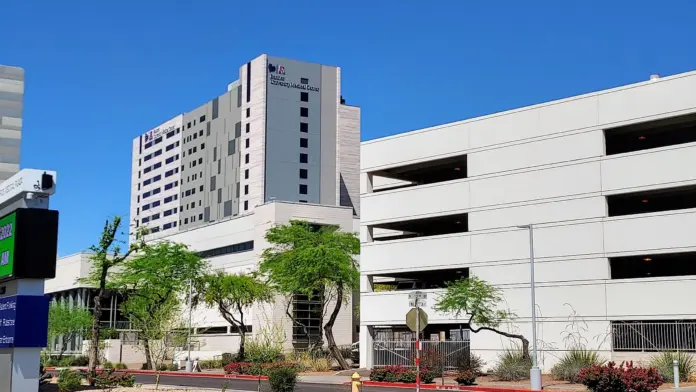
About Banner – University Medical Center
Your treatment plan will be unique to you, but it will incorporate some type of counseling services. They offer individual, group, and family sessions depending on what you need and what makes you feel the most comfortable. If your doctor believes that you could benefit from addiction medication, they can prescribe it as needed. These medications can help control your pain, minimize your cravings, and make you less likely to relapse.
One of my favorite things about this program is that they actively encourage family members to get involved. They understand that your recovery will be easier if you have support from your loved ones. So, your family members are encouraged to sit in on your counseling sessions and participate as much as they feel led. Together, you’ll learn about the disease of addiction, address some of your triggers, and learn healthier ways to cope with stress and emotions.
One person who’s visited the behavioral health department said their doctor was very knowledgeable and attentive. Another agrees, saying that the staff members are patient and dedicated to doing things the right way. However, several people have experienced difficulties with scheduling and communication.
Latest Reviews
March 1, 2026 - March 30, 2026 my daughter was in the NICU. She was air lifted from Payson and I just had a c section so my lovely boyfriend drove down.
Being at this hospital was an adventure to say, fresh c section had no wheel chairs for the first week. No one told us about the elevator that brings you to the floor where the NICU is at. So I had to walk a VERY long way fresh c section.
We had multiple nurses all were amazing but this one filipino nurse with short black hair. She made me feel like I was the worst mother ever. I’m 26 she is my first child and you treated my boyfriend and I like complete trash. You made me feel horrible about not having enough breastmilk for my daughter. I had you two long horrible days. You refused to show us how to do stuff.
My daughter was on and off oxygen she was born a month early. When she was able to bottle feed I was told my multiple different doctors what % she needs to eat for 24 hours to be sent home. I felt like the night nurses never even tried, I would feed her she would eat about 75% of her bottle but at night she would only eat 2%? Doesn’t make sense.
We had 3 amazing nurses, one was tall with long black hair she was an angel on earth she made me feel like I was a great mom, she explained things to me and when I had questions she answered them and didn’t make me feel like I was stupid.
Then we had Amy I absolutely adore her. She was another angel on earth, she did my daughters car seat test and the next day she came in when she had it off so she could be my daughters nurse for her altitude test and because of her taking her time with my daughter making sure she knew how to fed her we were able to go home the next day.
The other nurse was an older lady she wouldn’t leave us alone but she had some amazing stories to tell us.
Even though we had one horrible nurse, no one at the front desk tell us about the elevator I will still recommend this hospital for the NICU.
Within the 30 days I was here my c section got infected and started to open up so I went to labor and delivery, I was told the doctor was in another room delivering a baby so I figured I was going to wait 5+ hours. I waited 30 minutes, so props to that mama who pushed that baby out fast. The doctor was super nice and got me in and out fast.
Response from the owner1 week ago
We always strive to exceed expectations. Please fill out this secure form we will assist in any way we can. Please fill out this secure form if you would like to discuss any concerns with us directly: www.bannerhealth.com/feedback.
The labor and delivery at this hospital is amazing! I had a great experience when I gave birth to my baby girl. The doctors and nurses were so nice and caring. I was constantly checked on. I had a great lactation consultant come in and help me figure out how to get my baby to latch on properly. I felt genuinely cared for by the staff. The delivery room was super spacious but the postpartum room was a bit small, that's the only downside.
Response from the owner1 week ago
We always strive to exceed expectations. Please fill out this secure form we will assist in any way we can. Please fill out this secure form if you would like to discuss any concerns with us directly: www.bannerhealth.com/feedback.
Excellent specialists and staff at this hospital.
Shoutout to the hepatology team for keeping me informed and answering all questions.
Note: if you’re going to have blood drawn (likely), don’t eat right before coming in to the ER. You can, but it will delay labs…pack something to eat for later. If anything, ask a doctor/nurse.
Response from the owner1 week ago
It’s always great to hear positive feedback. Thank you for sharing! 
Rehab Score
 Our Methodology
Scoring is assigned by a proprietary system which helps surface key metrics that determine quality. The 10-point scale factors in categories such as operations, customer satisfaction, and trust metrics. Read Full Methodology

7.7 / 10
Gallery
Accepted Insurance
Other Forms of Payment
Medicaid is a state based program that helps lower-income individuals and families pay for healthcare. Medicaid covers addiction treatment so those enrolled can use their coverage to pay for rehab. When a program accepts Medicaid the client often pays very little or nothing out of their own pocket.
Private insurance refers to any kind of healthcare coverage that isn't from the state or federal government. This includes individual and family plans offered by an employer or purchased from the Insurance Marketplace. Every plan will have different requirements and out of pocket costs so be sure to get the full details before you start treatment.
Self-pay involves paying for treatment out of your own pocket. You can use savings or credit, get a personal loan, or receive help from family and friends to fund your treatment. If you don't have insurance or your insurance plan doesn't cover a specific program, self-pay can help ensure you still get the care you need.
Financial aid can take many forms. Centers may have grants or scholarships available to clients who meet eligibility requirements. Programs that receive SAMHSA grants may have financial aid available for those who need treatment as well. Grants and scholarships can help you pai for treatment without having to repay.
Medicare is a federal program that provides health insurance for those 65 and older. It also serves people under 65 with chronic and disabling health challenges. To use Medicare for addiction treatment you need to find a program that accepts Medicare and is in network with your plan. Out of pocket costs and preauthorization requirements vary, so always check with your provider.
Military members, veterans, and eligible dependents have access to specific insurance programs that help them get the care they need. TRICARE and VA insurance can help you access low cost or no cost addiction and mental health treatment. Programs that accept military insurance often have targeted treatment focused on the unique challenges military members, veterans, and their families face.
Private insurance refers to any kind of healthcare coverage that isn't from the state or federal government. This includes individual and family plans offered by an employer or purchased from the Insurance Marketplace. Every plan will have different requirements and out of pocket costs so be sure to get the full details before you start treatment.
Addiction Treatments
Levels of Care
Residential treatment programs are those that offer housing and meals in addition to substance abuse treatment. Rehab facilities that offer residential treatment allow patients to focus solely on recovery, in an environment totally separate from their lives. Some rehab centers specialize in short-term residential treatment (a few days to a week or two), while others solely provide treatment on a long-term basis (several weeks to months). Some offer both, and tailor treatment to the patient's individual requirements.
Outpatient Programs (OP) are for those seeking mental rehab or drug rehab, but who also stay at home every night. The main difference between outpatient treatment (OP) and intensive outpatient treatment (IOP) lies in the amount of hours the patient spends at the facility. Most of the time an outpatient program is designed for someone who has completed an inpatient stay and is looking to continue their growth in recovery. Outpatient is not meant to be the starting point, it is commonly referred to as aftercare.
Intensive Outpatient Programs (IOP) are for those who want or need a very structured treatment program but who also wish to live at home and continue with certain responsibilities (such as work or school). IOP substance abuse treatment programs vary in duration and intensity, and certain outpatient rehab centers will offer individualized treatment programs.
Completing a drug or alcohol rehab program shouldn't spell the end of substance abuse treatment. Aftercare involves making a sustainable plan for recovery, including ongoing support. This can include sober living arrangements like halfway houses, career counseling, and setting a patient up with community programs like Alcoholics Anonymous (AA) or Narcotics Anonymous (NA).
A partial hospitalization program (PHP) offers a short-term alternative to inpatient treatment or a step-down option after a residential program. With PHP treatment, you'll receive 6 to 8 hours of daily support, up to 5 days a week. The duration of a partial hospitalization program can vary with the average length being 90 days. While commuting is necessary, some programs also offer telehealth options. PHP treatment is often covered by insurance and typically offers medication management, relapse prevention techniques, and behavioral therapy.
Treatments
The goal of treatment for alcoholism is abstinence. Those with poor social support, poor motivation, or psychiatric disorders tend to relapse within a few years of treatment. For these people, success is measured by longer periods of abstinence, reduced use of alcohol, better health, and improved social functioning. Recovery and Maintenance are usually based on 12 step programs and AA meetings.
Drug rehab in Arizona is the process of treating individuals who are dependent on a particular addictive drug. Because addiction is complex, this treatment typically includes a variety of interventions that address the many physical and emotional issues involved.
Many of those suffering from addiction also suffer from mental or emotional illnesses like schizophrenia, bipolar disorder, depression, or anxiety disorders. Rehab and other substance abuse facilities treating those with a dual diagnosis or co-occurring disorder administer psychiatric treatment to address the person's mental health issue in addition to drug and alcohol rehabilitation.
A combined mental health and substance abuse rehab has the staff and resources available to handle individuals with both mental health and substance abuse issues. It can be challenging to determine where a specific symptom stems from (a mental health issue or an issue related to substance abuse), so mental health and substance abuse professionals are helpful in detangling symptoms and keeping treatment on track.
Opioid rehabs specialize in supporting those recovering from opioid addiction. They treat those suffering from addiction to illegal opioids like heroin, as well as prescription drugs like oxycodone. These centers typically combine both physical as well as mental and emotional support to help stop addiction. Physical support often includes medical detox and subsequent medical support (including medication), and mental support includes in-depth therapy to address the underlying causes of addiction.
Arizona's substance abuse treatment centers can provide tailored treatment for individuals with substance use disorders and mental health conditions. Treatment programs may include medically assisted detox, 12-Step recovery, intensive outpatient programs, and aftercare support. Addiction experts employ evidence-based therapies like cognitive behavioral therapy (CBT), dialectical behavioral therapy (DBT), and talk therapy to uncover and reframe unhelpful patterns. By graduation, you'll have developed new coping strategies, learned new stress management techniques, and have the capability of sustaining your recovery.
Programs
Adult rehab programs include therapies tailored to each client's specific needs, goals, and recovery progress. They are tailored to the specific challenges adult clients may face, including family and work pressures and commitments. From inpatient and residential treatment to various levels of outpatient services, there are many options available. Some facilities also help adults work through co-occurring conditions, like anxiety, that can accompany addiction.
Young adulthood can be an exciting, yet difficult, time of transition. Individuals in their late teens to mid-20s face unique stressors related to school, jobs, families, and social circles, which can lead to a rise in substance use. Rehab centers with dedicated young adult programs will include activities and amenities that cater to this age group, with an emphasis on specialized counseling, peer socialization, and ongoing aftercare.
Serving in the military is both mentally and physically challenging, and can result in trauma that persists even after combat ends. Military programs are tailored to the specific and often complex needs of active duty personnel, veterans, and military families. Clients often access these programs through the U.S. Department of Veterans Affairs (VA).
Clinical Services
Cognitive Behavioral Therapy (CBT) is a therapy modality that focuses on the relationship between one's thoughts, feelings, and behaviors. It is used to establish and allow for healthy responses to thoughts and feelings (instead of unhealthy responses, like using drugs or alcohol). CBT has been proven effective for recovering addicts of all kinds, and is used to strengthen a patient's own self-awareness and ability to self-regulate. CBT allows individuals to monitor their own emotional state, become more adept at communicating with others, and manage stress without needing to engage in substance abuse.
Whether a marriage or other committed relationship, an intimate partnership is one of the most important aspects of a person's life. Drug and alcohol addiction affects both members of a couple in deep and meaningful ways, as does rehab and recovery. Couples therapy and other couples-focused treatment programs are significant parts of exploring triggers of addiction, as well as learning how to build healthy patterns to support ongoing sobriety.
Dialectical Behavior Therapy (DBT) is a modified form of Cognitive Behavioral Therapy (CBT), a treatment designed to help people understand and ultimately affect the relationship between their thoughts, feelings, and behaviors. DBT is often used for individuals who struggle with self-harm behaviors, such as self-mutilation (cutting) and suicidal thoughts, urges, or attempts. It has been proven clinically effective for those who struggle with out-of-control emotions and mental health illnesses like Borderline Personality Disorder.
Eating disorders include anorexia, bulimia, binge eating, and dysfunctional eating patterns. Many psychologists and other mental health professionals consider eating disorders to be food addictions, meaning food is being used in an addictive way (similar to drug or alcohol addiction). Certain substance abuse treatment programs will have treatment for eating disorders as one of the services offered. An eating disorder may also present as a co-occuring disorder or dual diagnosis alongside drug and alcohol addiction.
ECT is a form of treatment in which controlled electric currents are passed through the brain, sometimes causing short seizures. Treatments are done under general anesthesia. ECT appears to change brain chemistry for the better, and has been shown to provide fast and sometimes dramatic improvements in severe mental health conditions that can exist alongside addiction, including depression, bipolar disorder, psychosis, and suicidality. ECT is also often used by those who prefer it to taking medication.
Experiential therapy is a form of therapy in which clients are encouraged to surface and work through subconscious issues by engaging in real-time experiences. Experiential therapy departs from traditional talk therapy by involving the body, and having clients engage in activities, movements, and physical and emotional expression. This can involve role-play or using props (which can include other people). Experiential therapy can help people process trauma, memories, and emotion quickly, deeply, and in a lasting fashion, leading to substantial and impactful healing.
Research clearly demonstrates that recovery is far more successful and sustainable when loved ones like family members participate in rehab and substance abuse treatment. Genetic factors may be at play when it comes to drug and alcohol addiction, as well as mental health issues. Family dynamics often play a critical role in addiction triggers, and if properly educated, family members can be a strong source of support when it comes to rehabilitation.
Group therapy is any therapeutic work that happens in a group (not one-on-one). There are a number of different group therapy modalities, including support groups, experiential therapy, psycho-education, and more. Group therapy involves treatment as well as processing interaction between group members.
In individual therapy, a patient meets one-on-one with a trained psychologist or counselor. Therapy is a pivotal part of effective substance abuse treatment, as it often covers root causes of addiction, including challenges faced by the patient in their social, family, and work/school life.
Motivational Interviewing (MI) is a clinical approach to helping people with substance abuse issues and other conditions shift behavior in positive ways. It is more goal-oriented than traditional psychotherapy, as MI counselors directly attempt to get clients to consider making behavioral change (rather than wait for them to come to conclusions themselves). Its primary purpose is to resolve ambivalence and help clients become able to make healthy choices freely.
Nicotine Replacement Therapy (NRT) is a way of getting nicotine into the bloodstream without smoking. It uses products that supply low doses of nicotine to help people stop smoking. The goal of therapy is to cut down on cravings for nicotine and ease the symptoms of nicotine withdrawal.
Nutrition therapy, aka medical nutrition therapy (MNT), is a way of treating physical, emotional, and medical conditions through diet. Specific dietary plans are designed by professional nutritionists or registered dietitians, and patients follow them in order to positively affect their physical and mental health.
Trauma therapy addresses traumatic incidents from a client's past that are likely affecting their present-day experience. Trauma is often one of the primary triggers and potential causes of addiction, and can stem from child sexual abuse, domestic violence, having a parent with a mental illness, losing one or both parents at a young age, teenage or adult sexual assault, or any number of other factors. The purpose of trauma therapy is to allow a patient to process trauma and move through and past it, with the help of trained and compassionate mental health professionals.
 Animal Therapy
Amenities
-
 Residential Setting
 -
 Private Setting
 -
 Wifi
Wifi -
 Gardens
 -
 Gym
Gym -
 Music Room
 -
 Recreation Room
 -
 Private Rooms
Staff & Accreditations
Staff

Amy Perry
President and Chief Executive Officer

Marjorie Bessel, MD
Chief Clinical Officer
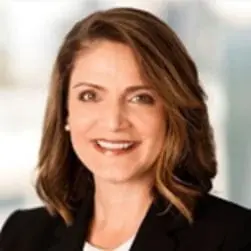
Staci Dickerson
Executive Vice President, Chief Financial Officer
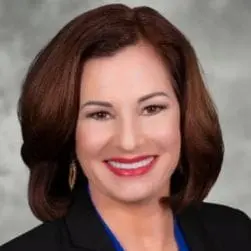
Julie Ann Alvarado-Dubek
Executive Vice President, Chief Human Resources Officer
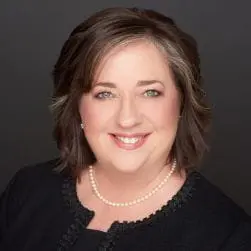
Jean Fitterer Lance
Executive Vice President, Chief Legal Officer and General Counsel
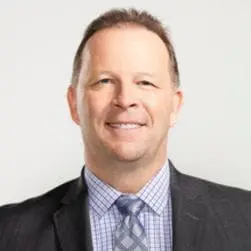
D. Scott Nordlund
Executive Vice President, Chief Strategy and Growth Officer

Michael Reagin
Executive Vice President, Chief Technology Officer
Accreditations

The Joint Commission, formerly known as JCAHO, is a nonprofit organization that accredits rehab organizations and programs. Founded in 1951, the Joint Commision's mission is to improve the quality of patient care and demonstrating the quality of patient care.
Joint Commission Accreditation: Yes
Accreditation Number: 9489

The Substance Abuse and Mental Health Services Administration (SAMHSA) is a branch of the U.S. Department of Health and Human Services. Established in 1992 by congress, SAMHSA's mission is to reduce the impact of substance abuse and mental illness on American's communities.
SAMHSA Listed: Yes

State Licenses are permits issued by government agencies that allow rehab organizations to conduct business legally within a certain geographical area. Typically, the kind of program a rehab facility offers, along with its physical location, determines which licenses are required to operate legally.
State License: Arizona
License Number: H0016
Rehab.com regularly reviews this listing for accuracy but changes may occur between updates. For the most up-to-date information, please contact Banner – University Medical Center.
Contact Information

1111 East Mcdowell Road
West Tower Floor 6
Phoenix AZ, 85006
Get Help Now - 602-834-1056
Sponsored Helpline
Sponsored Helpline



