Get Help Now
Question iconSponsored Helpline
Phone icon 800-784-1361
Claim Profile

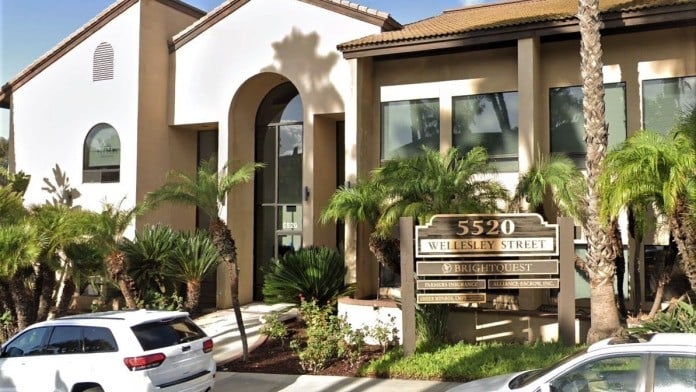
BrightQuest Treatment Centers – San Diego

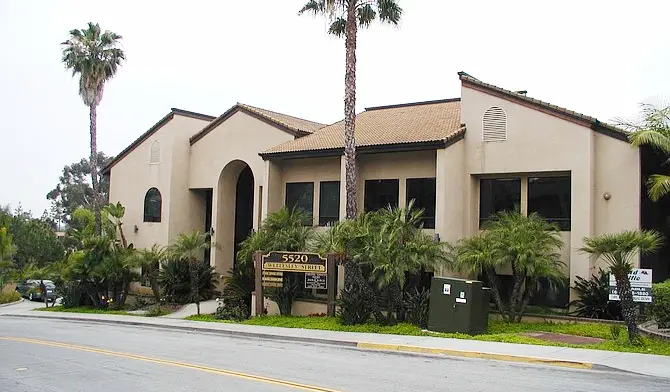
5520 Wellesley St, Suite #100
La Mesa, CA 91942
Claim Profile
BrightQuest Treatment Centers San Diego CA 91942

About BrightQuest Treatment Centers – San Diego

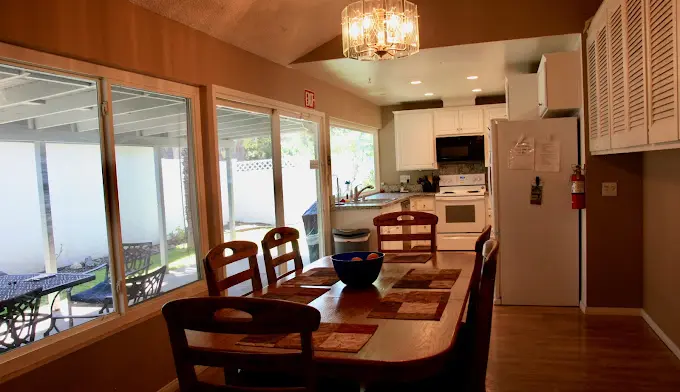
You’ll be assessed to determine the best level of care to meet your needs. Your level of care is adjusted throughout treatment, depending on the progress you make. Programs include 24 hours residential treatment, semi-independent living, independent living, extended outpatient services and family consultation.

They apply a few different types of therapy during treatment. They offer psychodynamic approaches and motivational interviewing. Chemical dependency treatment and addiction case management are available as well as relapse prevention and meditation. Every other month a multi family support group is hosted.

Aftercare may be available once you complete treatment. These ongoing services provide support for long term success.

Similar Rehab Centers

Fact checked and written by:
Jenise Alvarez
Edited by:
Kerry Nenn, BSW

Facility Overview

Dollar icon $1000
Avg Cost per Day

Latest Reviews

Logan Putt
1 month ago on Google
1
During my early 20's (2021), my parents were desperate to help me get better, and placed their trust in Brightquest. I was told many things that were incorrect during my stay. The primary problem I had was that I was told I was going to receive psychiatric care in a certain way-- that my medicine would be administered to me personally by a staff, because I have a disability that requires medical attention, and because it wasn't being treated correctly, I was unable to manage my life at all. Staff delivered the medicine maybe 5 times altogether and repeatedly blamed me for missing it, with unclear instructions as to how to obtain it and what was promised/expected with my medicine. In addition, staff would consistently not follow interventions properly and took out their bias about what they thought the client needed on the client. For instance, I was seen as "stubborn", and so therapeutic interventions like giving me my medicine and abiding by certain de-escalation techniques were not adhered to. There would be lists made for staff to follow and staff would repeatedly do very different, harmful things. The team of therapists I had repeatedly changed, were not licensed, and made interventions that were harmful. It was reactive therapy as a result, rather than thoughtful and well-placed advice and help. I didn't understand what therapists were trying to accomplish. With my current therapist at my new treatment center, even if I don't understand the details, I understand the end goal, which is important in therapy. The therapy was not evidence based. I received feedback from my peers constantly, and tried to find a way to follow directions, but felt very lost and without guidance. As a result, I was misplaced and ignored in the program. There was constant staff turnover. The place was very scary for me and the staff didn't understand my fear. It felt like the staff were administering punitive interventions rather than trying to talk to me about my fears. I was never able to receive the care I needed because I could not communicate with any staff member honestly and openly and establish trust. The key issue I found was that I was misdiagnosed, was not given the proper medication, and the problems I had were mistreated and left to fester without assistance and any trusting relationships. I did not have consistent, appropriate psychiatric or medical treatment the entire time. Moral of the story: I left and went to another treatment center and was able to regain control of my life. The many thousands of dollars wasted at Brightquest is awful, but after 3 years of evidence-based treatment from the place I went on to graduate successfully helped me understand that the true evil that Brightquest did was promise help when what they seemed to want was righteous and justifiable praise, and money. I wish Brightquest could see the turn around I did, and realize how wrong their treatment of me was. I am now happy, successful, and stable. I do not have any of the disorders they thought were accurate and important to treat. I have friends, family, and a life. Please, please reconsider attending Brightquest. Look for evidence based treatment centers. I needed space and I needed the opportunity to start trusting and build a happy life, and when I was offered that elsewhere, that was the beginning of my road to getting better.
Response from the owner1 week ago
Thank you for sharing your feedback. We’re sorry to hear about your experience. We take concerns like this seriously and would appreciate the opportunity to speak with you directly so we can better understand what happened and work toward a resolution. (855) 927-2095
Faith
4 months ago on Google
5
The people that make up the team at Brightquest are some of the most compassionate, patient and caring people you’ll come across. Simon in admissions takes the time to understand what’s going on with your loved one and how to get them from point A to point B. He really cares and takes the time to understand the whole picture. Rey is one of the client care coordinators at Brightquest and he takes the time to build rapport with each and every one of the clients. You will be able to quickly tell Rey has a huge love for simply helping people.
Nicole Rickerby
7 months ago on Google
1
**Veterans, Please Read Before Considering Bright Quest San Diego** I am currently a patient at Bright Quest San Diego and the first admitted under a VA Community Care referral. I feel it is important to share my ongoing experience, particularly for other veterans considering this facility. **1. Violations of Basic Patient Rights and Freedom:** Bright Quest claims to uphold certain personal rights for clients, as per California regulations. However, I was told I could not possess or control my own money, a clear violation of my rights. This is explicitly stated in their policy on the wall, which says clients have the right to manage their own cash resources. Despite this, when I requested my credit and debit cards back, they refused. It wasn’t until I filed a formal complaint with an outside patient advocate that my cards were returned. This experience made me feel trapped, and I do not believe the facility is respecting basic patient freedoms. **2. Financial and Medication Mismanagement:** Bright Quest operates a financial system called "True Link," which controls clients' money. This system seems to work for people whose families manage their finances but is impractical for those, like myself, who are self-sufficient. I had to request my own funds weekly and was not informed about how or when withdrawals were being made from my accounts. After a month of asking, I was told I would receive a bill, which is not transparent and undermines financial independence. Additionally, there were several serious issues with my medications: - I was told I had to pay out of pocket for my Adderall prescription because the facility couldn’t transfer it from the VA. - They ran out of my Vilazodone (a mood stabilizer) and didn’t order it in time, forcing them to go to a local pharmacy to pick it up. This caused me to be told I would have to pay out of pocket again. - My muscle relaxer prescription ran out and wasn’t reordered for days, leading to unnecessary delays. - They also refused to provide Excedrin for my migraines, suggesting I go to the emergency room instead. **3. Unlawful $2,000 Service Animal Deposit:** Bright Quest required a $2,000 deposit for my service animal, which was clearly outlined in their *Policy for Service Animals* document. The policy listed this deposit as a “damages deposit” for any potential harm caused by my dog. After confirming with the ADA that this charge was not legally required, I requested my deposit back. However, they insisted it was just a "damages deposit," despite the document clearly labeling it as a "service animal deposit." This inconsistency with their own policy raises serious concerns. **4. Freedom to Leave the Facility:** I was also told this was an "open door" facility where I could leave whenever I chose. However, when I decided to leave at one point, I requested my belongings and was only given some of them—not even my money. They also threatened to call the police and report me as a missing person, which is extremely alarming, especially as someone with a history of police trauma. This made me feel extremely unsafe and trapped. **5. Doctor Change Requests Denied:** I have asked for a doctor change multiple times, which is my legal right under patient rights laws (including *Title 42, U.S.C. Section 1395cc*), but my requests have been denied without explanation. --- **Conclusion:** I want to stress that while I understand the True Link system may work for private-pay clients who rely on family support, it doesn’t work for someone like me who manages their own finances. It seems Bright Quest was unprepared to handle patients with insurance, and the lack of assessment before opening to insured clients is problematic. These issues have made my experience at Bright Quest extremely difficult, and I feel my rights have not been respected. I plan to continue updating this review as my situation progresses. I hope this information helps other veterans make an informed decision when considering Bright Quest San Diego.
Rehab.com icon

Rehab Score

Question iconOur Methodology
Scoring is assigned by a proprietary system which helps surface key metrics that determine quality. The 10-point scale factors in categories such as operations, customer satisfaction, and trust metrics. Read Full MethodologyCaret icon
Gauge icon
7.4 / 10

Accepted Insurance

Please contact to verify your specific insurance provider.

BrightQuest Treatment Centers – San Diego works with several private insurance providers, please contact to verify your specific insurance provider.

Other Forms of Payment

Private insurance refers to any kind of healthcare coverage that isn't from the state or federal government. This includes individual and family plans offered by an employer or purchased from the Insurance Marketplace. Every plan will have different requirements and out of pocket costs so be sure to get the full details before you start treatment.

Self-pay involves paying for treatment out of your own pocket. You can use savings or credit, get a personal loan, or receive help from family and friends to fund your treatment. If you don't have insurance or your insurance plan doesn't cover a specific program, self-pay can help ensure you still get the care you need.

Medicare is a federal program that provides health insurance for those 65 and older. It also serves people under 65 with chronic and disabling health challenges. To use Medicare for addiction treatment you need to find a program that accepts Medicare and is in network with your plan. Out of pocket costs and preauthorization requirements vary, so always check with your provider.

Medicaid is a state based program that helps lower-income individuals and families pay for healthcare. Medicaid covers addiction treatment so those enrolled can use their coverage to pay for rehab. When a program accepts Medicaid the client often pays very little or nothing out of their own pocket.

Military members, veterans, and eligible dependents have access to specific insurance programs that help them get the care they need. TRICARE and VA insurance can help you access low cost or no cost addiction and mental health treatment. Programs that accept military insurance often have targeted treatment focused on the unique challenges military members, veterans, and their families face.

Addiction Treatments

Levels of Care

Clients receiving treatment at an outpatient rehab typically do not require hospitalization or intensive supervision and support. Outpatient addiction counseling and recovery education are often offered during the morning, evening, night, and weekend, allowing clients to tailor treatment to their own schedule. Partial hospitalization (PHP) and intensive outpatient (IOP) programs are the most time-intensive and are designed for clients who are at an increased relapse risk and/or who need more robust therapeutic support.

Residential treatment programs are those that offer housing and meals in addition to substance abuse treatment. Rehab facilities that offer residential treatment allow patients to focus solely on recovery, in an environment totally separate from their lives. Some rehab centers specialize in short-term residential treatment (a few days to a week or two), while others solely provide treatment on a long-term basis (several weeks to months). Some offer both, and tailor treatment to the patient's individual requirements.

Sober living homes in California offers an intermediate sober environment that has less structure than inpatient rehab but more than typical home environments. This makes it a good option for those who have concerns about transitioning back to the "real world" after treatment. Residents can typically live at the halfway house as long as they want, if they are willing to follow house rules. These may include a curfew, chores, and maintaining a job.

Treatments

Mental health rehabs focus on helping individuals recover from mental illnesses like bipolar disorder, clinical depression, anxiety disorders, schizophrenia, and more. Mental health professionals at these facilities are trained to understand and treat mental health issues, both in individual and group settings.

Programs

Adult rehab programs include therapies tailored to each client's specific needs, goals, and recovery progress. They are tailored to the specific challenges adult clients may face, including family and work pressures and commitments. From inpatient and residential treatment to various levels of outpatient services, there are many options available. Some facilities also help adults work through co-occurring conditions, like anxiety, that can accompany addiction.

Clinical Services

Cognitive Behavioral Therapy (CBT) is a therapy modality that focuses on the relationship between one's thoughts, feelings, and behaviors. It is used to establish and allow for healthy responses to thoughts and feelings (instead of unhealthy responses, like using drugs or alcohol). CBT has been proven effective for recovering addicts of all kinds, and is used to strengthen a patient's own self-awareness and ability to self-regulate. CBT allows individuals to monitor their own emotional state, become more adept at communicating with others, and manage stress without needing to engage in substance abuse.

Dialectical Behavior Therapy (DBT) is a modified form of Cognitive Behavioral Therapy (CBT), a treatment designed to help people understand and ultimately affect the relationship between their thoughts, feelings, and behaviors. DBT is often used for individuals who struggle with self-harm behaviors, such as self-mutilation (cutting) and suicidal thoughts, urges, or attempts. It has been proven clinically effective for those who struggle with out-of-control emotions and mental health illnesses like Borderline Personality Disorder.

Equine therapy, aka equine-assisted therapy (EAT), is a form of experiential therapy that involves interactions and activities with horses. It does not necessarily involve riding horses, but all activities related to horses, such as feeding, grooming, haltering and leading them. A mental health professional frequently oversees the activities (often in conjunction with a horse professional), and helps patients process their thoughts, feelings, and behavior patterns during and/or after the interaction.

Group therapy is any therapeutic work that happens in a group (not one-on-one). There are a number of different group therapy modalities, including support groups, experiential therapy, psycho-education, and more. Group therapy involves treatment as well as processing interaction between group members.

In individual therapy, a patient meets one-on-one with a trained psychologist or counselor. Therapy is a pivotal part of effective substance abuse treatment, as it often covers root causes of addiction, including challenges faced by the patient in their social, family, and work/school life.

Trauma therapy addresses traumatic incidents from a client's past that are likely affecting their present-day experience. Trauma is often one of the primary triggers and potential causes of addiction, and can stem from child sexual abuse, domestic violence, having a parent with a mental illness, losing one or both parents at a young age, teenage or adult sexual assault, or any number of other factors. The purpose of trauma therapy is to allow a patient to process trauma and move through and past it, with the help of trained and compassionate mental health professionals.

Research clearly demonstrates that recovery is far more successful and sustainable when loved ones like family members participate in rehab and substance abuse treatment. Genetic factors may be at play when it comes to drug and alcohol addiction, as well as mental health issues. Family dynamics often play a critical role in addiction triggers, and if properly educated, family members can be a strong source of support when it comes to rehabilitation.

Life skills trainings involve all the skills a person must have in order to function successfully in the world. These include time management, career guidance, money management, and effective communication. Truly successful addiction recovery is based on the ability to not only live substance-free, but to thrive. Life skills teaches the practical necessities of functioning in society, which sets clients up for success in life, and therefore sobriety.

The goal of nicotine replacement therapy in California is to mitigate the symptoms of nicotine withdrawal. It cuts down on your cravings by supplying a small dose of nicotine without exposing your body to the toxins of cigarette smoke.

Amenities

  • home-setting iconResidential Setting
  • private-room iconPrivate Rooms

Staff & Accreditations

Staff
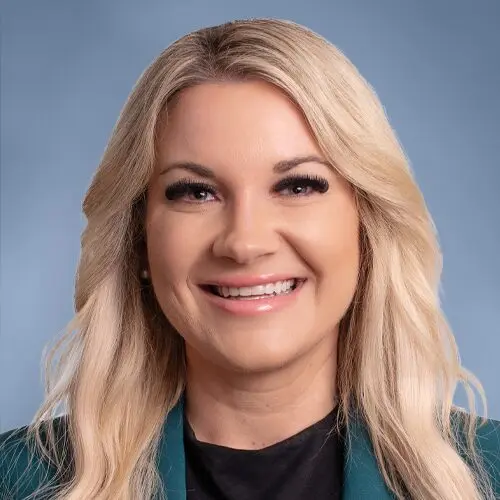
Ashley Danner, LMFT

National Executive Director

William Coombs, DSW, LCSW

Executive Clinical Director
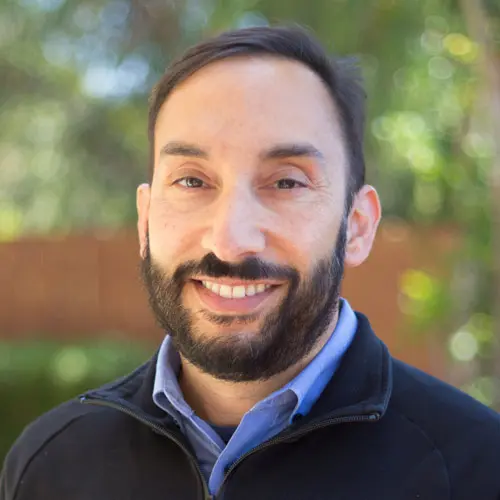
Sean Ryan, MD

Medical Director
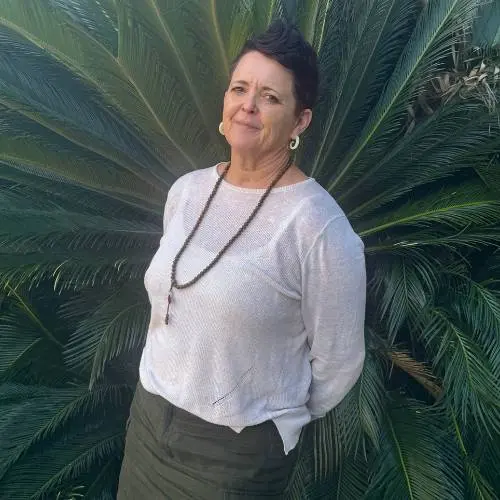
Christa Overton, MS, SUDCC

Director of Operations

Accreditations

The Joint Commission, formerly known as JCAHO, is a nonprofit organization that accredits rehab organizations and programs. Founded in 1951, the Joint Commision's mission is to improve the quality of patient care and demonstrating the quality of patient care.

Joint Commission Accreditation: Yes

LegitScript has reviewed BrightQuest Treatment Centers – San Diego as part of their certification program, and has determined that it meets the LegitScript standards for legality, safety and transparency.

LegitScript verified in January 2021

Contact Information

Building icon

5520 Wellesley St
Suite #100
La Mesa, CA 91942

Explore Other Centers Near La Mesa

Reviews of BrightQuest Treatment Centers – San Diego

3.12/5 (34 reviews)
5
Staff
5
Amenities
5
Meals
4
Value
5
Cleanliness
5
16
4
2
3
1
2
0
1
15

Reviews

5
Best Place Ever

This Place saved my life. The staff and the process are first class. It gets mixed reviews because overcoming mental illness and or Addiction is Hard. However, it is rewarding, these people will help you find your spirit and teach how to use it. I whole heartedly endorse thi ... Read More

Rio A.
Reviewed on 2/27/2025
Staff
5
Amenities
5
Meals
5
Value
4
Cleanliness
5
Overall Experience
Date Submitted
Reviewer

Google Reviews

3.0606060606061 (33 reviews)
Logan Putt
1 month ago
1

During my early 20's (2021), my parents were desperate to help me get better, and placed their trust in Brightquest. I was told many things that were incorrect during my stay. The primary problem I had was that I was told I was going to receive psychiatric care in a certain way-- that my medicine would be administered to me personally by a staff, because I have a disability that requires medical attention, and because it wasn't being treated correctly, I was unable to manage my life at all. Staff delivered the medicine maybe 5 times altogether and repeatedly blamed me for missing it, with unclear instructions as to how to obtain it and what was promised/expected with my medicine. In addition, staff would consistently not follow interventions properly and took out their bias about what they thought the client needed on the client. For instance, I was seen as "stubborn", and so therapeutic interventions like giving me my medicine and abiding by certain de-escalation techniques were not adhered to. There would be lists made for staff to follow and staff would repeatedly do very different, harmful things. The team of therapists I had repeatedly changed, were not licensed, and made interventions that were harmful. It was reactive therapy as a result, rather than thoughtful and well-placed advice and help. I didn't understand what therapists were trying to accomplish. With my current therapist at my new treatment center, even if I don't understand the details, I understand the end goal, which is important in therapy. The therapy was not evidence based. I received feedback from my peers constantly, and tried to find a way to follow directions, but felt very lost and without guidance. As a result, I was misplaced and ignored in the program. There was constant staff turnover. The place was very scary for me and the staff didn't understand my fear. It felt like the staff were administering punitive interventions rather than trying to talk to me about my fears. I was never able to receive the care I needed because I could not communicate with any staff member honestly and openly and establish trust. The key issue I found was that I was misdiagnosed, was not given the proper medication, and the problems I had were mistreated and left to fester without assistance and any trusting relationships. I did not have consistent, appropriate psychiatric or medical treatment the entire time. Moral of the story: I left and went to another treatment center and was able to regain control of my life. The many thousands of dollars wasted at Brightquest is awful, but after 3 years of evidence-based treatment from the place I went on to graduate successfully helped me understand that the true evil that Brightquest did was promise help when what they seemed to want was righteous and justifiable praise, and money. I wish Brightquest could see the turn around I did, and realize how wrong their treatment of me was. I am now happy, successful, and stable. I do not have any of the disorders they thought were accurate and important to treat. I have friends, family, and a life. Please, please reconsider attending Brightquest. Look for evidence based treatment centers. I needed space and I needed the opportunity to start trusting and build a happy life, and when I was offered that elsewhere, that was the beginning of my road to getting better.

Response from the owner
Thank you for sharing your feedback. We’re sorry to hear about your experience. We take concerns like this seriously and would appreciate the opportunity to speak with you directly so we can better understand what happened and work toward a resolution. (855) 927-2095
Faith
4 months ago
5

The people that make up the team at Brightquest are some of the most compassionate, patient and caring people you’ll come across. Simon in admissions takes the time to understand what’s going on with your loved one and how to get them from point A to point B. He really cares and takes the time to understand the whole picture. Rey is one of the client care coordinators at Brightquest and he takes the time to build rapport with each and every one of the clients. You will be able to quickly tell Rey has a huge love for simply helping people.

Nicole Rickerby
7 months ago
1

**Veterans, Please Read Before Considering Bright Quest San Diego** I am currently a patient at Bright Quest San Diego and the first admitted under a VA Community Care referral. I feel it is important to share my ongoing experience, particularly for other veterans considering this facility. **1. Violations of Basic Patient Rights and Freedom:** Bright Quest claims to uphold certain personal rights for clients, as per California regulations. However, I was told I could not possess or control my own money, a clear violation of my rights. This is explicitly stated in their policy on the wall, which says clients have the right to manage their own cash resources. Despite this, when I requested my credit and debit cards back, they refused. It wasn’t until I filed a formal complaint with an outside patient advocate that my cards were returned. This experience made me feel trapped, and I do not believe the facility is respecting basic patient freedoms. **2. Financial and Medication Mismanagement:** Bright Quest operates a financial system called "True Link," which controls clients' money. This system seems to work for people whose families manage their finances but is impractical for those, like myself, who are self-sufficient. I had to request my own funds weekly and was not informed about how or when withdrawals were being made from my accounts. After a month of asking, I was told I would receive a bill, which is not transparent and undermines financial independence. Additionally, there were several serious issues with my medications: - I was told I had to pay out of pocket for my Adderall prescription because the facility couldn’t transfer it from the VA. - They ran out of my Vilazodone (a mood stabilizer) and didn’t order it in time, forcing them to go to a local pharmacy to pick it up. This caused me to be told I would have to pay out of pocket again. - My muscle relaxer prescription ran out and wasn’t reordered for days, leading to unnecessary delays. - They also refused to provide Excedrin for my migraines, suggesting I go to the emergency room instead. **3. Unlawful $2,000 Service Animal Deposit:** Bright Quest required a $2,000 deposit for my service animal, which was clearly outlined in their *Policy for Service Animals* document. The policy listed this deposit as a “damages deposit” for any potential harm caused by my dog. After confirming with the ADA that this charge was not legally required, I requested my deposit back. However, they insisted it was just a "damages deposit," despite the document clearly labeling it as a "service animal deposit." This inconsistency with their own policy raises serious concerns. **4. Freedom to Leave the Facility:** I was also told this was an "open door" facility where I could leave whenever I chose. However, when I decided to leave at one point, I requested my belongings and was only given some of them—not even my money. They also threatened to call the police and report me as a missing person, which is extremely alarming, especially as someone with a history of police trauma. This made me feel extremely unsafe and trapped. **5. Doctor Change Requests Denied:** I have asked for a doctor change multiple times, which is my legal right under patient rights laws (including *Title 42, U.S.C. Section 1395cc*), but my requests have been denied without explanation. --- **Conclusion:** I want to stress that while I understand the True Link system may work for private-pay clients who rely on family support, it doesn’t work for someone like me who manages their own finances. It seems Bright Quest was unprepared to handle patients with insurance, and the lack of assessment before opening to insured clients is problematic. These issues have made my experience at Bright Quest extremely difficult, and I feel my rights have not been respected. I plan to continue updating this review as my situation progresses. I hope this information helps other veterans make an informed decision when considering Bright Quest San Diego.

CV F
7 months ago
4

Overall, Brightquest seems to have the potential to be a beautiful place if you make it one and if all those involved (parent, client, referrant, etc) fall under-- to each's own capacity-- a conjoined understanding of what enrolling into the facility truly entails before onboarding. Top of the Line professionals in terms of medical, psychiatric, directorial staff, and coordinators. In the San Diego office, administrative advision and onboarding facilitators seemed to be - at a minimum - understaffed, underprepared, rushed... disjointed, disoriented - retaining inconsistent speech and tonal behaviors. First day, as most everyone will tell you, is definitely whiplashy; so be prepared. Most, if not all therapists are pretty fantastic, though there's a healthy sprinkling that will likely benefit from more seasoning or better balance when it comes to working with the clientele that comes through the facility--especially considering the severity of what Brightquest's treatment plans offer. Resolution could see steps towards improvement with a simple forum on situational and environmental threats, could addtly. benefit from the inclusion of more proactive superiors. (aside from weekly staff meetings which seem to not be too productive, I really just believe there should be a massive overhaul/addition to supervising faculty, or an increase in physical foot traction of prior mentioned superiors, wherever they're holding these mystery figures. Yes, it is true from what I've read in other reviews that plenty key players are conveniently often on vacation. Website also needs an update.) I definitely think that clients should have a say in who they work with throughout their time in treatment, if afforded the luxury-- e.g. building or altering their own teams. The option of choice and communication does so much for clients in a space with inconsistent, often seemingly unclear boundaries and assistance. Also, on the DEI note, not very accommodating in terms of practicing religion. Last and certainly MOST important. If at this point you have any retainer hesitations-- great resources, work study programming, activities, group sessions, and residential function is a very intelligent, strategic layout. Each individual playing a hand in house management, whether that be house managers themselves, night staff, or especially nurse Theresa (who is working 24/7!) are diamonds in the rough of it all. At the end of a long day, throughout any level, at Brightquest (with the right treatment and mentality) you can fall on the network you've built for yourself within the community there. I truly do hope to see the team at BQ San Diego weed out some of the bad parts, as there is so much light and an outpouring of love and friendship in the work done there.

Overall Experience
Date Submitted
No reviews matching the selected filter!
Get Help Now
Question iconSponsored Helpline
Phone icon 800-784-1361
Left arrow iconBack

Write a review for BrightQuest Treatment Centers – San Diego

Sharing your insights and experiences can help others learn more about this rehab center.

Title of Your Review
This is a required field
Your Review

Reviews comments must comply with our Review Policy Content Standards. Please do not use names (job titles / positions are acceptable) of any individual or identifying features, abusive remarks, or allegations of negligence or criminal activity.

A minimum of 200 characters and max of 2,000 characters required.
This is a required field
How would you rate the facility on the following?*
Overall Experience
Must select a star rating
Accomodations & Amenities
Must select a star rating
Meals & Nutrition
N/A
Must select a star rating
Treatment Effectiveness
Must select a star rating
Admissions Process
Must select a star rating
Staff & Friendliness
Must select a star rating
Cleanliness
Must select a star rating
Value for Cost
Must select a star rating
What is your connection to this facility?
This is a required field
Your Name*
This is a required field
Your Email*
This is a required field
Spinner icon Submitting your review...
Thumbs up icon Your review was successfully submitted.

Nearby Featured Providers

Get Help Today Phone icon 800-823-7153
Question iconSponsored Helpline