





























































































WARNING: DO NOT SEEK HELP HERE! As a fellow firefighter and veteran, I urge you to avoid this place at all costs. I was abandoned and left in a dire situation. Thankfully, the VA crisis hotline and supportive friends saved me; otherwise, I wouldn't be here writing this. I ...
About Deer Hollow – Pioneer House
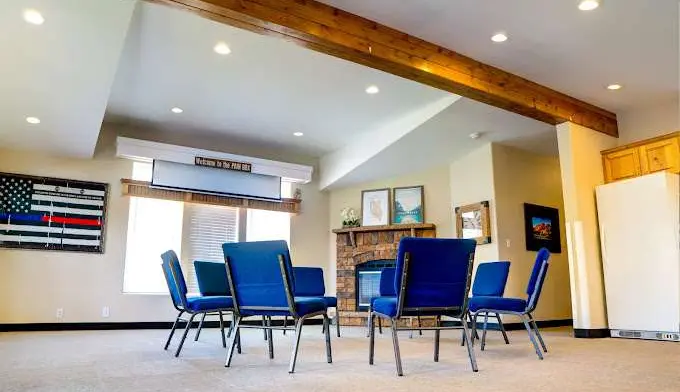
Their program offers therapy and counseling options, but on top of that, you’ll have access to a nutritious menu reviewed by a registered dietician and prepared fresh daily by their professional chefs. You’ll be able to attend their well-stocked fitness center and have full access to a private swimming pool. Of course, you’ll have round-the-clock support when you need it, and you’ll go on unique recreational and service outings. They also have yoga classes you can attend. They’ll teach you how to be responsible, too, by letting you do chores.
For treatment services, they have intensive trauma therapy that is specially designed and orchestrated by their clinical team. They also have cognitive processing therapy, group EMDR and experiential group therapy. All of these can help by teaching you how to cope with daily life, teaching you how to identify your triggers and helping you deal with past trauma that may be currently affecting you.
Latest Reviews
The hardest thing i have ever done. Also the best thing i have ever done
Hearing that it was also the best thing you've ever done means more than we can express. Thank you for allowing us to walk alongside you. We are incredibly proud of all you've accomplished and grateful to have you as part of the Deer Hollow alumni family. We wish you continued strength and success on your recovery journey.
Response from the owner2 days ago
Thank you for sharing these words. We know that choosing to begin the healing process can be one of the hardest decisions a person ever makes, and we're honored you trusted Deer Hollow to be part of your journey.Hearing that it was also the best thing you've ever done means more than we can express. Thank you for allowing us to walk alongside you. We are incredibly proud of all you've accomplished and grateful to have you as part of the Deer Hollow alumni family. We wish you continued strength and success on your recovery journey.
I am a graduate of Deer Hollow Recovery’s program. I strongly recommend Deer Hollow for anyone who is ready and willing to do the hard work of healing. Deer Hollow staff are highly trained in supporting first responders and military veterans.
Their therapists, chefs, technicians, medical, and administrative staff work in tandem to walk with clients.
Due to the unique healing work that we need, the process is not always pretty. I got really upset on a few occasions while at Deer Hollow. The staff gave me room to process and also upheld standards.
I appreciate the work that Deer Hollow does. I have my life back!!!
Your words beautifully capture something that is at the heart of our program—healing from trauma isn't always easy, and meaningful growth often comes with difficult moments. We are grateful that our team was able to support you with both compassion and accountability throughout that process.
Seeing you regain your life and move forward with hope is exactly why we do this work. Thank you for your recommendation, and we wish you continued strength, healing, and success in all that lies ahead. We are proud to have you as part of the Deer Hollow alumni family.
Response from the owner2 days ago
Thank you Chris so much for sharing your experience and for trusting Deer Hollow with your healing journey. We are honored to have been a part of it.Your words beautifully capture something that is at the heart of our program—healing from trauma isn't always easy, and meaningful growth often comes with difficult moments. We are grateful that our team was able to support you with both compassion and accountability throughout that process.
Seeing you regain your life and move forward with hope is exactly why we do this work. Thank you for your recommendation, and we wish you continued strength, healing, and success in all that lies ahead. We are proud to have you as part of the Deer Hollow alumni family.
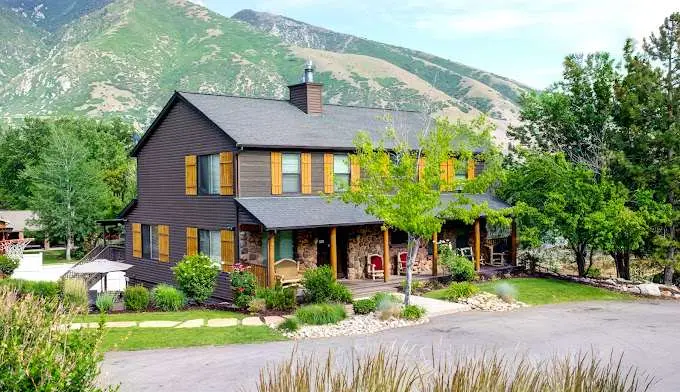
Life changing, wonderful staff, great food, beautiful setting.Highly recommended
Response from the owner2 days ago
Thank you for your kind review! We're delighted to hear you had a positive experience with our staff, enjoyed the food, and appreciated the beautiful setting. Your recommendation means a lot to us! 
Rehab Score
 Our Methodology
Scoring is assigned by a proprietary system which helps surface key metrics that determine quality. The 10-point scale factors in categories such as operations, customer satisfaction, and trust metrics. Read Full Methodology

8.4 / 10
Gallery


Accepted Insurance

Premera

EMI Health
Public Employees Health Program (PEHP)
Other Forms of Payment
Private insurance refers to any kind of healthcare coverage that isn't from the state or federal government. This includes individual and family plans offered by an employer or purchased from the Insurance Marketplace. Every plan will have different requirements and out of pocket costs so be sure to get the full details before you start treatment.
Self-pay involves paying for treatment out of your own pocket. You can use savings or credit, get a personal loan, or receive help from family and friends to fund your treatment. If you don't have insurance or your insurance plan doesn't cover a specific program, self-pay can help ensure you still get the care you need.
Military members, veterans, and eligible dependents have access to specific insurance programs that help them get the care they need. TRICARE and VA insurance can help you access low cost or no cost addiction and mental health treatment. Programs that accept military insurance often have targeted treatment focused on the unique challenges military members, veterans, and their families face.
Financing your treatment can make treatment more accessible. You'll work with your care provider to set up payment plans, including interest rates and repayment timelines. Financing options vary widely and not all programs offer them, so be sure to get the full details before enrolling in treatment. If you have insurance or other benefits, financing may help you cover your remaining out of pocket expenses.
Addiction Treatments
Levels of Care
Outpatient Programs (OP) are for those seeking mental rehab or drug rehab, but who also stay at home every night. The main difference between outpatient treatment (OP) and intensive outpatient treatment (IOP) lies in the amount of hours the patient spends at the facility. Most of the time an outpatient program is designed for someone who has completed an inpatient stay and is looking to continue their growth in recovery. Outpatient is not meant to be the starting point, it is commonly referred to as aftercare.
Residential treatment programs are those that offer housing and meals in addition to substance abuse treatment. Rehab facilities that offer residential treatment allow patients to focus solely on recovery, in an environment totally separate from their lives. Some rehab centers specialize in short-term residential treatment (a few days to a week or two), while others solely provide treatment on a long-term basis (several weeks to months). Some offer both, and tailor treatment to the patient's individual requirements.
Intensive Outpatient Programs (IOP) are for those who want or need a very structured treatment program but who also wish to live at home and continue with certain responsibilities (such as work or school). IOP substance abuse treatment programs vary in duration and intensity, and certain outpatient rehab centers will offer individualized treatment programs.
Clients receiving services in a rehab aftercare program have generally been stable and sober for a period of weeks and months and no longer require high intensity treatment. Many have stepped down from inpatient rehab to outpatient treatment. Others have been discharged from formal treatment but need support in maintaining their sobriety. Clients typically work with their case manager and care team to develop a long-term care plan that aligns with their unique needs and goals.
Participants in 12 step programs engage in rigorous group counseling, peer coaching, and personal development. Though 12 step recovery is rooted in spiritual principles, religious affiliation is not mandatory. The steps model promotes participants' emotional and psychological healing, which is presumed integral to sustained sobriety. Regular attendance at group meetings is expected. These meetings are free, anonymous, peer-led, and accessible day and night in most communities. Gender and age-specific programs and other specialized formats are common.
Sober Living Houses (SLHs), aka sober homes or halfway houses, are safe, substance-free, supportive living facilities for those recovering from substance abuse. Ideal for those who've just been through inpatient or outpatient treatment, SLHs are supervised environments with rules that support sobriety, such as curfews, shared chores, and therapeutic meetings. Residents are also often trained on life skills and coping skills to make it easier to transition into society. SLHs also provide a strong sense of community that can lead to the kind of deep and lasting connections with other sober individuals that supports a new, healthy lifestyle.
If your friend or family member is suffering physically or psychologically from substance use but denies there is a problem, it might be time for a drug intervention in Utah. This process involves meeting with an intervention specialist from a facility's intervention services program. This specialist will interview family members to gain an understanding of the situation, then facilitate the intervention. Their expertise can prove invaluable in navigating this complex confrontation.
In order to ensure your safety during the withdrawal process, rehabs offer 24-hour clinical care in Utah. You have access to experienced medical staff around the clock, and they can adminsiter treatments or perform clincial interventions that lessen withdrawal symptoms and make you more comfortable. Teatments can include medications, nutritional supplements, and mental health counseling.
Medical detox is the safest way to remove addictive substances from your body under the care of medical professionals. In an inpatient environment, you'll be monitored 24/7 by doctors, nurses, and clinical experts, who will help keep you as safe and comfortable as possible and administer medication if needed to treat any withdrawal symptoms. The process may take up to a week or longer depending on your needs, and is often at least partially covered by insurance.
A partial hospitalization program (PHP) offers intensive treatment to those with moderate to severe addictions while allowing them to return home. It is often an alternative to inpatient hospitalization and a "step-down" option from residential programs. PHP treatment is tailored to your needs and lasts an average of 90 days. Weekly sessions are up to 8 hours for 5 days a week and can include relapse prevention, medication management, and behavioral therapy services. The cost of PHP treatment varies but is often fully or partially covered by providers.
The four main components of telehealth are live video, store-and-forward, mobile health, and remote patient monitoring (RPM). These are used across multiple disciplines, including drug rehab treatment, primary medical care, home health, and disease monitoring.
Treatments
The goal of treatment for alcoholism is abstinence. Those with poor social support, poor motivation, or psychiatric disorders tend to relapse within a few years of treatment. For these people, success is measured by longer periods of abstinence, reduced use of alcohol, better health, and improved social functioning. Recovery and Maintenance are usually based on 12 step programs and AA meetings.
When you enter a drug rehab in Utah, the process usually involves four stages: treatment initiation, early abstinence, maintaining abstinence, and advanced recovery. Treatment methods can rely on medications, counseling, or both, in either an outpatient or inpatient setting.
Many of those suffering from addiction also suffer from mental or emotional illnesses like schizophrenia, bipolar disorder, depression, or anxiety disorders. Rehab and other substance abuse facilities treating those with a dual diagnosis or co-occurring disorder administer psychiatric treatment to address the person's mental health issue in addition to drug and alcohol rehabilitation.
A combined mental health and substance abuse rehab has the staff and resources available to handle individuals with both mental health and substance abuse issues. It can be challenging to determine where a specific symptom stems from (a mental health issue or an issue related to substance abuse), so mental health and substance abuse professionals are helpful in detangling symptoms and keeping treatment on track.
Opioid rehabs specialize in supporting those recovering from opioid addiction. They treat those suffering from addiction to illegal opioids like heroin, as well as prescription drugs like oxycodone. These centers typically combine both physical as well as mental and emotional support to help stop addiction. Physical support often includes medical detox and subsequent medical support (including medication), and mental support includes in-depth therapy to address the underlying causes of addiction.
In Utah, individuals looking for substance abuse treatment can find several inpatient and outpatient treatment programs. Typically, you can expect the program to include evidence-based therapies such as cognitive-behavioral therapy (CBT), dialectical behavior therapy (DBT), psychoeducation, skills development groups, and experiential therapies, like equine therapy, and adventure therapy. By receiving expert addiction treatment and learning new coping strategies, you'll drastically improve your mental health and the ability to achieve long-term sobriety.
When treating substance use disorder and a mental health condition, the best approach is to treat both conditions at the same time. Known as dual diagnosis treatment, this kind of specialized care provides you with 24/7 access to medical and mental health professionals, group therapy in order to provide a supportive peer group, and family therapy which helps to improve relationships with loved ones.
Programs
Adult rehab programs include therapies tailored to each client's specific needs, goals, and recovery progress. They are tailored to the specific challenges adult clients may face, including family and work pressures and commitments. From inpatient and residential treatment to various levels of outpatient services, there are many options available. Some facilities also help adults work through co-occurring conditions, like anxiety, that can accompany addiction.
Young adulthood can be an exciting, yet difficult, time of transition. Individuals in their late teens to mid-20s face unique stressors related to school, jobs, families, and social circles, which can lead to a rise in substance use. Rehab centers with dedicated young adult programs will include activities and amenities that cater to this age group, with an emphasis on specialized counseling, peer socialization, and ongoing aftercare.
Recovery is most successful when clients feel accepted and validated by their peers and treatment providers. Facilities that offer LGBTQ-inclusive programming are committed to creating a safe space where everyone can grow and recover without fear of judgment or discrimination. They will have dedicated policies in place to create a safe and supportive environment that fosters free expression.
Serving in the military is both mentally and physically challenging, and can result in trauma that persists even after combat ends. Military programs are tailored to the specific and often complex needs of active duty personnel, veterans, and military families. Clients often access these programs through the U.S. Department of Veterans Affairs (VA).
Clinical Services
Therapists may use cognitive behavioral therapy (CBT) in Utah to address substance use and mental health disorders. The main focus is to change thinking patterns, which leads to behavioral change. Subtypes of CBT include exposure therapy, dialectical behavior therapy, and acceptance commitment therapy.
Dialectical Behavior Therapy (DBT) is a modified form of Cognitive Behavioral Therapy (CBT), a treatment designed to help people understand and ultimately affect the relationship between their thoughts, feelings, and behaviors. DBT is often used for individuals who struggle with self-harm behaviors, such as self-mutilation (cutting) and suicidal thoughts, urges, or attempts. It has been proven clinically effective for those who struggle with out-of-control emotions and mental health illnesses like Borderline Personality Disorder.
This therapy is an opportunity for the client to better see themselves in the eyes of others. Deer Hollow helps their clients understand how they interact with others and how their words and actions might affect them. In group therapy all are equal and given a chance to gain insight into themselves through the group dynamics that naturally develop.
In individual therapy, a patient meets one-on-one with a trained psychologist or counselor. Therapy is a pivotal part of effective substance abuse treatment, as it often covers root causes of addiction, including challenges faced by the patient in their social, family, and work/school life.
The foundation of motivational interviewing in Utah rests on four pillars: partnership, evocation, acceptance, and compassion. The therapist collaborates with the client, encouraging them to explore their options and make informed decisions about making changes in their lives.
Trauma therapy addresses traumatic incidents from a client's past that are likely affecting their present-day experience. Trauma is often one of the primary triggers and potential causes of addiction, and can stem from child sexual abuse, domestic violence, having a parent with a mental illness, losing one or both parents at a young age, teenage or adult sexual assault, or any number of other factors. The purpose of trauma therapy is to allow a patient to process trauma and move through and past it, with the help of trained and compassionate mental health professionals.
Whether a marriage or other committed relationship, an intimate partnership is one of the most important aspects of a person's life. Drug and alcohol addiction affects both members of a couple in deep and meaningful ways, as does rehab and recovery. Couples therapy and other couples-focused treatment programs are significant parts of exploring triggers of addiction, as well as learning how to build healthy patterns to support ongoing sobriety.
EMDR is a therapeutic modality originally developed to help process trauma. In an EMDR session, a patient is prompted to undergo eye movements that mimic those of REM sleep. This is accomplished by watching a therapist's finger move back and forth across, or following a bar of light. The goal is repetitive sets of eye movements that help the brain reprocess memory, which can significantly reduce the intensity of remembered traumatic incidents. Associated memories can heal simultaneously, leaving patients significantly calmer, more stable, and more emotionally relaxed.
Research clearly demonstrates that recovery is far more successful and sustainable when loved ones like family members participate in rehab and substance abuse treatment. Genetic factors may be at play when it comes to drug and alcohol addiction, as well as mental health issues. Family dynamics often play a critical role in addiction triggers, and if properly educated, family members can be a strong source of support when it comes to rehabilitation.
Life skills trainings involve all the skills a person must have in order to function successfully in the world. These include time management, career guidance, money management, and effective communication. Truly successful addiction recovery is based on the ability to not only live substance-free, but to thrive. Life skills teaches the practical necessities of functioning in society, which sets clients up for success in life, and therefore sobriety.
Recreational therapy helps you in your addiction recovery program by improving your overall well being. Activities can include sports, music, and nature excursions that give you positive experiences, reduce your cravings, and offer the opportunity to reduce your stress. These aid in your addiction recovery.
Creativity is inherently healing, and can help those in recovery express thoughts or feelings they might not otherwise be able to. Creative arts therapy can include music, poetry/writing, painting, sculpting, dance, theater, sandplay, and more. Unlike traditional art, the final product matters far less than the experience of creation and expression itself.
Experiential therapy is a form of therapy in which clients are encouraged to surface and work through subconscious issues by engaging in real-time experiences. Experiential therapy departs from traditional talk therapy by involving the body, and having clients engage in activities, movements, and physical and emotional expression. This can involve role-play or using props (which can include other people). Experiential therapy can help people process trauma, memories, and emotion quickly, deeply, and in a lasting fashion, leading to substantial and impactful healing.
When your body no longer gets nicotine from cigarettes, you will most likely experience withdrawal and craving symptoms. Nicotine replacement therapy is designed to ease these symptoms so you are more comfortable and less likely to relapse.
 Equine Therapy
Amenities
-
 Yoga Studio
 -
 Residential Setting
 -
 Private Rooms
 -
 Private Setting
Staff & Accreditations
Staff
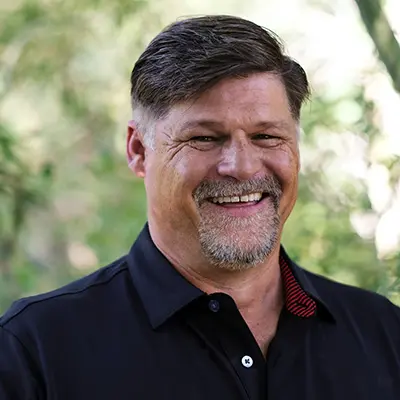
Troy Long
Owner & Founder
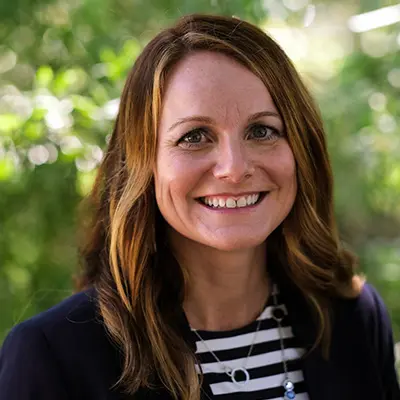
Genevieve Mannor
Executive Director

Amy Crawford, PhD, LMFT
Clinical Director
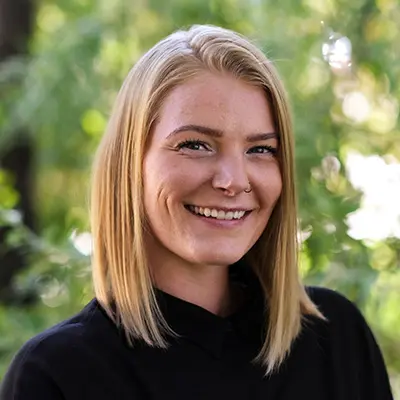
Meghan Jones
Director of Operations
Accreditations

The Joint Commission, formerly known as JCAHO, is a nonprofit organization that accredits rehab organizations and programs. Founded in 1951, the Joint Commision's mission is to improve the quality of patient care and demonstrating the quality of patient care.
Joint Commission Accreditation: Yes
Rehab.com regularly reviews this listing for accuracy but changes may occur between updates. For the most up-to-date information, please contact Deer Hollow – Pioneer House.
Contact Information

1481 E Pioneer Rd
Draper, UT 84020
Get Help Now - 385-390-3465
Sponsored Helpline
Sponsored Helpline



