












Footprints to Recovery Addiction Treatment Centers
1
Top 10 Rehab Centers In Centennial



















































































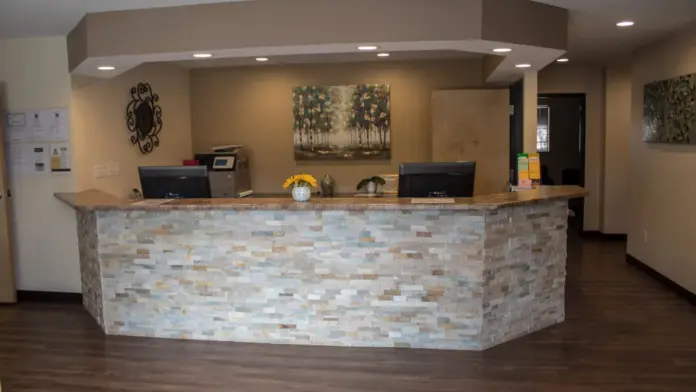
They primarily provide medication assisted treatment. This is the gold standard in evidence based practices for addressing alcoholism and opioid addiction. The technique uses FDA approved medicine alongside counseling to support recovery. The facility uses Vivitrol for this treatment to manage withdrawal symptoms. This allows you to undergo individual and group counseling. Counseling helps you tackle personal challenges fueling your substance use and build solid coping strategies against those triggers. Combining medicine and counseling this way addresses both physical and psychological aspects of addiction. This facilitates relapse prevention and lasting recovery.
Their substance use services also include DUI level II education/therapy. This state approved evidence based program supports judicially involved youth and adults. It includes two hour weekly group sessions focused on addressing substance use and promoting safe driving habits to prevent reoffending. The psychiatric services provided in this facility include psychiatric evaluation/monitoring and medication management. These services equip them to handle co-occurring disorders as well. This is when someone simultaneously struggles with both mental health and substance use disorders.
They also provide domestic violence treatment. This may or may not be linked to behavioral health issues. It’s very convenient that this facility accepts Medicaid, Medicare and CHP+ in all their services. Their individualized treatment fosters quality care delivery.

 Our Methodology


Private insurance refers to any kind of healthcare coverage that isn't from the state or federal government. This includes individual and family plans offered by an employer or purchased from the Insurance Marketplace. Every plan will have different requirements and out of pocket costs so be sure to get the full details before you start treatment.
Self-pay involves paying for treatment out of your own pocket. You can use savings or credit, get a personal loan, or receive help from family and friends to fund your treatment. If you don't have insurance or your insurance plan doesn't cover a specific program, self-pay can help ensure you still get the care you need.
Sliding scale payments are based on a client's income and family size. The goal is to make treatment affordable to everyone. By taking these factors into account, addiction recovery care providers help ensure that your treatment does not become a financial burden to you or your family, eliminating one barrier to care.
Medicare is a federal program that provides health insurance for those 65 and older. It also serves people under 65 with chronic and disabling health challenges. To use Medicare for addiction treatment you need to find a program that accepts Medicare and is in network with your plan. Out of pocket costs and preauthorization requirements vary, so always check with your provider.
Military members, veterans, and eligible dependents have access to specific insurance programs that help them get the care they need. TRICARE and VA insurance can help you access low cost or no cost addiction and mental health treatment. Programs that accept military insurance often have targeted treatment focused on the unique challenges military members, veterans, and their families face.
Medicaid is a state based program that helps lower-income individuals and families pay for healthcare. Medicaid covers addiction treatment so those enrolled can use their coverage to pay for rehab. When a program accepts Medicaid the client often pays very little or nothing out of their own pocket.
Outpatient rehabs offer a wide variety of services and levels of care to align with clients' unique and evolving needs. Outpatient care is best suited for clients who are stable and for those who wish to remain at home while receiving treatment. Clients typically receive addiction counseling and recovery-focused life skills training, including participating in evening, night, and weekend sessions to accommodate clients' schedules. Clients at an increased relapse risk may receive more frequent and intensive treatment.
Clients receiving care in an intensive outpatient program (IOP) engage in a minimum of nine hours of treatment per week on average. However, many intensive outpatient rehabs offer up to 20 therapeutic hours weekly. IOP services are ideal for those in early recovery or who are at an elevated risk of relapse. IOP may be chosen in lieu of inpatient rehab. Treatment modalities typically include psychotherapy, life skills training, medication assisted treatment (MAT), and holistic care.
Addiction recovery based on a 12 step program model is rooted in peer support and spiritual development. Participants regularly attend 12 step meetings, which are free, anonymous, peer-led, and available throughout the day and night in most communities. Clients' recovery is achieved progressively as they work through the 12 steps, which teach them to understand and address the root causes of their addiction, become accountable for their choices, and relinquish control over that which cannot be changed.
The process of medically assisted detox usually takes place in an inpatient setting while under the 24/7 care of a team of licensed medical professionals. It's considered the safest way to rid the body of all addictive substances and prepare you for a transition into either an inpatient program or various forms of outpatient rehab. The program length varies depending on your needs, but it typically takes about 5-7 days.
Adult rehab programs include therapies tailored to each client's specific needs, goals, and recovery progress. They are tailored to the specific challenges adult clients may face, including family and work pressures and commitments. From inpatient and residential treatment to various levels of outpatient services, there are many options available. Some facilities also help adults work through co-occurring conditions, like anxiety, that can accompany addiction.
Young adulthood can be an exciting, yet difficult, time of transition. Individuals in their late teens to mid-20s face unique stressors related to school, jobs, families, and social circles, which can lead to a rise in substance use. Rehab centers with dedicated young adult programs will include activities and amenities that cater to this age group, with an emphasis on specialized counseling, peer socialization, and ongoing aftercare.
Recovery is most successful when clients feel accepted and validated by their peers and treatment providers. Facilities that offer LGBTQ-inclusive programming are committed to creating a safe space where everyone can grow and recover without fear of judgment or discrimination. They will have dedicated policies in place to create a safe and supportive environment that fosters free expression.
The main principle of cognitive behavioral therapy (CBT) in Colorado is that substance use disorders are based on faulty thinking and behavior patterns. The goal of this treatment is to help the individual learn better ways of coping with challenges, which will lead to changes in thinking and behavior.
Dialectical behavior therapy is skills based and present oriented. You'll be asked to keep a diary of emotions and related behaviors and practice the skills you've been learning between sessions. The focus of skills development is on mindfulness, distress tolerance, emotion regulation, and interpersonal effectiveness.
Group therapy in Colorado offers you a platform to share your stories about drug addiction and co occurring mental health conditions. You'll receive encouragement and empathy from peers who understand your journey, fostering a sense of community and belonging.
Men and women in Colorado have access to customized individual therapy sessions for drug and alcohol addiction treatment. These sessions explore your life experiences and patterns of substance abuse. Your therapist helps you recognize harmful behaviors and thoughts that empower you to make positive changes for lasting recovery.
Therapists who employ motivational interview techniques seek to draw out the client's ideas about change and allow them to draw their own conclusions about the need for change. This method is often effective for clients who feel unsure about their ability to change or the need for change.
During trauma therapy, you explore the impact that a traumatic event has had on your life. Your therapist can help you develop strategies to manage the emotional and physical symptoms while improving emotional regulation. This improves your overall quality of life.
During family therapy sessions, family members in Colorado work with therapists to understand addiction as a disease that has affected the entire family. This approach fosters empathy and reduces blame on any one member. Promoting this collective effort helps to support the recovery process.
Managing Director
Clinical Psychologist
Clinical Therapist
Human Resources Specialist

State Licenses are permits issued by government agencies that allow rehab organizations to conduct business legally within a certain geographical area. Typically, the kind of program a rehab facility offers, along with its physical location, determines which licenses are required to operate legally.
State License: Colorado
Rehab.com regularly reviews this listing for accuracy but changes may occur between updates. For the most up-to-date information, please contact Gateway to Success.

602 Yale Place
Canon City, CO 81212
Sponsored Helpline

Good place for mental health help, one thing that needs to improve though, is the girls up front need to do better at answering the phone they sit in front of all day long. People have classes and meetings they need to get to and I sometimes call 5 times within the hour or before my appointment and no answer.

LOVE this place, everyone at the front desk has always been so helpful and friendly.

Quick to prescribe medication, not willing to work on actual concern.

⭐⭐⭐⭐ Awesome Staff (With One Exception) I cannot say enough good things about the front reception area at Gateway to Success, Cindy and the whole crew up front are absolutely awesome! They are welcoming, helpful, and always make you feel supported the second you walk through the door. Huge shout-out to the UA staff as well, they do a fantastic job and handle everything professionally. The only downside to my experience here is the instructor for the Tuesday morning class at 8:00a. To put it bluntly, he is completely in the wrong line of work. That being said, the administrative and support staff are so incredibly great at what they do that they still earn every bit of a 5-star review from me. Thank you, Cindy and team!
 Back
Back
Sharing your insights and experiences can help others learn more about this rehab center.
 Written By: Chika Uchendu