
















































































































Came here expecting to finally get to recover but I came out really disappointed. I really expected to receive comprehensive therapy but just received individual therapy one in a moon. Besides some good therapists, the rest of the staff is really lazy.
About Lincoln Trail Behavioral Health System
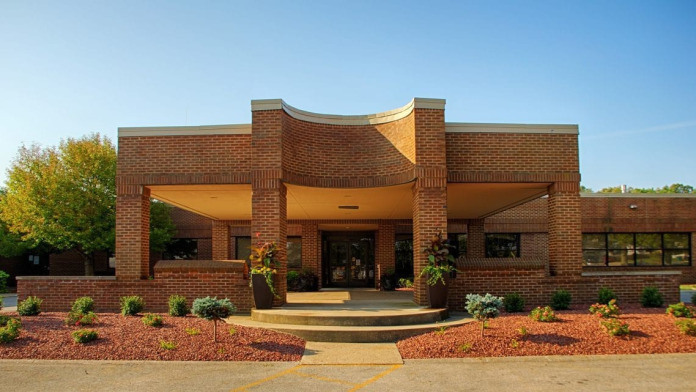
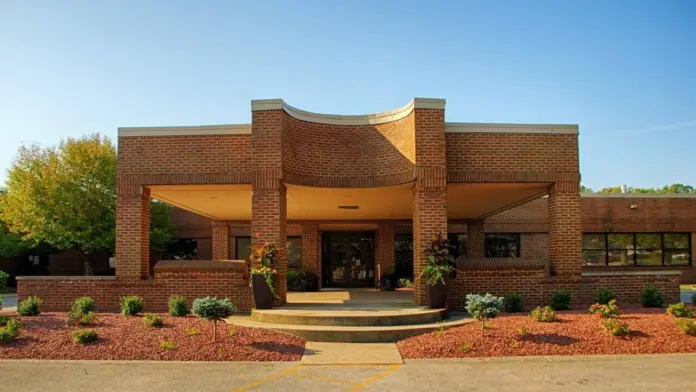
Lincoln Trail Behavioral Health System is a behavioral health and addiction treatment center in Radcliff, Kentucky, serving children, adolescents, adults and seniors. Located on South Wilson Road near Fort Knox, the facility offers a full continuum of care, including acute detox, inpatient hospitalization, partial hospitalization (PHP), intensive outpatient (IOP) and outpatient services. Accredited by The Joint Commission, Lincoln Trail Behavioral Health System delivers evidence based, family focused treatment for substance use disorders and co-occurring mental health conditions.
Addiction Treatment Programs at Lincoln Trail Behavioral Health System
Treatment often begins with acute detoxification for adults withdrawing from alcohol, opioids, benzodiazepines and other substances, followed by inpatient or residential care in a safe, structured 24-hour environment. Specialized inpatient tracks serve children (ages 6-11), adolescents (ages 12-17), adults and seniors (55+), with dedicated programming for military members, veterans and first responders.
Clients engage in individual therapy, group counseling and family sessions using modalities such as Cognitive Behavioral Therapy (CBT), Dialectical Behavior Therapy (DBT) and trauma focused approaches. The dual diagnosis program addresses co-occurring conditions, including depression, anxiety, PTSD and bipolar disorder, while expressive therapies like art and music therapy support healing and skill-building throughout the recovery process.
Key Features of Lincoln Trail Behavioral Health System
- Location: Radcliff, Kentucky, near Fort Knox and accessible to the surrounding community
- Levels of care: Acute detox, inpatient hospitalization, PHP, IOP and outpatient services (including virtual options)
- Who they treat: Children, adolescents, adults, seniors, military members, veterans and individuals with dual diagnoses
- Approach: Evidence based therapies (CBT, DBT, trauma-focused care) combined with expressive and recreational supports and family involvement
- Payment options: Accepts Medicare, Medicaid, TRICARE, most private insurance and self-pay arrangements
- Accreditation: Joint Commission accredited with 24/7 admissions available
Edited by:
Maygen Brockway, MTC
Facility Overview
 140
140 Number of Available Beds
 91+
91+ Avg Length of Stay in Days
Latest Reviews
I was in and out of this place since I was 10 to 14, this place was like a safe haven for me. Away from my awful mom who always played the “victim” act but the staff that were there back then, I will forever remember them. They did so much for me, I can’t count how many times I’ve been there, and they always cared. Especially a staff member named Amy, and a nurse named Mrs Mary’s but this was years ago back in the 2010s
Response from the owner1 month ago
It is very thoughtful of you to leave us such positive comments. Thank you for taking the time to share your feedback with us. We hope you are doing well!
Caring staff, took good care of my granddaughter.
Response from the owner1 month ago
We are delighted to see this review. Thank you for the kind comments! Have a wonderful day.
All the staff here treat me like I was family from the time I walked into the day I was discharged I did have an incident where I got attacked but it was taken care of right away I would definitely recommend this place for anybody having mental issue
Response from the owner1 month ago
Thank you for taking the time to leave us these kind comments. We'd like to learn more about any concerns you may have. At your convenience, please provide us with your contact information by visiting https://lincolnbehavioral.com/contact-us/. We hope to hear from you soon. 
Rehab Score
 Our Methodology
Scoring is assigned by a proprietary system which helps surface key metrics that determine quality. The 10-point scale factors in categories such as operations, customer satisfaction, and trust metrics. Read Full Methodology

7.3 / 10
Gallery
Accepted Insurance
Other Forms of Payment
Private insurance refers to any kind of healthcare coverage that isn't from the state or federal government. This includes individual and family plans offered by an employer or purchased from the Insurance Marketplace. Every plan will have different requirements and out of pocket costs so be sure to get the full details before you start treatment.
Self-pay involves paying for treatment out of your own pocket. You can use savings or credit, get a personal loan, or receive help from family and friends to fund your treatment. If you don't have insurance or your insurance plan doesn't cover a specific program, self-pay can help ensure you still get the care you need.
Financial aid can take many forms. Centers may have grants or scholarships available to clients who meet eligibility requirements. Programs that receive SAMHSA grants may have financial aid available for those who need treatment as well. Grants and scholarships can help you pai for treatment without having to repay.
Medicare is a federal program that provides health insurance for those 65 and older. It also serves people under 65 with chronic and disabling health challenges. To use Medicare for addiction treatment you need to find a program that accepts Medicare and is in network with your plan. Out of pocket costs and preauthorization requirements vary, so always check with your provider.
Medicaid is a state based program that helps lower-income individuals and families pay for healthcare. Medicaid covers addiction treatment so those enrolled can use their coverage to pay for rehab. When a program accepts Medicaid the client often pays very little or nothing out of their own pocket.
Military members, veterans, and eligible dependents have access to specific insurance programs that help them get the care they need. TRICARE and VA insurance can help you access low cost or no cost addiction and mental health treatment. Programs that accept military insurance often have targeted treatment focused on the unique challenges military members, veterans, and their families face.
Addiction Treatments
Levels of Care
Outpatient Programs (OP) are for those seeking mental rehab or drug rehab, but who also stay at home every night. The main difference between outpatient treatment (OP) and intensive outpatient treatment (IOP) lies in the amount of hours the patient spends at the facility. Most of the time an outpatient program is designed for someone who has completed an inpatient stay and is looking to continue their growth in recovery. Outpatient is not meant to be the starting point, it is commonly referred to as aftercare.
Inpatient rehab is designed primarily for clients exiting detox, those in early recovery, and those in crisis situations that may increase their risk of relapse. Clients reside at the inpatient treatment center for the length of the program, which may range from two weeks to more than 18 months, depending on the program design. Inpatient treatment typically includes 24-hour clinical care and extensive addiction counseling and recovery education using CBT, DBT, RBT, motivational interviewing or other psychotherapeutic approaches.
Lincoln Trail Behavioral Health System IOP's are for Adults seeking treatment for alcohol & substance abuse/dual diagnosis. The treatment modalities used include Living in Balance, The Matrix Model, TCU Mapping-Enhanced Counseling, Dialectical Behavioral Therapy (DBT) and Seeking Safety. These treatment modalities are also supplemented with the 12-Step based daily meditation readings.
Rehab aftercare programs ensure clients' access to continuing care after the completion of intensive inpatient treatment. Outpatient care is often considered a component of drug rehab aftercare, but most clients continue to receive support services after being discharged from formal treatment. Service portfolios are customized to clients' unique and evolving needs and are often designed in collaboration with clients' case managers and care teams. Peer coaching, career counseling, relapse prevention, and 12 step program induction are standard.
Living in Balance helps patients to discover areas of life they have neglected through addiction and gives them the resources to live a sober life. In addition to Living in Balance, patients attend Alcoholics Anonymous (AA) while in treatment. They receive a copy of the Big Book and begin to work the 12 steps. 12 step education is provided in groups and individually patients work on each step.
Collaborative treatment planning with the Psychiatrist, Case Coordinator, Social Worker and the Nurse helps each patient develop specific goals and determines interventions with the greatest likelihood of success. These interventions are symptom and solution focused. Interventions include the provision of a safe and therapeutic environment, daily physician supervision, nursing and monitoring, and care and intensive programming.
Often beneficial for individuals who don't require 24-hour supervision, a partial hospitalization program (PHP) can be an alternative to inpatient rehab or a transitional option. PHP treatment typically involves 6 to 8 hours of treatment per day, up to 5 days a week for an average of 90 days. PHP treatment often includes relapse prevention strategies, medication management, and other behavioral therapy interventions. While the cost of a partial hospitalization program can vary, it is often covered by insurance.
At certain points in the recovery process, it's important to have support available 24/7. 24-hour clinical care offers a safe environment in which to recover from drug or alcohol addiction in peace, knowing medical detox and other treatment will happen with professionals on hand.
The Adult Chemical Dependency Inpatient Program at Lincoln Trail Behavioral Health System is highly structured for adults over the age of 18 with a need for supervised detoxification or for a recovery program. The philosophy of the Adult Chemical Dependency Program centers on the Living in Balance Model, that focuses on relapse prevention and provides numerous opportunities for improvement with daily living skills through extensive group sessions.
Treatments
The goal of treatment for alcoholism is abstinence. Those with poor social support, poor motivation, or psychiatric disorders tend to relapse within a few years of treatment. For these people, success is measured by longer periods of abstinence, reduced use of alcohol, better health, and improved social functioning. Recovery and Maintenance are usually based on 12 step programs and AA meetings.
Drug rehab in Kentucky often starts with detox, then includes inpatient or outpatient treatment, and continues with aftercare support. Specific methods used during each of these phases varies, but often include individual and group counseling, medication, and recreational therapies.
Many of those suffering from addiction also suffer from mental or emotional illnesses like schizophrenia, bipolar disorder, depression, or anxiety disorders. Rehab and other substance abuse facilities treating those with a dual diagnosis or co-occurring disorder administer psychiatric treatment to address the person's mental health issue in addition to drug and alcohol rehabilitation.
A combined mental health and substance abuse rehab has the staff and resources available to handle individuals with both mental health and substance abuse issues. It can be challenging to determine where a specific symptom stems from (a mental health issue or an issue related to substance abuse), so mental health and substance abuse professionals are helpful in detangling symptoms and keeping treatment on track.
Opioid rehabs specialize in supporting those recovering from opioid addiction. They treat those suffering from addiction to illegal opioids like heroin, as well as prescription drugs like oxycodone. These centers typically combine both physical as well as mental and emotional support to help stop addiction. Physical support often includes medical detox and subsequent medical support (including medication), and mental support includes in-depth therapy to address the underlying causes of addiction.
Programs
Adult rehab programs include therapies tailored to each client's specific needs, goals, and recovery progress. They are tailored to the specific challenges adult clients may face, including family and work pressures and commitments. From inpatient and residential treatment to various levels of outpatient services, there are many options available. Some facilities also help adults work through co-occurring conditions, like anxiety, that can accompany addiction.
Young adulthood can be an exciting, yet difficult, time of transition. Individuals in their late teens to mid-20s face unique stressors related to school, jobs, families, and social circles, which can lead to a rise in substance use. Rehab centers with dedicated young adult programs will include activities and amenities that cater to this age group, with an emphasis on specialized counseling, peer socialization, and ongoing aftercare.
Lincoln Trail Behavioral Health System's Mission Wellness Program is designated as a Patriot Support Center of Excellence. It is available to active duty military, reservists, National Guard and veterans experiencing mental health, substance abuse and dual diagnosis issues, particularly those related to combat and stress. They provide a structured integrated approach to healing by utilizing evidence-based treatment modalities led by a multi-disciplinary treatment team of mental health professionals.
Clinical Services
Cognitive Behavioral Therapy (CBT) is a therapy modality that focuses on the relationship between one's thoughts, feelings, and behaviors. It is used to establish and allow for healthy responses to thoughts and feelings (instead of unhealthy responses, like using drugs or alcohol). CBT has been proven effective for recovering addicts of all kinds, and is used to strengthen a patient's own self-awareness and ability to self-regulate. CBT allows individuals to monitor their own emotional state, become more adept at communicating with others, and manage stress without needing to engage in substance abuse.
Group therapy is any therapeutic work that happens in a group (not one-on-one). There are a number of different group therapy modalities, including support groups, experiential therapy, psycho-education, and more. Group therapy involves treatment as well as processing interaction between group members.
In individual therapy, a patient meets one-on-one with a trained psychologist or counselor. Therapy is a pivotal part of effective substance abuse treatment, as it often covers root causes of addiction, including challenges faced by the patient in their social, family, and work/school life.
Several techniques are key to motivational interviewing in Kentucky. Your therapist will use open ended questions, affirm your strengths, reflect your responses back to you, and summarize your responses. This allows you to identify any discrepancies in your current situation and your future goals, which can motivate you to make changes.
The Willows Program at Lincoln Trail Behavioral Health System provides a treatment team approach focused on acknowledging the impact of past trauma and unresolved emotional concerns while assisting the young woman in building safe and functional patterns for coping. The Willows Program is equipped to treat youth who have been victims of trauma, including sexual abuse an dissociated sexually reactive behaviors. The program utilizes Evidence-based practices sensitive to age, gender and trauma history. The Willows Program consists of a Trauma-Informed milieu structure which provides expressive therapy modules, exercises in accountability and empathy development, psycho-education, relapse prevention, identification of behavior cycles, development of grounding skills for emotional safety, and assisting patients with creating safe family and social supports.
As you begin couples therapy in Kentucky, you'll outline the goals for therapy. Your therapist will then arrange to meet with you in weekly joint sessions and, in some cases, individual sessions. You'll receive homework assignments to practice each week between sessions that will help you reach your goals.
Research clearly demonstrates that recovery is far more successful and sustainable when loved ones like family members participate in rehab and substance abuse treatment. Genetic factors may be at play when it comes to drug and alcohol addiction, as well as mental health issues. Family dynamics often play a critical role in addiction triggers, and if properly educated, family members can be a strong source of support when it comes to rehabilitation. Lincoln Trail Behavioral Health System recognizes the importance of family involvement and support in the treatment process, therefore the program emphasizes family participation through therapy.
Life skills equip you to obtain and maintain employment, establish healthy relationships, develop a healthy daily routine, manage your finances, and practice self care. Because these are an important part of successful recovery, life skills training should be an integral part of your rehab in Kentucky.
Amenities
-
 Gym
Gym -
 Residential Setting
 -
 Private Rooms
Staff & Accreditations
Staff
Leslie Flechler
Chief Executive Officer
Dwight Robinson
Chief Financial Officer
Kyle Fortune
Chief Nursing Officer
Stephen Hill
Director Of Admissions
Charlotte Davis
Director Of Human Resources
Kara Hawkins
Director Of Clinical Services
Leslie Davis
Director of Business Development
Dr. M. Wasim Sajid
Medical Director
Nikki Owenbey
Executive Assistant
Accreditations

LegitScript has reviewed Lincoln Trail Behavioral Health System as part of their certification program, and has determined that it meets the LegitScript standards for legality, safety and transparency.
LegitScript verified in

The Joint Commission, formerly known as JCAHO, is a nonprofit organization that accredits rehab organizations and programs. Founded in 1951, the Joint Commision's mission is to improve the quality of patient care and demonstrating the quality of patient care.
Joint Commission Accreditation: Yes
Rehab.com regularly reviews this listing for accuracy but changes may occur between updates. For the most up-to-date information, please contact Lincoln Trail Behavioral Health System.
Contact Information

3909 South Wilson Road
Radcliff, KY 40160
Get Help Now - 502-461-9007
Sponsored Helpline
Sponsored Helpline


