
































































































The inadequacy of this facility cannot be overstated. A stark illustration of this is when a patient is transferred out due to a medical emergency, prompting Einstein to defy a court order, deeming it unethical to return the patient, given the disturbing discoveries. Iam fla ...
About MCES Crisis Residental Program
MCES Crisis Residental Program, located in Norristown, Pennsylvania is a private alcohol and drug rehab that offers treatment for a variety of substance abuse addictions including co-occurring mental health disorders. They offer residential care providing long term support for addiction recovery.
Specialty rehab programs at MCES Crisis Residental Program include tailored care focusing on women's specific needs and experiences, gender-specific addiction treatment addressing unique challenges faced by men, and specialized drug rehab for veterans, addressing combat-related trauma and reintegration.
Facility Overview
 73
73 Number of Available Beds
Latest Reviews
My treatment team did a great job. I didn't trust anything when I first got to the hospital. The more I worked on myself, the more I saw myself getting better AND THE GOODNESS in others. I met a lot of great patients there as well. Some were worse off than me, and some others not so much. Either way we were all there getting help.
Josiah, a social worker, did a great job in making me feel comfortable talking about Spirituality. I brought it up and we had a great talk. I believe he is a true Christian, no matter if our views on Religion differ or not. He is definitely a man of God. I am trusting his decision for my aftercare and hoping it goes well.
The group room in North Hall should always be open for activities. That is the one thing I can truly say needs to change in that entire wing.
Thanks MCES
This place really helped keep me safe when I wasn’t able to. Thank you.
Hi. This place may get a lot of negative reviews but it’s because most of the folks that reviewed mces were patients that were told “no”. You cannot do whatever you want when you want to. This place is structured with helpful groups and activities. Maybe they didn’t go. I can’t speak on the medications, but the nurses do not write the orders. The nurses carry out the orders made by the Dr that saw you. Please be patient and be respectful, they are trying to help you.
The tech are amazing. There are techs that specialize in many areas such as card players , chess games. Some folks are better than others in the hospitality area but there are others that pick up where some lack. We work together to help y’all out. Some folks need a bit more encouraging to bathe so they may get a gentle push while others; we need to “ move them along” to the shower room. The staff care for all the patients and we do our best to help everyone.
The crises area had a big makeover and it is amazing in there, very comfortable . The bathrooms were redone and the food is really good. Yes staff tear that food up too, lol . The snacks seem like they’re for kids, meaning you get a little pudding, a packet of cracked (saltines or graham) jello, chips sometimes and a little juice, but you can have more than 1 .
The only reason the rodents were in the rooms was because the patients kept food in their rooms and housekeeping could only do so much . The patients hoard and hide food in the drawers and under the blankets because they try to save it for overnights. But they created that problem with pests. Housekeepers are constantly sweeping mopping the floors.
I can say that in the last year, there has not been any pests (new vents) and the food is really good. The snack machines stay full and from a techs perspective, they really try to keep the place up. Housekeepers do not get enough credit. They are amazing. The techs are amazing as well as we do the best we can to accommodate the patients even when they are miserable and needy.
We are a service to the county and we didn’t make you come here. Maybe those that complain about the smallest things should reevaluate themselves and get right. As we have all levels of care here. This is not a shelter or a place to hide from the authorities. This is a real psychiatric hospital and we help and treat those in need. We are more than just “3 hots and a cot”.
Just know that all staff care about your well being and do our very best to accommodate your needs while you are here.
Don’t be so angry that all you do is see red and yelling and cussing everyone out.
What can you do to change your circumstances that you put yourselves in. Good luck to anyone in crises and please do not allow the lack of discernment steer you away from getting the help you need.

Rehab Score
 Our Methodology
Scoring is assigned by a proprietary system which helps surface key metrics that determine quality. The 10-point scale factors in categories such as operations, customer satisfaction, and trust metrics. Read Full Methodology

4.3 / 10
Location
Other Forms of Payment
Medicaid is a state based program that helps lower-income individuals and families pay for healthcare. Medicaid covers addiction treatment so those enrolled can use their coverage to pay for rehab. When a program accepts Medicaid the client often pays very little or nothing out of their own pocket.
Self-pay involves paying for treatment out of your own pocket. You can use savings or credit, get a personal loan, or receive help from family and friends to fund your treatment. If you don't have insurance or your insurance plan doesn't cover a specific program, self-pay can help ensure you still get the care you need.
Addiction Treatments
Levels of Care
Residential treatment programs are those that offer housing and meals in addition to substance abuse treatment. Rehab facilities that offer residential treatment allow patients to focus solely on recovery, in an environment totally separate from their lives. Some rehab centers specialize in short-term residential treatment (a few days to a week or two), while others solely provide treatment on a long-term basis (several weeks to months). Some offer both, and tailor treatment to the patient's individual requirements.
Treatments
Many of those suffering from addiction also suffer from mental or emotional illnesses like schizophrenia, bipolar disorder, depression, or anxiety disorders. Rehab and other substance abuse facilities treating those with a dual diagnosis or co-occurring disorder administer psychiatric treatment to address the person's mental health issue in addition to drug and alcohol rehabilitation.
Mental health rehabs focus on helping individuals recover from mental illnesses like bipolar disorder, clinical depression, anxiety disorders, schizophrenia, and more. Mental health professionals at these facilities are trained to understand and treat mental health issues, both in individual and group settings.
Programs
Adult rehab programs include therapies tailored to each client's specific needs, goals, and recovery progress. They are tailored to the specific challenges adult clients may face, including family and work pressures and commitments. From inpatient and residential treatment to various levels of outpatient services, there are many options available. Some facilities also help adults work through co-occurring conditions, like anxiety, that can accompany addiction.
Recovery is most successful when clients feel accepted and validated by their peers and treatment providers. Facilities that offer LGBTQ-inclusive programming are committed to creating a safe space where everyone can grow and recover without fear of judgment or discrimination. They will have dedicated policies in place to create a safe and supportive environment that fosters free expression.
Serving in the military is both mentally and physically challenging, and can result in trauma that persists even after combat ends. Military programs are tailored to the specific and often complex needs of active duty personnel, veterans, and military families. Clients often access these programs through the U.S. Department of Veterans Affairs (VA).
Young adulthood can be an exciting, yet difficult, time of transition. Individuals in their late teens to mid-20s face unique stressors related to school, jobs, families, and social circles, which can lead to a rise in substance use. Rehab centers with dedicated young adult programs will include activities and amenities that cater to this age group, with an emphasis on specialized counseling, peer socialization, and ongoing aftercare.
Clinical Services
Cognitive Behavioral Therapy (CBT) is a therapy modality that focuses on the relationship between one's thoughts, feelings, and behaviors. It is used to establish and allow for healthy responses to thoughts and feelings (instead of unhealthy responses, like using drugs or alcohol). CBT has been proven effective for recovering addicts of all kinds, and is used to strengthen a patient's own self-awareness and ability to self-regulate. CBT allows individuals to monitor their own emotional state, become more adept at communicating with others, and manage stress without needing to engage in substance abuse.
Whether a marriage or other committed relationship, an intimate partnership is one of the most important aspects of a person's life. Drug and alcohol addiction affects both members of a couple in deep and meaningful ways, as does rehab and recovery. Couples therapy and other couples-focused treatment programs are significant parts of exploring triggers of addiction, as well as learning how to build healthy patterns to support ongoing sobriety.
Dialectical Behavior Therapy (DBT) is a modified form of Cognitive Behavioral Therapy (CBT), a treatment designed to help people understand and ultimately affect the relationship between their thoughts, feelings, and behaviors. DBT is often used for individuals who struggle with self-harm behaviors, such as self-mutilation (cutting) and suicidal thoughts, urges, or attempts. It has been proven clinically effective for those who struggle with out-of-control emotions and mental health illnesses like Borderline Personality Disorder.
Eating disorders include anorexia, bulimia, binge eating, and dysfunctional eating patterns. Many psychologists and other mental health professionals consider eating disorders to be food addictions, meaning food is being used in an addictive way (similar to drug or alcohol addiction). Certain substance abuse treatment programs will have treatment for eating disorders as one of the services offered. An eating disorder may also present as a co-occuring disorder or dual diagnosis alongside drug and alcohol addiction.
Experiential therapy is a form of therapy in which clients are encouraged to surface and work through subconscious issues by engaging in real-time experiences. Experiential therapy departs from traditional talk therapy by involving the body, and having clients engage in activities, movements, and physical and emotional expression. This can involve role-play or using props (which can include other people). Experiential therapy can help people process trauma, memories, and emotion quickly, deeply, and in a lasting fashion, leading to substantial and impactful healing.
Research clearly demonstrates that recovery is far more successful and sustainable when loved ones like family members participate in rehab and substance abuse treatment. Genetic factors may be at play when it comes to drug and alcohol addiction, as well as mental health issues. Family dynamics often play a critical role in addiction triggers, and if properly educated, family members can be a strong source of support when it comes to rehabilitation.
Group therapy is any therapeutic work that happens in a group (not one-on-one). There are a number of different group therapy modalities, including support groups, experiential therapy, psycho-education, and more. Group therapy involves treatment as well as processing interaction between group members.
In individual therapy, a patient meets one-on-one with a trained psychologist or counselor. Therapy is a pivotal part of effective substance abuse treatment, as it often covers root causes of addiction, including challenges faced by the patient in their social, family, and work/school life.
Nicotine Replacement Therapy (NRT) is a way of getting nicotine into the bloodstream without smoking. It uses products that supply low doses of nicotine to help people stop smoking. The goal of therapy is to cut down on cravings for nicotine and ease the symptoms of nicotine withdrawal.
Trauma therapy addresses traumatic incidents from a client's past that are likely affecting their present-day experience. Trauma is often one of the primary triggers and potential causes of addiction, and can stem from child sexual abuse, domestic violence, having a parent with a mental illness, losing one or both parents at a young age, teenage or adult sexual assault, or any number of other factors. The purpose of trauma therapy is to allow a patient to process trauma and move through and past it, with the help of trained and compassionate mental health professionals.
Staff
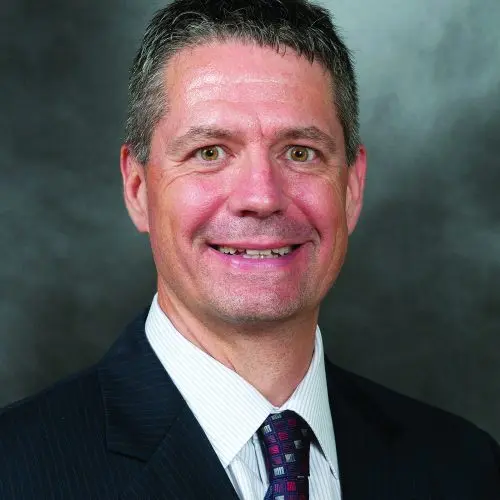
William Myers
CEO

Byanka Meacham
COO

Michael Kennedy
BOD, President
Caroline Ellison, PhD
BOD, VP
Barbara Watson Rawls
BOD, Treasurer
Clifford Rogers, EdD
BOD, Secretary
Rehab.com regularly reviews this listing for accuracy but changes may occur between updates. For the most up-to-date information, please contact MCES Crisis Residental Program.
Contact Information

1001stanbridge street
Building 45
Norristown, PA 19401
Get Help Now - 267-450-9996
Sponsored Helpline
Sponsored Helpline


