





























































































Had such a great time going there. The staff is great and always available to help. As always the people who put in the work are the ones that get results.
About New Hope Behavioral Health Center
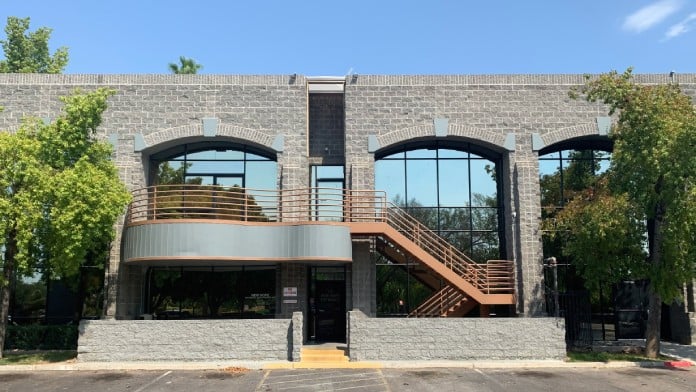
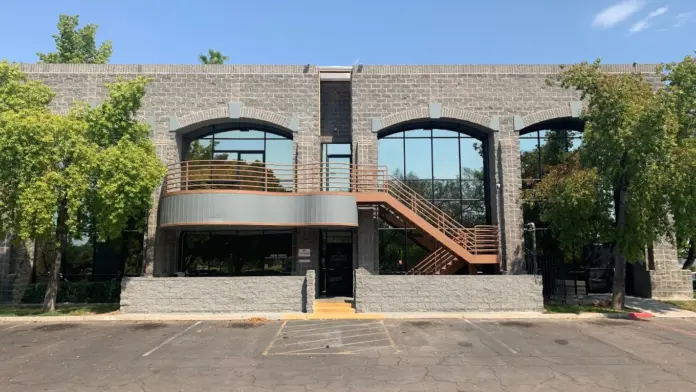
New Hope Behavioral Health Center is located in Mesa, Arizona. This is an outpatient behavioral healthcare clinic that specializes in providing treatment services to men and women who are struggling with an opioid use disorder. Offering evidence based care that’s rooted in proven recovery methods and holistic approaches to recovery, they offer support in the way you need it as you work through your addiction recovery journey.
They accept policies from most major insurance providers including Medicaid and Medicare. They also accept TRICARE for veterans, and there are different grants available that you can qualify for to help cover the cost of care.
Medication Assisted Treatment
You’ll have access to methadone maintenance treatment here, along with Suboxone maintenance. These medications help you manage cravings so that you can focus on counseling and other therapy services.
Ancillary Recovery Services
Some of the other support you’ll find here includes testing for HIV and hepatitis C, along with access to harm reduction supplies like Narcan. These are designed for those who are not yet ready to begin working through addiction struggles.
Counseling happens in both individual and group settings, and you’ll work through the complex emotional layers that are impacting your health and wellness so that you can get to the root cause of your addiction struggles. There’s also a strong focus on peer support services. With this approach, you’ll get to connect with others who have experienced similar life struggles to what you’re facing. This provides an approach to care that feels relatable, relevant and familiar.
Person Focused Recovery
While their services are very much rooted in evidence based practice, you’ll find that their philosophy of recovery encourages you to connect with yourself and build on your strengths so you can move through life in a positive manner. You’ll be encouraged to work on the relationships you value in your life, including those with family members and friends who can build that network of support you need for lasting sobriety.
Other person focused approaches include their regular community meetups that are free to patients. These meetups help you connect with others in recovery so you can continue building your network of support.
Latest Reviews
I only have good things to say about this clinic. After 8 years, and I've only had positive experiences. They always treated me beyond fairly even when I had not followed the rules. I missed bottle checks, had alcohol in my system, dropped dirty, and was still showed leniency. Shout out to Brittany, Campbell and all the check in ladies over the years. Thank you all.
I don't really care where I live, this is my clinic. The staff turnover is not bad, at all, practically non existent, many have been there for a very long time. Everyone is super caring, accommodating, and always respectful. Plus, their hours are ideal for anything life throws at you.
I have been coming here for over 15 years and would tell anyone struggling with opioid addiction that there is a place where you can find help and never have to suffer from debilitating pains in agony because your body is going thru withdraw and you will never have to suffer in silence trying to hide from your addiction that is always going to catch up with you so if your ready to free yourself from burden of having to chase pills and always wandering if you'll have enough to make it thru another day just hoping you can find someone who has some thing to stop those withdraws this is the place for you to find what your looking for. Methadone treatment saved my life and don't listen to what anyone tells you or what you may have heard about methadone treatment just make the call and come talk to one of the counselors to get the facts and then give it a chance because they don't expect anyone to be cured overnight but they can offer the support and start you on medication and give you more the next day and keep sticking to that plan to show up everyday youll keep getting a little bit more everyday by the end of your first week you will start to feel so much better by end of week 2 you'll be able to get a good night's rest 3rd week you won't worry because the withdraws will subside by week 4 you'll still be raising your dose but withdraws will be gone but you may still have cravings or you may not need to raise your dose any higher but whatever the case they will give you everything you need to get you drug free until you have no more cravings and you will soon wander why you waited so long to start treatment. Whatever excuses you have not to start or keep going back they can help with getting rides , filling application for access if you need help paying or can't pay they have lots of programs that might qualify you for help to get started on treatment so give them a call , you won't regret it and privacy for patience is a top priority so if your worried someone might find out like an employer or family member they do not and will not ever acknowledge if someone is or is not a patient so they can protect every person who walks thru their doors from having to worry about the choice to come there and consequences of someone finding out they make every patient sign a non disclosure agreement so if someone you know happens to show up one Day they are banned from exposing any person or patient or even talking about seeing someone while they are there for treatment so it's very discreet and you need to take a chance make the call and get your life back on track because your never to old to learn something new like how to live your life sober and happy so they will give you the tools you will need to succeed and I hope if I can convince just one person to try then these words will have been worth all it took to get them somewhere to let someone find them and if I save just one person that's enough for me and I hope to see you there one day

Rehab Score
 Our Methodology
Scoring is assigned by a proprietary system which helps surface key metrics that determine quality. The 10-point scale factors in categories such as operations, customer satisfaction, and trust metrics. Read Full Methodology

7.9 / 10
Gallery
Accepted Insurance

Banner University Health Plans
Health Choice
Indian Health Services (IHS)
Other Forms of Payment
Private insurance refers to any kind of healthcare coverage that isn't from the state or federal government. This includes individual and family plans offered by an employer or purchased from the Insurance Marketplace. Every plan will have different requirements and out of pocket costs so be sure to get the full details before you start treatment.
Self-pay involves paying for treatment out of your own pocket. You can use savings or credit, get a personal loan, or receive help from family and friends to fund your treatment. If you don't have insurance or your insurance plan doesn't cover a specific program, self-pay can help ensure you still get the care you need.
Financial aid can take many forms. Centers may have grants or scholarships available to clients who meet eligibility requirements. Programs that receive SAMHSA grants may have financial aid available for those who need treatment as well. Grants and scholarships can help you pai for treatment without having to repay.
Medicare is a federal program that provides health insurance for those 65 and older. It also serves people under 65 with chronic and disabling health challenges. To use Medicare for addiction treatment you need to find a program that accepts Medicare and is in network with your plan. Out of pocket costs and preauthorization requirements vary, so always check with your provider.
Military members, veterans, and eligible dependents have access to specific insurance programs that help them get the care they need. TRICARE and VA insurance can help you access low cost or no cost addiction and mental health treatment. Programs that accept military insurance often have targeted treatment focused on the unique challenges military members, veterans, and their families face.
Medicaid is a state based program that helps lower-income individuals and families pay for healthcare. Medicaid covers addiction treatment so those enrolled can use their coverage to pay for rehab. When a program accepts Medicaid the client often pays very little or nothing out of their own pocket.
Addiction Treatments
Levels of Care
Outpatient Programs (OP) are for those seeking mental rehab or drug rehab, but who also stay at home every night. The main difference between outpatient treatment (OP) and intensive outpatient treatment (IOP) lies in the amount of hours the patient spends at the facility. Most of the time an outpatient program is designed for someone who has completed an inpatient stay and is looking to continue their growth in recovery. Outpatient is not meant to be the starting point, it is commonly referred to as aftercare.
Rehab aftercare programs support clients' successful reintegration into their home, workplace, and community. Drug rehab aftercare presumes that recovery requires life-long support. These programs typically offer a wide variety of services customized for the clients' unique and evolving needs. Clients may receive vocational training and career counseling, housing assistance, legal aid, peer coaching, and 12 step program induction, among other services. Clients' case managers often play a lead role in rehab aftercare planning.
If a person denies their substance abuse behavior when confronted one-on-one, a drug intervention in Arizona may be necessary. An intervention may be formally planned with intervention services from a professional who can guide loved ones through this process. The intervention involves confronting someone with how their drinking or drug use has affected themselves and everyone around them and encourages them to get treatment.
The safest way to remove addictive substances from your body is done under the care of licensed medical professionals. Known as medically assisted detox, this level of care is typically in an inpatient setting with a team of medical experts that may include doctors, nurses, and mental health clinicians. Medications like Suboxone, methadone, or Vivitrol may be administered to help alleviate withdrawal symptoms.
Treatments
Opioid rehabs specialize in supporting those recovering from opioid addiction. They treat those suffering from addiction to illegal opioids like heroin, as well as prescription drugs like oxycodone. These centers typically combine both physical as well as mental and emotional support to help stop addiction. Physical support often includes medical detox and subsequent medical support (including medication), and mental support includes in-depth therapy to address the underlying causes of addiction.
Substance rehabs focus on helping individuals recover from substance abuse, including alcohol and drug addiction (both illegal and prescription drugs). They often include the opportunity to engage in both individual as well as group therapy.
Programs
Adult rehab programs include therapies tailored to each client's specific needs, goals, and recovery progress. They are tailored to the specific challenges adult clients may face, including family and work pressures and commitments. From inpatient and residential treatment to various levels of outpatient services, there are many options available. Some facilities also help adults work through co-occurring conditions, like anxiety, that can accompany addiction.
Young adulthood can be an exciting, yet difficult, time of transition. Individuals in their late teens to mid-20s face unique stressors related to school, jobs, families, and social circles, which can lead to a rise in substance use. Rehab centers with dedicated young adult programs will include activities and amenities that cater to this age group, with an emphasis on specialized counseling, peer socialization, and ongoing aftercare.
Recovery is most successful when clients feel accepted and validated by their peers and treatment providers. Facilities that offer LGBTQ-inclusive programming are committed to creating a safe space where everyone can grow and recover without fear of judgment or discrimination. They will have dedicated policies in place to create a safe and supportive environment that fosters free expression.
Clinical Services
Also known as CBT, cognitive behavioral therapy in Arizona is one of the most common types of psychotherapy. It offers a structured method of counseling that effectively treats substance use disorder and dual diagnosis disorders.
Dialectical behavior therapy in Arizona focuses on acceptance of your reality and behaviors while also attempting to make changes in unhealthy behaviors. It has been shown to be effective for the treatment of anxiety, depression, PTSD, and substance use disorder.
In Arizona, group therapy helps promote accountability and motivation for men and women who want to stay committed to addiction recovery. It fosters a sense of community where you can share your progress and learn new coping strategies from your peers.
Individual therapy for drug and alcohol addiction includes focused attention on the unique challenges that trigger addictive behavior. During individual therapy sessions, you have a safe space in which to discuss stressors and emotional struggles. Therapy fosters trust and open communication that helps develop personalized strategies to overcome addiction.
The goal of motivational interviewing in Arizona is to enhance your confidence in your ability to make changes in your life. It encourages you to commit to change and plan for the process of making those changes that will allow you to reach your goals.
Staff & Accreditations
Staff
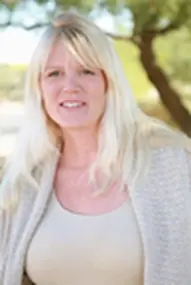
Mindi Woodruff, BSN, RN, BHP, CCS-P
Program Director
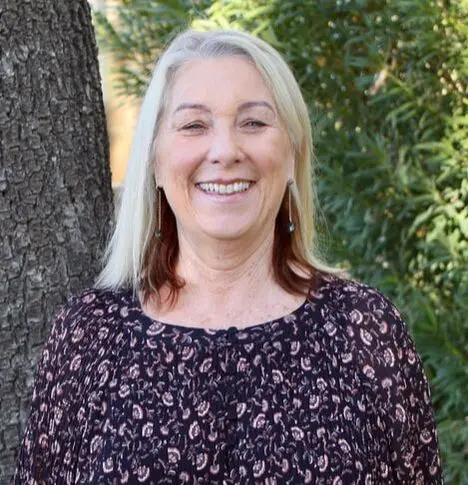
Sandi Kuhns
Human Resources/Compliance Officer
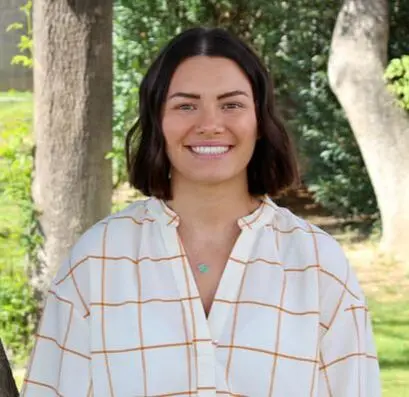
Emaley Muridan
Accounting Manager
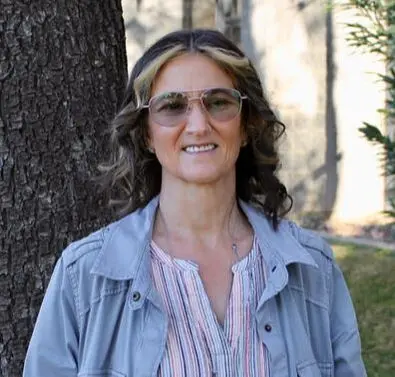
Samantha Schierhold
Senior Administrative Assistant
Accreditations

The Substance Abuse and Mental Health Services Administration (SAMHSA) is a branch of the U.S. Department of Health and Human Services. Established in 1992 by congress, SAMHSA's mission is to reduce the impact of substance abuse and mental illness on American's communities.
SAMHSA Listed: Yes

The Commission on Accreditation of Rehabilitation Facilities (CARF) is a non-profit organization that specifically accredits rehab organizations. Founded in 1966, CARF's, mission is to help service providers like rehab facilities maintain high standards of care.
CARF Accreditation: Yes

State Licenses are permits issued by government agencies that allow rehab organizations to conduct business legally within a certain geographical area. Typically, the kind of program a rehab facility offers, along with its physical location, determines which licenses are required to operate legally.
State License: Arizona

The Joint Commission, formerly known as JCAHO, is a nonprofit organization that accredits rehab organizations and programs. Founded in 1951, the Joint Commision's mission is to improve the quality of patient care and demonstrating the quality of patient care.
Joint Commission Accreditation: Yes
Rehab.com regularly reviews this listing for accuracy but changes may occur between updates. For the most up-to-date information, please contact New Hope Behavioral Health Center.
Contact Information

215 S Power Rd
#114
Mesa, AZ 85206
Get Help Now - 602-900-1258
Sponsored Helpline
Sponsored Helpline



