










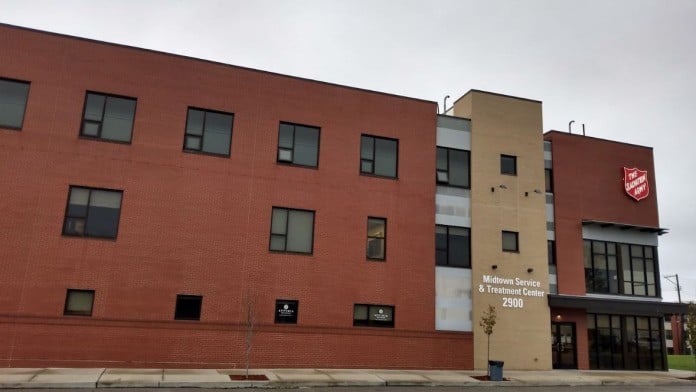
The Salvation Army Midtown Service and Treatment Center
1
Top 10 Rehab Centers In Saint Louis



















































































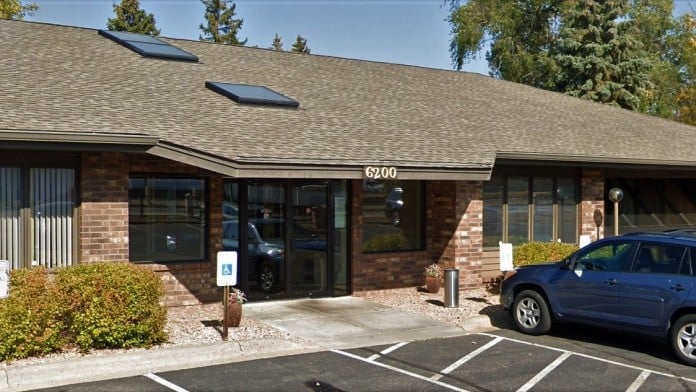
Located in St Louis Park, Minnesota, is the Professional Counseling Center. This is a recovery center that supports individuals who are struggling with substance use. You’ll find assessments, mental health services, and lodging programs that will address the behavioral health challenges you’re facing.
They have different programming options so that you can find the one that best suits your life. There’s a men’s day treatment program that also provides lodging services if you require it. This program is unique because lodging comes at no extra costs.
They also have evening programs for both their general and intensive outpatient care services. Level one and level two educational Driving with Care programs are also offered here for first time DUI offenders.
These programs rely heavily on proven practices that allow you to work through your addiction struggles. You’ll get to work with peers and an experienced medical team that provides compassionate, judgement-free care.
They offer psychiatric services including medication management and medication assisted treatment (MAT). You’ll work with your care team to determine if this is an appropriate approach to your recovery.

 Our Methodology


Private insurance refers to any kind of healthcare coverage that isn't from the state or federal government. This includes individual and family plans offered by an employer or purchased from the Insurance Marketplace. Every plan will have different requirements and out of pocket costs so be sure to get the full details before you start treatment.
Self-pay involves paying for treatment out of your own pocket. You can use savings or credit, get a personal loan, or receive help from family and friends to fund your treatment. If you don't have insurance or your insurance plan doesn't cover a specific program, self-pay can help ensure you still get the care you need.
Financial aid can take many forms. Centers may have grants or scholarships available to clients who meet eligibility requirements. Programs that receive SAMHSA grants may have financial aid available for those who need treatment as well. Grants and scholarships can help you pai for treatment without having to repay.
Sliding scale payments are based on a client's income and family size. The goal is to make treatment affordable to everyone. By taking these factors into account, addiction recovery care providers help ensure that your treatment does not become a financial burden to you or your family, eliminating one barrier to care.
Medicaid is a state based program that helps lower-income individuals and families pay for healthcare. Medicaid covers addiction treatment so those enrolled can use their coverage to pay for rehab. When a program accepts Medicaid the client often pays very little or nothing out of their own pocket.
Outpatient Programs (OP) are for those seeking mental rehab or drug rehab, but who also stay at home every night. The main difference between outpatient treatment (OP) and intensive outpatient treatment (IOP) lies in the amount of hours the patient spends at the facility. Most of the time an outpatient program is designed for someone who has completed an inpatient stay and is looking to continue their growth in recovery. Outpatient is not meant to be the starting point, it is commonly referred to as aftercare.
Intensive outpatient programs (IOP) provide one of the highest levels of care available in an outpatient setting and are designed for clients who require robust support. Many intensive outpatient rehabs offer personalized treatment plans and a variety of services, including individual, group, and family counseling, recovery-focused life skills training, holistic therapies, and medication assisted treatment (MAT). Clients typically receive between nine and 20 hours of care weekly.
To provide an environment that encourages sobriety, a sober living home in Minnesota enforces strict rules. Residents must abstain from substance use, participate in support meetings and chores, abide by a set curfew, respect their housemates, and home staff, and agree to random drug tests. As long as they abide by the halfway house rules, residents are welcome to live in the home as long as they wish. Most stay at least 90 days.
A partial hospitalization program (PHP) can provide supportive and structured care to those who don't require 24/7 supervision. It can be used as a "step-down" option after you're released from the hospital or a residential program. PHP treatment integrates evidence-based therapies, such as cognitive-behavioral therapy (CBT), and dialectical behavior therapy (DBT). The duration of a partial hospital program is tailored to meet your specific needs and goals but averages 90 days.
Withdrawal from alcohol and drugs can be uncomfortable - even dangerous - without the proper medical supervision. The safest way to remove addictive substances from your body is with a medically supervised detox where a team of on-site medical professionals can monitor your health and progress 24/7, then administer medications (like Suboxone or Vivitrol) if necessary to mitigate symptoms of withdrawal.
Mental health rehabs focus on helping individuals recover from mental illnesses like bipolar disorder, clinical depression, anxiety disorders, schizophrenia, and more. Mental health professionals at these facilities are trained to understand and treat mental health issues, both in individual and group settings.
Substance rehabs focus on helping individuals recover from substance abuse, including alcohol and drug addiction (both illegal and prescription drugs). They often include the opportunity to engage in both individual as well as group therapy.
Adult rehab programs include therapies tailored to each client's specific needs, goals, and recovery progress. They are tailored to the specific challenges adult clients may face, including family and work pressures and commitments. From inpatient and residential treatment to various levels of outpatient services, there are many options available. Some facilities also help adults work through co-occurring conditions, like anxiety, that can accompany addiction.
Young adulthood can be an exciting, yet difficult, time of transition. Individuals in their late teens to mid-20s face unique stressors related to school, jobs, families, and social circles, which can lead to a rise in substance use. Rehab centers with dedicated young adult programs will include activities and amenities that cater to this age group, with an emphasis on specialized counseling, peer socialization, and ongoing aftercare.
Therapists often use cognitive behavioral therapy in Minnesota to treat substance use disorders because it can help clients quickly identify challenges and ways to cope with them. Its structured, specific methods require fewer sessions than other types of therapy.
Dialectical behavior therapy focuses on four skills: emotional regulation, mindfulness, acceptance and distress tolerance, and interpersonal effectiveness. Treatment involves individual sessions, as well as group sessions where you can start applying the skills you learn.
In individual therapy, a patient meets one-on-one with a trained psychologist or counselor. Therapy is a pivotal part of effective substance abuse treatment, as it often covers root causes of addiction, including challenges faced by the patient in their social, family, and work/school life.
When conducting motivational interviewing in Minnesota, the interviewer encourages clients to discuss their reasons for making changes and their need for change in their lives. The interviewer's role is to listen and reflect, to evoke conversation about commitment to change.
Treatment Director
Medical Director

The Commission on Accreditation of Rehabilitation Facilities (CARF) is a non-profit organization that specifically accredits rehab organizations. Founded in 1966, CARF's, mission is to help service providers like rehab facilities maintain high standards of care.
CARF Accreditation: Yes

The Joint Commission, formerly known as JCAHO, is a nonprofit organization that accredits rehab organizations and programs. Founded in 1951, the Joint Commision's mission is to improve the quality of patient care and demonstrating the quality of patient care.
Joint Commission Accreditation: Yes
Rehab.com regularly reviews this listing for accuracy but changes may occur between updates. For the most up-to-date information, please contact Professional Counseling Center.

6200 Excelsior Blvd
Suites 203 and 204 St.
Saint Louis Park, MN 55416
Sponsored Helpline

The best treatment center

I love this place. My boyfriend went here and he’s a different man Thank you Paris

Ok I'm if u want change this is a place to come to the staff is one of the best in there field. The owner is the best in this field simply put if you where building a team like basball of any other teams signed Michael Lyle stucky

I did a rule 25 and the man who did it made me feel very uncomfortable, I also haven't heard from them on the next steps!! So now I will be going thru a better known place!!
 Back
Back
Sharing your insights and experiences can help others learn more about this rehab center.
 Written By: Nadia El-Yaouti
M. Ed.
Written By: Nadia El-Yaouti
M. Ed.

