






























































































When I got there they attended me quickly, they gave me a room, and make sure to run the necessary tests to determined the proper way to help me. They all were friendly and understanding about how I was feeling and did their best to help me.
About Saint Vincent Behavioral Services
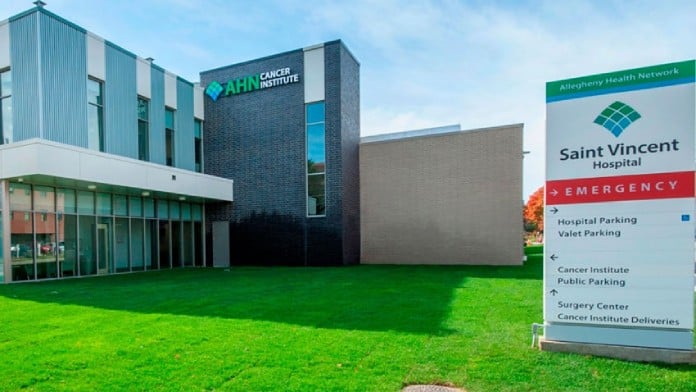
Saint Vincent Health Center–Behavioral Health, in Erie, Pennsylvania, is an addiction recovery and mental health care center for adults. They specialize in intensive inpatient care, with dedicated programming for seniors, young adults, persons with hearing impairments, and persons with co-occurring addiction and mental illness.
The inpatient program allows clients to focus on their recovery in a highly structured and supportive environment. Clients receive medical and mental health assessments, personalized care planning, and comprehensive case management. They also engage in intensive, trauma informed, CBT based psychotherapy, including individual, group, and family counseling. Evidence based complementary therapies, including experiential and recreational therapies, are available.
Saint Vincent Health Center–Behavioral Health promotes clients’ long term recovery through wraparound care, including robust aftercare planning. Transitional support for clients exiting inpatient care and entering sober living housing or outpatient treatment is included. Additional services, such as medical, mental health, and social service program referrals, are available.
Saint Vincent Health Center–Behavioral Health accepts private insurance, military insurance, Medicaid, Medicare, and self pay. Financial aid is available.
Facility Overview
 371
371 Number of Available Beds
 15 - 30'
 Avg Length of Stay in Days
Latest Reviews
I just delivered my first baby here (scheduled induction vaginal delivery) , we were here for 4 nights total and our experience was amazing. The nurses in Labor&Delivery( Victoria, Kiana, Amanda, Jade) and postpartum( Laurie, Dawn, Alyssa) are absolute angels. They were so attentive, made me so comfortable from beginning to end, they were amazing at handling our baby . Midwife Mindy Clark delivered him and with her and the nurses directions had him out in 5 minutes!! You are in luck if you get any of these nurses, or midwives Mindy or Judith on your care team . Blanking on anesthesiologist name but he did a great job with the epidural, and doctor who offered to insert foley balloon last minute before her shift was over just to help me out!! I was in such capable hands and so thankful for these amazing people who work here ! Only complaint is the lady the first night taking food orders would not let me" double order " even though I was prescribed double ordering think her name was Janine?!! Otherwise all the food was amazing and highly recommend having your baby at St Vincent's!!!!!
Response from the owner3 weeks ago
Hello Ev. Congratulations to you and your family on the birth of your baby! Thank you for sharing your experience and for the 5-star rating. We’re glad your care went smoothly and that you felt confident in your treatment. Our team is committed to safe, high-quality care, and it’s great to know that came through during your experience. 💚 – AHN Social Media Team
Very wonderful hospital to many trolls leaving bad reviews
Response from the owner3 weeks ago
Thank you for the positive review. We’re glad to know your experience went well. 💚 – AHN Social Media Team
Ella from labor and delivery deserves a raise everybody here was so great 💗💗💗💗💗
Response from the owner3 weeks ago
Hello Dani. We’re delighted to hear that our team made a positive difference during your experience. Providing high-quality compassionate care is at the heart of what we do. Thank you for choosing us and for sharing your comments. 💚 – AHN Social Media Team 
Rehab Score
 Our Methodology
Scoring is assigned by a proprietary system which helps surface key metrics that determine quality. The 10-point scale factors in categories such as operations, customer satisfaction, and trust metrics. Read Full Methodology

8.5 / 10
Gallery

Accepted Insurance
Other Forms of Payment
Private insurance refers to any kind of healthcare coverage that isn't from the state or federal government. This includes individual and family plans offered by an employer or purchased from the Insurance Marketplace. Every plan will have different requirements and out of pocket costs so be sure to get the full details before you start treatment.
Self-pay involves paying for treatment out of your own pocket. You can use savings or credit, get a personal loan, or receive help from family and friends to fund your treatment. If you don't have insurance or your insurance plan doesn't cover a specific program, self-pay can help ensure you still get the care you need.
Financial aid can take many forms. Centers may have grants or scholarships available to clients who meet eligibility requirements. Programs that receive SAMHSA grants may have financial aid available for those who need treatment as well. Grants and scholarships can help you pai for treatment without having to repay.
Sliding scale payments are based on a client's income and family size. The goal is to make treatment affordable to everyone. By taking these factors into account, addiction recovery care providers help ensure that your treatment does not become a financial burden to you or your family, eliminating one barrier to care.
Medicare is a federal program that provides health insurance for those 65 and older. It also serves people under 65 with chronic and disabling health challenges. To use Medicare for addiction treatment you need to find a program that accepts Medicare and is in network with your plan. Out of pocket costs and preauthorization requirements vary, so always check with your provider.
Military members, veterans, and eligible dependents have access to specific insurance programs that help them get the care they need. TRICARE and VA insurance can help you access low cost or no cost addiction and mental health treatment. Programs that accept military insurance often have targeted treatment focused on the unique challenges military members, veterans, and their families face.
Medicaid is a state based program that helps lower-income individuals and families pay for healthcare. Medicaid covers addiction treatment so those enrolled can use their coverage to pay for rehab. When a program accepts Medicaid the client often pays very little or nothing out of their own pocket.
Addiction Treatments
Levels of Care
Outpatient rehabs specialize in providing comprehensive care for clients who choose to remain in their homes and communities during treatment. Their services may include transitional support for clients stepping down from intensive inpatient programming. Ambulatory medical detox may be provided for clients at low risk for withdrawal complications. Many programs include evening, night, and weekend services to accommodate clients who are working professionals or caregivers. Addiction counseling and life skills training are common treatment modalities.
Inpatient rehab provides clients with an opportunity to focus solely on their sobriety away from the stressors of the home and workplace. Clients receive housing, food, and intensive clinical supervision. They also typically engage in multiple addiction counseling sessions each week, including daily individual, group, and/or family sessions. Most programs also prioritize recovery-focused life skills training, including courses in relapse prevention. Many facilities offer evidence-based holistic therapies, such as yoga and meditation.
Clients receiving services from a rehab aftercare program are usually stable and in the maintenance phase of recovery, having completed detox and/or intensive inpatient treatment. Rehab aftercare services can vary widely based on clients' individual and evolving needs, but often include peer coaching, relapse prevention support, 12 step program induction, and medical, mental health, and social service referrals. Individual care plans are typically developed by the client in partnership with their case manager and care team.
12 step programs prioritize the recovery journey as a life-long process based on personal spiritual growth and ongoing peer support. Regular attendance at 12 step meetings, which are held multiple times each day in most communities, is expected. Participants also receive one-on-one mentoring by a self-selected peer sponsor. The 12 steps are designed to encourage participants' self-compassion, awareness, acceptance, and accountability. Dedicated programs for specialized groups, including seniors, teens, and families, are common.
Intervention services bring extensive experience to the planning and conducting of drug interventions in Pennsylvania. These experts can facilitate interventions in a sensitive manner that encourages positive outcomes. The goal of the intervention is to educate the individual about addiction and the consequences of their substance use and encourage them to get the treatment they need. Interventions can be effective with all types of drugs and alcohol addiction.
With a partial hospitalization program (PHP), you can participate in intensive rehabilitation treatment with the ability to return home at the end of the day. For a weekly minimum of 20 hours, a partial hospitalization program can take place up to 5 days a week for an average of 90 days. During PHP treatment, you can receive relapse prevention strategies, medication management, individual and group therapy, and other behavioral therapy interventions.
A medical detox is the safest way to wean your body off drugs and/or alcohol in an inpatient setting. When detoxing from addictive substances, the physical and psychological side effects of withdrawal can cause mood swings, anxiety, nausea, or flu-like symptoms. In medically assisted detox, a team of medical professionals are on hand 24/7 to help alleviate potential withdrawal symptoms, administer medications to alleviate withdrawal symptoms, and ultimately keep you safe and comfortable throughout this process.
Clients engaged in intensive outpatient programs (IOP) live and work in their home community while receiving frequent, high-level care. These programs offer personalized care designed to evolve with the clients' changing needs. Many intensive outpatient rehabs require a minimum of nine hours of treatment per week, but high-risk clients and those in early recovery may receive up to 20 hours of care weekly. IOP services generally include addiction counseling, recovery education, and holistic therapies, such as massage.
Treatments
Mental health rehabs focus on helping individuals recover from mental illnesses like bipolar disorder, clinical depression, anxiety disorders, schizophrenia, and more. Mental health professionals at these facilities are trained to understand and treat mental health issues, both in individual and group settings.
Alcoholism is a syndrome of dependent alcohol use. Also called alcohol use disorder (AUD), the symptoms include craving alcohol, not being able to stop drinking, and feeling anxious or irritable when not drinking. For many people, alcohol rehab in Pennsylvania is a beneficial treatment. Programs offer many levels of care, including medical and behavioral therapies.
Drug rehab in Pennsylvania is devoted to the treatment of addiction. Levels of care, treatment methods, and settings differ, but the aim of each program is to end drug dependency and empower participants to achieve long-term recovery.
 Opioid Addiction
In Pennsylvania, substance abuse treatment programs can help address addiction and any co-occurring mental health problems. These programs incorporate evidence-based therapies such as cognitive-behavioral therapy (CBT), dialectical behavior therapy (DBT), and psychoeducation to help you uncover the underlying causes for your substance use and develop new skills to help you manage stress and overcome future triggers which may challenge your sobriety.
Programs
Adult rehab programs include therapies tailored to each client's specific needs, goals, and recovery progress. They are tailored to the specific challenges adult clients may face, including family and work pressures and commitments. From inpatient and residential treatment to various levels of outpatient services, there are many options available. Some facilities also help adults work through co-occurring conditions, like anxiety, that can accompany addiction.
Young adulthood can be an exciting, yet difficult, time of transition. Individuals in their late teens to mid-20s face unique stressors related to school, jobs, families, and social circles, which can lead to a rise in substance use. Rehab centers with dedicated young adult programs will include activities and amenities that cater to this age group, with an emphasis on specialized counseling, peer socialization, and ongoing aftercare.
Recovery is most successful when clients feel accepted and validated by their peers and treatment providers. Facilities that offer LGBTQ-inclusive programming are committed to creating a safe space where everyone can grow and recover without fear of judgment or discrimination. They will have dedicated policies in place to create a safe and supportive environment that fosters free expression.
Serving in the military is both mentally and physically challenging, and can result in trauma that persists even after combat ends. Military programs are tailored to the specific and often complex needs of active duty personnel, veterans, and military families. Clients often access these programs through the U.S. Department of Veterans Affairs (VA).
Men face specific challenges and concerns when seeking addiction treatment. Gender-specific recovery programs help them tackle these issues head-on in an environment that's focused, targeted, and distraction-free. It also gives them the opportunity to connect with and learn from other men who have been through a similar journey and can offer support for the next step.
Rehabs for women provide a safe, nurturing space for female clients to heal. These treatment programs consider the specific obstacles that women can face during recovery and place a special emphasis on mental, social, physical, and reproductive health. They explore how each woman's experience has shaped the trajectory of their substance use, addressing issues such as sexual abuse and past trauma.
Clinical Services
Cognitive Behavioral Therapy (CBT) is a therapy modality that focuses on the relationship between one's thoughts, feelings, and behaviors. It is used to establish and allow for healthy responses to thoughts and feelings (instead of unhealthy responses, like using drugs or alcohol). CBT has been proven effective for recovering addicts of all kinds, and is used to strengthen a patient's own self-awareness and ability to self-regulate. CBT allows individuals to monitor their own emotional state, become more adept at communicating with others, and manage stress without needing to engage in substance abuse.
Group therapy is any therapeutic work that happens in a group (not one-on-one). There are a number of different group therapy modalities, including support groups, experiential therapy, psycho-education, and more. Group therapy involves treatment as well as processing interaction between group members.
Personalized therapy sessions in Pennsylvania typically include a safe and nonjudgmental setting in which you can express your deepest emotions and feelings and explore the factors that have contributed to addiction. Therapists tailor the sessions to help you develop healthier thought patterns and behaviors, which improve your self control and build a foundation for your long term sobriety.
Trauma therapy addresses traumatic incidents from a client's past that are likely affecting their present-day experience. Trauma is often one of the primary triggers and potential causes of addiction, and can stem from child sexual abuse, domestic violence, having a parent with a mental illness, losing one or both parents at a young age, teenage or adult sexual assault, or any number of other factors. The purpose of trauma therapy is to allow a patient to process trauma and move through and past it, with the help of trained and compassionate mental health professionals.
Research clearly demonstrates that recovery is far more successful and sustainable when loved ones like family members participate in rehab and substance abuse treatment. Genetic factors may be at play when it comes to drug and alcohol addiction, as well as mental health issues. Family dynamics often play a critical role in addiction triggers, and if properly educated, family members can be a strong source of support when it comes to rehabilitation.
Dialectical behavior therapy in Pennsylvania is an evidence based technique that involves group therapy, individual therapy, and phone coaching. Group sessions focus on learning behavioral skills. Individual therapy gives you the opportunity to apply what you're learning to your personal situations. Phone coaching allows you to call your therapist during the week for help with challenging situations.
Amenities
-
 Residential Setting
 -
 Private Rooms
 -
 Gym
Gym -
 Recreation Room
Staff & Accreditations
Staff

Christopher Clark, DO
President, Saint Vincent Hospital
Stephen R Hribar, MD
Chief Medical Officer, Saint Vincent Hospital
Karen Surkala
Chief Operating Officer, Saint Vincent Hospital
Daniel Muccio, MD
Chief Medical Officer, Saint Vincent Hospital
Accreditations

The Joint Commission, formerly known as JCAHO, is a nonprofit organization that accredits rehab organizations and programs. Founded in 1951, the Joint Commision's mission is to improve the quality of patient care and demonstrating the quality of patient care.
Joint Commission Accreditation: Yes

The Substance Abuse and Mental Health Services Administration (SAMHSA) is a branch of the U.S. Department of Health and Human Services. Established in 1992 by congress, SAMHSA's mission is to reduce the impact of substance abuse and mental illness on American's communities.
SAMHSA Listed: Yes

State Licenses are permits issued by government agencies that allow rehab organizations to conduct business legally within a certain geographical area. Typically, the kind of program a rehab facility offers, along with its physical location, determines which licenses are required to operate legally.
State License: Pennsylvania
Rehab.com regularly reviews this listing for accuracy but changes may occur between updates. For the most up-to-date information, please contact Saint Vincent Behavioral Services.
Contact Information

232 West 25th street
Erie PA, 16544
Get Help Now - 412-729-2267
Sponsored Helpline
Sponsored Helpline



