




























































































About Sandra Eskenazi Mental Health Center
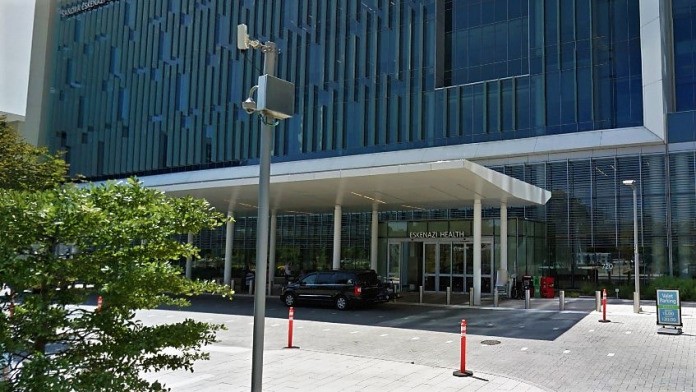
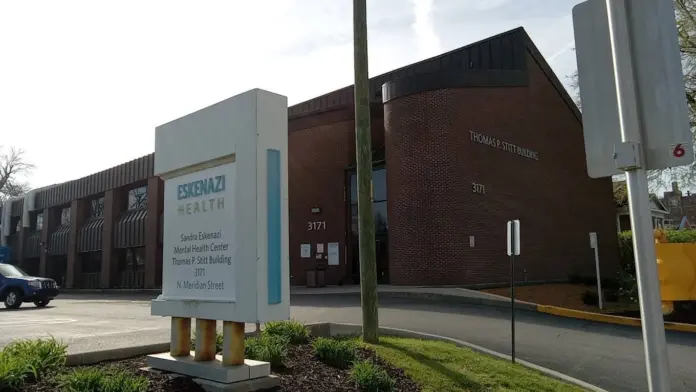
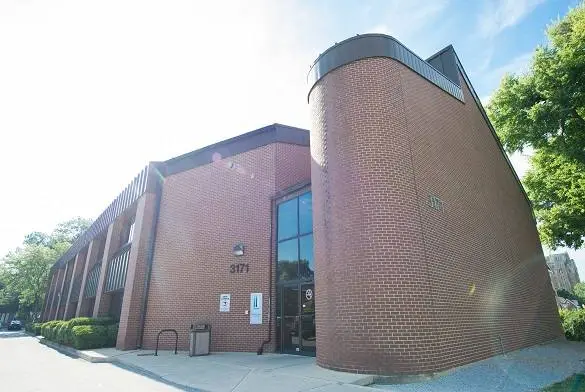
Sandra Eskenzai Mental Health Center is a facility in Indianapolis, Indiana, that offers addiction treatment services for adults and adolescents. The treatments available at this location include medication assisted recovery and group therapy. The facility also provides fentanyl test strips to the community to test drugs for the presence of fentanyl.
A Supportive Environment for Youth Recovery
Substance use can occur differently in youth clients than it does in adult clients. Some of the common causes of addiction in children and adolescents include peer pressure and a history of traumatic events. The staff at Sandara Eskenazi Mental Health Center can perform an assessment to determine if your loved one has a substance use disorder.
When the diagnosis is confirmed, the youth client can begin receiving evidence based treatments to start the process of recovery. The therapeutic approaches that might be used during counseling include trauma focussed cognitive behavioral therapy and motivational enhancement therapy. The treatment team can also provide parenting skills training to help parents know the best way to support their child in recovery.
Multiple Addiction Treatment Services For Adults
The facility provides a wide range of addiction treatment services for adults. Clients can receive medication to assist with their withdrawal symptoms and cravings.
They can also be provided psychiatric services to determine if medication might be helpful for a mental illness contributing to their addiction. In addition to individual and group therapy, case management services are available to guide you to any resources you may need for continued healing.
Continued Recovery in Indianapolis
Finding hobbies to enjoy in Indianapolis will be a part of continuing your recovery from addiction. The Children’s Museum of Indianapolis can be a great place for you and your family and friends to have fun. The museum features science labs, a carousel, and a planetarium.
Latest Reviews



Rehab Score
 Our Methodology


Gallery
Accepted Insurance

Other Forms of Payment
Private insurance refers to any kind of healthcare coverage that isn't from the state or federal government. This includes individual and family plans offered by an employer or purchased from the Insurance Marketplace. Every plan will have different requirements and out of pocket costs so be sure to get the full details before you start treatment.
Self-pay involves paying for treatment out of your own pocket. You can use savings or credit, get a personal loan, or receive help from family and friends to fund your treatment. If you don't have insurance or your insurance plan doesn't cover a specific program, self-pay can help ensure you still get the care you need.
Medicaid is a state based program that helps lower-income individuals and families pay for healthcare. Medicaid covers addiction treatment so those enrolled can use their coverage to pay for rehab. When a program accepts Medicaid the client often pays very little or nothing out of their own pocket.
Medicare is a federal program that provides health insurance for those 65 and older. It also serves people under 65 with chronic and disabling health challenges. To use Medicare for addiction treatment you need to find a program that accepts Medicare and is in network with your plan. Out of pocket costs and preauthorization requirements vary, so always check with your provider.
Financial aid can take many forms. Centers may have grants or scholarships available to clients who meet eligibility requirements. Programs that receive SAMHSA grants may have financial aid available for those who need treatment as well. Grants and scholarships can help you pai for treatment without having to repay.
Addiction Treatments
Levels of Care
Outpatient Programs (OP) are for those seeking mental rehab or drug rehab, but who also stay at home every night. The main difference between outpatient treatment (OP) and intensive outpatient treatment (IOP) lies in the amount of hours the patient spends at the facility. Most of the time an outpatient program is designed for someone who has completed an inpatient stay and is looking to continue their growth in recovery. Outpatient is not meant to be the starting point, it is commonly referred to as aftercare.
Completing a drug or alcohol rehab program shouldn't spell the end of substance abuse treatment. Aftercare involves making a sustainable plan for recovery, including ongoing support. This can include sober living arrangements like halfway houses, career counseling, and setting a patient up with community programs like Alcoholics Anonymous (AA) or Narcotics Anonymous (NA).
Persons who require high-level support but who do not wish to leave their homes or communities may enroll in an intensive outpatient program (IOP). Clients typically commit to a minimum of nine treatment hours across three therapeutic sessions per week, but many programs offer up to 20 hours of care weekly. Most intensive outpatient rehabs provide a combination of psychotherapy, recovery education, and holistic care. Medication assisted treatment (MAT) is widely available for those in alcohol or opioid recovery.
When families plan a drug intervention in Indiana, the goal is to create self-awareness in their loved one, so they acknowledge the need for treatment and get help. A professional interventionist can work with the individual's family members to organize this intervention and provide direction for follow-up. During the intervention, loved ones share how the individual's substance abuse has affected them, and the interventionist adds a clinical perspective on how treatment can help the situation.
Programs
Adult rehab programs include therapies tailored to each client's specific needs, goals, and recovery progress. They are tailored to the specific challenges adult clients may face, including family and work pressures and commitments. From inpatient and residential treatment to various levels of outpatient services, there are many options available. Some facilities also help adults work through co-occurring conditions, like anxiety, that can accompany addiction.
Young adulthood can be an exciting, yet difficult, time of transition. Individuals in their late teens to mid-20s face unique stressors related to school, jobs, families, and social circles, which can lead to a rise in substance use. Rehab centers with dedicated young adult programs will include activities and amenities that cater to this age group, with an emphasis on specialized counseling, peer socialization, and ongoing aftercare.
Clinical Services
When you participate in cognitive behavioral therapy in Indiana, you'll learn to recognize distorted thinking that has led to substance use. Your therapist will help you establish new patterns of thinking and healthy ways to cope with challenges that don't involve substance use.
Motivational interviewing aims to stimulate the client's personal motivation and commitment to change. Rather than receive advice and warnings from the therapist, the client is given the opportunity to share their concerns and reach their own conclusions.
During trauma therapy in Indiana, your therapist helps you process traumatic experiences and learn how they affect your emotional, mental, and physical responses. You learn effective coping strategies that help to reduce the symptoms and improve your mental health and well being.
Staff & Accreditations
Staff

Lisa E. Harris, M.D
CEO
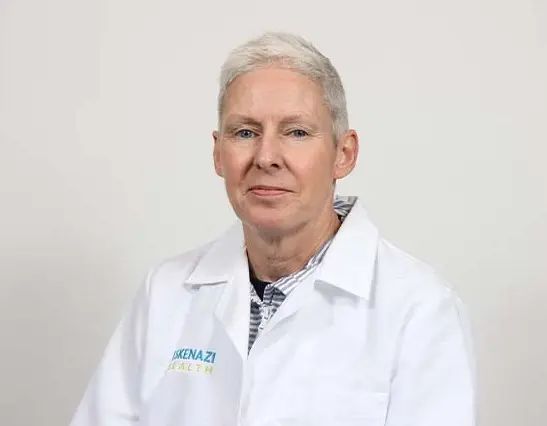
Angela Luessow, PMHNP-BC
Psychiatry
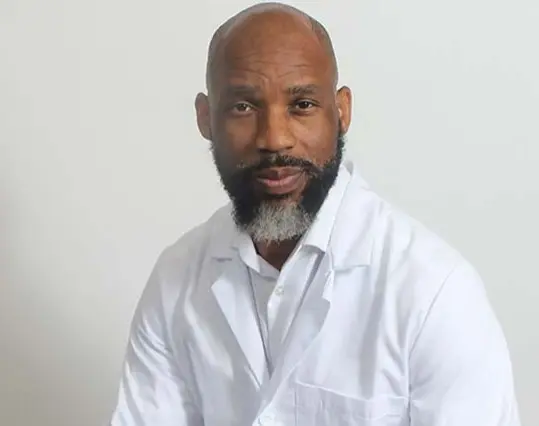
Robert Patterson, M.D
Psychiatry
Accreditations

State Licenses are permits issued by government agencies that allow rehab organizations to conduct business legally within a certain geographical area. Typically, the kind of program a rehab facility offers, along with its physical location, determines which licenses are required to operate legally.
State License: Indiana

The Joint Commission, formerly known as JCAHO, is a nonprofit organization that accredits rehab organizations and programs. Founded in 1951, the Joint Commision's mission is to improve the quality of patient care and demonstrating the quality of patient care.
Joint Commission Accreditation: Yes

The Substance Abuse and Mental Health Services Administration (SAMHSA) is a branch of the U.S. Department of Health and Human Services. Established in 1992 by congress, SAMHSA's mission is to reduce the impact of substance abuse and mental illness on American's communities.
SAMHSA Listed: Yes
Rehab.com regularly reviews this listing for accuracy but changes may occur between updates. For the most up-to-date information, please contact Sandra Eskenazi Mental Health Center.
Contact Information


3171 N Meridian St
Indianapolis, IN 46208
Sponsored Helpline



