Get Help Now
Question iconSponsored Helpline
Phone icon 800-784-1361
Claim Profile

Skyward Recovery Addiction Treatment Center

529 N. New York Avenue
Sugar Land, TX 67901
Claim Profile
1
Top 10 Rehab In Sugar Land
Taylor Recovery Center TX 77478
1
Top 10 Rehab In Sugar Land

About Skyward Recovery Addiction Treatment Center

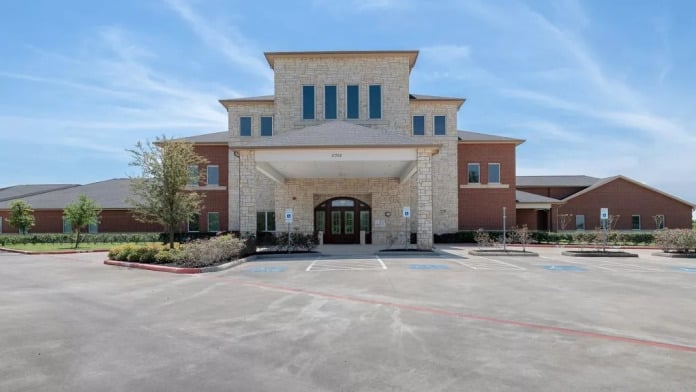
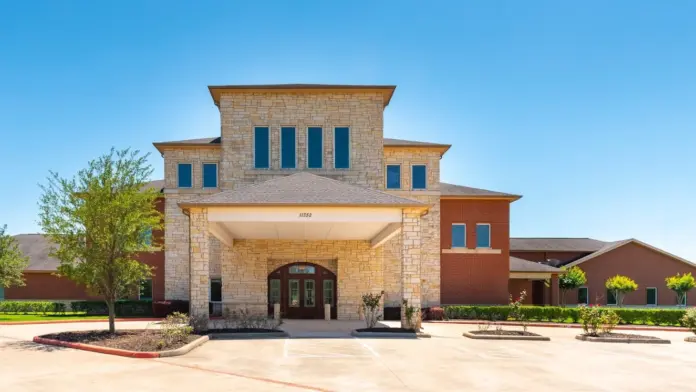
Taylor Recovery Center is a luxury, 12 step-focused rehab for adults in Sugar Land, Texas. Services include assertive community treatment (ACT), dual diagnosis care, medically supervised detox, and inpatient, outpatient, and aftercare support.

Clients undergoing detox receive round-the-clock medical supervision. FDA-approved medications may be prescribed to ease withdrawal symptoms and prevent potentially serious complications.

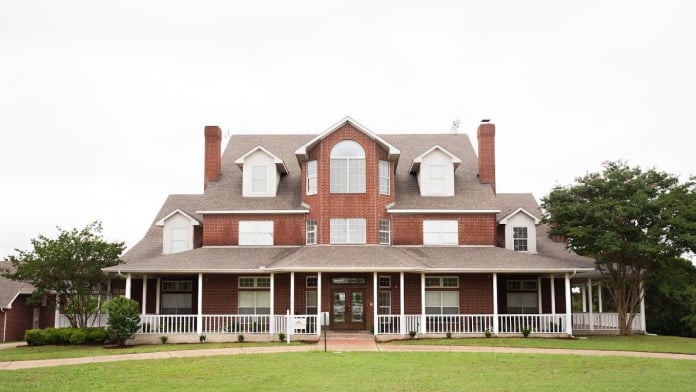
The inpatient program allows clients to focus on their recovery in a secluded, home-like environment with premium amenities, including private rooms and pet-friendly accommodations. Clients engage in intensive, trauma-informed, DBT-based psychotherapy, including individual, group, and family counseling. An array of evidence-based complementary therapies is available, including animal therapy, recreational therapy, experiential therapy, and nutrition therapy.

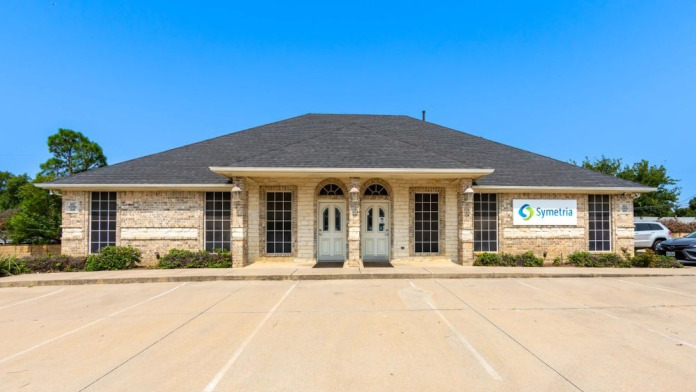
The outpatient program promotes clients’ long-term recovery through a robust continuum of care aligned with clients’ evolving needs. Their step-down approach encompasses multiple levels of care, including partial hospitalization (PHP), intensive outpatient (IOP), standard outpatient, and sober living programming. Their comprehensive aftercare services are designed to facilitate clients’ successful reintegration into their home, workplace, and community and may include career counseling, 12 step program facilitation, and referrals for medical, mental health, and social service programs.

Taylor Recovery Center is LegitScript certified and accredited by the Joint Commission. They accept private insurance, Magellan Health, and self-pay.

Similar Rehab Centers

Fact checked and written by:
Terri Beth Miller, PhD
Edited by:
Quentin Blount

Facility Overview

Dollar icon $30000
Avg Cost per Day

Latest Reviews

judy
3 weeks ago on Google
5
taylor recovery is the best! I came in and despite acting sort of out of control for a while, i was treated kindly and patiently by the staff and was able to detox and recover incredibly peacefully! The facility is clean and the food is delicious (thanks chef john and mark!) the beds are comfortable and the rooms have tvs. we there are a variety of great counselors who are patient and yet persistent in leading you to a better self. both the day and night techs are incredibly kind, patient, and accomodating.
Kryste Mill
4 weeks ago on Google
5
I came into Skyward treatment alone, lost, and completely broken. Not only was the entry process easy, but the ENTIRE staff went above and beyond to help me get there. I was warmly greeted by the techs the night I came in, terrified and so very nervous, they made me feel right at home. I had the privilege of meeting the manager Stephanie the next day and she warmly greeted me with a huge hug and open arms. I knew I was in the right place and would be safe. This place not only saved my life, but it CHANGED me as a person. The one-on-one counseling, along with their therapeutic way of treatment (CBT) was EXACTLY what I needed to begin my sober journey. My time there was not very easy on my mind and body, but the entire team came together on multiple occasions to make sure all my needs were met and I was given the best care possible for the 60 days that I was there. I would ABSOLUTELY recommend this place to anyone struggling with the dual diagnosis of mental health and substance abuse. Dawn, the NP is amazing. Thank you Jacob, Stephanie, Kat, Eric, all of the nursing staff, counselors, and also every tech! You all are AMAZING. The work this place puts in, in order to help people get clean and healthy again is beyond admirable. If you're looking for change, and a new start at life, Skyward is the place to go. I promise you, you will NOT regret it.
Q
4 weeks ago on Google
5
Taylor Recovery Center in Sugar Land is a truly compassionate and professional rehab facility. From the moment I reached out, the admissions guy made the process seamless by helping with insurance verification and approvals. The staff combines evidence-based treatment with genuine care, creating a safe and supportive environment for healing. I appreciated the variety of programs offered—from medically supervised detox to inpatient and outpatient care—tailored to meet my individual needs. The facility is accredited, pet-friendly, and focused on treating the whole person: mind, body, and spirit. Their approach gave me the tools to rebuild my life and the confidence to move forward in sobriety. I highly recommend Taylor Recovery Center to anyone seeking recovery in Sugar Land.
Rehab.com icon

Rehab Score

Question iconOur Methodology
Scoring is assigned by a proprietary system which helps surface key metrics that determine quality. The 10-point scale factors in categories such as operations, customer satisfaction, and trust metrics. Read Full MethodologyCaret icon
Gauge icon
7.7 / 10

Accepted Insurance

Please contact to verify your specific insurance provider.

Skyward Recovery Addiction Treatment Center works with several private insurance providers, please contact to verify your specific insurance provider.

Other Forms of Payment

Self-pay involves paying for treatment out of your own pocket. You can use savings or credit, get a personal loan, or receive help from family and friends to fund your treatment. If you don't have insurance or your insurance plan doesn't cover a specific program, self-pay can help ensure you still get the care you need.

Private insurance refers to any kind of healthcare coverage that isn't from the state or federal government. This includes individual and family plans offered by an employer or purchased from the Insurance Marketplace. Every plan will have different requirements and out of pocket costs so be sure to get the full details before you start treatment.

Addiction Treatments

Levels of Care

12-step programs are addiction recovery models based on Alcoholics Anonymous (AA). A number of substance abuse programs (including some drug and alcohol rehab centers) use the 12 steps as a basis for treatment. Beginning steps involve admitting powerlessness over the addiction and creating a spiritual basis for recovery. Middle steps including making direct amends to those who've been hurt by the addiction, and the final step is to assist others in addiction recovery in the same way. 12-Step offshoots including Narcotics Anonymous (NA), Cocaine Anonymous (CA), Dual Recovery Anonymous (DRA), Sex and Love Addicts Anonymous (SLAA) and Gamblers Anonymous (GA).

At certain points in the recovery process, it's important to have support available 24/7. 24-hour clinical care offers a safe environment in which to recover from drug or alcohol addiction in peace, knowing medical detox and other treatment will happen with professionals on hand.

Intensive Outpatient Programs (IOP) are for those who want or need a very structured treatment program but who also wish to live at home and continue with certain responsibilities (such as work or school). IOP substance abuse treatment programs vary in duration and intensity, and certain outpatient rehab centers will offer individualized treatment programs.

A partial hospitalization program (PHP) is a short-term form of intensive rehab, usually for those with acute symptoms that are hard to manage but don’t require 24-hour care. PHPs have structured programming (i.e. individual and/or group therapy), and usually meet 3-5 days a week for around 6 hours (i.e. 9am-3m). Some PHPs are residential (patients sleep on site) and some are not, so patients sleep at home. PHPs can last from 1-6 months, and some offer transportation and meals.

Drug and alcohol addiction often takes a heavy toll on one's body. Over time, a physical dependence can develop, meaning the body physiologically needs the substance to function. Detox is the process of removing drugs and/or alcohol from the body, a process that can be lethal if mismanaged. Medical detox is done by licensed medical professionals who monitor vital signs and keep you safe, healthy, and as comfortable as possible as you go through detox and withdrawal. The length of stay at the detoxification program is determined according to the specific needs of the patient.

Completing a drug or alcohol rehab program shouldn't spell the end of substance abuse treatment. Aftercare involves making a sustainable plan for recovery, including ongoing support. This can include sober living arrangements like halfway houses, career counseling, and setting a patient up with community programs like Alcoholics Anonymous (AA) or Narcotics Anonymous (NA).

Sober Living Houses (SLHs), aka sober homes or halfway houses, are safe, substance-free, supportive living facilities for those recovering from substance abuse. Ideal for those who've just been through inpatient or outpatient treatment, SLHs are supervised environments with rules that support sobriety, such as curfews, shared chores, and therapeutic meetings. Residents are also often trained on life skills and coping skills to make it easier to transition into society. SLHs also provide a strong sense of community that can lead to the kind of deep and lasting connections with other sober individuals that supports a new, healthy lifestyle.

Outpatient Programs (OP) are for those seeking mental rehab or drug rehab, but who also stay at home every night. The main difference between outpatient treatment (OP) and intensive outpatient treatment (IOP) lies in the amount of hours the patient spends at the facility. Most of the time an outpatient program is designed for someone who has completed an inpatient stay and is looking to continue their growth in recovery. Outpatient is not meant to be the starting point, it is commonly referred to as aftercare.

Inpatient rehab programs are geared toward clients in early recovery. They also provide intensive support for clients in crisis and those at an increased relapse risk. Clients receive housing and meals while in inpatient care, allowing them to focus solely on their recovery. Most programs prioritize addiction counseling but may draw on various psychotherapeutic modalities, including CBT, DBT, RBT, trauma therapy, and motivational interviewing. Life skills training and holistic therapies are also common in inpatient care.

Treatments

The goal of treatment for alcoholism is abstinence. Those with poor social support, poor motivation, or psychiatric disorders tend to relapse within a few years of treatment. For these people, success is measured by longer periods of abstinence, reduced use of alcohol, better health, and improved social functioning. Recovery and Maintenance are usually based on 12 step programs and AA meetings.

During rehab in Texas, you'll deal with underlying issues that contribute to addiction. By addressing these challenges and learning healthy ways to cope with them, you'll develop strategies that help you live a drug-free lifestyle.

Many of those suffering from addiction also suffer from mental or emotional illnesses like schizophrenia, bipolar disorder, depression, or anxiety disorders. Rehab and other substance abuse facilities treating those with a dual diagnosis or co-occurring disorder administer psychiatric treatment to address the person's mental health issue in addition to drug and alcohol rehabilitation.

Mental health rehabs focus on helping individuals recover from mental illnesses like bipolar disorder, clinical depression, anxiety disorders, schizophrenia, and more. Mental health professionals at these facilities are trained to understand and treat mental health issues, both in individual and group settings.

Substance rehabs focus on helping individuals recover from substance abuse, including alcohol and drug addiction (both illegal and prescription drugs). They often include the opportunity to engage in both individual as well as group therapy.

opium iconOpioid Addiction

Programs

Adult rehab programs include therapies tailored to each client's specific needs, goals, and recovery progress. They are tailored to the specific challenges adult clients may face, including family and work pressures and commitments. From inpatient and residential treatment to various levels of outpatient services, there are many options available. Some facilities also help adults work through co-occurring conditions, like anxiety, that can accompany addiction.

Young adulthood can be an exciting, yet difficult, time of transition. Individuals in their late teens to mid-20s face unique stressors related to school, jobs, families, and social circles, which can lead to a rise in substance use. Rehab centers with dedicated young adult programs will include activities and amenities that cater to this age group, with an emphasis on specialized counseling, peer socialization, and ongoing aftercare.

Clinical Services

Dialectical Behavior Therapy (DBT) is a modified form of Cognitive Behavioral Therapy (CBT), a treatment designed to help people understand and ultimately affect the relationship between their thoughts, feelings, and behaviors. DBT is often used for individuals who struggle with self-harm behaviors, such as self-mutilation (cutting) and suicidal thoughts, urges, or attempts. It has been proven clinically effective for those who struggle with out-of-control emotions and mental health illnesses like Borderline Personality Disorder.

Experiential therapy is a form of therapy in which clients are encouraged to surface and work through subconscious issues by engaging in real-time experiences. Experiential therapy departs from traditional talk therapy by involving the body, and having clients engage in activities, movements, and physical and emotional expression. This can involve role-play or using props (which can include other people). Experiential therapy can help people process trauma, memories, and emotion quickly, deeply, and in a lasting fashion, leading to substantial and impactful healing.

Research clearly demonstrates that recovery is far more successful and sustainable when loved ones like family members participate in rehab and substance abuse treatment. Genetic factors may be at play when it comes to drug and alcohol addiction, as well as mental health issues. Family dynamics often play a critical role in addiction triggers, and if properly educated, family members can be a strong source of support when it comes to rehabilitation.

Group therapy is any therapeutic work that happens in a group (not one-on-one). There are a number of different group therapy modalities, including support groups, experiential therapy, psycho-education, and more. Group therapy involves treatment as well as processing interaction between group members.

In individual therapy, a patient meets one-on-one with a trained psychologist or counselor. Therapy is a pivotal part of effective substance abuse treatment, as it often covers root causes of addiction, including challenges faced by the patient in their social, family, and work/school life.

Nutrition therapy, aka medical nutrition therapy (MNT), is a way of treating physical, emotional, and medical conditions through diet. Specific dietary plans are designed by professional nutritionists or registered dietitians, and patients follow them in order to positively affect their physical and mental health.

Recreational therapy (aka therapeutic recreation) uses creative and fun activities to help with addiction recovery. Recreational therapists lead patients in entertaining and engaging activities like sports or games; art (drawing, painting, sculpture); drama, music, and dance; and/or community outings (field trips) to improve patients' physical, social, and emotional well-being.

Trauma therapy addresses traumatic incidents from a client's past that are likely affecting their present-day experience. Trauma is often one of the primary triggers and potential causes of addiction, and can stem from child sexual abuse, domestic violence, having a parent with a mental illness, losing one or both parents at a young age, teenage or adult sexual assault, or any number of other factors. The purpose of trauma therapy is to allow a patient to process trauma and move through and past it, with the help of trained and compassionate mental health professionals.

The goal of cognitive behavioral therapy (CBT) in Texas is to change thought patterns, which leads to changes in behavior. Specific techniques during CBT can include self talk, SMART goals, journaling, and positive activities.

Therapy sessions that incorporate motivational interviewing focus on OARS: open questions, affirmation, reflections, and summarizing. This facilitates an exchange of information and an empowering of the client to decide for themselves what changes might need to be made in their lives.

Amenities

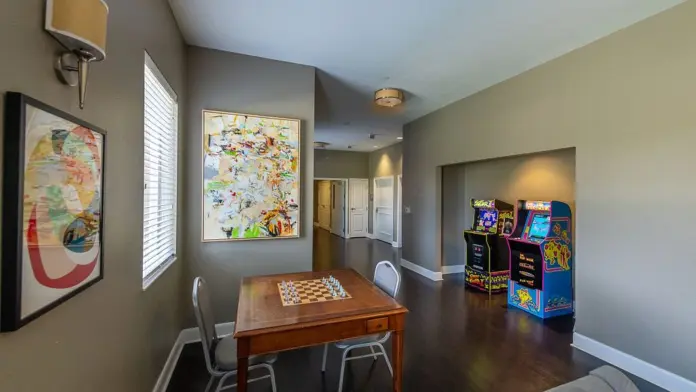
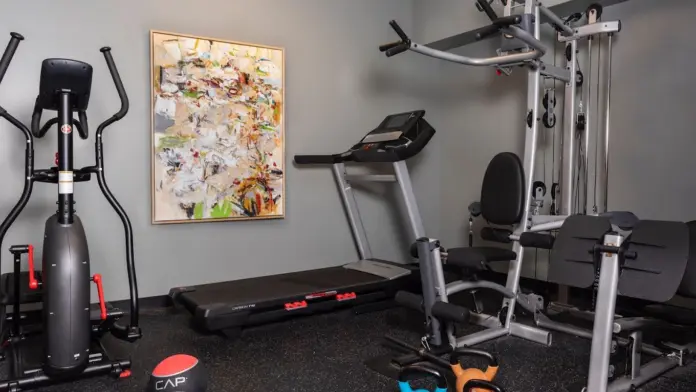
  • private iconPrivate Setting
  • private-room iconPrivate Rooms
  • weight iconGym
  • pet iconPet Friendly

Accreditations

The Joint Commission, formerly known as JCAHO, is a nonprofit organization that accredits rehab organizations and programs. Founded in 1951, the Joint Commision's mission is to improve the quality of patient care and demonstrating the quality of patient care.

Joint Commission Accreditation: Yes
Accreditation Number: 625878

LegitScript has reviewed Skyward Recovery Addiction Treatment Center as part of their certification program, and has determined that it meets the LegitScript standards for legality, safety and transparency.

LegitScript verified in November 2019

Contact Information

Building icon

529 N. New York Avenue
Liberal, KS 67901

Explore Other Centers Near Sugar Land

Reviews of Skyward Recovery Addiction Treatment Center

4.66/5 (82 reviews)
5
Staff
5
Amenities
5
Meals
5
Value
5
Cleanliness
5
75
4
1
3
1
2
1
1
9

Reviews

5
The Sober Life

My daughter admitted herself into Taylor Recovery, she was ready to get her life back. She has nothing but praise for the care and concern that all the staff and counselors have for the patients while going thru this difficult time in their life. So if you or a loved one is ... Read More

glenda r.
Reviewed on 5/25/2024
Staff
5
Amenities
5
Meals
5
Value
5
Cleanliness
5
Overall Experience
Date Submitted
Reviewer

Google Reviews

4.6543209876543 (81 reviews)
judy
3 weeks ago
5

taylor recovery is the best! I came in and despite acting sort of out of control for a while, i was treated kindly and patiently by the staff and was able to detox and recover incredibly peacefully! The facility is clean and the food is delicious (thanks chef john and mark!) the beds are comfortable and the rooms have tvs. we there are a variety of great counselors who are patient and yet persistent in leading you to a better self. both the day and night techs are incredibly kind, patient, and accomodating.

Kryste Mill
4 weeks ago
5

I came into Skyward treatment alone, lost, and completely broken. Not only was the entry process easy, but the ENTIRE staff went above and beyond to help me get there. I was warmly greeted by the techs the night I came in, terrified and so very nervous, they made me feel right at home. I had the privilege of meeting the manager Stephanie the next day and she warmly greeted me with a huge hug and open arms. I knew I was in the right place and would be safe. This place not only saved my life, but it CHANGED me as a person. The one-on-one counseling, along with their therapeutic way of treatment (CBT) was EXACTLY what I needed to begin my sober journey. My time there was not very easy on my mind and body, but the entire team came together on multiple occasions to make sure all my needs were met and I was given the best care possible for the 60 days that I was there. I would ABSOLUTELY recommend this place to anyone struggling with the dual diagnosis of mental health and substance abuse. Dawn, the NP is amazing. Thank you Jacob, Stephanie, Kat, Eric, all of the nursing staff, counselors, and also every tech! You all are AMAZING. The work this place puts in, in order to help people get clean and healthy again is beyond admirable. If you're looking for change, and a new start at life, Skyward is the place to go. I promise you, you will NOT regret it.

Q
4 weeks ago
5

Taylor Recovery Center in Sugar Land is a truly compassionate and professional rehab facility. From the moment I reached out, the admissions guy made the process seamless by helping with insurance verification and approvals. The staff combines evidence-based treatment with genuine care, creating a safe and supportive environment for healing. I appreciated the variety of programs offered—from medically supervised detox to inpatient and outpatient care—tailored to meet my individual needs. The facility is accredited, pet-friendly, and focused on treating the whole person: mind, body, and spirit. Their approach gave me the tools to rebuild my life and the confidence to move forward in sobriety. I highly recommend Taylor Recovery Center to anyone seeking recovery in Sugar Land.

Courtney Hardesty
1 month ago
5

Extremely friendly staff. Someone is always there to talk rather your upset or just need someone to talk too. I learned so much about my addiction and how to live a sober life. Highly recommend Skyward!

Overall Experience
Date Submitted
No reviews matching the selected filter!
Get Help Now
Question iconSponsored Helpline

Phone icon 800-784-1361

Left arrow iconBack

Write a review for Skyward Recovery Addiction Treatment Center

Sharing your insights and experiences can help others learn more about this rehab center.

Title of Your Review
This is a required field
Your Review

Reviews comments must comply with our Review Policy Content Standards. Please do not use names (job titles / positions are acceptable) of any individual or identifying features, abusive remarks, or allegations of negligence or criminal activity.

A minimum of 200 characters and max of 2,000 characters required.
This is a required field
How would you rate the facility on the following?*
Overall Experience
Must select a star rating
Accomodations & Amenities
Must select a star rating
Meals & Nutrition
N/A
Must select a star rating
Treatment Effectiveness
Must select a star rating
Admissions Process
Must select a star rating
Staff & Friendliness
Must select a star rating
Cleanliness
Must select a star rating
Value for Cost
Must select a star rating
What is your connection to this facility?
This is a required field
Your Name*
This is a required field
Your Email*
This is a required field
Spinner icon Submitting your review...
Thumbs up icon Your review was successfully submitted.

Nearby Featured Providers

Get Help Today Phone icon 800-823-7153
Question iconSponsored Helpline