




































































































About United Bronx Parents
United Bronx Parents, operating as part of Acacia Network provides addiction treatment for women 18 and older in Bronx, New York. The program, known as the Lorraine Montenegro Women and Children residence, provides long-term inpatient care for adult women seeking recovery in a supportive, gender-specific environment. With a focus on trauma-informed principles and care, the program addresses both addiction and co-occurring mental health needs.
Addiction Care for Women
Women enter treatment through assessment and begin with services that may include medically supervised detox. This service provides safety and comfort so clients can begin the healing phase without outside distractions. Medication-assisted treatment options including buprenorphine and medications for mental health conditions, support stabilization and long-term recovery.
Guests transition into long-term residential care. The residential program offers structure, safety and a continuum that can extend to outpatient services as clients progress in their recovery journey.
Trauma Focus
Treatment includes individual and group therapy using approaches such as trauma-related therapy. Guests can address any past events that may have contributed to substance use and reframe negative thinking for a healthier outlook.
The program also offers substance use education, relapse prevention, anger management, job training support and health education for HIV/AIDS and Hepatitis C.
Latest Reviews



Rehab Score
 Our Methodology


Location
Other Forms of Payment
Private insurance refers to any kind of healthcare coverage that isn't from the state or federal government. This includes individual and family plans offered by an employer or purchased from the Insurance Marketplace. Every plan will have different requirements and out of pocket costs so be sure to get the full details before you start treatment.
Self-pay involves paying for treatment out of your own pocket. You can use savings or credit, get a personal loan, or receive help from family and friends to fund your treatment. If you don't have insurance or your insurance plan doesn't cover a specific program, self-pay can help ensure you still get the care you need.
Financial aid can take many forms. Centers may have grants or scholarships available to clients who meet eligibility requirements. Programs that receive SAMHSA grants may have financial aid available for those who need treatment as well. Grants and scholarships can help you pai for treatment without having to repay.
Medicaid is a state based program that helps lower-income individuals and families pay for healthcare. Medicaid covers addiction treatment so those enrolled can use their coverage to pay for rehab. When a program accepts Medicaid the client often pays very little or nothing out of their own pocket.
Addiction Treatments
Levels of Care
Outpatient rehabs offer an intermediate level of care for clients who do not require the kind of intensive supervision and support an inpatient program typically provides. Many clients transition into outpatient care immediately after exiting inpatient treatment. Others enter outpatient programs upon completing detox. Some facilities offer ambulatory medical detox for clients who do not require hospitalization. Most outpatient rehabs offer a combination of services, including addiction counseling, life skills training, and medication assisted treatment (MAT).
Residential treatment programs are those that offer housing and meals in addition to substance abuse treatment. Rehab facilities that offer residential treatment allow patients to focus solely on recovery, in an environment totally separate from their lives. Some rehab centers specialize in short-term residential treatment (a few days to a week or two), while others solely provide treatment on a long-term basis (several weeks to months). Some offer both, and tailor treatment to the patient's individual requirements.
Medical detox involves weaning your body off of addictive substances in a medically supervised environment. If you've become dependent on alcohol and/or drugs, quitting on your own can be uncomfortable and even dangerous. In medically assisted detox, a team of licensed medical professionals will help manage potential withdrawal symptoms, ensuring that you're as safe and comfortable as possible. This process typically takes about 5-7 days, although the length will depend on your individual needs.
Programs
Adult rehab programs include therapies tailored to each client's specific needs, goals, and recovery progress. They are tailored to the specific challenges adult clients may face, including family and work pressures and commitments. From inpatient and residential treatment to various levels of outpatient services, there are many options available. Some facilities also help adults work through co-occurring conditions, like anxiety, that can accompany addiction.
Young adulthood can be an exciting, yet difficult, time of transition. Individuals in their late teens to mid-20s face unique stressors related to school, jobs, families, and social circles, which can lead to a rise in substance use. Rehab centers with dedicated young adult programs will include activities and amenities that cater to this age group, with an emphasis on specialized counseling, peer socialization, and ongoing aftercare.
Clinical Services
Cognitive behavioral therapy (CBT) in New York is a short term therapeutic method used to treat substance use and mental health disorders. CBT typically lasts from five to 20 sessions, based on the individual's needs.
Men and women receive emotional support from their peers during group therapy sessions. These are typically people who face the same struggles that you do. This exposure fosters a sense of camaraderie and community while reducing feelings of isolation and loneliness that often accompany addiction.
Men and women in New York undergoing one on one individual therapy for drug and alcohol addiction treatment will address the unique psychological and emotional aspects that are often associated with addiction triggers. Your therapist helps you build a relapse prevention plan and set achievable goals to improve your mental health and achieve long term sobriety.
Introduced in 1983, motivational interviewing is a method to help clients commit to change. It's based on the philosophy that change is hard, and clients must explore their own options and come to their own conclusions rather than receive warnings or advice from the therapist.
Trauma therapy involves working through the psychological and emotional impact of a traumatic event. You learn to identify the triggers and develop coping mechanisms that build a sense of safety and trust in yourself.
Family therapy helps individual members of the family unit navigate the complexities of addiction. Therapists provide you with the tools you need to improve communication skills and conflict resolution. When families work together, they can support their loved one's recovery and help to restore balance and harmony within the household.
Staff
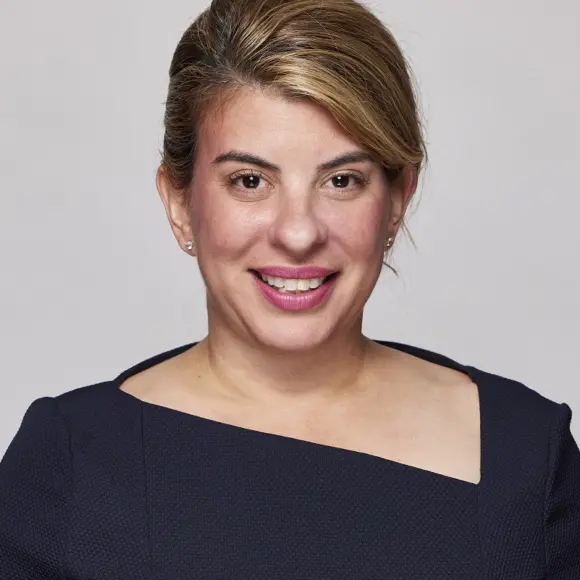
Lymaris Albors
CEO
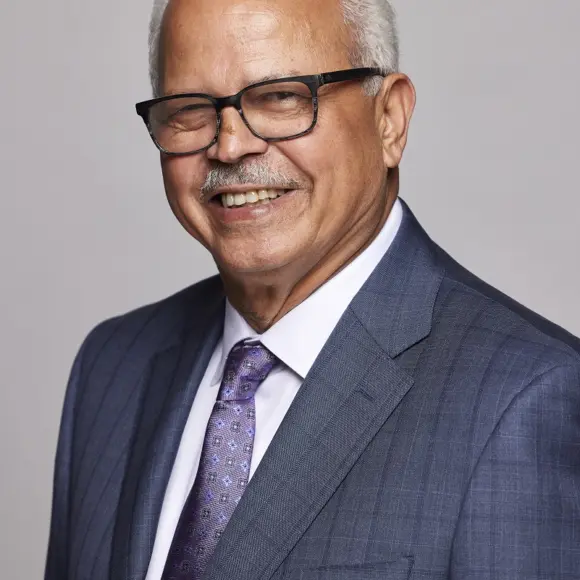
Raul Russi
President

Jose A. Rodriguez, Esq
Executive VP & Chief Legal Officer

Vicky Gatell
Executive VP & CFO

Maria Del Carmen Arroyo
Chief Administrative Officer

David C. Collymore, MD
Chief Medical Officer
Contact Information


966 Prospect Ave
Bronx, NY 10459
Sponsored Helpline

