Get Help Now
Question iconSponsored Helpline

Phone icon 800-784-1361
Claim Profile

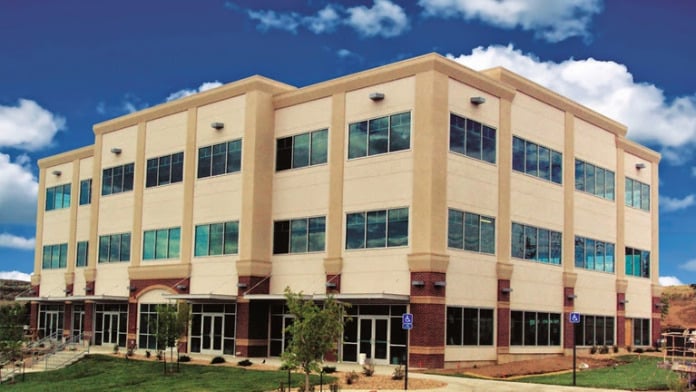
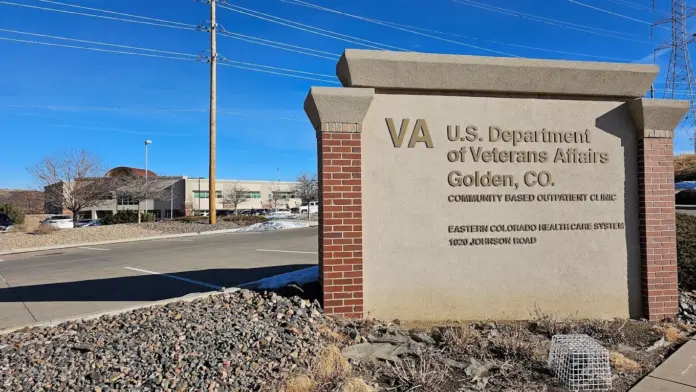
Golden VA Clinic

1020 Johnson Road
Golden, CO 80401
Claim Profile
VA Eastern Colorado Health Care System - Golden OP Clinic CO 80401

About Golden VA Clinic

In the outpatient program, clients are assigned to a care coordinator and undergo individual and group counseling to address co-occurring mental and behavioral health disorders. Clients may receive trauma therapy, emotional wellness training, and family conferencing. Clients may also receive primary care, laboratory work, and prescriptions as needed.

Golden Clinic offers continual care and support for alumni. Referrals to other VA centers and outside programs may be available.

Golden Clinic offers self pay and financing options. The center may be in network with insurance providers such as Aetna, Beacon, BlueCross/BlueShield, ChampVA, Molina, Optum, and TRICARE. Please check your coverage as out of network benefits vary.

Similar Rehab Centers

Fact checked and written by:
Peter Lee, PhD
Edited by:
Kerry Nenn, BSW

Latest Reviews

Rob RobertF
1 week ago on Google
4
A very good clinic. I used for audiology. Took quite a while to get an appointment, Reception folks are pleasant and helpful; doc spent appropriate amount of time assessing my audiology test and fitting and tuning my hearing aids once they arrived.
PuzzlePalace
1 week ago on Google
5
The Golden VA clinic is superb. From Primary Care to Audiology, my experience has been excellent. My primary care physician, Dr. David Kresin and his team are extremely well qualified, caring, professional and responsive to my needs as a patient. I definitely have a high level of confidence in my Primary Care team and the VA and appreciate each of them. The audiology department at this location is spectacular. Modern and high tech equipment operated by qualified and caring professionals has resulted a tremendous improvement in my quality of life. U.S. military veterans are lucky to have this VA facility and those professionals who staff it.
telerover
3 months ago on Google
5
I'm switching my VA primary care physician from Aurora to Golden. More convenient for driving
Rehab.com icon

Rehab Score

Question iconOur Methodology
Scoring is assigned by a proprietary system which helps surface key metrics that determine quality. The 10-point scale factors in categories such as operations, customer satisfaction, and trust metrics. Read Full MethodologyCaret icon
Gauge icon
7.4 / 10

Other Forms of Payment

Private insurance refers to any kind of healthcare coverage that isn't from the state or federal government. This includes individual and family plans offered by an employer or purchased from the Insurance Marketplace. Every plan will have different requirements and out of pocket costs so be sure to get the full details before you start treatment.

Self-pay involves paying for treatment out of your own pocket. You can use savings or credit, get a personal loan, or receive help from family and friends to fund your treatment. If you don't have insurance or your insurance plan doesn't cover a specific program, self-pay can help ensure you still get the care you need.

Financial aid can take many forms. Centers may have grants or scholarships available to clients who meet eligibility requirements. Programs that receive SAMHSA grants may have financial aid available for those who need treatment as well. Grants and scholarships can help you pai for treatment without having to repay.

Military members, veterans, and eligible dependents have access to specific insurance programs that help them get the care they need. TRICARE and VA insurance can help you access low cost or no cost addiction and mental health treatment. Programs that accept military insurance often have targeted treatment focused on the unique challenges military members, veterans, and their families face.

Addiction Treatments

Levels of Care

Outpatient Programs (OP) are for those seeking mental rehab or drug rehab, but who also stay at home every night. The main difference between outpatient treatment (OP) and intensive outpatient treatment (IOP) lies in the amount of hours the patient spends at the facility. Most of the time an outpatient program is designed for someone who has completed an inpatient stay and is looking to continue their growth in recovery. Outpatient is not meant to be the starting point, it is commonly referred to as aftercare.

Clients entering an inpatient rehab typically require more intensive treatment than those in outpatient care. Clients often start inpatient treatment immediately after completing a detox program. Upon admission, they engage in extensive psychotherapy, receive recovery-focused life skills training, and participate in evidence-based complementary therapies, such as meditation, massage, acupuncture, and/or animal, creative arts, recreational, and experiential therapy.

Clients engaged in a rehab aftercare program have completed active addiction treatment and are receiving services designed to promote their sustained sobriety. Drug rehab aftercare typically encompasses a wide variety of medical, mental health, and social services meant to facilitate clients' reintegration into their home, workplace, and community. Clients typically collaborate with their case manager and/or recovery team to identify and access the services they need, often including peer coaching, career counseling, and care referrals.

Addiction recovery based on a 12 step program model is rooted in peer support and spiritual development. Participants regularly attend 12 step meetings, which are free, anonymous, peer-led, and available throughout the day and night in most communities. Clients' recovery is achieved progressively as they work through the 12 steps, which teach them to understand and address the root causes of their addiction, become accountable for their choices, and relinquish control over that which cannot be changed.

Treatments

Many of those suffering from addiction also suffer from mental or emotional illnesses like schizophrenia, bipolar disorder, depression, or anxiety disorders. Rehab and other substance abuse facilities treating those with a dual diagnosis or co-occurring disorder administer psychiatric treatment to address the person's mental health issue in addition to drug and alcohol rehabilitation.

Mental health rehabs focus on helping individuals recover from mental illnesses like bipolar disorder, clinical depression, anxiety disorders, schizophrenia, and more. Mental health professionals at these facilities are trained to understand and treat mental health issues, both in individual and group settings.

Programs

Adult rehab programs include therapies tailored to each client's specific needs, goals, and recovery progress. They are tailored to the specific challenges adult clients may face, including family and work pressures and commitments. From inpatient and residential treatment to various levels of outpatient services, there are many options available. Some facilities also help adults work through co-occurring conditions, like anxiety, that can accompany addiction.

Young adulthood can be an exciting, yet difficult, time of transition. Individuals in their late teens to mid-20s face unique stressors related to school, jobs, families, and social circles, which can lead to a rise in substance use. Rehab centers with dedicated young adult programs will include activities and amenities that cater to this age group, with an emphasis on specialized counseling, peer socialization, and ongoing aftercare.

Recovery is most successful when clients feel accepted and validated by their peers and treatment providers. Facilities that offer LGBTQ-inclusive programming are committed to creating a safe space where everyone can grow and recover without fear of judgment or discrimination. They will have dedicated policies in place to create a safe and supportive environment that fosters free expression.

Serving in the military is both mentally and physically challenging, and can result in trauma that persists even after combat ends. Military programs are tailored to the specific and often complex needs of active duty personnel, veterans, and military families. Clients often access these programs through the U.S. Department of Veterans Affairs (VA).

Clinical Services

Cognitive Behavioral Therapy (CBT) is a therapy modality that focuses on the relationship between one's thoughts, feelings, and behaviors. It is used to establish and allow for healthy responses to thoughts and feelings (instead of unhealthy responses, like using drugs or alcohol). CBT has been proven effective for recovering addicts of all kinds, and is used to strengthen a patient's own self-awareness and ability to self-regulate. CBT allows individuals to monitor their own emotional state, become more adept at communicating with others, and manage stress without needing to engage in substance abuse.

Group therapy is any therapeutic work that happens in a group (not one-on-one). There are a number of different group therapy modalities, including support groups, experiential therapy, psycho-education, and more. Group therapy involves treatment as well as processing interaction between group members.

In individual therapy, a patient meets one-on-one with a trained psychologist or counselor. Therapy is a pivotal part of effective substance abuse treatment, as it often covers root causes of addiction, including challenges faced by the patient in their social, family, and work/school life.

Trauma therapy addresses traumatic incidents from a client's past that are likely affecting their present-day experience. Trauma is often one of the primary triggers and potential causes of addiction, and can stem from child sexual abuse, domestic violence, having a parent with a mental illness, losing one or both parents at a young age, teenage or adult sexual assault, or any number of other factors. The purpose of trauma therapy is to allow a patient to process trauma and move through and past it, with the help of trained and compassionate mental health professionals.

Whether a marriage or other committed relationship, an intimate partnership is one of the most important aspects of a person's life. Drug and alcohol addiction affects both members of a couple in deep and meaningful ways, as does rehab and recovery. Couples therapy and other couples-focused treatment programs are significant parts of exploring triggers of addiction, as well as learning how to build healthy patterns to support ongoing sobriety.

Research clearly demonstrates that recovery is far more successful and sustainable when loved ones like family members participate in rehab and substance abuse treatment. Genetic factors may be at play when it comes to drug and alcohol addiction, as well as mental health issues. Family dynamics often play a critical role in addiction triggers, and if properly educated, family members can be a strong source of support when it comes to rehabilitation.

Life skills trainings involve all the skills a person must have in order to function successfully in the world. These include time management, career guidance, money management, and effective communication. Truly successful addiction recovery is based on the ability to not only live substance-free, but to thrive. Life skills teaches the practical necessities of functioning in society, which sets clients up for success in life, and therefore sobriety.

Amenities

  • home-setting iconResidential Setting
  • private iconPrivate Setting

Staff & Accreditations

Staff

Jaime Areizaga-Soto

Chairman of the Board of Veterans’ Appeals

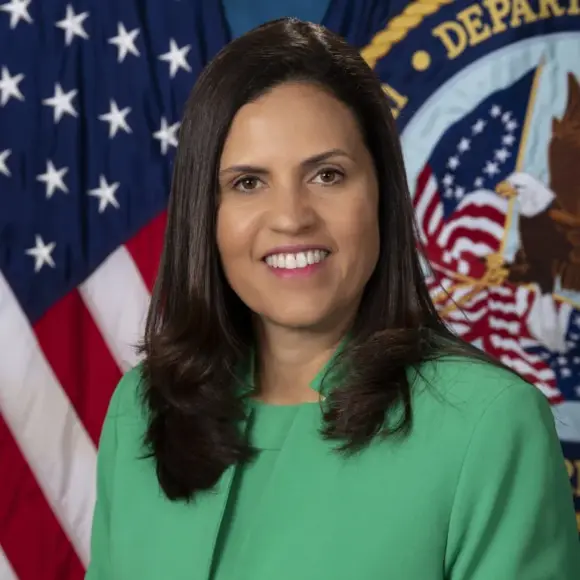
Tanya Bradsher

VA Deputy Secretary

Kurt DelBene

Assistant Secretary for Information and Technology and Chief Information Officer

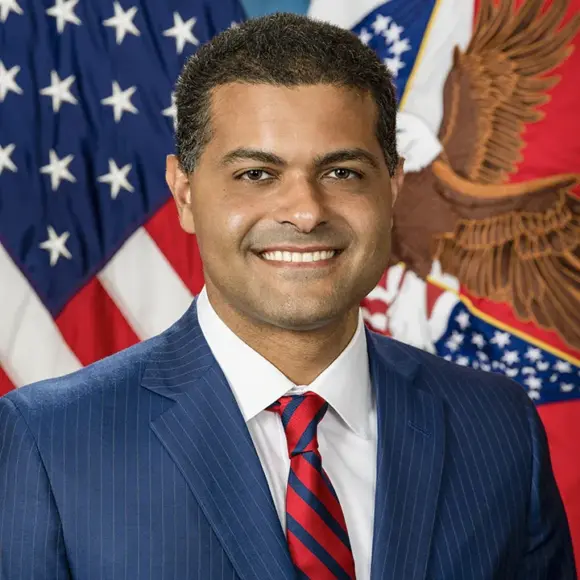
Dr. Shereef Elnahal

Under Secretary for Health

Accreditations

The Joint Commission, formerly known as JCAHO, is a nonprofit organization that accredits rehab organizations and programs. Founded in 1951, the Joint Commision's mission is to improve the quality of patient care and demonstrating the quality of patient care.

Joint Commission Accreditation: Yes
Accreditation Number: 385147

Contact Information

Building icon

1020 Johnson Road
Golden, CO 80401

Explore Other Centers Near Golden

Reviews of Golden VA Clinic

4.08/5 (143 reviews)
0
Staff
0
Amenities
0
Meals
0
Value
0
Cleanliness
5
97
4
15
3
4
2
4
1
25

Reviews

4

I have had the most wonderful experience in this clinic, they have treated me with great respect and professionalism. It is a great help for the veterans of our community. Extreme willingness to help!

Reviewed on 2/26/2019
Overall Experience
Date Submitted
Reviewer

Google Reviews

4.0845070422535 (142 reviews)
Rob RobertF
1 week ago
4

A very good clinic. I used for audiology. Took quite a while to get an appointment, Reception folks are pleasant and helpful; doc spent appropriate amount of time assessing my audiology test and fitting and tuning my hearing aids once they arrived.

PuzzlePalace
1 week ago
5

The Golden VA clinic is superb. From Primary Care to Audiology, my experience has been excellent. My primary care physician, Dr. David Kresin and his team are extremely well qualified, caring, professional and responsive to my needs as a patient. I definitely have a high level of confidence in my Primary Care team and the VA and appreciate each of them. The audiology department at this location is spectacular. Modern and high tech equipment operated by qualified and caring professionals has resulted a tremendous improvement in my quality of life. U.S. military veterans are lucky to have this VA facility and those professionals who staff it.

Matthew Arellano
1 month ago
5

telerover
3 months ago
5

I'm switching my VA primary care physician from Aurora to Golden. More convenient for driving

Overall Experience
Date Submitted
No reviews matching the selected filter!
Get Help Now
Question iconSponsored Helpline

Phone icon 800-784-1361

Left arrow iconBack

Write a review for Golden VA Clinic

Sharing your insights and experiences can help others learn more about this rehab center.

Title of Your Review
This is a required field
Your Review

Reviews comments must comply with our Review Policy Content Standards. Please do not use names (job titles / positions are acceptable) of any individual or identifying features, abusive remarks, or allegations of negligence or criminal activity.

A minimum of 200 characters and max of 2,000 characters required.
This is a required field
How would you rate the facility on the following?*
Overall Experience
Must select a star rating
Accomodations & Amenities
Must select a star rating
Meals & Nutrition
N/A
Must select a star rating
Treatment Effectiveness
Must select a star rating
Admissions Process
Must select a star rating
Staff & Friendliness
Must select a star rating
Cleanliness
Must select a star rating
Value for Cost
Must select a star rating
What is your connection to this facility?
This is a required field
Your Name*
This is a required field
Your Email*
This is a required field
Spinner icon Submitting your review...
Thumbs up icon Your review was successfully submitted.

Nearby Featured Providers

Get Help Today Phone icon 800-823-7153

Question iconSponsored Helpline