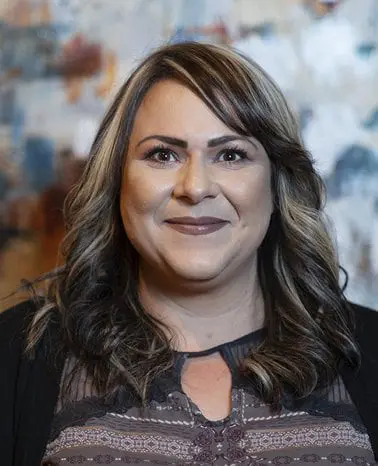
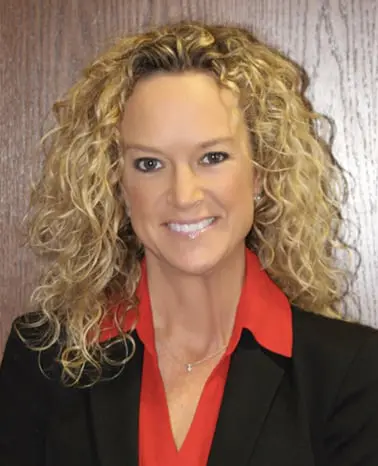
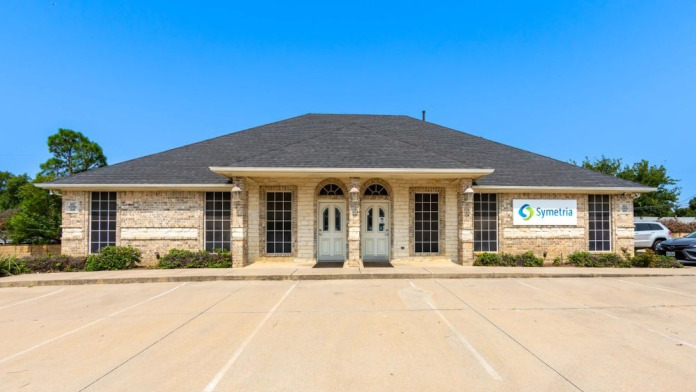
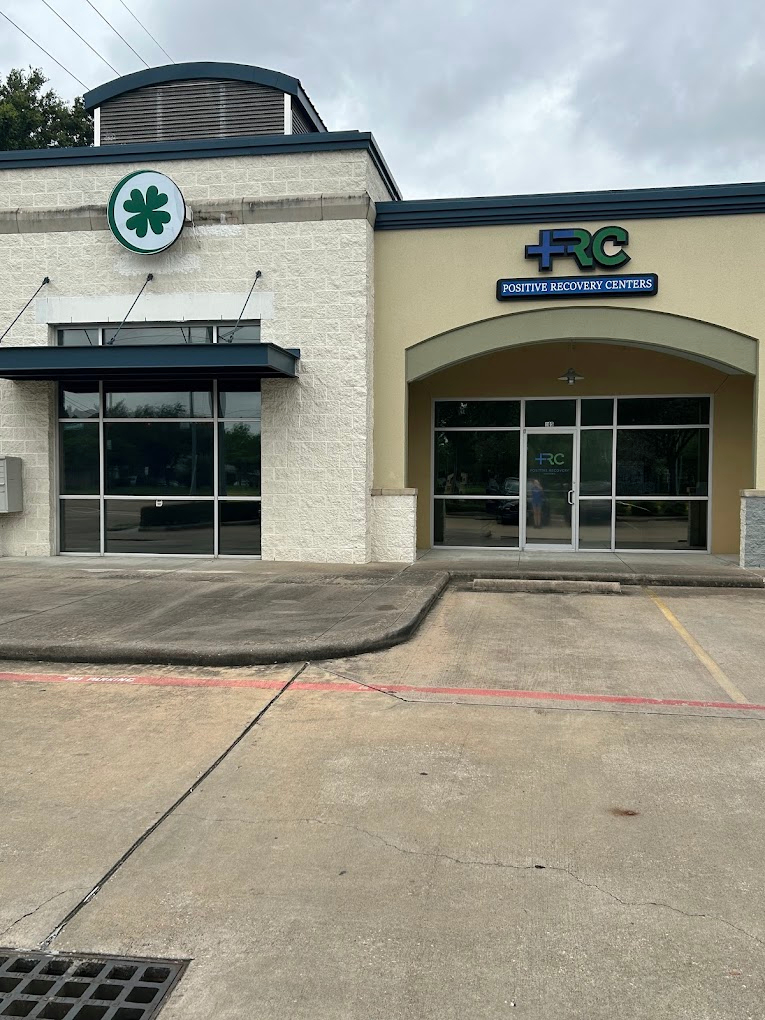
It is a very good place for recovery. I love the way they make you feel at home since the first day, always very attentive, educated and professional. Very clean too.
About Whispering Oaks Lodge
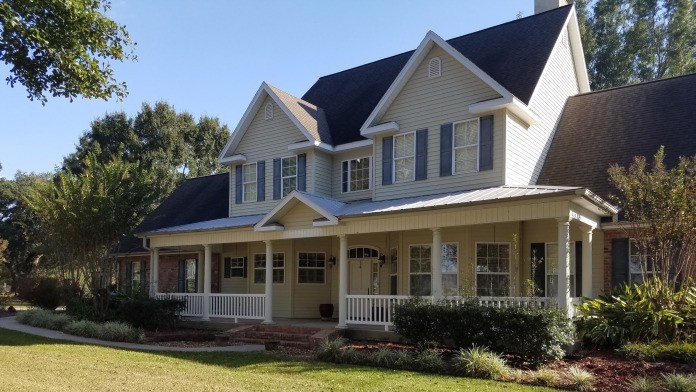
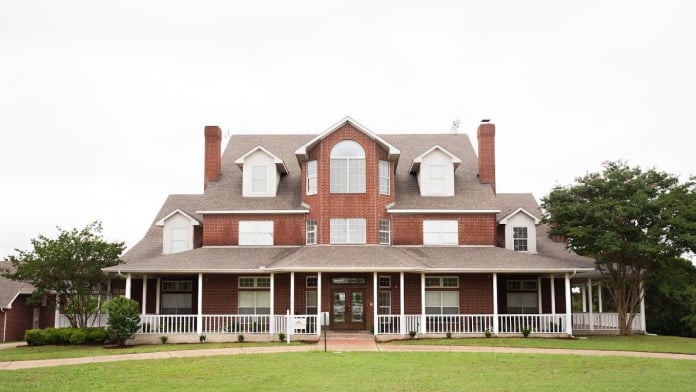
Unlike other more traditional rehab centers, Whispering Oaks Lodge is a true southern oasis. The center is built on 18 acres of land nestled among beautiful oak trees. Those who choose the residential treatment program will enjoy this land and its three acre fishing pond stocked with various fish species. Stables, porch swings and Cajun cuisine promote a genuinely relaxed experience designed for recovery and wellness.

The residential program is also licensed, providing proven treatment methodologies and protocols that your clinician will tailor to your needs. There is also a professional residential program. This program makes exceptions for professionals who need to maintain contact with their employer so that they can use phones and laptops for business purposes. The approach to treatment is also structured, and you can receive help with mental health rehabilitation, too.
A specialized service offered by this treatment center is its intervention program. The center works with intervention partners that help make the intervention process as professional as possible. This is done to help bridge the communication gap between families and their loved ones that is often seen with those battling with addiction.

There is also a detox program for those who want to prepare themselves for ongoing treatment. You can expect complete medical and clinical evaluations and treatment within the first 24 hours of your stay. Usually, detox at this facility lasts five to seven days, and medical supervision is given at all times.
Latest Reviews
Rehab Score
Gallery
Accepted Insurance
Other Forms of Payment
Private insurance refers to any kind of healthcare coverage that isn't from the state or federal government. This includes individual and family plans offered by an employer or purchased from the Insurance Marketplace. Every plan will have different requirements and out of pocket costs so be sure to get the full details before you start treatment.
Self-pay involves paying for treatment out of your own pocket. You can use savings or credit, get a personal loan, or receive help from family and friends to fund your treatment. If you don't have insurance or your insurance plan doesn't cover a specific program, self-pay can help ensure you still get the care you need.
Addiction Treatments
Levels of Care
Outpatient Programs (OP) are for those seeking mental rehab or drug rehab, but who also stay at home every night. The main difference between outpatient treatment (OP) and intensive outpatient treatment (IOP) lies in the amount of hours the patient spends at the facility. Most of the time an outpatient program is designed for someone who has completed an inpatient stay and is looking to continue their growth in recovery. Outpatient is not meant to be the starting point, it is commonly referred to as aftercare.
Residential treatment programs are those that offer housing and meals in addition to substance abuse treatment. Rehab facilities that offer residential treatment allow patients to focus solely on recovery, in an environment totally separate from their lives. Some rehab centers specialize in short-term residential treatment (a few days to a week or two), while others solely provide treatment on a long-term basis (several weeks to months). Some offer both, and tailor treatment to the patient's individual requirements.
Intensive Outpatient Programs (IOP) are for those who want or need a very structured treatment program but who also wish to live at home and continue with certain responsibilities (such as work or school). IOP substance abuse treatment programs vary in duration and intensity, and certain outpatient rehab centers will offer individualized treatment programs.
12 step programs enable participants to focus on their long-term sobriety through rigorous peer support and ongoing personal growth. They engage in regular, peer-directed 12 step meetings and receive one-on-one mentoring by a self-selected sponsor. Meetings are free, anonymous, and available multiple times a day, 365 days per year in most communities. Though 12 steps of recovery are rooted in spiritual principles, religious affiliation isn't mandatory. Specialized programs are widely available, including youth and family meetings.
They know that the impact of addiction extends well beyond the addict. Families and friends who love and care about them feel the pain as well. Everyone maintains the hope the the addict will finally “see the light” and come to their senses but more often than not the addict is trapped in denial and simply unwilling to accept help that is offered. Interventions can take many forms including confronting the addictive behavior, setting boundaries, or just getting together and talking over options. The purpose of an intervention is not to place blame or to air grievances but instead to show the addict how much people care about their well being and to hopefully convince them that the best step forward is professional treatment. Their preferred intervention partners bring a professional approach to this process that is intended to bridge the communication gap and improve the chance of getting the addict engaged in the recovery process. With the proper guidance, everyone has the ability to make decisions that result in a greatly improved quality of life. The goal of their intervention partners is to remove the family or employer from the crisis and guide the individual to the appropriate level of care.
The detoxification services at Whispering Oaks Lodge are state of the art and provided in an environment that has been developed with the client’s comfort in mind. The latest medical, clinical and holistic programming are utilized as they work to improve their client’s overall well-being. Recover in peace and comfort with total privacy and discretion at Whispering Oaks Lodge. Their detox program is run by an expert medical team and their staff is on call and available around the clock to guide each individual through the step of the detoxification process.
Treatments
The goal of treatment for alcoholism is abstinence. Those with poor social support, poor motivation, or psychiatric disorders tend to relapse within a few years of treatment. For these people, success is measured by longer periods of abstinence, reduced use of alcohol, better health, and improved social functioning. Recovery and Maintenance are usually based on 12 step programs and AA meetings.
While each drug rehab in Louisiana offers unique elements, recovery support often follows a similar pattern. Detox is followed by inpatient and/or outpatient care, then aftercare support is provided once the participant completes the initial program.
There is no question that as part of substance abuse treatment we must address the mental health conditions that run alongside. This is a form of treatment known as dual diagnosis, and one that is available in both the residential inpatient and outpatient treatment programs at Whispering Oaks Lodge.
Substance rehabs focus on helping individuals recover from substance abuse, including alcohol and drug addiction (both illegal and prescription drugs). They often include the opportunity to engage in both individual as well as group therapy.
Programs
Adult rehab programs include therapies tailored to each client's specific needs, goals, and recovery progress. They are tailored to the specific challenges adult clients may face, including family and work pressures and commitments. From inpatient and residential treatment to various levels of outpatient services, there are many options available. Some facilities also help adults work through co-occurring conditions, like anxiety, that can accompany addiction.
Young adulthood can be an exciting, yet difficult, time of transition. Individuals in their late teens to mid-20s face unique stressors related to school, jobs, families, and social circles, which can lead to a rise in substance use. Rehab centers with dedicated young adult programs will include activities and amenities that cater to this age group, with an emphasis on specialized counseling, peer socialization, and ongoing aftercare.
Clinical Services
If you undergo cognitive behavioral therapy in Louisiana, you may engage in role playing, face your fears, and learn to calm your mind and body. These techniques are designed to help you recognize unhealthy patterns of thinking and to learn healthy ways of coping with challenges.
The Eagala Model of equine assisted therapy is a global standard in therapy and personal development. It is a client-centered and solution-oriented approach to treatment. Equine-assisted therapy work often helps clients change and grow more effectively and quicker than traditional clinical and psychological approaches. The reason for this is that typically people learn best by actually doing something. Life lessons take deeper meaning when individuals not only understand them but experience them in their bodies. Working with horses is engaging, real time and hands-on. The experience is immediate and felt completely.
Group therapy is any therapeutic work that happens in a group (not one-on-one). There are a number of different group therapy modalities, including support groups, experiential therapy, psycho-education, and more. Group therapy involves treatment as well as processing interaction between group members.
In individual therapy, a patient meets one-on-one with a trained psychologist or counselor. Therapy is a pivotal part of effective substance abuse treatment, as it often covers root causes of addiction, including challenges faced by the patient in their social, family, and work/school life.

If you are struggling with motivation to change, motivational interviewing is designed to help. This method typically involves one or two sessions with a therapist. The technique helps you understand your motivations and empowers you to make changes to reach your goals.
In Louisiana, trauma therapy helps you explore the impact that a traumatic event has had on your life. You can experience emotional and physical responses if you witness or experience a traumatic event. Your therapist guides you in processing the trauma and then developing coping strategies that improve your quality of life.
Couples therapy focuses on helping the couple develop skills that will improve the relationship. These include communication, conflict resolution, and anger management. Couples also identify dysfunctional behaviors and work to eliminate them.
Research clearly demonstrates that recovery is far more successful and sustainable when loved ones like family members participate in rehab and substance abuse treatment. Genetic factors may be at play when it comes to drug and alcohol addiction, as well as mental health issues. Family dynamics often play a critical role in addiction triggers, and if properly educated, family members can be a strong source of support when it comes to rehabilitation.
Amenities
-
Wifi
-
Residential Setting
-
Private Rooms
Staff & Accreditations
Staff
Darren Davis, R. PH.
CEO
Dwayne Abshire, LAC
Administrator & Clinical Director
Nadia White, RN, BSN
Director of Nursing
Kacey Philley, RAC
Certified Addiction Counselor
Dr. Cesar Gonzales
Medical Director
Accreditations
State Licenses are permits issued by government agencies that allow rehab organizations to conduct business legally within a certain geographical area. Typically, the kind of program a rehab facility offers, along with its physical location, determines which licenses are required to operate legally.
State License: Louisiana
Contact Information
617 Piat Road
Youngsville, LA 70592