Symetria — Hurst Outpatient Rehab & Suboxone Clinic
1
Top 10 Rehab Centers In Hurst



















































































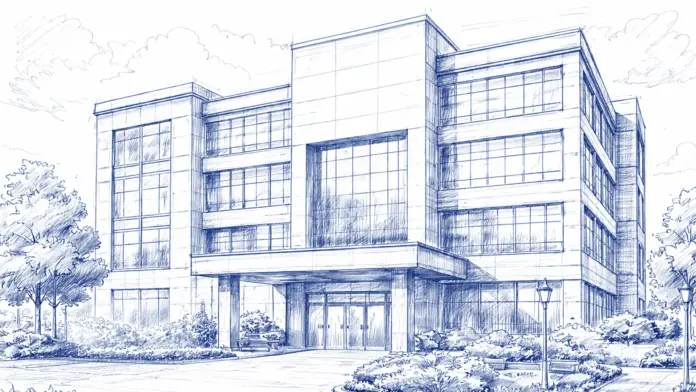
Located in Austin, Texas, Community Medical Services Austin on Ferguson is a substance and drug addiction treatment facility. They offer evidence-based practices to treat substance use disorders, including opioid, prescription, heroin, and fentanyl addiction. They also offer Hep C testing.
Community Medical Services Austin on Ferguson offers medication-assisted treatment (MAT). With a combination of FDA-approved medications, counseling and behavior therapy, MAT helps clients alleviate withdrawal and cravings. Using a holistic approach, MAT enables clients to focus on positive changes towards sobriety.
They offer same-day treatment as well as walk-in services. Their hours are Monday through Friday 5:30am- 1pm and Saturday from 7-10am. They are closed on Sundays.
Community Medical Services Austin on Ferguson is CARF accredited and is a member of The American Association for the Treatment of Opioid Dependence (AATOD).
They accept major insurance providers including HHSC, HRA, Humana, Molina, NaphCare, and Amerigroup. Please contact your insurance provider for questions as out of network benefits may apply. They offer self-pay options.

 Our Methodology


Private insurance refers to any kind of healthcare coverage that isn't from the state or federal government. This includes individual and family plans offered by an employer or purchased from the Insurance Marketplace. Every plan will have different requirements and out of pocket costs so be sure to get the full details before you start treatment.
Self-pay involves paying for treatment out of your own pocket. You can use savings or credit, get a personal loan, or receive help from family and friends to fund your treatment. If you don't have insurance or your insurance plan doesn't cover a specific program, self-pay can help ensure you still get the care you need.
Financial aid can take many forms. Centers may have grants or scholarships available to clients who meet eligibility requirements. Programs that receive SAMHSA grants may have financial aid available for those who need treatment as well. Grants and scholarships can help you pai for treatment without having to repay.
Medicare is a federal program that provides health insurance for those 65 and older. It also serves people under 65 with chronic and disabling health challenges. To use Medicare for addiction treatment you need to find a program that accepts Medicare and is in network with your plan. Out of pocket costs and preauthorization requirements vary, so always check with your provider.
Medicaid is a state based program that helps lower-income individuals and families pay for healthcare. Medicaid covers addiction treatment so those enrolled can use their coverage to pay for rehab. When a program accepts Medicaid the client often pays very little or nothing out of their own pocket.
Military members, veterans, and eligible dependents have access to specific insurance programs that help them get the care they need. TRICARE and VA insurance can help you access low cost or no cost addiction and mental health treatment. Programs that accept military insurance often have targeted treatment focused on the unique challenges military members, veterans, and their families face.
After completing some form of inpatient care, many clients transition or step down to an outpatient rehab, while some choose to transition from detox directly into outpatient care. High-intensity outpatient programming, including partial hospitalization (PHP) and intensive outpatient (IOP) is widely available for clients in early recovery, those leaving detox, and those at an elevated relapse risk. Clients in outpatient care generally engage in robust addiction counseling and recovery education, and some also receive medication assisted treatment (MAT).
Inpatient rehab programs are geared toward clients in early recovery. They also provide intensive support for clients in crisis and those at an increased relapse risk. Clients receive housing and meals while in inpatient care, allowing them to focus solely on their recovery. Most programs prioritize addiction counseling but may draw on various psychotherapeutic modalities, including CBT, DBT, RBT, trauma therapy, and motivational interviewing. Life skills training and holistic therapies are also common in inpatient care.
Rehab aftercare programs are based on a model of continuing care and the premise that recovery is a life-long process requiring ongoing client support. Many rehab aftercare services include outpatient care, but clients often continue to receive support after being discharged from formal treatment. Case managers and care teams typically collaborate with clients to design their long-term care plan, which may include peer coaching, career counseling, and 12 step program induction, among other services.
A drug intervention in Texas may be necessary if your loved one is in denial about a substance use disorder. You can partner with intervention services to plan and execute an effective intervention that educates your loved one about addiction and encourages them to get the treatment they need. Many rehab centers offer intervention specialists who can facilitate the intervention and help with a seamless transition to inpatient rehab for treatment.
24-hour clinical care in Texas provides a safe environment for medical detox. This setting is crucial to provide medical care during withdrawal. Certain withdrawal symptoms can cause life-threatening conditions, but patients in a supervised clinical setting have treatment readily available to address any symptoms before they become severe. Treatment can also be provided for co-occurring physical and mental health issues.
Ridding the body of harmful, addictive substances, also known as detoxification, is usually the first phase of recovery. Those going through medically assisted detox can be administered medications by a team of medical professionals who are on-site 24/7 to provide different types of therapies that help mitigate withdrawal symptoms.
During rehab in Texas, you'll deal with underlying issues that contribute to addiction. By addressing these challenges and learning healthy ways to cope with them, you'll develop strategies that help you live a drug-free lifestyle.
Substance abuse treatment is available in Texas for anyone who's struggling with drug or alcohol addiction. These programs usually provide a comprehensive assessment and individualized treatment plan, and include evidence-based treatments, like therapies such as cognitive-behavioral therapy (CBT) to reframe unhelpful coping strategies, and dialectical behavior therapy (DBT) to help with emotional regulation and stress.
Adult rehab programs include therapies tailored to each client's specific needs, goals, and recovery progress. They are tailored to the specific challenges adult clients may face, including family and work pressures and commitments. From inpatient and residential treatment to various levels of outpatient services, there are many options available. Some facilities also help adults work through co-occurring conditions, like anxiety, that can accompany addiction.
Young adulthood can be an exciting, yet difficult, time of transition. Individuals in their late teens to mid-20s face unique stressors related to school, jobs, families, and social circles, which can lead to a rise in substance use. Rehab centers with dedicated young adult programs will include activities and amenities that cater to this age group, with an emphasis on specialized counseling, peer socialization, and ongoing aftercare.
The goal of cognitive behavioral therapy (CBT) in Texas is to change thought patterns, which leads to changes in behavior. Specific techniques during CBT can include self talk, SMART goals, journaling, and positive activities.
Peer support is an important aspect of group therapy sessions for drug and alcohol addiction. As you and your peers share stories and encourage each other, it fosters a sense of community and belonging that helps you process your feelings and reduces the sense of isolation that is associated with addiction.
Individual therapy offers you a confidential space to address the complexities of your drug or alcohol addiction. Your therapist guides these personalized sessions to help develop self awareness and manage stress. This promotes sustained sobriety and overall well being.
Therapy sessions that incorporate motivational interviewing focus on OARS: open questions, affirmation, reflections, and summarizing. This facilitates an exchange of information and an empowering of the client to decide for themselves what changes might need to be made in their lives.
Together with an experienced trauma therapist, you work on healing emotional wounds from traumatic experiences within a trauma therapy environment. Your therapist will help you process the experience of the trauma, which promotes emotional healing and improves your overall mental health.
The right life skills training will help you build the skills you need for recovery. You'll learn how to solve problems, improve your social life, enhance your mental health, and make good decisions. This is a key component of drug rehab programs in Texas.
 Residential Setting
CEO

Chief Science Officer

Executive VP of Operations
CFO
Chief People Officer
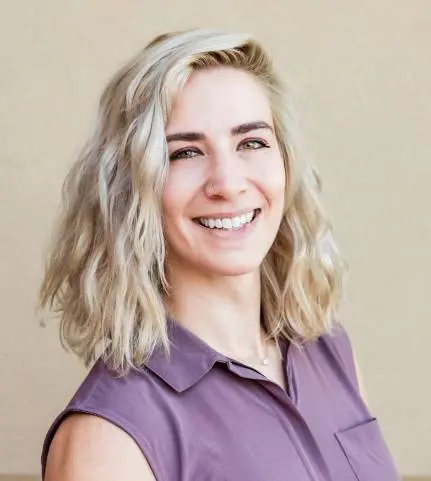
Medical Director, Eastern Territory
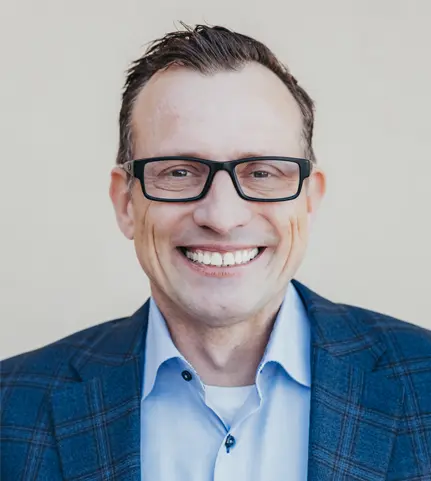
Chief Operating Officer
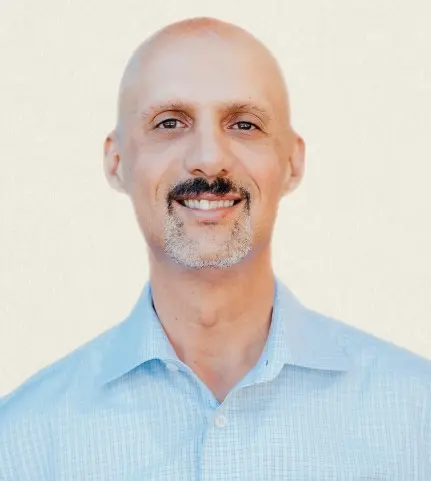
Chief Technology Officer

The Substance Abuse and Mental Health Services Administration (SAMHSA) is a branch of the U.S. Department of Health and Human Services. Established in 1992 by congress, SAMHSA's mission is to reduce the impact of substance abuse and mental illness on American's communities.
SAMHSA Listed: Yes

The Commission on Accreditation of Rehabilitation Facilities (CARF) is a non-profit organization that specifically accredits rehab organizations. Founded in 1966, CARF's, mission is to help service providers like rehab facilities maintain high standards of care.
CARF Accreditation: Yes

State Licenses are permits issued by government agencies that allow rehab organizations to conduct business legally within a certain geographical area. Typically, the kind of program a rehab facility offers, along with its physical location, determines which licenses are required to operate legally.
State License: Texas
Rehab.com regularly reviews this listing for accuracy but changes may occur between updates. For the most up-to-date information, please contact Community Medical Services.

305 Ferguson Dr
Austin, TX 78753
Sponsored Helpline

I don't usually write reviews for businesses but this place and the staff have made such a difference in mine and other patients' lives, especially my counselor Becky and the receptionist Stacy. I see them bend over backwards every day to help me and everyone else who comes through here. I honestly don't know of any other business that will help get you to the clinic and back home when you can't find a ride. Just so you know, you can't ask for rides all the time, but for real emergencies, especially for people just starting their recovery, they'll go out of their way to help because they actually care. Come to think of it, the staff here are the only people I can think of who ask me not just if I'm doing okay on my medication, but if I'm doing okay period. Lately that's meant a lot. Methadone has made staying off fentanyl 100x easier, but it's also been the hardest thing I've done, staying off opiates after 12 years of daily use, especially with everything else going on in my life right now. This clinic's support has meant the world to me. I have a funny way of showing it though, I tend to go M.I.A. when things get hard. But even when she's got a full schedule, people waiting to see her, patients to check on in the lobby, my counselor Becky always finds a way to check on me and help me figure out whatever I'm dealing with so I can focus on staying sober instead of getting overwhelmed and giving up. That's something I know I need to work on myself. But I'm grateful for this medication and for a staff that makes this place a lifesaver for people like me. Thank you guys for everything you do! :)

I’ve been going to this clinic for nearly 4 years. I’ve seen management change. I’ve seen staff change, but the only thing that has never changed is my counselor. ARZA Is the coolest dude! Stacy came months back and she has completely changed the placess energy. It’s so welcoming now. The level of love and kindness at this office is top notch! These folks care! They give you room to get your recovery on track without harping you. They meet you where you’re at and help encourage you along the way. This program truly saved my life! Dr. Hahn is the COOOOOLEST doctor!! I wouldn’t dream of going to another clinic. They kinda feel like an extended family. 🩵💙 I love CMS North🩵💙

Professional, caring staff and counselors.

This place is excellent. Very nice and so caring. Stacy and Chad are the absolute best. :)
 Back
Back
Sharing your insights and experiences can help others learn more about this rehab center.