





























































































About Foundations San Fransisco
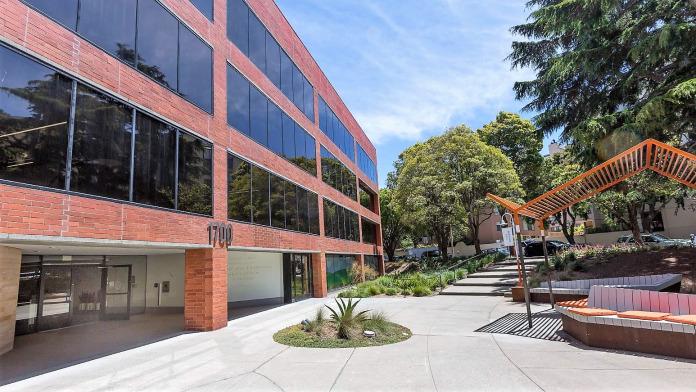
Located in the heart of the Embarcadero district, Foundations San Francisco offers a comprehensive Intensive Outpatient Program (IOP) and Partial Hospitalization (PHP) for addiction and mental health conditions in a convenient urban setting.
We provide highly individualized, confidential treatment to help you in your recovery. Our masters-level therapists offer Dialectical Behavior Therapy (DBT) and Cognitive Behavioral Therapy (CBT) and other evidence-based therapies alongside mindfulness and holistic practices with a flexible schedule. In addition, we offer 12-Step-optional programs where clinical decisions are driven by your unique needs.
Participants attend the program for approximately 25 days or around 5 to 8 weeks. The program is certified by the Department of Health Care Services (DHCS) and accredited by The Joint Commission. Validated parking is available. Along with an addiction specialty, our program is also specialized in mental health services for clients that work in high stress professions, such as Tech, Finance, and Healthcare.
After completion of the program, clients are encouraged to participate in our Alumni program.
Foundations Recovery Network
Foundations San Francisco is a member of Foundations Recovery Network, the premier provider of integrated treatment for co-occurring addiction and mental health concerns, offering residential and outpatient services nationwide.
We have Locations in California, Arizona, Minnesota and Michigan. At each facility, we focus on patient-centered care and an individualized approach, upholding a high standard of innovative treatment and compassionate attention to each patient’s needs. We are committed to providing evidence-based treatment for individuals with co-occurring disorders through clinical services, education and research.
Our purpose is to create lifetime relationships for long-term recovery. Everything we do is designed to support recovery in a comprehensive way, addressing the needs of the whole person-physically, emotionally, mentally and spiritually. We provide the foundation, you build the life.
Latest Reviews



Rehab Score
 Our Methodology


Gallery



Accepted Insurance
Other Forms of Payment
Private insurance refers to any kind of healthcare coverage that isn't from the state or federal government. This includes individual and family plans offered by an employer or purchased from the Insurance Marketplace. Every plan will have different requirements and out of pocket costs so be sure to get the full details before you start treatment.
Self-pay involves paying for treatment out of your own pocket. You can use savings or credit, get a personal loan, or receive help from family and friends to fund your treatment. If you don't have insurance or your insurance plan doesn't cover a specific program, self-pay can help ensure you still get the care you need.
Addiction Treatments
Levels of Care
Commonly known as "day treatment," a partial hospitalization program (PHP) is an intensive form of outpatient treatment where clients meet during the day and return home in the evening. PHP treatment doesn't require 24-hour care and often serves as an alternative to inpatient hospitalization or a step-down after a residential program. With PHP treatment, you can receive daily support for 6 to 8 hours which includes evidence-based therapies and medication management. The cost of PHP treatment typically varies but averages 90 days.
Intensive outpatient programs (IOP) support a client's sustained sobriety as they exit detox or step down from an inpatient program. IOPs are also designed for clients who are at an elevated risk of relapse. Intensive outpatient treatment typically requires clients to engage in a minimum of nine hours of therapy per week, but clients may receive up to 20 therapeutic hours weekly. IOP treatment modalities often combine psychotherapy, recovery-focused life skills training, and medication assisted treatment (MAT).
Using telehealth options in California allows you to share health information with your provider via phone call, video chat, or healthcare apps. You can meet with them virtually as well as submit health information online so they can track your progress without having to meet with them in person.
Treatments
The goal of treatment for alcoholism is abstinence. Those with poor social support, poor motivation, or psychiatric disorders tend to relapse within a few years of treatment. For these people, success is measured by longer periods of abstinence, reduced use of alcohol, better health, and improved social functioning. Recovery and Maintenance are usually based on 12 step programs and AA meetings.
Drug rehab in California teaches participants constructive ways to stay clean and sober. Treatment revolves around helping individuals stop using the substance they are addicted to and learn healthy habits to avoid relapse.
Many of those suffering from addiction also suffer from mental or emotional illnesses like schizophrenia, bipolar disorder, depression, or anxiety disorders. Rehab and other substance abuse facilities treating those with a dual diagnosis or co-occurring disorder administer psychiatric treatment to address the person's mental health issue in addition to drug and alcohol rehabilitation.
Opioid rehabs specialize in supporting those recovering from opioid addiction. They treat those suffering from addiction to illegal opioids like heroin, as well as prescription drugs like oxycodone. These centers typically combine both physical as well as mental and emotional support to help stop addiction. Physical support often includes medical detox and subsequent medical support (including medication), and mental support includes in-depth therapy to address the underlying causes of addiction.
In California, substance abuse treatment programs can help individuals with any type of substance use disorders and co-occurring conditions. These rehab programs typically encompass various levels of care, including medically assisted detox, intensive outpatient, outpatient, residential rehab, and partial hospitalization. You can expect clinicians to utilize evidence-based therapies like cognitive behavioral therapy (CBT), dialectical behavioral therapy (DBT), and mindfulness to help you achieve and sustain your recovery. The rehab's clinical team can provide a comprehensive assessment to determine the appropriate level of care and medical support you may need.
Inpatient treatment for drug and alcohol addiction with a focus on mental health is a good fit for people who need closer monitoring and care. Treatment may occur in a hospital setting, a clinic, or a luxury rehab center. Mental health counselors and staff are available 24/7. Therapies typically include group and individual counseling, relapse prevention education, and emotional coping skills training.
Programs
Foundations San Francisco’s track for LGBTQ individuals focuses on LGBTQ-sensitive care that includes weekly breakout groups, psychoeducational groups and a 12-week curriculum. These closed groups are invite-only, providing a safe place for LGBTQ patients to honestly process any issues related to their LBGTQ status that may be affecting their recovery. These groups also welcome anyone questioning their sexuality, allowing them to get answers and feedback from group members and professionals familiar with LGBTQ issues. This welcoming, integrative approach mixes specialized groups and information with universal mainstream treatment topics. Then, as treatment nears completion, the Foundations San Francisco staff uses their vast resources to connect those in the program with LGBTQ-friendly partners, support services and groups for the next phase of recovery.
Clinical Services
Cognitive Behavioral Therapy (CBT) is a therapy modality that focuses on the relationship between one's thoughts, feelings, and behaviors. It is used to establish and allow for healthy responses to thoughts and feelings (instead of unhealthy responses, like using drugs or alcohol). CBT has been proven effective for recovering addicts of all kinds, and is used to strengthen a patient's own self-awareness and ability to self-regulate. CBT allows individuals to monitor their own emotional state, become more adept at communicating with others, and manage stress without needing to engage in substance abuse.
Dialectical Behavior Therapy (DBT) is a modified form of Cognitive Behavioral Therapy (CBT), a treatment designed to help people understand and ultimately affect the relationship between their thoughts, feelings, and behaviors. DBT is often used for individuals who struggle with self-harm behaviors, such as self-mutilation (cutting) and suicidal thoughts, urges, or attempts. It has been proven clinically effective for those who struggle with out-of-control emotions and mental health illnesses like Borderline Personality Disorder.
During group therapy, men and women learn to express their emotions openly in a non judgmental setting. This helps you process your feelings and reduces feelings of social isolation that are often associated with addiction.
In individual therapy, a patient meets one-on-one with a trained psychologist or counselor. Therapy is a pivotal part of effective substance abuse treatment, as it often covers root causes of addiction, including challenges faced by the patient in their social, family, and work/school life.
Motivational Interviewing (MI) is a clinical approach to helping people with substance abuse issues and other conditions shift behavior in positive ways. It is more goal-oriented than traditional psychotherapy, as MI counselors directly attempt to get clients to consider making behavioral change (rather than wait for them to come to conclusions themselves). Its primary purpose is to resolve ambivalence and help clients become able to make healthy choices freely.
Trauma therapy is a structured approach used by therapists to help you heal from a past traumatic event. Your therapist works with you to identify the traumatic memory and process the information so you experience emotional healing and a sense of safety and stability.
Research clearly demonstrates that recovery is far more successful and sustainable when loved ones like family members participate in rehab and substance abuse treatment. Genetic factors may be at play when it comes to drug and alcohol addiction, as well as mental health issues. Family dynamics often play a critical role in addiction triggers, and if properly educated, family members can be a strong source of support when it comes to rehabilitation.
Amenities
-
 Art activities
 -
 Massage room
Accreditations

The Joint Commission, formerly known as JCAHO, is a nonprofit organization that accredits rehab organizations and programs. Founded in 1951, the Joint Commision's mission is to improve the quality of patient care and demonstrating the quality of patient care.
Joint Commission Accreditation: Yes
Accreditation Number: 602816
Rehab.com regularly reviews this listing for accuracy but changes may occur between updates. For the most up-to-date information, please contact Foundations San Fransisco.
Contact Information


1700 Montgomery St
Ste 435
San Francisco, CA 94111
Sponsored Helpline


