










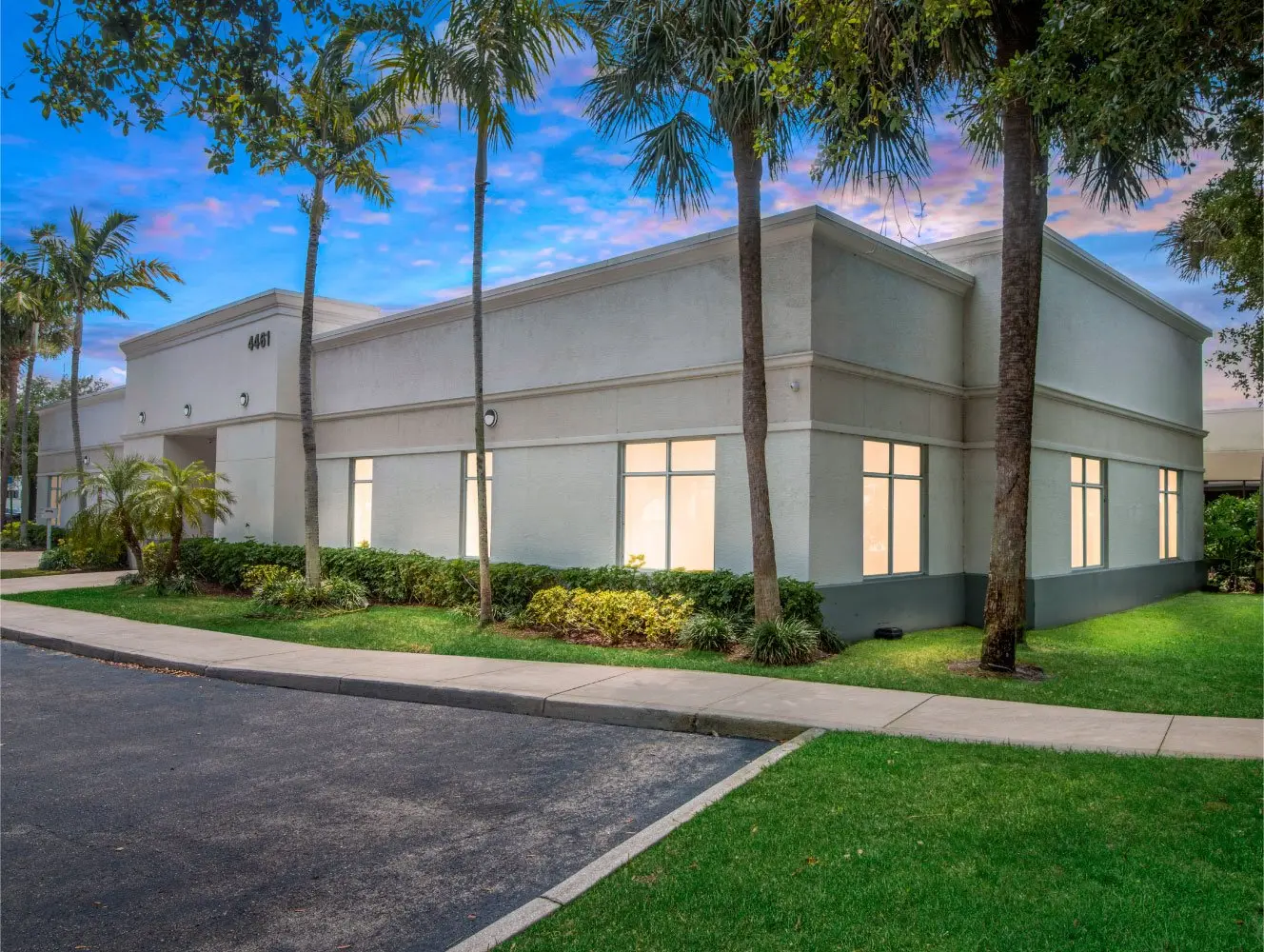
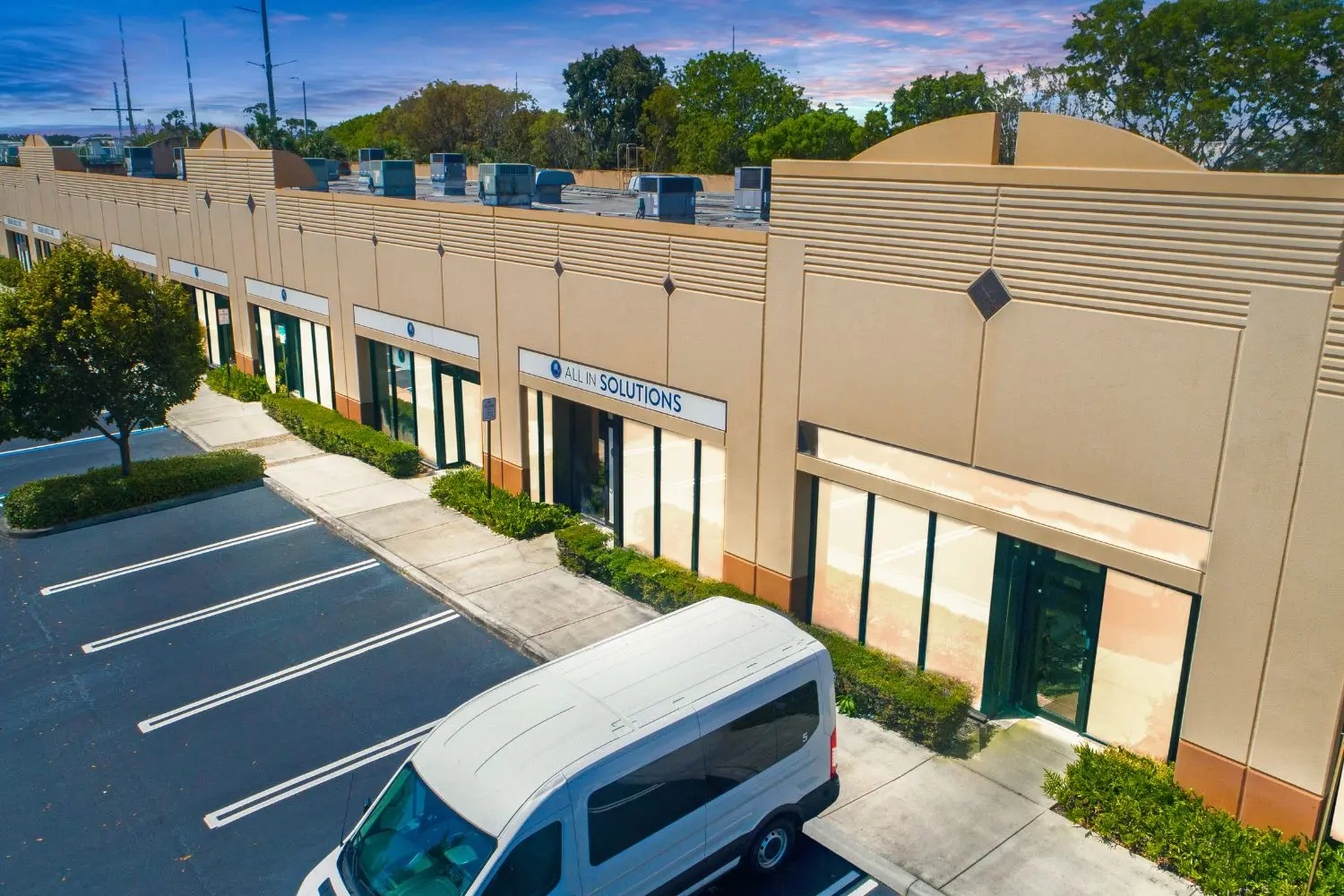
All In Solutions Wellness Center
1
Top 10 Rehab Centers In West Palm Beach



















































































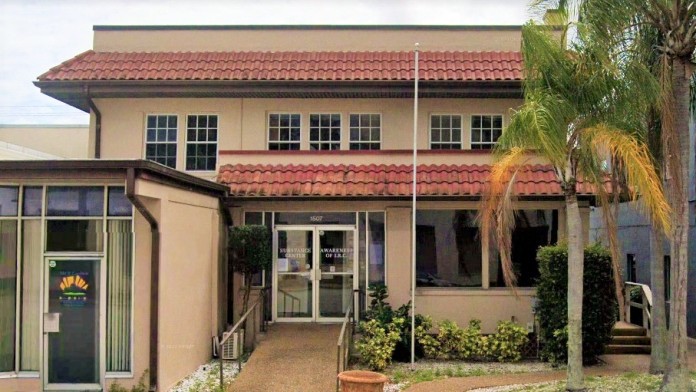
Education is at the heart of this organization’s services with one of its primary goals being to inform people of the many risks associated with addiction and substance misuse and how to improve protective factors, especially for young people. They address the root cause of clients’ addictions and create awareness and prevention campaigns to increase understanding of the conditions.
Their educational programming includes training on coping skills and mental health information. Meanwhile, they also offer early intervention teen treatment services that seek to combat the stigma associated with these conditions. They offer a full spectrum of care, that regularly monitors and evaluates progress and outcomes.
Random drug testing is also a key feature of their services, helping give professionals a clear measure of progress as well as the realities of clients’ current states. Accurate testing is one of the most objective ways to establish accountability and determine whether clients are still engaging in drug use. Modern testing practices can detect all kinds of drugs like cocaine, benzodiazepines, opiates, methamphetamines, alcohol, oxycodone and marijuana.
The organization provides drug testing for all its treatment and early intervention programs as well as for courts. Local businesses also benefit from these services for pre-employment checks to ensure drug-free workplaces. Equally, concerned parents can access these drug testing services to help check in on loved ones they may suspect to have a substance misuse problem.


 Our Methodology


Private insurance refers to any kind of healthcare coverage that isn't from the state or federal government. This includes individual and family plans offered by an employer or purchased from the Insurance Marketplace. Every plan will have different requirements and out of pocket costs so be sure to get the full details before you start treatment.
Self-pay involves paying for treatment out of your own pocket. You can use savings or credit, get a personal loan, or receive help from family and friends to fund your treatment. If you don't have insurance or your insurance plan doesn't cover a specific program, self-pay can help ensure you still get the care you need.
Financial aid can take many forms. Centers may have grants or scholarships available to clients who meet eligibility requirements. Programs that receive SAMHSA grants may have financial aid available for those who need treatment as well. Grants and scholarships can help you pai for treatment without having to repay.
Outpatient rehabs encompass multiple levels of care to facilitate clients' progress through their recovery journey. Clients who are stepping down from inpatient treatment may require intensive outpatient (IOP) treatment, which involves more frequent and substantive therapeutic interventions than does standard outpatient care. Outpatient centers typically provide extensive addiction counseling, including individual, group, and family therapy. Medication assisted treatment programs (MAT) and recovery-focused life skills training are also common in outpatient care.
Clients typically choose inpatient rehab when they are in early recovery or are experiencing a crisis that puts them at an increased risk of relapse. They reside at the treatment center for the length of their program, which may range from two weeks to more than 18 months, depending on the program design. Intensive psychotherapy is often the primary treatment modality, but clients in inpatient care may also receive holistic treatment and recovery-focused life skills training.
Intensive outpatient programs (IOP) involve frequent and robust therapeutic sessions for clients requiring high-level care. Clients may engage in a combination of medication assisted treatment (MAT), addiction counseling, recovery skills training, and holistic therapies for a minimum of nine and a maximum of 20 hours per week. Intensive outpatient rehab is designed primarily for persons in early recovery, those exiting detox or inpatient care, and those at an elevated relapse risk.
If a person with a substance use disorder continually denies their problem or refuses to get treatment, a drug intervention in Florida may be necessary. Intervention services can help mediate the intervention by providing an addiction expert. This professional can de-escalate situations and facilitate a healthier discussion between the individual and their loved ones. Specialists can also help families handle issues they don't know how to navigate on their own.
The first step of the recovery process involves the removal of all drugs and alcohol from your system while under 24/7 medical supervision. Known as a medically assisted detox, you are closely monitored by medical staff who can provide medications, if necessary, to help alleviate any potential withdrawal symptoms. Medical detox is usually followed by a period of inpatient addiction treatment.
The goal of treatment for alcoholism is abstinence. Those with poor social support, poor motivation, or psychiatric disorders tend to relapse within a few years of treatment. For these people, success is measured by longer periods of abstinence, reduced use of alcohol, better health, and improved social functioning. Recovery and Maintenance are usually based on 12 step programs and AA meetings.
Drug rehab in Florida provides quality treatment to help individuals overcome dependency related to a wide range of addictive substances. Programs address both the physical and mental aspects of addiction in order to help you make a full recovery.
Many of those suffering from addiction also suffer from mental or emotional illnesses like schizophrenia, bipolar disorder, depression, or anxiety disorders. Rehab and other substance abuse facilities treating those with a dual diagnosis or co-occurring disorder administer psychiatric treatment to address the person's mental health issue in addition to drug and alcohol rehabilitation.
A combined mental health and substance abuse rehab has the staff and resources available to handle individuals with both mental health and substance abuse issues. It can be challenging to determine where a specific symptom stems from (a mental health issue or an issue related to substance abuse), so mental health and substance abuse professionals are helpful in detangling symptoms and keeping treatment on track.
Opioid rehabs specialize in supporting those recovering from opioid addiction. They treat those suffering from addiction to illegal opioids like heroin, as well as prescription drugs like oxycodone. These centers typically combine both physical as well as mental and emotional support to help stop addiction. Physical support often includes medical detox and subsequent medical support (including medication), and mental support includes in-depth therapy to address the underlying causes of addiction.
Adult rehab programs include therapies tailored to each client's specific needs, goals, and recovery progress. They are tailored to the specific challenges adult clients may face, including family and work pressures and commitments. From inpatient and residential treatment to various levels of outpatient services, there are many options available. Some facilities also help adults work through co-occurring conditions, like anxiety, that can accompany addiction.
Young adulthood can be an exciting, yet difficult, time of transition. Individuals in their late teens to mid-20s face unique stressors related to school, jobs, families, and social circles, which can lead to a rise in substance use. Rehab centers with dedicated young adult programs will include activities and amenities that cater to this age group, with an emphasis on specialized counseling, peer socialization, and ongoing aftercare.
Research clearly demonstrates that recovery is far more successful and sustainable when loved ones like family members participate in rehab and substance abuse treatment. Genetic factors may be at play when it comes to drug and alcohol addiction, as well as mental health issues. Family dynamics often play a critical role in addiction triggers, and if properly educated, family members can be a strong source of support when it comes to rehabilitation.
Group therapy is any therapeutic work that happens in a group (not one-on-one). There are a number of different group therapy modalities, including support groups, experiential therapy, psycho-education, and more. Group therapy involves treatment as well as processing interaction between group members.
In individual therapy, a patient meets one-on-one with a trained psychologist or counselor. Therapy is a pivotal part of effective substance abuse treatment, as it often covers root causes of addiction, including challenges faced by the patient in their social, family, and work/school life.
Life skills trainings involve all the skills a person must have in order to function successfully in the world. These include time management, career guidance, money management, and effective communication. Truly successful addiction recovery is based on the ability to not only live substance-free, but to thrive. Life skills teaches the practical necessities of functioning in society, which sets clients up for success in life, and therefore sobriety.
 Residential Setting
  Private Rooms
The Commission on Accreditation of Rehabilitation Facilities (CARF) is a non-profit organization that specifically accredits rehab organizations. Founded in 1966, CARF's, mission is to help service providers like rehab facilities maintain high standards of care.
CARF Accreditation: Yes
Rehab.com regularly reviews this listing for accuracy but changes may occur between updates. For the most up-to-date information, please contact Substance Awareness Center of Indian River County.

1507 20th Street
Vero Beach, FL 32960
Sponsored Helpline


I’ve had a really positive experience with the Decision Points group. The program is well-structured, meaningful, and focused on real-life situations, which has helped me learn a lot and feel more confident in the choices I make. The environment is always supportive and respectful, and everyone is encouraged to share at their own pace. Alexia and Morgan are outstanding facilitators. They’re patient, understanding, and genuinely care about everyone in the group. They make the sessions feel safe and welcoming, explain things clearly, and encourage open, honest conversations without any judgment. Because of their guidance, I’ve gained new insight, personal growth, and a stronger sense of direction. Anyone looking to improve their decision making and build healthier habits this is the group to be in. I’m grateful for the experience and everything I’ve learned here. RDA!

Thrive is the mother's ship of love,kindness, for Substance Abuse in the state of Florida. Recently attended day treatment, which was extremely helpful!! So every team member i met has a SERVANTS HEART. These quality people are the most professional people I've ever met in recovery. So daily im extremely GRATEFUL for the gift of being a client at THRIVE. The SPIRIT continues to guide me through life and teaching me to be honest, kind, selfless, courageous, and loving to all. Thank you to everyone at Thrive. With Love Stephen H

I love coming to thrive, they have such a great energy everytime I see them. All of the staff that is. From The ladies up front, to the people all around. I Couldn't be more grateful for all of them. I couldnt imagine what they have to go through on a daily basis honestly. Especially dealing with someone like me 😆... So For them all to be such great and amazing people no matter what they go through on a daily whether its at thrive or at home, is very impressive to me honestly. I give them a five star cuz all around there their to help not hurt. 💯❤️🙏🏻😇👏🏼👏🏼👏🏼👏🏼
 Back
Back
Sharing your insights and experiences can help others learn more about this rehab center.
 Written By: Lauren Thompson
