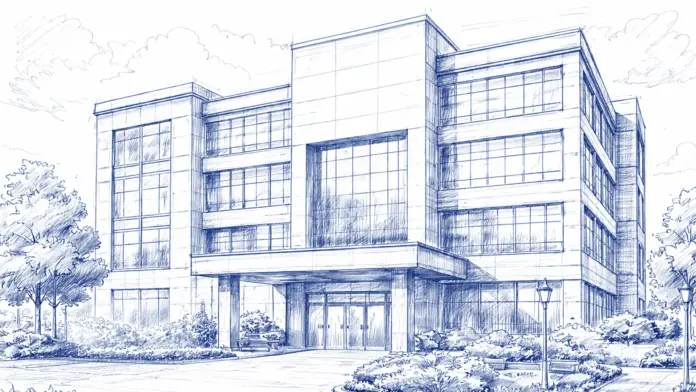
About Wasatch Behavioral Health
In Orem, Utah, Wasatch Behavioral Health is a public addiction treatment center in Orem that admits families as well as children, youth and adults.
Outpatient treatment here is 1 to 8 hours a week, and intensive outpatient is 9 to 20 hours a week. That’s a much bigger slice of the week, so you’ll have less open time for work and other plans.
Methadone Care in Orem
Wasatch dispenses methadone through the Center for Opiate Recovery. It’s a medication for opioid use disorder, and it comes with counseling plus primary health care. If you want to know which medication they use, it’s methadone.
In this kind of treatment, counseling and primary health care are meant to run with the medication, so those parts of care stay in one program. They also use Seeking Safety, a curriculum for trauma and substance use, and Dialectical Behavioral Therapy, a skills-based talk therapy. The Center for Opiate Recovery is CARF accredited as outpatient medication-assisted treatment.
If you work days, evening groups run 5:30 to 8:00 pm. Daytime groups run 10:30 am to 1:00 pm if evenings don’t work for you.
Latest Reviews



Rehab Score
 Our Methodology


Location
Accepted Insurance
Other Forms of Payment
Medicaid is a state based program that helps lower-income individuals and families pay for healthcare. Medicaid covers addiction treatment so those enrolled can use their coverage to pay for rehab. When a program accepts Medicaid the client often pays very little or nothing out of their own pocket.
Medicare is a federal program that provides health insurance for those 65 and older. It also serves people under 65 with chronic and disabling health challenges. To use Medicare for addiction treatment you need to find a program that accepts Medicare and is in network with your plan. Out of pocket costs and preauthorization requirements vary, so always check with your provider.
Addiction Treatments
Levels of Care
Wasatch Behavioral Health's general outpatient treatment runs 1 to 8 hours per week. How many hours a client attends each week falls inside that range.
Clients often choose to enter intensive outpatient programs (IOP) when they exit inpatient rehab. Others turn to IOP as an alternative to hospitalization. Intensive outpatient rehabs offer high-level care for clients in early recovery and those at an elevated risk of relapse, typically requiring them to commit to between nine and 20 hours of treatment per week. The most prevalent treatment modalities include psychotherapy, recovery education, medication assisted treatment (MAT), and holistic therapies, such as meditation.
Treatments
Mental health rehabs focus on helping individuals recover from mental illnesses like bipolar disorder, clinical depression, anxiety disorders, schizophrenia, and more. Mental health professionals at these facilities are trained to understand and treat mental health issues, both in individual and group settings.
 Opioid Addiction
Programs
Adult rehab programs include therapies tailored to each client's specific needs, goals, and recovery progress. They are tailored to the specific challenges adult clients may face, including family and work pressures and commitments. From inpatient and residential treatment to various levels of outpatient services, there are many options available. Some facilities also help adults work through co-occurring conditions, like anxiety, that can accompany addiction.
Men seeking recovery from substance use can join a gender-specific men's rehab program, with both intensive outpatient and general outpatient tracks.
The Women of Promise women's rehab program offers gender-specific treatment with childcare, transportation, housing and other practical support included.
Young adulthood can be an exciting, yet difficult, time of transition. Individuals in their late teens to mid-20s face unique stressors related to school, jobs, families, and social circles, which can lead to a rise in substance use. Rehab centers with dedicated young adult programs will include activities and amenities that cater to this age group, with an emphasis on specialized counseling, peer socialization, and ongoing aftercare.
Clinical Services
Cognitive Behavioral Therapy (CBT) is a therapy modality that focuses on the relationship between one's thoughts, feelings, and behaviors. It is used to establish and allow for healthy responses to thoughts and feelings (instead of unhealthy responses, like using drugs or alcohol). CBT has been proven effective for recovering addicts of all kinds, and is used to strengthen a patient's own self-awareness and ability to self-regulate. CBT allows individuals to monitor their own emotional state, become more adept at communicating with others, and manage stress without needing to engage in substance abuse.
Whether a marriage or other committed relationship, an intimate partnership is one of the most important aspects of a person's life. Drug and alcohol addiction affects both members of a couple in deep and meaningful ways, as does rehab and recovery. Couples therapy and other couples-focused treatment programs are significant parts of exploring triggers of addiction, as well as learning how to build healthy patterns to support ongoing sobriety.
Research clearly demonstrates that recovery is far more successful and sustainable when loved ones like family members participate in rehab and substance abuse treatment. Genetic factors may be at play when it comes to drug and alcohol addiction, as well as mental health issues. Family dynamics often play a critical role in addiction triggers, and if properly educated, family members can be a strong source of support when it comes to rehabilitation.
Group therapy is any therapeutic work that happens in a group (not one-on-one). There are a number of different group therapy modalities, including support groups, experiential therapy, psycho-education, and more. Group therapy involves treatment as well as processing interaction between group members.
In individual therapy, a patient meets one-on-one with a trained psychologist or counselor. Therapy is a pivotal part of effective substance abuse treatment, as it often covers root causes of addiction, including challenges faced by the patient in their social, family, and work/school life.
Amenities
-
 Acupuncture Room
 -
 Art Activities
 -
 Basketball Court
 -
 Beach Setting
 -
 Business Center
 -
 Day School
 -
 Desert Setting
 -
 Executive Setting
 -
 Farm Setting
 -
 Gardens
 -
 Gym
Gym -
 Hiking
 -
 Lakeside
 -
 Luxury Accommodations
 -
 Massage Room
 -
 Meditation Room
 -
 Metropolitan Area
 -
 Mountain Views
 -
 Music Room
 -
 Oceanfront Views
 -
 Pet Friendly
 -
 Private Rooms
 -
 Private Setting
 -
 Private Transportation
 -
 Recreation Room
 -
 Residential Setting
 -
 River View
 -
 Spa
Spa -
 Swimming Pool
 -
 Tennis Court
 -
 Volleyball Court
 -
 Walking Trails
 -
 WiFi
WiFi -
 Wilderness Setting
 -
 Yoga Studio
Staff & Accreditations
Staff
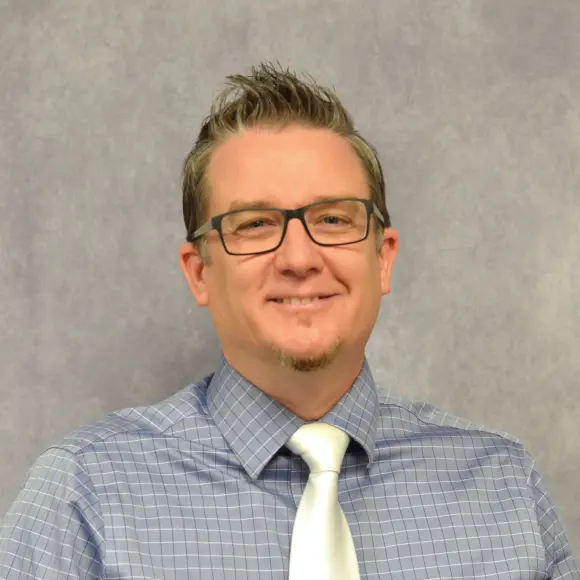
Michael King, LCSW
Program Manager
Janeen McFadden, BCBA
Supervisor
Chase Stuart, SSW
Case Manager
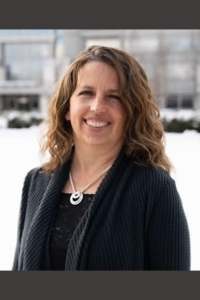
Heidi Young, ACMHC
Therapist
Accreditations

The Commission on Accreditation of Rehabilitation Facilities (CARF) is a non-profit organization that specifically accredits rehab organizations. Founded in 1966, CARF's, mission is to help service providers like rehab facilities maintain high standards of care.
CARF Accreditation: Yes

The Joint Commission, formerly known as JCAHO, is a nonprofit organization that accredits rehab organizations and programs. Founded in 1951, the Joint Commision's mission is to improve the quality of patient care and demonstrating the quality of patient care.
Joint Commission Accreditation: Yes

The Substance Abuse and Mental Health Services Administration (SAMHSA) is a branch of the U.S. Department of Health and Human Services. Established in 1992 by congress, SAMHSA's mission is to reduce the impact of substance abuse and mental illness on American's communities.
SAMHSA Listed: Yes

State Licenses are permits issued by government agencies that allow rehab organizations to conduct business legally within a certain geographical area. Typically, the kind of program a rehab facility offers, along with its physical location, determines which licenses are required to operate legally.
State License: Utah
Rehab.com regularly reviews this listing for accuracy but changes may occur between updates. For the most up-to-date information, please contact Wasatch Behavioral Health.
Contact Information


255 South Orem Blvd
Orem, Utah 84058
Sponsored Helpline