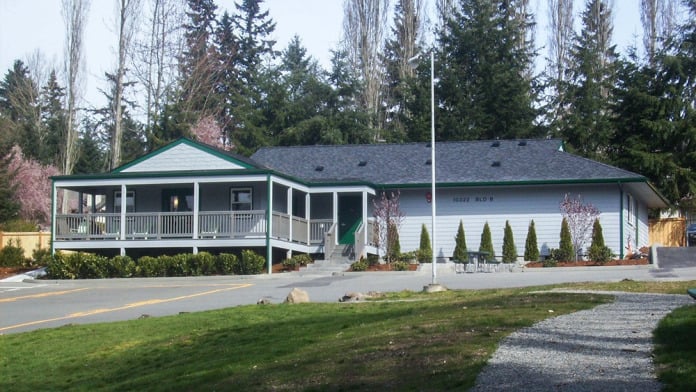
The partial hospitalization program, also called day treatment, includes group therapy and medication management five days per week. The intensive outpatient program meets several days per week with options during the day or evenings. A women-only group meets Monday through Friday at 9:00 am and uses a trauma-informed approach. You can also expect dialectical behavior therapy with this program.
The inpatient program begins with a safe medical detox. Medication-assisted therapy will help you eliminate any withdrawal symptoms you may have. You’ll engage in treatment programming like individual and group therapy, and spirituality awareness groups. You can also expect motivational interviewing, 12-step groups, art, recreational activities, and yoga. Before leaving treatment you’ll obtain a relapse prevention plan, engage in family meetings, and discharge planning. Therapy focuses on acceptance and commitment therapy, identifying triggers, managing cravings, and sober living activities.
Some former patients said they didn’t like the environment or treatment they received. Others said it was a wonderful experience and they enjoyed treatment.
Great treatment team who really helped me through the most difficult stretch of my life. Would recommend their virtual IOP to anyone.
Response from the owner3 weeks ago
Thank you for sharing your kind feedback about our team and virtual program. We’re glad to know our services were helpful during a difficult time, and we appreciate your recommendation to others who may be considering this type of support.
Best emergency mental health place around portland. Brian Esparza is a genuinely nice guy and tries harder than 85% of doctors. I wish I could rate this place higher, but the vibe sucked being lumped in with unstable drug addicts. Raving about their glorious drug use and insane escapades. The staff didn't give much of a shit when I was having a mental breakdown. I was told to find god or I might go home and hurt myself. Talking to a therapist was like pulling teeth too. Music therapy was amazing, though. Best therapy program in a emergency setting. Was genuinely a pleasure listening to them play.
Clean up your program and you will genuinely be the best I've been to in oregon.
Edit: After my most recent stay I'd say the acuity split is better, but the nurses station got less efficient and tied up with red tape. I had the pleasure of having Dr. Palumbo this time. He was a real gem. He went above and beyond his duties. Best doctors in Portland hands down. Adding another star going from 3-4 because I see progress in their program and they take people very seriously and address issues immediately unlike other places. This would be my #1 choice of venue when in a severe crisis. I'm hard to please, and these guys pulled that off. Give them a chance.
Response from the owner3 weeks ago
Thank you for bringing your concerns to our attention. We'd like to follow up with you directly so that we can further address them. At your convenience, please provide us with your contact information by visiting http://www.cedarhillshospital.com/contact-us/. We hope to hear from you soon.
Scoring is assigned by a proprietary system which helps surface key metrics that determine quality. The 10-point scale factors in categories such as operations, customer satisfaction, and trust metrics. Read Full Methodology
7.8 / 10
Gallery
Accepted Insurance
Please contact to verify your specific insurance provider.
Cedar Hills Hospital works with several private insurance providers, please contact to verify your specific insurance provider.
Private insurance refers to any kind of healthcare coverage that isn't from the state or federal government. This includes individual and family plans offered by an employer or purchased from the Insurance Marketplace. Every plan will have different requirements and out of pocket costs so be sure to get the full details before you start treatment.
Self-pay involves paying for treatment out of your own pocket. You can use savings or credit, get a personal loan, or receive help from family and friends to fund your treatment. If you don't have insurance or your insurance plan doesn't cover a specific program, self-pay can help ensure you still get the care you need.
Financial aid can take many forms. Centers may have grants or scholarships available to clients who meet eligibility requirements. Programs that receive SAMHSA grants may have financial aid available for those who need treatment as well. Grants and scholarships can help you pai for treatment without having to repay.
Sliding scale payments are based on a client's income and family size. The goal is to make treatment affordable to everyone. By taking these factors into account, addiction recovery care providers help ensure that your treatment does not become a financial burden to you or your family, eliminating one barrier to care.
Medicare is a federal program that provides health insurance for those 65 and older. It also serves people under 65 with chronic and disabling health challenges. To use Medicare for addiction treatment you need to find a program that accepts Medicare and is in network with your plan. Out of pocket costs and preauthorization requirements vary, so always check with your provider.
Medicaid is a state based program that helps lower-income individuals and families pay for healthcare. Medicaid covers addiction treatment so those enrolled can use their coverage to pay for rehab. When a program accepts Medicaid the client often pays very little or nothing out of their own pocket.
Military members, veterans, and eligible dependents have access to specific insurance programs that help them get the care they need. TRICARE and VA insurance can help you access low cost or no cost addiction and mental health treatment. Programs that accept military insurance often have targeted treatment focused on the unique challenges military members, veterans, and their families face.
Addiction Treatments
Levels of Care
Clients who wish to remain in their homes while in recovery may elect to enroll in an outpatient rehab, many of which offer evening, night, and weekend services to accommodate clients' schedules. Most outpatient facilities provide multiple levels of care to align with clients' evolving needs, including partial hospitalization (PHP) and intensive outpatient (IOP) for clients who require robust support and supervision. Addiction counseling and recovery-focused life skills training are the most common treatment modalities.
Inpatient rehabs differ from outpatient facilities in the intensity and frequency of treatment. Clients in inpatient care reside at the treatment facility for the length of the program. They engage in intensive addiction counseling and recovery-focused life skills training. Treatment programs may draw from a variety of methods, including CBT, DBT, RBT, trauma therapy, and motivational interviewing. Holistic therapies, such as yoga and message, are frequently available to clients in inpatient care.
Intensive outpatient programs provide robust, high-frequency care for clients in early recovery and those at an increased risk of relapse. Clients are generally expected to participate in nine to 20 hours of treatment per week, with the number and duration of sessions decreasing as clients stabilize. Intensive outpatient treatment often combines psychotherapy, including individual, group, and family counseling, with addiction and recovery education. Medication assisted treatment (MAT) and holistic therapies are also common.
Rehab aftercare programs are generally predicated on the understanding that addiction disease is chronic and relapsing and the recovery is a life-long process requiring ongoing care. Clients in drug rehab aftercare have typically completed inpatient detox and/or rehab but may still be receiving outpatient treatment. Their unique care plan is usually developed in collaboration with their care team and case manager and may include peer coaching, career counseling, 12 step program facilitation, and related services.
12-step programs are addiction recovery models based on Alcoholics Anonymous (AA). A number of substance abuse programs (including some drug and alcohol rehab centers) use the 12 steps as a basis for treatment. Beginning steps involve admitting powerlessness over the addiction and creating a spiritual basis for recovery. Middle steps including making direct amends to those who've been hurt by the addiction, and the final step is to assist others in addiction recovery in the same way. 12-Step offshoots including Narcotics Anonymous (NA), Cocaine Anonymous (CA), Dual Recovery Anonymous (DRA), Sex and Love Addicts Anonymous (SLAA) and Gamblers Anonymous (GA).
A partial hospitalization program (PHP) is a more intensive form of outpatient and can be a step-down service in substance use disorder treatment. During PHP treatment, which lasts 4-8 hours per day and up to 5 days a week, you'll participate in daily therapeutic services (relapse prevention, medication management, and behavioral therapy) for an average of 90 days. The cost of PHP treatment varies, but it is typically covered by insurance providers.
At certain points in the recovery process, it's important to have support available 24/7. 24-hour clinical care offers a safe environment in which to recover from drug or alcohol addiction in peace, knowing medical detox and other treatment will happen with professionals on hand.
Drug and alcohol addiction often takes a heavy toll on one's body. Over time, a physical dependence can develop, meaning the body physiologically needs the substance to function. Detox is the process of removing drugs and/or alcohol from the body, a process that can be lethal if mismanaged. Medical detox is done by licensed medical professionals who monitor vital signs and keep you safe, healthy, and as comfortable as possible as you go through detox and withdrawal.
Treatments
The goal of treatment for alcoholism is abstinence. Those with poor social support, poor motivation, or psychiatric disorders tend to relapse within a few years of treatment. For these people, success is measured by longer periods of abstinence, reduced use of alcohol, better health, and improved social functioning. Recovery and Maintenance are usually based on 12 step programs and AA meetings.
Drug rehab in Oregon offers a full continuum of care for those struggling with addiction. From detox, to inpatient, to outpatient, to aftercare, Oregon residents can find the support they need for recovery. This treatment empowers individuals to replace drug use with positive alternatives and develop a healthier lifestyle.
Many of those suffering from addiction also suffer from mental or emotional illnesses like schizophrenia, bipolar disorder, depression, or anxiety disorders. Rehab and other substance abuse facilities treating those with a dual diagnosis or co-occurring disorder administer psychiatric treatment to address the person's mental health issue in addition to drug and alcohol rehabilitation.
A combined mental health and substance abuse rehab has the staff and resources available to handle individuals with both mental health and substance abuse issues. It can be challenging to determine where a specific symptom stems from (a mental health issue or an issue related to substance abuse), so mental health and substance abuse professionals are helpful in detangling symptoms and keeping treatment on track.
Opioid rehabs specialize in supporting those recovering from opioid addiction. They treat those suffering from addiction to illegal opioids like heroin, as well as prescription drugs like oxycodone. These centers typically combine both physical as well as mental and emotional support to help stop addiction. Physical support often includes medical detox and subsequent medical support (including medication), and mental support includes in-depth therapy to address the underlying causes of addiction.
Programs
Adult rehab programs include therapies tailored to each client's specific needs, goals, and recovery progress. They are tailored to the specific challenges adult clients may face, including family and work pressures and commitments. From inpatient and residential treatment to various levels of outpatient services, there are many options available. Some facilities also help adults work through co-occurring conditions, like anxiety, that can accompany addiction.
Young adulthood can be an exciting, yet difficult, time of transition. Individuals in their late teens to mid-20s face unique stressors related to school, jobs, families, and social circles, which can lead to a rise in substance use. Rehab centers with dedicated young adult programs will include activities and amenities that cater to this age group, with an emphasis on specialized counseling, peer socialization, and ongoing aftercare.
Recovery is most successful when clients feel accepted and validated by their peers and treatment providers. Facilities that offer LGBTQ-inclusive programming are committed to creating a safe space where everyone can grow and recover without fear of judgment or discrimination. They will have dedicated policies in place to create a safe and supportive environment that fosters free expression.
At Cedar Hills Hospital, they are dedicated to providing outstanding care and treatment to the men and women, family members and Veterans who serve the great Nation.The Military Program at Cedar Hills Hospital is specifically designed for Active Duty, National Guard and Active Reserve service members, their families and Veterans. Their programs are designed for those who are experiencing substance use, abuse or dependence, depression, military sexual trauma, combat induced PTSD/trauma, military related chronic pain or co-occurring mental health and substance abuse issues.
Clinical Services
Cognitive behavioral therapy (CBT) in Oregon is a short term talk therapy method used to treat mental and behavioral disorders. Based on client needs, the therapist may recommend five to 20 sessions. Typically, this form of therapy requires fewer sessions than many other types of treatment.
Group therapy is any therapeutic work that happens in a group (not one-on-one). There are a number of different group therapy modalities, including support groups, experiential therapy, psycho-education, and more. Group therapy involves treatment as well as processing interaction between group members.
In individual therapy, a patient meets one-on-one with a trained psychologist or counselor. Therapy is a pivotal part of effective substance abuse treatment, as it often covers root causes of addiction, including challenges faced by the patient in their social, family, and work/school life.
Motivational Interviewing (MI) is a clinical approach to helping people with substance abuse issues and other conditions shift behavior in positive ways. It is more goal-oriented than traditional psychotherapy, as MI counselors directly attempt to get clients to consider making behavioral change (rather than wait for them to come to conclusions themselves). Its primary purpose is to resolve ambivalence and help clients become able to make healthy choices freely.
Research clearly demonstrates that recovery is far more successful and sustainable when loved ones like family members participate in rehab and substance abuse treatment. Genetic factors may be at play when it comes to drug and alcohol addiction, as well as mental health issues. Family dynamics often play a critical role in addiction triggers, and if properly educated, family members can be a strong source of support when it comes to rehabilitation.
During trauma theory, you can explore the impact that traumatic events had on your life in a safe and supportive space. Your therapist will guide you in understanding your emotional and physical trauma responses while helping you to develop better coping skills so you can reclaim your life.
Whether a marriage or other committed relationship, an intimate partnership is one of the most important aspects of a person's life. Drug and alcohol addiction affects both members of a couple in deep and meaningful ways, as does rehab and recovery. Couples therapy and other couples-focused treatment programs are significant parts of exploring triggers of addiction, as well as learning how to build healthy patterns to support ongoing sobriety.
When you've been using substances long term, this depletes your body of valuable nutrients. During nutrition therapy, you'll take steps to restore your health and learn how to maintain better nutrition. This is an important component of many drug rehab programs in Oregon.
Recreational therapy (aka therapeutic recreation) uses creative and fun activities to help with addiction recovery. Recreational therapists lead patients in entertaining and engaging activities like sports or games; art (drawing, painting, sculpture); drama, music, and dance; and/or community outings (field trips) to improve patients' physical, social, and emotional well-being.
Amenities
Private Transportation
Gym
Yoga Studio
Residential Setting
Private Rooms
Staff & Accreditations
Staff
David Melear, MS,M.ED
CEO
Alex Driiling, MHA
Director of Outpatient Services
Accreditations
LegitScript has reviewed Cedar Hills Hospital as part of their certification program, and has determined that it meets the LegitScript standards for legality, safety and transparency.
LegitScript verified in January 2017
State Licenses are permits issued by government agencies that allow rehab organizations to conduct business legally within a certain geographical area. Typically, the kind of program a rehab facility offers, along with its physical location, determines which licenses are required to operate legally.
State License: Oregon
License Number: 14-1460
The Joint Commission, formerly known as JCAHO, is a nonprofit organization that accredits rehab organizations and programs. Founded in 1951, the Joint Commision's mission is to improve the quality of patient care and demonstrating the quality of patient care.
Rehab.com regularly reviews this listing for accuracy but changes may occur between updates. For the most up-to-date information, please contact Cedar Hills Hospital.
A few days ago, I was discharged from Cedar Hills' inpatient mental health program. Come to find, I was sent home without a new prescription OR my old meds.
So we played phone tag with Cedar Hills for a couple days, told them that no prescription was sent home with me or p ...
Read More
Reviewed on 4/19/2019
1
Uneducated and unprofessional staff. This hospital is a facade set up to take your money and get insurances as much as possible before releasing their patients, even if that means inventing some lame excuse to make us patients stay longer. You never feel genuinely cared for, ...
Read More
Hello can you please call me? I have been leaving daily voice messages for a call back to pay my bill and no one answers
Response from the owner
Thank you for taking the time to reach out to us. We would like to get some more details so that we can further look into your concerns. So that we can follow up with you directly, please provide us with your contact information by visiting http://www.cedarhillshospital.com/contact-us/. Thank you again.
Britney French
1 month ago
1
I was taken here in early 2022 against my will because of an asprin overdose. This place is a medical prison; empty white room with a steel toilet kinda place. There is a penalty for self harm, trust me.
To the nurse who told me I would never have my Vulvoplasty surgery; I did have it that June at OHSU in Portland. My dream came true 😊
Note: I read Cedar Hills' reply to my review and responded but they ghosted me so their saying to reach out to them is a front to make it look to people like they care but they don't. I spent an hour typing a story about my experience there and they just ignored it.
This is a bad hospital. Don't go here and try to keep your loved ones out of here if possible...
Response from the owner
Hi, Britney. Thank you for reaching out to us. We would like to take the opportunity to address your concerns with you directly. At your convenience, please provide us with your contact information by visiting http://www.cedarhillshospital.com/contact-us/ so that we can follow up with you. Thank you again and we hope to hear from you soon.
Michael Serrano
1 month ago
5
Helped me a lot God Bless the staff and everyone who was there to help me!<3
Response from the owner
Thank you for taking the time to share your feedback with us. We greatly appreciate the kind words and wish you all the best. Take care!
Written By: Kelly JuncoCPC, CPRC, BA, BS Certified Professional Coach, Certified Professional Recovery Coach, Author
Kelly Fitzgerald Junco is an author, marketing consultant, and Certified Recovery Coach. She is 10 years’ sober and best known for her personal award-winning blog, The Adventures of a Sober Señorita.
By calling the helpline you agree to the terms of use. We do not receive any commission or fee that is dependent upon which treatment provider a caller chooses. There is no obligation to enter treatment.
Calls to numbers on a specific treatment center listing will be routed to that treatment center. Calls to any general helpline could be forwarded to SAMHSA or a verified treatment provider.
If you wish to connect with non-sponsor centers, you can browse top-rated listings, visit our homepage and browse by state, or visit SAMHSA.

 Sponsored Helpline





























































































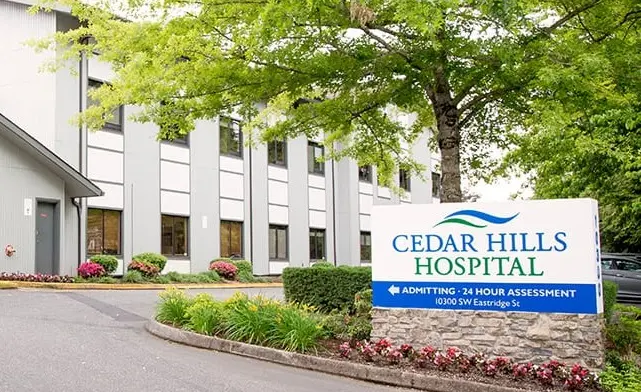

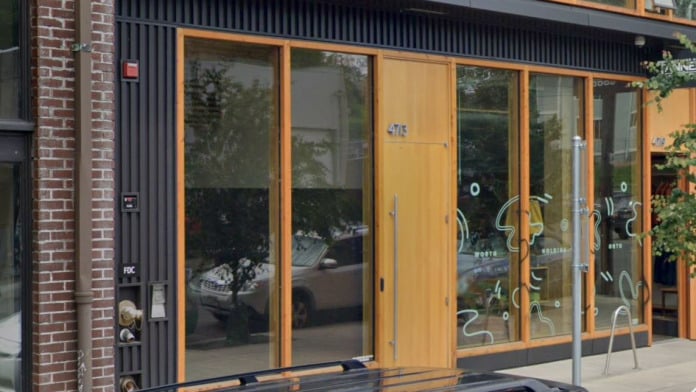
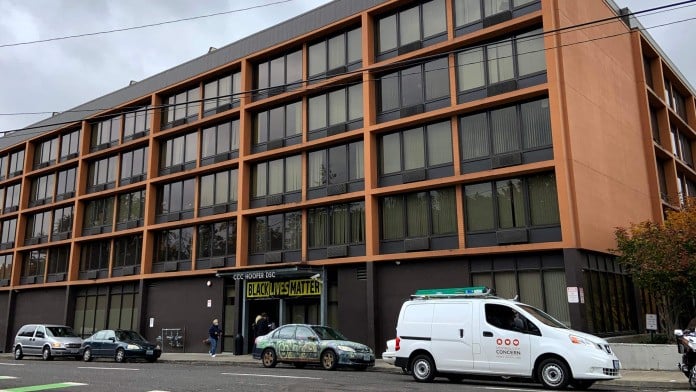






 Private Transportation
  Gym
Gym  Yoga Studio
  Residential Setting
  Private Rooms