


























































































About First City Recovery Center
Medical professionals will create an individualized treatment plan that’s tailored to the client’s needs with the goal of making them healthy members of their communities again. Dual diagnosis treatment and sober living homes are also available at this location. First Recovery Center accepts most commercial insurance policies.
The facility offers admission to all men and women and provides specialized treatment for members of the LGBTQ+ community and veterans. When individuals contact the facility, they’ll undergo an assessment where they’ll provide their personal information and establish how treatment will be paid for. Staff members will help clients determine a rehab start date and set up a treatment plan. Inpatient rehab is recommended for individuals who have severe substance use issues. Clients will receive 24/7 care and participate in several individual and group sessions to help with recovery.
The amenities available at the facility include a gym, a spa and swimming pools. The two inpatient programs at First City Recovery Center are partial hospitalization and residential inpatient. The partial hospitalization program is for individuals who’ve completed the detox process and don’t need 24 hour monitoring.
The main therapeutic approaches used at the facility are cognitive behavioral therapy (CBT) and motivational interviewing (MI). The different addictions First City Recovery Center can treat include addictions to alcohol, prescription drugs and various illicit substances.
Latest Reviews



Rehab Score
 Our Methodology


Gallery
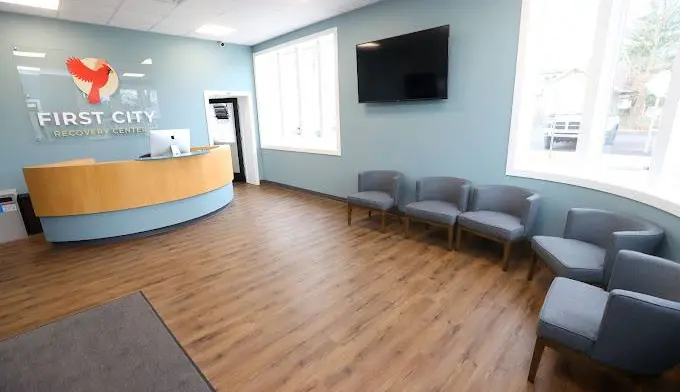
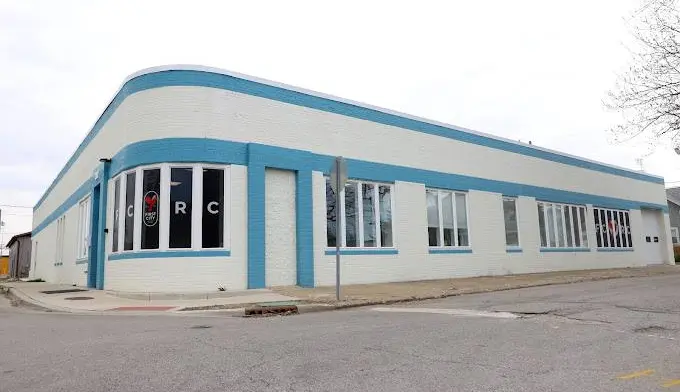
Accepted Insurance




Other Forms of Payment
Private insurance refers to any kind of healthcare coverage that isn't from the state or federal government. This includes individual and family plans offered by an employer or purchased from the Insurance Marketplace. Every plan will have different requirements and out of pocket costs so be sure to get the full details before you start treatment.
Self-pay involves paying for treatment out of your own pocket. You can use savings or credit, get a personal loan, or receive help from family and friends to fund your treatment. If you don't have insurance or your insurance plan doesn't cover a specific program, self-pay can help ensure you still get the care you need.
Military members, veterans, and eligible dependents have access to specific insurance programs that help them get the care they need. TRICARE and VA insurance can help you access low cost or no cost addiction and mental health treatment. Programs that accept military insurance often have targeted treatment focused on the unique challenges military members, veterans, and their families face.
Addiction Treatments
Levels of Care
Outpatient Programs (OP) are for those seeking mental rehab or drug rehab, but who also stay at home every night. The main difference between outpatient treatment (OP) and intensive outpatient treatment (IOP) lies in the amount of hours the patient spends at the facility. Most of the time an outpatient program is designed for someone who has completed an inpatient stay and is looking to continue their growth in recovery. Outpatient is not meant to be the starting point, it is commonly referred to as aftercare.
Residential treatment programs are those that offer housing and meals in addition to substance abuse treatment. Rehab facilities that offer residential treatment allow patients to focus solely on recovery, in an environment totally separate from their lives. Some rehab centers specialize in short-term residential treatment (a few days to a week or two), while others solely provide treatment on a long-term basis (several weeks to months). Some offer both, and tailor treatment to the patient's individual requirements.
Intensive Outpatient Programs (IOP) are for those who want or need a very structured treatment program but who also wish to live at home and continue with certain responsibilities (such as work or school). IOP substance abuse treatment programs vary in duration and intensity, and certain outpatient rehab centers will offer individualized treatment programs.
Clients receiving support in a rehab aftercare program have completed inpatient care and may also be preparing to exit formal outpatient care. Outpatient services are typically categorized as rehab aftercare, but these services often continue beyond the cessation of formal treatment. Rehab aftercare services are designed to promote life-long recovery through comprehensive, wraparound care, which may include medical, mental health, and social services. These programs are usually created in collaboration with the client's case manager and care team.
12 step programs foster participants' long-term sobriety through personal growth rooted in spiritual principles, though religious affiliation is not mandatory. Most 12 step meetings are non-denominational but are based on the belief in a higher power. Participants learn to understand and address the causes of their addiction, accept responsibility for their choices, and relinquish control for that which cannot be changed. Regular group meetings and mentoring by a self-selected sponsor are required.
The number one rule of a sober living home in Indiana is that residents cannot use or bring alcohol or drugs into the home. Breaking this rule typically results in eviction. In addition to this rule, men's and women's sober living homes have other standards that residents must meet. These usually include maintaining a job, helping with meal preparation and house cleaning, and attending 12-step meetings.
When families plan a drug intervention in Indiana, the goal is to create self-awareness in their loved one, so they acknowledge the need for treatment and get help. A professional interventionist can work with the individual's family members to organize this intervention and provide direction for follow-up. During the intervention, loved ones share how the individual's substance abuse has affected them, and the interventionist adds a clinical perspective on how treatment can help the situation.
A partial hospitalization program (PHP) is a short-term form of intensive rehab, usually for those with acute symptoms that are hard to manage but don’t require 24-hour care. PHPs have structured programming (i.e. individual and/or group therapy), and usually meet 3-5 days a week for around 6 hours (i.e. 9am-3m). Some PHPs are residential (patients sleep on site) and some are not, so patients sleep at home. PHPs can last from 1-6 months, and some offer transportation and meals.
When you receive 24-hour clinical care in Indiana, you'll be under constant supervision from highly trained medical staff. Nurses, doctors, and addiction specialists provide medications and other treatment to address withdrawal symptoms and any additional medical needs. Common medications that are prescribed include valium and Librium to relieve alcohol withdrawal, and anti-depressants to relieve cocaine withdrawal. For opioid abuse, doctors may prescribe methadone or naltrexone to manage cravings and clonidine to treat high blood pressure.
Drug and alcohol addiction often takes a heavy toll on one's body. Over time, a physical dependence can develop, meaning the body physiologically needs the substance to function. Detox is the process of removing drugs and/or alcohol from the body, a process that can be lethal if mismanaged. Medical detox is done by licensed medical professionals who monitor vital signs and keep you safe, healthy, and as comfortable as possible as you go through detox and withdrawal. The length of stay at the detoxification program is determined according to the specific needs of the patient.
Treatments
The goal of treatment for alcoholism is abstinence. Those with poor social support, poor motivation, or psychiatric disorders tend to relapse within a few years of treatment. For these people, success is measured by longer periods of abstinence, reduced use of alcohol, better health, and improved social functioning. Recovery and Maintenance are usually based on 12 step programs and AA meetings.
For long-term recovery from drug addiction, drug rehab in Indiana is often key. This treatment gives individuals who are struggling with a substance use disorder the tools to manage their disorder and achieve long-term sobriety.
A combined mental health and substance abuse rehab has the staff and resources available to handle individuals with both mental health and substance abuse issues. It can be challenging to determine where a specific symptom stems from (a mental health issue or an issue related to substance abuse), so mental health and substance abuse professionals are helpful in detangling symptoms and keeping treatment on track.
Programs
Adult rehab programs include therapies tailored to each client's specific needs, goals, and recovery progress. They are tailored to the specific challenges adult clients may face, including family and work pressures and commitments. From inpatient and residential treatment to various levels of outpatient services, there are many options available. Some facilities also help adults work through co-occurring conditions, like anxiety, that can accompany addiction.
Young adulthood can be an exciting, yet difficult, time of transition. Individuals in their late teens to mid-20s face unique stressors related to school, jobs, families, and social circles, which can lead to a rise in substance use. Rehab centers with dedicated young adult programs will include activities and amenities that cater to this age group, with an emphasis on specialized counseling, peer socialization, and ongoing aftercare.
Recovery is most successful when clients feel accepted and validated by their peers and treatment providers. Facilities that offer LGBTQ-inclusive programming are committed to creating a safe space where everyone can grow and recover without fear of judgment or discrimination. They will have dedicated policies in place to create a safe and supportive environment that fosters free expression.
Serving in the military is both mentally and physically challenging, and can result in trauma that persists even after combat ends. Military programs are tailored to the specific and often complex needs of active duty personnel, veterans, and military families. Clients often access these programs through the U.S. Department of Veterans Affairs (VA).
Clinical Services
Cognitive Behavioral Therapy (CBT) is a therapy modality that focuses on the relationship between one's thoughts, feelings, and behaviors. It is used to establish and allow for healthy responses to thoughts and feelings (instead of unhealthy responses, like using drugs or alcohol). CBT has been proven effective for recovering addicts of all kinds, and is used to strengthen a patient's own self-awareness and ability to self-regulate. CBT allows individuals to monitor their own emotional state, become more adept at communicating with others, and manage stress without needing to engage in substance abuse.
Individual dialectical behavior therapy (DBT) takes place in weekly, 60 minute sessions. You'll have homework to do, such as keeping a diary to track your emotions and actions. You'll also attend group sessions, which are intended to be skills practicing sessions. DBT in Indiana typically lasts six months to a year.
 Equine Therapy
Group therapy provides a unique experience for men and women to encounter a supportive environment where you can share your experiences and gain insight from your peers who understand your struggles. Group therapy improves your journey and helps promote sustainable recovery.
Qualified therapists in Indiana use a customized treatment approach for individual therapy to address your drug and alcohol addiction treatment. This considers your past history and life circumstances to help you uncover the underlying issues that trigger addictive behavior and manage these factors to support a healthy approach to recovery.
Motivational Interviewing (MI) is a clinical approach to helping people with substance abuse issues and other conditions shift behavior in positive ways. It is more goal-oriented than traditional psychotherapy, as MI counselors directly attempt to get clients to consider making behavioral change (rather than wait for them to come to conclusions themselves). Its primary purpose is to resolve ambivalence and help clients become able to make healthy choices freely.
During trauma therapy in Indiana, your therapist helps you process traumatic experiences and learn how they affect your emotional, mental, and physical responses. You learn effective coping strategies that help to reduce the symptoms and improve your mental health and well being.
 Eye Movement Desensitization And Reprocessing
Research clearly demonstrates that recovery is far more successful and sustainable when loved ones like family members participate in rehab and substance abuse treatment. Genetic factors may be at play when it comes to drug and alcohol addiction, as well as mental health issues. Family dynamics often play a critical role in addiction triggers, and if properly educated, family members can be a strong source of support when it comes to rehabilitation.
Life skills include cognitive skills, interpersonal skills, and personal skills that help you manage daily living. Cultivating these skills during rehab in Indiana is an important part of recovery. With these skills, you'll be able to navigate challenges and prevent relapse.
To function properly, your body must have nutritional balance. Addiction throws off this balance by depleting your body of essential nutrients. Nutrition therapy aims to restore this balance by providing a healthy diet that supports healing and long term sobriety.
Recreational therapy integrates structured activities into a holistic treatment program to help promote your physical and mental health and well being. You might engage in sports, creative arts, or outdoor adventures as a positive outlet for your stress and emotions. This helps you develop new interests and build a supportive network that helps you maintain long term sobriety.
Creative arts therapy opens an alternative pathway to emotional health. For those who find it difficult to talk about their feelings, it provides a new way to express feelings and thoughts. Options include poetry, music, journaling, dance, and painting.
Experiential therapy is often provided in conjunction with talk therapy. It is offered in inpatient and outpatient settings and may occur in individual or group formats. The basic components are an activity that evokes creative expression and emotion and a therapist to facilitate analysis of your reactions and perceptions.
Amenities
-
 Gym
Gym -
 Residential Setting
 -
 Private Rooms
 -
 Hiking
Staff & Accreditations
Staff
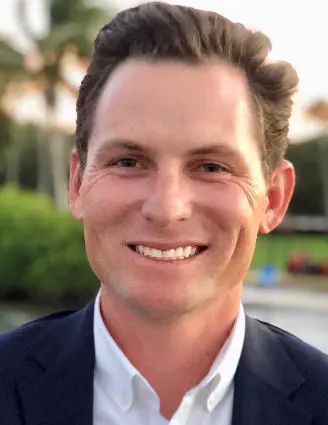
James Witteck, B.S.
Chief Executive Officer
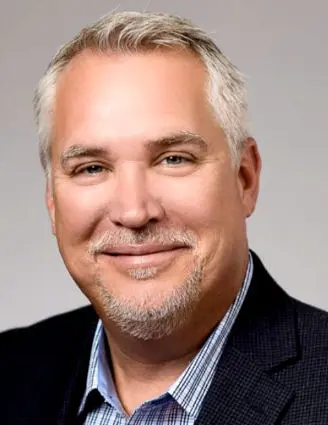
Frank Severino
Chief Marketing Officer
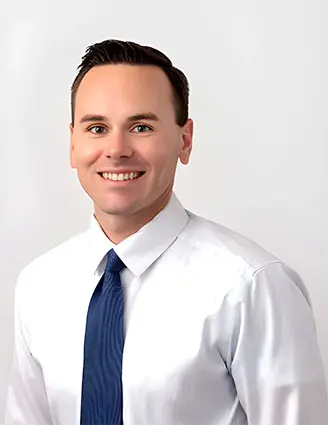
Stuart Wood
Chief Financial Officer

Breanna Schwartz
Director Of Human Resources
Accreditations

LegitScript has reviewed First City Recovery Center as part of their certification program, and has determined that it meets the LegitScript standards for legality, safety and transparency.
LegitScript verified in

State Licenses are permits issued by government agencies that allow rehab organizations to conduct business legally within a certain geographical area. Typically, the kind of program a rehab facility offers, along with its physical location, determines which licenses are required to operate legally.
State License: Indiana

The Joint Commission, formerly known as JCAHO, is a nonprofit organization that accredits rehab organizations and programs. Founded in 1951, the Joint Commision's mission is to improve the quality of patient care and demonstrating the quality of patient care.
Joint Commission Accreditation: Yes

The National Association of Addiction Treatment Providers (NAATP) is a professional association that represents organizations in the field of addiction services. Founded in 1978, NAATP's mission is to advance addiction services and ensure that high-quality addiction treatment is available and accessible.
NAATP Member: Yes
Rehab.com regularly reviews this listing for accuracy but changes may occur between updates. For the most up-to-date information, please contact First City Recovery Center.
Contact Information


317 W Jefferson St
Kokomo, IN 46901
Sponsored Helpline

