




























































































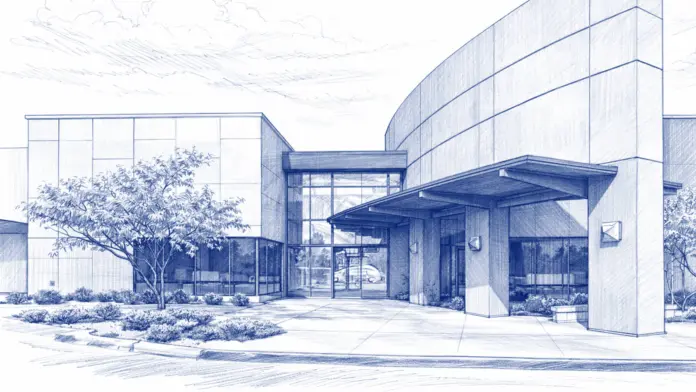
About Mental Health Clinic Mather Hospital
Mather Medical Group is an outpatient mental health clinic in Port Jefferson, New York that serves adolescents and adults. It provides psychiatric care and medication management.
The clinic serves as a mental health care entry point within the larger Northwell affiliated Mather behavioral health network for those with substance use disorders. The client is treated for psychiatric disorders here.
Clients are then referred to targeted addiction treatment programs within the same system.
Coordinated Care and Referrals
Care at the clinic is delivered by a psychiatrist who works alongside licensed social workers and treatment plans are built collaboratively with each client. This extends care beyond the clinic room.
Those already connected to school based services, county programs, or other providers benefit from a coordinated treatment because the clinic was built to function as one node in a wider support system. This offers more benefits than a standalone practice.
They accept hospital and self referrals and welcome clients with Medicaid and most managed care and commercial insurance plans. They are structured to connect clients to the right level of addiction care nearby.
This includes clients with dual substance use disorders.
Outpatient Chemical Dependency Clinic Referral
Clients who are referred from this clinic can access a continuum of evidence based addiction services within the same hospital system which includes Mather’s OASAS licensed Outpatient Chemical Dependency Clinic It offers medication assisted treatment.
They also offer addiction counseling and psychiatric services which includes a six week intensive outpatient program that steps down to general outpatient care. The Elizabeth M. Fulton Rapid Access Center provides same day assessment.
Rapid access includes crisis support for adults in mental health or substance use crisis and bridge medication management. Mather Hospital has a 24 hour Emergency Department.
It is nationally accredited for pain and addiction care where they can stabilize addiction and overdose emergencies before clients transition into treatment.
Facility Overview
 248
248 Latest Reviews



Rehab Score
 Our Methodology


Location
Accepted Insurance

Other Forms of Payment
Private insurance refers to any kind of healthcare coverage that isn't from the state or federal government. This includes individual and family plans offered by an employer or purchased from the Insurance Marketplace. Every plan will have different requirements and out of pocket costs so be sure to get the full details before you start treatment.
Self-pay involves paying for treatment out of your own pocket. You can use savings or credit, get a personal loan, or receive help from family and friends to fund your treatment. If you don't have insurance or your insurance plan doesn't cover a specific program, self-pay can help ensure you still get the care you need.
Medicare is a federal program that provides health insurance for those 65 and older. It also serves people under 65 with chronic and disabling health challenges. To use Medicare for addiction treatment you need to find a program that accepts Medicare and is in network with your plan. Out of pocket costs and preauthorization requirements vary, so always check with your provider.
Military members, veterans, and eligible dependents have access to specific insurance programs that help them get the care they need. TRICARE and VA insurance can help you access low cost or no cost addiction and mental health treatment. Programs that accept military insurance often have targeted treatment focused on the unique challenges military members, veterans, and their families face.
Medicaid is a state based program that helps lower-income individuals and families pay for healthcare. Medicaid covers addiction treatment so those enrolled can use their coverage to pay for rehab. When a program accepts Medicaid the client often pays very little or nothing out of their own pocket.
Addiction Treatments
Levels of Care
Outpatient Programs (OP) are for those seeking mental rehab or drug rehab, but who also stay at home every night. The main difference between outpatient treatment (OP) and intensive outpatient treatment (IOP) lies in the amount of hours the patient spends at the facility. Most of the time an outpatient program is designed for someone who has completed an inpatient stay and is looking to continue their growth in recovery. Outpatient is not meant to be the starting point, it is commonly referred to as aftercare.
Clients who enroll in an intensive outpatient program (IOP) are typically either in early recovery or are experiencing a crisis that increases their relapse risk. These programs promote clients' sustained sobriety through robust support, including multiple, extended care sessions per week. Intensive outpatient treatment often encompasses an array of services, including psychotherapy, recovery education, and evidence-based holistic therapies, such as acupuncture and meditation. Many outpatient rehabs also offer medication assisted treatment (MAT).
Clients in rehab aftercare programs receive a customized portfolio of services designed to promote their sustained sobriety. These clients have completed high-level treatment, are typically exiting detox and/or intensive inpatient care and are reintegrating into their home, workplace, and community. Rehab aftercare services address addiction disease as a chronic condition requiring continuing care. Clients typically work with case managers and recovery teams to access necessary resources, such as peer coaching and 12 step program induction support.
The ultimate goal of a sober living home in New York is to provide structure and support for those who want to maintain sobriety. Often, sober living homes are a transitional space for those moving from residential treatment to mainstream life. Residents typically stay at least 90 days, with most living in the halfway house for more than six months.
The partial hospitalization program (PHP) level of care offers short-term, intensive rehab for individuals with acute symptoms that require focused management but don't require 24/7 care. PHP treatment provides structured programming (i.e. individual and group therapy) and allows you to return home in the evening. PHP treatment typically meets weekly for a minimum of 20 hours with the duration typically averaging 90 days. While PHP treatment cost can vary, it is often covered by most providers.
Inpatient rehabs provide a space for clients to focus exclusively on their recovery while receiving intensive supervision and support. Inpatient treatment centers provide housing and food and most offer round-the-clock clinical care. Their primary treatment modalities typically consist of addiction counseling using various psychotherapeutic methods, including CBT, DBT, RBT, and motivational interviewing. Many rehabs also provide specialized services for clients with co-occurring addiction and mental illness. Recovery-focused life skills training and holistic therapies are other common services.
Treatments
Mental health rehabs focus on helping individuals recover from mental illnesses like bipolar disorder, clinical depression, anxiety disorders, schizophrenia, and more. Mental health professionals at these facilities are trained to understand and treat mental health issues, both in individual and group settings.
Alcohol rehab in New York can help individuals overcome alcoholism. This alcohol addiction is characterized by drinking alcohol compulsively, being unable to control how much you drink, and feeling anxious or stressed when you're not drinking. Treatment for alcohol addiction may involve brief intervention, an outpatient program, or inpatient alcohol rehab in New York. The main goal of treatment is to stop alcohol use to improve quality of life.
When you choose drug rehab in New York, you'll participate in a variety of treatments that are designed to help you live a drug-free lifestyle. Common methods of treatment include group, individual, and family counseling, medication management, nutrition, exercise, and management of co-occurring mental health disorders.
 Opioid Addiction
In New York you'll find substance abuse treatment programs that can help you address your addiction, and any co-occurring mental health disorders. These programs utilize evidence-based therapies such as cognitive-behavioral therapy (CBT), dialectical behavior therapy (DBT), and psychodynamic approaches to help you achieve recovery and new tools to sustain it. With various treatment options available, including outpatient, inpatient, and residential programs, you'll be able to find the resources and right level of care you need to effectively treat your addiction.
Programs
Adult rehab programs include therapies tailored to each client's specific needs, goals, and recovery progress. They are tailored to the specific challenges adult clients may face, including family and work pressures and commitments. From inpatient and residential treatment to various levels of outpatient services, there are many options available. Some facilities also help adults work through co-occurring conditions, like anxiety, that can accompany addiction.
Young adulthood can be an exciting, yet difficult, time of transition. Individuals in their late teens to mid-20s face unique stressors related to school, jobs, families, and social circles, which can lead to a rise in substance use. Rehab centers with dedicated young adult programs will include activities and amenities that cater to this age group, with an emphasis on specialized counseling, peer socialization, and ongoing aftercare.
Teen programs are designed to address the unique pressures teens face, pressures that can drive them to experiment with dangerous, addictive substances. They need programs that meet them exactly where they are and give them tools for long-term recovery. Therapy can help teenagers understand and work through underlying issues so they can reclaim the life ahead of them.
Clinical Services
Group therapy is any therapeutic work that happens in a group (not one-on-one). There are a number of different group therapy modalities, including support groups, experiential therapy, psycho-education, and more. Group therapy involves treatment as well as processing interaction between group members.
In individual therapy, a patient meets one-on-one with a trained psychologist or counselor. Therapy is a pivotal part of effective substance abuse treatment, as it often covers root causes of addiction, including challenges faced by the patient in their social, family, and work/school life.
You can participate in couples therapy to focus on a specific problem in your relationship or for general strengthening of the relationship. This therapy aims to help you improve communication, address conflict, and grow in affection for one another.
Research clearly demonstrates that recovery is far more successful and sustainable when loved ones like family members participate in rehab and substance abuse treatment. Genetic factors may be at play when it comes to drug and alcohol addiction, as well as mental health issues. Family dynamics often play a critical role in addiction triggers, and if properly educated, family members can be a strong source of support when it comes to rehabilitation.
Life skills trainings involve all the skills a person must have in order to function successfully in the world. These include time management, career guidance, money management, and effective communication. Truly successful addiction recovery is based on the ability to not only live substance-free, but to thrive. Life skills teaches the practical necessities of functioning in society, which sets clients up for success in life, and therefore sobriety.
Nutrition therapy, aka medical nutrition therapy (MNT), is a way of treating physical, emotional, and medical conditions through diet. Specific dietary plans are designed by professional nutritionists or registered dietitians, and patients follow them in order to positively affect their physical and mental health.
Cognitive behavioral therapy (CBT) in New York is a short term therapeutic method used to treat substance use and mental health disorders. CBT typically lasts from five to 20 sessions, based on the individual's needs.
During dialectical behavior therapy in New York, you and your therapist will look for triggers and patterns that are guiding your emotions. This involves keeping a diary of your emotions and situations and sharing this each week with the therapist. This information will determine what you work on in each session.
Amenities
-
 Private Transportation
 -
 Private Rooms
 -
 Recreation Room
 -
 Gym
Gym
Staff & Accreditations
Staff
Kevin McGeachy
Executive Director
Joseph Ng, MD
Medical Director
Wayne Seppala
CIO
Brian DeFeo
VP CFO
Tara Matz, RN, MSN, NEA-BC
VP for Nursing & CNO
Wayne Shatte
VP for Administration
Christine Amoroso, RN, MS
VP for Quality
Lisa Khavkin
VP for Human Resources
Accreditations

The Joint Commission, formerly known as JCAHO, is a nonprofit organization that accredits rehab organizations and programs. Founded in 1951, the Joint Commision's mission is to improve the quality of patient care and demonstrating the quality of patient care.
Joint Commission Accreditation: Yes

State Licenses are permits issued by government agencies that allow rehab organizations to conduct business legally within a certain geographical area. Typically, the kind of program a rehab facility offers, along with its physical location, determines which licenses are required to operate legally.
State License: New York
Rehab.com regularly reviews this listing for accuracy but changes may occur between updates. For the most up-to-date information, please contact Mental Health Clinic Mather Hospital.
Contact Information


125 Oakland Ave
Port Jefferson, NY 11777
Sponsored Helpline


