





























































































I would like to thank odyssey house for their help for changing my life.I appreciate all of what they do for us. The therapists are very wise and helpful toward our recovery. They help out without judgement and that is very kind and humbling.
About Odyssey House Adult Inpatient
This program is suitable if you’ve completed detox. However, their staff may help you with opiate and methamphetamine withdrawal. Otherwise they offer referrals to medical detox facilities. They may also offer medication assisted treatment (MAT) including methadone, Suboxone and Vivitrol if relevant to your recovery.
I like that they accept Utah Medicaid. You may even be eligible for free treatment.
The program tackles substance misuse from the ground up blending group and individual therapy with comprehensive life skills training. Emphasis is on accountability, personal responsibility and community engagement. The latter is achieved through group interactions. You’re encouraged to actively participate in daily chores, including cooking, doing laundry and general cleaning. These healthy routines help you build character and promote independence which is important for sober living.
They use clinically proven methods like cognitive behavioral therapy in both group and individual formats to help you overcome recovery challenges. This model encourages emotional regulation and reinforces positive behavioral patterns that enable you to address negative thoughts that drive substance misuse. You’ll learn how to communicate effectively, build/rebuild healthy relationships and solve problems.
You’ll also learn how to make better decisions, resolve personal conflicts and manage stress. Interacting and sharing your experiences with peers facing similar challenges improves your self confidence and awareness. These are all essential for a healthy life free of alcohol or drugs. There’s even an opportunity to assume a leadership role in the peer community. This can really boost your self worth and motivation for recovery.
Educational and vocational training that prepares you for a life of opportunity after treatment is available. Thanks to their partnership with Salt Lake City School District you can obtain a GED and receive vocational services while in treatment. They also offer recreational and cultural events which enhance your recovery experience. Recreational activities promote sound mental and physical health. The facility streamlines your access to community resources like stable housing and medical care.
The length of stay ranges from 30 to 60 days. Keep in mind that the longer you stay, the more intervention and therapeutic work will take place. It’s expected that you’ll be sober, employed and independently living a healthy life upon program completion. The facility is accredited by The Joint Commission.
Fact checked and written by:
Chika Uchendu
Edited by:
Peter Lee, PhD
Facility Overview
 16
16 Number of Available Beds
Latest Reviews
Terrible experience here! I was humiliated when I found out contraband really wasn’t a thing when staff and other seniority clients that have been there for a long time had vapes when I was told that was a big no no, I brought it to staffs attention and they absolutely did nothing but bring all the people i named and called had it put us all in a room and lied in front of everyone about it, after that i was being treated like shit!
Im not a snitch but if I wanna get sober and stay sober I wouldn’t want things that could possibly trigger you theres a reason why contraband isn’t aloud like vapes. Luckily they handed me my stuff after being there only for a week as soon as I decided to leave and mind you they did not want me to leave, this program keeps you as long as they can milk the cow.
Response from the owner1 week ago
Sorry you had a bad experience TeeJay. Vapes are forbidden for clients, but our staff may vape as long as they do it off property. If you had a problem with the way you were being treated, you should have used the encounter process to correct the situation. You gave the program only a week and it sounds like you were looking for a reason to leave. Of course we don't want you to leave because we care about you and your recovery. It has nothing to do with money. Remember we are a non profit. If you sincerely want to find recovery we suggest you try another program and give it more than a week. Good luck and thanks for the review.
Odyssey changed my life and I couldn't be more greatful! Best choice I made!
Response from the owner1 week ago
We love reviews like yours Danielle. Thank you. You are a great example of life changes when you decide to put in the hard work to accomplish your goals. Odyssey is always here to support you for the rest of your life.
Odyssey house saved my life and gave me a place to find out what is really important in my life to me. You will learn to become the strongest version of yourself. If you DO the program and follow the rules, you will succeed! Im Proud to say I am 12 years sober today. Thank you Cheryl and the rest of the staff!!
Response from the owner1 week ago
Wow!!! 12 Years!!! Way to go Kyle and thanks for the review. I'm sure Cheral and the rest of the staff will love seeing what you wrote. Odyssey loves the way you explained the program when you said to basically buy into the very successful recovery plan. If you don't follow the rules and do the work, no program will help you find recovery. We are SO glad you found the strongest version of yourself. 
Rehab Score
 Our Methodology
Scoring is assigned by a proprietary system which helps surface key metrics that determine quality. The 10-point scale factors in categories such as operations, customer satisfaction, and trust metrics. Read Full Methodology

7 / 10
Gallery
Accepted Insurance
Other Forms of Payment
Private insurance refers to any kind of healthcare coverage that isn't from the state or federal government. This includes individual and family plans offered by an employer or purchased from the Insurance Marketplace. Every plan will have different requirements and out of pocket costs so be sure to get the full details before you start treatment.
Self-pay involves paying for treatment out of your own pocket. You can use savings or credit, get a personal loan, or receive help from family and friends to fund your treatment. If you don't have insurance or your insurance plan doesn't cover a specific program, self-pay can help ensure you still get the care you need.
Sliding scale payments are based on a client's income and family size. The goal is to make treatment affordable to everyone. By taking these factors into account, addiction recovery care providers help ensure that your treatment does not become a financial burden to you or your family, eliminating one barrier to care.
Medicare is a federal program that provides health insurance for those 65 and older. It also serves people under 65 with chronic and disabling health challenges. To use Medicare for addiction treatment you need to find a program that accepts Medicare and is in network with your plan. Out of pocket costs and preauthorization requirements vary, so always check with your provider.
Military members, veterans, and eligible dependents have access to specific insurance programs that help them get the care they need. TRICARE and VA insurance can help you access low cost or no cost addiction and mental health treatment. Programs that accept military insurance often have targeted treatment focused on the unique challenges military members, veterans, and their families face.
Medicaid is a state based program that helps lower-income individuals and families pay for healthcare. Medicaid covers addiction treatment so those enrolled can use their coverage to pay for rehab. When a program accepts Medicaid the client often pays very little or nothing out of their own pocket.
Addiction Treatments
Levels of Care
Outpatient rehab programs enable clients to integrate addiction treatment with their routine work and home life. Many facilities offer virtual services and evening, night, and weekend sessions to accommodate clients' schedules. Outpatient care typically includes rigorous psychotherapy, including group and family counseling. Most programs also prioritize addiction education and recovery-focused life skills training. Medication assisted treatment (MAT) is common for clients with alcohol and/or opioid dependency.
Residential treatment programs are those that offer housing and meals in addition to substance abuse treatment. Rehab facilities that offer residential treatment allow patients to focus solely on recovery, in an environment totally separate from their lives. Some rehab centers specialize in short-term residential treatment (a few days to a week or two), while others solely provide treatment on a long-term basis (several weeks to months). Some offer both, and tailor treatment to the patient's individual requirements.
Clients receiving services in a rehab aftercare program have generally been stable and sober for a period of weeks and months and no longer require high intensity treatment. Many have stepped down from inpatient rehab to outpatient treatment. Others have been discharged from formal treatment but need support in maintaining their sobriety. Clients typically work with their case manager and care team to develop a long-term care plan that aligns with their unique needs and goals.
Participants in 12 step programs engage in rigorous group counseling, peer coaching, and personal development. Though 12 step recovery is rooted in spiritual principles, religious affiliation is not mandatory. The steps model promotes participants' emotional and psychological healing, which is presumed integral to sustained sobriety. Regular attendance at group meetings is expected. These meetings are free, anonymous, peer-led, and accessible day and night in most communities. Gender and age-specific programs and other specialized formats are common.
Sober Living Houses (SLHs), aka sober homes or halfway houses, are safe, substance-free, supportive living facilities for those recovering from substance abuse. Ideal for those who've just been through inpatient or outpatient treatment, SLHs are supervised environments with rules that support sobriety, such as curfews, shared chores, and therapeutic meetings. Residents are also often trained on life skills and coping skills to make it easier to transition into society. SLHs also provide a strong sense of community that can lead to the kind of deep and lasting connections with other sober individuals that supports a new, healthy lifestyle.
Medical detox is the safest way to remove addictive substances from your body under the care of medical professionals. In an inpatient environment, you'll be monitored 24/7 by doctors, nurses, and clinical experts, who will help keep you as safe and comfortable as possible and administer medication if needed to treat any withdrawal symptoms. The process may take up to a week or longer depending on your needs, and is often at least partially covered by insurance.
Treatments
The goal of treatment for alcoholism is abstinence. Those with poor social support, poor motivation, or psychiatric disorders tend to relapse within a few years of treatment. For these people, success is measured by longer periods of abstinence, reduced use of alcohol, better health, and improved social functioning. Recovery and Maintenance are usually based on 12 step programs and AA meetings.
When you enter a drug rehab in Utah, the process usually involves four stages: treatment initiation, early abstinence, maintaining abstinence, and advanced recovery. Treatment methods can rely on medications, counseling, or both, in either an outpatient or inpatient setting.
Many of those suffering from addiction also suffer from mental or emotional illnesses like schizophrenia, bipolar disorder, depression, or anxiety disorders. Rehab and other substance abuse facilities treating those with a dual diagnosis or co-occurring disorder administer psychiatric treatment to address the person's mental health issue in addition to drug and alcohol rehabilitation.
A combined mental health and substance abuse rehab has the staff and resources available to handle individuals with both mental health and substance abuse issues. It can be challenging to determine where a specific symptom stems from (a mental health issue or an issue related to substance abuse), so mental health and substance abuse professionals are helpful in detangling symptoms and keeping treatment on track.
Opioid rehabs specialize in supporting those recovering from opioid addiction. They treat those suffering from addiction to illegal opioids like heroin, as well as prescription drugs like oxycodone. These centers typically combine both physical as well as mental and emotional support to help stop addiction. Physical support often includes medical detox and subsequent medical support (including medication), and mental support includes in-depth therapy to address the underlying causes of addiction.
Programs
Adult rehab programs include therapies tailored to each client's specific needs, goals, and recovery progress. They are tailored to the specific challenges adult clients may face, including family and work pressures and commitments. From inpatient and residential treatment to various levels of outpatient services, there are many options available. Some facilities also help adults work through co-occurring conditions, like anxiety, that can accompany addiction.
Young adulthood can be an exciting, yet difficult, time of transition. Individuals in their late teens to mid-20s face unique stressors related to school, jobs, families, and social circles, which can lead to a rise in substance use. Rehab centers with dedicated young adult programs will include activities and amenities that cater to this age group, with an emphasis on specialized counseling, peer socialization, and ongoing aftercare.
Recovery is most successful when clients feel accepted and validated by their peers and treatment providers. Facilities that offer LGBTQ-inclusive programming are committed to creating a safe space where everyone can grow and recover without fear of judgment or discrimination. They will have dedicated policies in place to create a safe and supportive environment that fosters free expression.
Serving in the military is both mentally and physically challenging, and can result in trauma that persists even after combat ends. Military programs are tailored to the specific and often complex needs of active duty personnel, veterans, and military families. Clients often access these programs through the U.S. Department of Veterans Affairs (VA).
Clinical Services
Group therapy is any therapeutic work that happens in a group (not one-on-one). There are a number of different group therapy modalities, including support groups, experiential therapy, psycho-education, and more. Group therapy involves treatment as well as processing interaction between group members.
In individual therapy, a patient meets one-on-one with a trained psychologist or counselor. Therapy is a pivotal part of effective substance abuse treatment, as it often covers root causes of addiction, including challenges faced by the patient in their social, family, and work/school life.
Whether a marriage or other committed relationship, an intimate partnership is one of the most important aspects of a person's life. Drug and alcohol addiction affects both members of a couple in deep and meaningful ways, as does rehab and recovery. Couples therapy and other couples-focused treatment programs are significant parts of exploring triggers of addiction, as well as learning how to build healthy patterns to support ongoing sobriety.
Research clearly demonstrates that recovery is far more successful and sustainable when loved ones like family members participate in rehab and substance abuse treatment. Genetic factors may be at play when it comes to drug and alcohol addiction, as well as mental health issues. Family dynamics often play a critical role in addiction triggers, and if properly educated, family members can be a strong source of support when it comes to rehabilitation.
Dialectical Behavior Therapy (DBT) is a modified form of Cognitive Behavioral Therapy (CBT), a treatment designed to help people understand and ultimately affect the relationship between their thoughts, feelings, and behaviors. DBT is often used for individuals who struggle with self-harm behaviors, such as self-mutilation (cutting) and suicidal thoughts, urges, or attempts. It has been proven clinically effective for those who struggle with out-of-control emotions and mental health illnesses like Borderline Personality Disorder.
Amenities
-
 Residential Setting
 -
 Private Setting
Staff & Accreditations
Staff
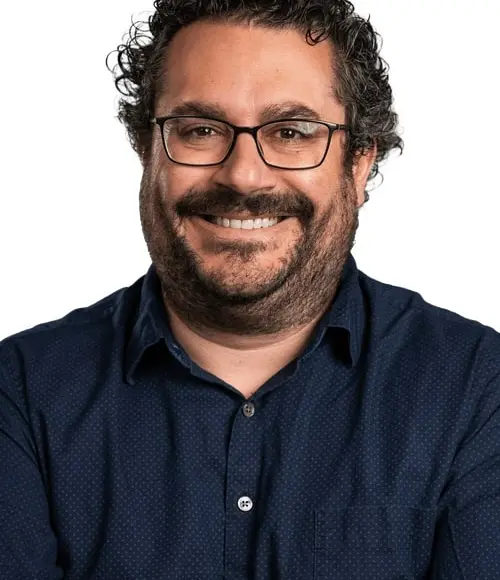
Adam Cohen, MBA
President & CEO
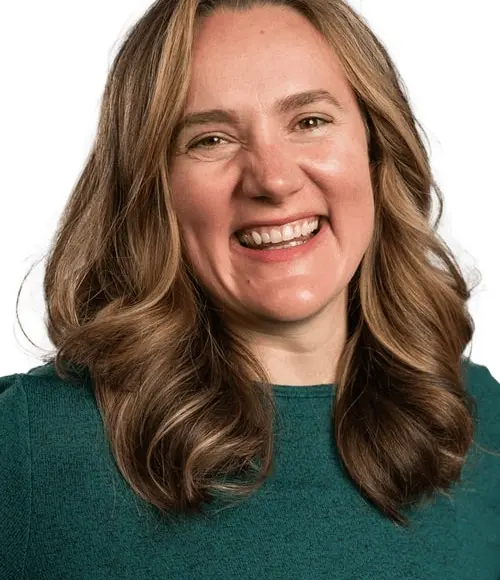
Kali Mower, BS
VP of Operations & Chief Strategy Officer
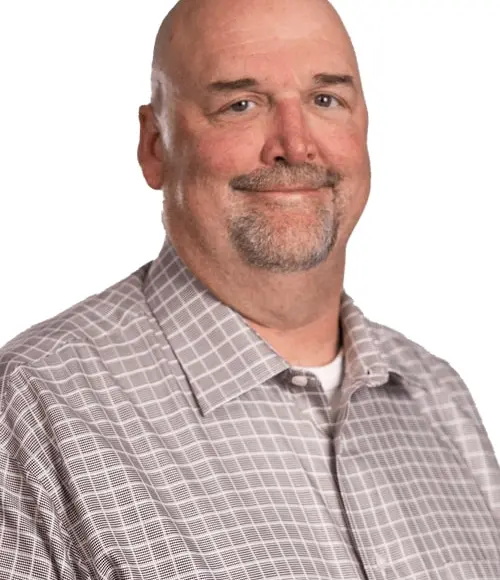
Brian Pilcher, MBA, ACC
VP of Finance & CFO
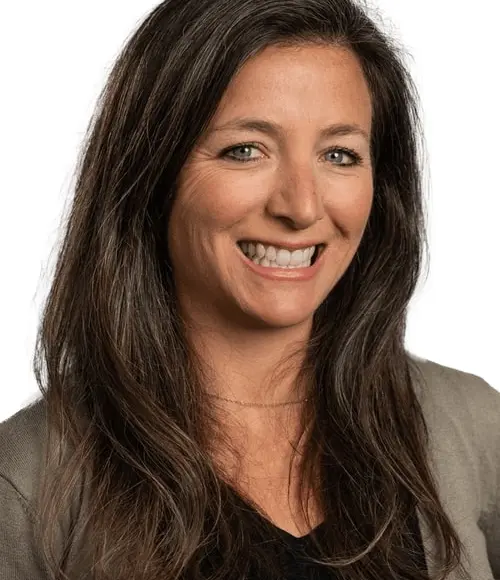
Emily Tillett, MOD
VP of Administration & Chief People Officer
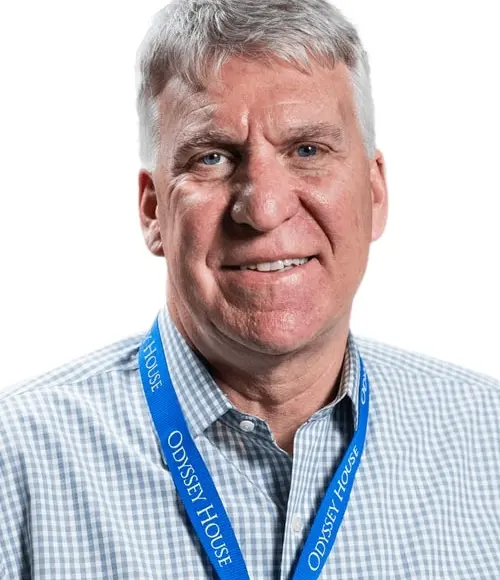
Dean Mayer, MD
Chief Medical Officer
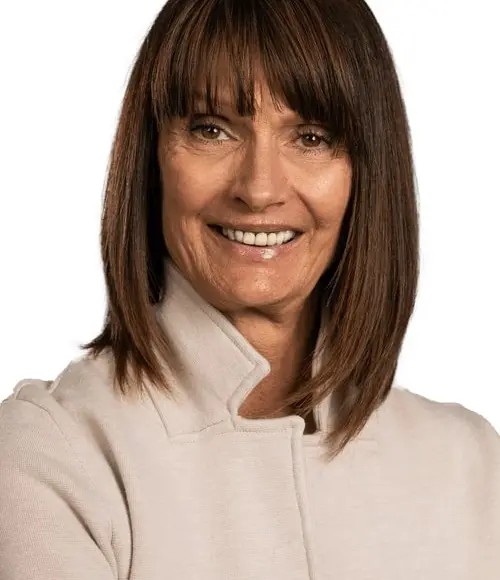
Kristine Payne, LSUDC, MBA
Admissions Director
Accreditations

The Joint Commission, formerly known as JCAHO, is a nonprofit organization that accredits rehab organizations and programs. Founded in 1951, the Joint Commision's mission is to improve the quality of patient care and demonstrating the quality of patient care.
Joint Commission Accreditation: Yes
Accreditation Number: 499156
Contact Information

68 South 600 East
Salt Lake City, UT 84102
Get Help Now - 385-390-3465
Sponsored Helpline
Sponsored Helpline

