





























































































About Woodlake Addicton Recovery IOP
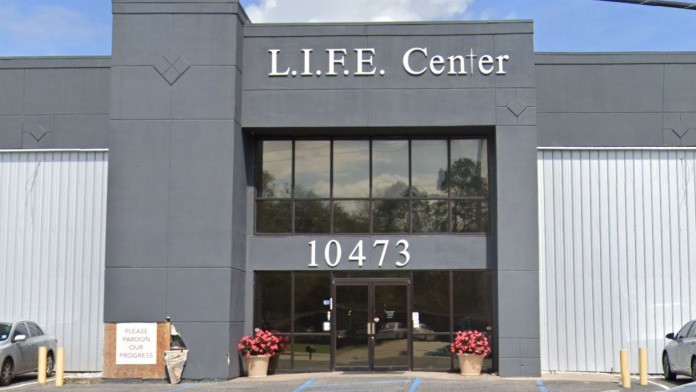
Located in a suburban community just minutes south of Baton Rouge, Louisiana, is the Woodlake Addiction Recovery Intensive Outpatient Program. This program is for men and women who have stepped down from the medical detox or residential services, both of which are also offered at Woodlake. They’ll help you develop the skills to lead a sober life after an addiction struggle.
As you work through treatment, you can expect personalized recovery plans, compassionate care, and modern therapies delivered in a state of the art, tranquil recovery environment. Its a very spacious facility with different wings, and while you can benefit from the aminietes here, their outpatient program largely stays separate from their residential programming.
12 Step Programming and the Oxford Absolutes
At the core of the services here is the 12 steps and the four absolutes of the Oxford Group. The absolutes include honesty and unselfishness as well as purity and love. With these approaches being the guiding force of treatment here, you can expect to find a community that’s ready to support you, invest in you, and believe in you even if you’re struggling and believing in yourself.
Holistic and Evidence Based Therapy
Their philosophy is that drug and alcohol addiction is a manifestation of deeper seeded issues and you’ll work with the care team here to get to the heart of those struggles so that you can begin making meaningful changes in your life. It’s through this approach that they believe that sustainable sobriety can be achieved.
While the core of their philosophy is holistic in nature, you can expect to be supported by research based treatment approaches and supports that address mental health struggles at play as well. This will be done through counseling, medication support if necessary, and a really comprehensive aftercare program.
Latest Reviews



Rehab Score
 Our Methodology


Gallery
Accepted Insurance
Other Forms of Payment
Medicaid is a state based program that helps lower-income individuals and families pay for healthcare. Medicaid covers addiction treatment so those enrolled can use their coverage to pay for rehab. When a program accepts Medicaid the client often pays very little or nothing out of their own pocket.
Private insurance refers to any kind of healthcare coverage that isn't from the state or federal government. This includes individual and family plans offered by an employer or purchased from the Insurance Marketplace. Every plan will have different requirements and out of pocket costs so be sure to get the full details before you start treatment.
Self-pay involves paying for treatment out of your own pocket. You can use savings or credit, get a personal loan, or receive help from family and friends to fund your treatment. If you don't have insurance or your insurance plan doesn't cover a specific program, self-pay can help ensure you still get the care you need.
Financial aid can take many forms. Centers may have grants or scholarships available to clients who meet eligibility requirements. Programs that receive SAMHSA grants may have financial aid available for those who need treatment as well. Grants and scholarships can help you pai for treatment without having to repay.
Military members, veterans, and eligible dependents have access to specific insurance programs that help them get the care they need. TRICARE and VA insurance can help you access low cost or no cost addiction and mental health treatment. Programs that accept military insurance often have targeted treatment focused on the unique challenges military members, veterans, and their families face.
Addiction Treatments
Levels of Care
Intensive Outpatient Programs (IOP) are for those who want or need a very structured treatment program but who also wish to live at home and continue with certain responsibilities (such as work or school). IOP substance abuse treatment programs vary in duration and intensity, and certain outpatient rehab centers will offer individualized treatment programs.
A partial hospitalization program (PHP) is a short-term form of intensive rehab, usually for those with acute symptoms that are hard to manage but don’t require 24-hour care. PHPs have structured programming (i.e. individual and/or group therapy), and usually meet 3-5 days a week for around 6 hours (i.e. 9am-3m). Some PHPs are residential (patients sleep on site) and some are not, so patients sleep at home. PHPs can last from 1-6 months, and some offer transportation and meals.
Sober Living Houses (SLHs), aka sober homes or halfway houses, are safe, substance-free, supportive living facilities for those recovering from substance abuse. Ideal for those who've just been through inpatient or outpatient treatment, SLHs are supervised environments with rules that support sobriety, such as curfews, shared chores, and therapeutic meetings. Residents are also often trained on life skills and coping skills to make it easier to transition into society. SLHs also provide a strong sense of community that can lead to the kind of deep and lasting connections with other sober individuals that supports a new, healthy lifestyle.
Clients enrolled in rehab aftercare programs have completed high-level treatment and are typically in the maintenance phase of their recovery, receiving customized services designed to support their sustained sobriety. Case managers and care teams typically begin to plan for the client's rehab aftercare services early in the treatment process to ensure the client's fluid reentry into their home, workplace, and community. These programs evolve as clients' needs change, and frequently include peer coaching, relapse prevention, and career counseling.
12 step programs enable participants to focus on their long-term sobriety through rigorous peer support and ongoing personal growth. They engage in regular, peer-directed 12 step meetings and receive one-on-one mentoring by a self-selected sponsor. Meetings are free, anonymous, and available multiple times a day, 365 days per year in most communities. Though 12 steps of recovery are rooted in spiritual principles, religious affiliation isn't mandatory. Specialized programs are widely available, including youth and family meetings.
Collaboration between a professional treatment team and the family of an addicted loved one is an essential benefit of intervention services in Louisiana. Working together, they can develop the best strategies for a drug intervention. These experienced professionals know what protocols are most effective for interventions and provide expert insight that can improve the outcome of the intervention. An intervention specialist acts as a mediator during the intervention and a guide for next steps based on the outcome of the effort.
Clients enrolled in outpatient rehab typically need less intensive supervision and support than those in inpatient care. Clients may continue to work and attend school while participating in addiction counseling and recovery education during the evening, night, or weekend. Clients also often enter intensive outpatient (IOP) treatment immediately upon exiting residential care, which provides them with high-level step-down support as they reintegrate into their homes and communities.
Treatments
A combined mental health and substance abuse rehab has the staff and resources available to handle individuals with both mental health and substance abuse issues. It can be challenging to determine where a specific symptom stems from (a mental health issue or an issue related to substance abuse), so mental health and substance abuse professionals are helpful in detangling symptoms and keeping treatment on track.
Programs
Adult rehab programs include therapies tailored to each client's specific needs, goals, and recovery progress. They are tailored to the specific challenges adult clients may face, including family and work pressures and commitments. From inpatient and residential treatment to various levels of outpatient services, there are many options available. Some facilities also help adults work through co-occurring conditions, like anxiety, that can accompany addiction.
Young adulthood can be an exciting, yet difficult, time of transition. Individuals in their late teens to mid-20s face unique stressors related to school, jobs, families, and social circles, which can lead to a rise in substance use. Rehab centers with dedicated young adult programs will include activities and amenities that cater to this age group, with an emphasis on specialized counseling, peer socialization, and ongoing aftercare.
Recovery is most successful when clients feel accepted and validated by their peers and treatment providers. Facilities that offer LGBTQ-inclusive programming are committed to creating a safe space where everyone can grow and recover without fear of judgment or discrimination. They will have dedicated policies in place to create a safe and supportive environment that fosters free expression.
Serving in the military is both mentally and physically challenging, and can result in trauma that persists even after combat ends. Military programs are tailored to the specific and often complex needs of active duty personnel, veterans, and military families. Clients often access these programs through the U.S. Department of Veterans Affairs (VA).
Clinical Services
If you undergo cognitive behavioral therapy in Louisiana, you may engage in role playing, face your fears, and learn to calm your mind and body. These techniques are designed to help you recognize unhealthy patterns of thinking and to learn healthy ways of coping with challenges.
When you participate in dialectical behavior therapy, you'll work on recognizing distorted thinking patterns that are guiding your emotions. You'll learn how to change these patterns to eliminate unproductive reactions. This involves developing better coping mechanisms to handle stressful situations.
If you are struggling with motivation to change, motivational interviewing is designed to help. This method typically involves one or two sessions with a therapist. The technique helps you understand your motivations and empowers you to make changes to reach your goals.
Men and women in Louisiana who seek individual therapy for drug and alcohol addiction treatment will receive therapy in a focused and supportive environment. Therapists customize interventions to your unique situation. This helps you understand the addictive process and develop coping strategies to help achieve and maintain sobriety.
The purpose of family therapy is to create a supportive and understanding dynamic between family members. Therapists assist families in identifying and changing negative, harmful patterns while improving open and honest communication. This provides a stable foundation for the recovery journey.
Couples therapy focuses on helping the couple develop skills that will improve the relationship. These include communication, conflict resolution, and anger management. Couples also identify dysfunctional behaviors and work to eliminate them.
Staff & Accreditations
Staff
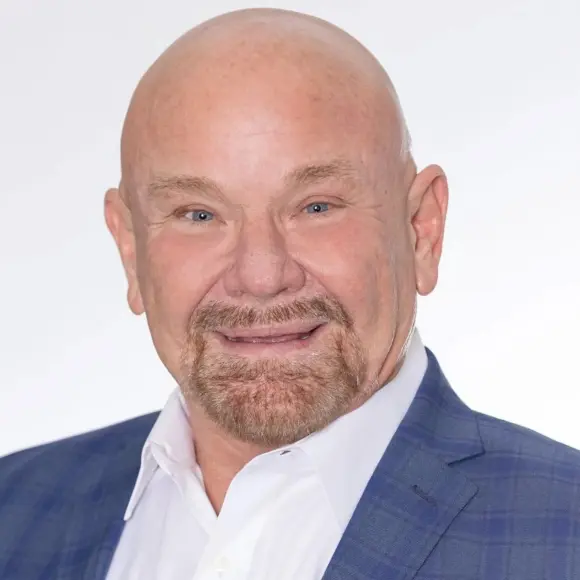
Randy Gomez
Chairman & CEO
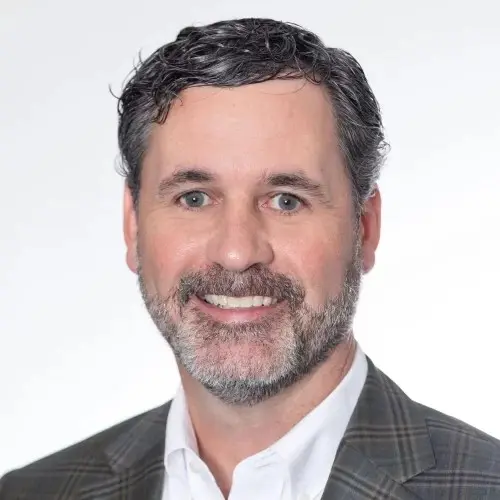
Blain Houdton
CFO
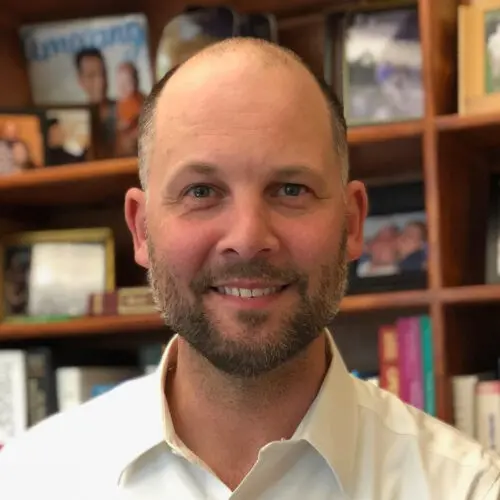
Dr. Jacob Wood
Medical Director
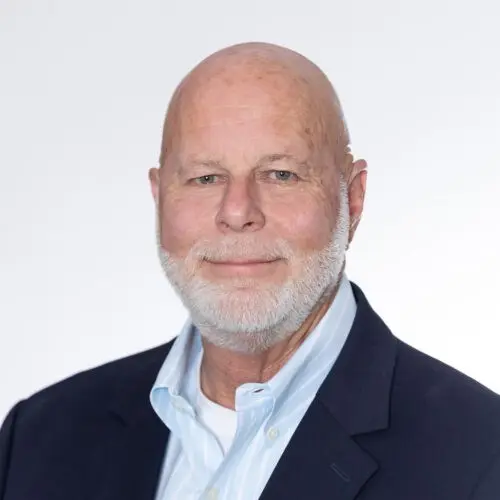
Edward Atherton
Director of Admissions
Accreditations

The Commission on Accreditation of Rehabilitation Facilities (CARF) is a non-profit organization that specifically accredits rehab organizations. Founded in 1966, CARF's, mission is to help service providers like rehab facilities maintain high standards of care.
CARF Accreditation: Yes

State Licenses are permits issued by government agencies that allow rehab organizations to conduct business legally within a certain geographical area. Typically, the kind of program a rehab facility offers, along with its physical location, determines which licenses are required to operate legally.
State License: Louisiana
Rehab.com regularly reviews this listing for accuracy but changes may occur between updates. For the most up-to-date information, please contact Woodlake Addicton Recovery IOP.
Contact Information


10473 Old Hammond Hwy
Baton Rouge, LA 70816
Sponsored Helpline


