Get Help Now
Question iconSponsored Helpline

Phone icon 800-784-1361
Claim Profile

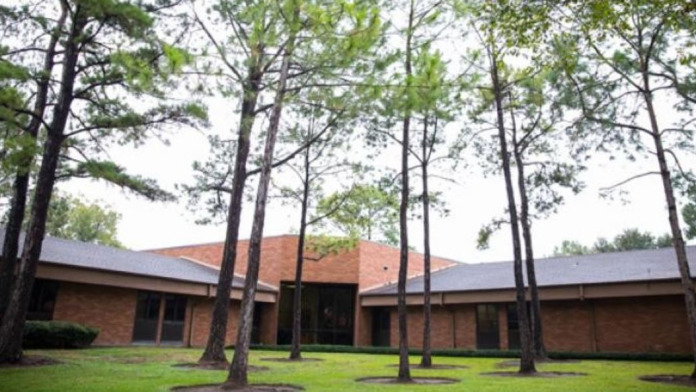
Houston Behavioral Healthcare Hospital

2801 N. Gessner Road
Houston, TX 77080
Claim Profile
Houston Behavioral Healthcare Hospital TX 77080

About Houston Behavioral Healthcare Hospital

Treatment at the Houston Behavioral Healthcare Hospital begins with a mental health assessment to screen for symptoms of addiction or co-occurring mental health disorders.

The intensive outpatient program (IOP) is designed for adults and adolescents. Participants attend individual and group treatment sessions for improved coping skills, peer support, and recovery support meetings. Sessions are held 3-4 days per week.

Like other outpatient programs, the partial hospitalization program (PHP) involves participants’ attending individual and group sessions, but PHP participants attend treatment most days of the week. The PHP may be best suited to dual-diagnosis treatments and acute substance use disorders.

Houston Behavioral Healthcare Hospital accepts Aetna, Amerigroup, BCBS, Beacon Healthcare, Cenpatico, First Care, Health First, Cigna, Care N Care, APS, Humana, Magellan, MHN, Molina Healthcare, Optum, Multiplan, Scott & White Health Plan, Secure Horizons, Texas True Choice, TMHP, Value Options, and Wellcare. Contact your provider to verify coverage because out-of-network benefits can vary.

Similar Rehab Centers

Fact checked and written by:
Kerry Nenn, BSW
Edited by:
Kerry Nenn, BSW

Latest Reviews

NeritaUplifting Ministry
1 week ago on Google
1
If I could give zero stars, I would. This facility caused me tremendous stress during a very difficult time with my son. I already had an open CPS case before he was admitted, and I made it very clear that I was waiting for instructions from my CPS worker regarding his placement. Instead of communicating clearly, the staff repeatedly threatened to call CPS for abandonment, even though I had already called CPS myself hours earlier and had a report number documenting my concerns. I explained multiple times that I am homeless, caring for five other children, and that my son has a history of aggression, property damage, and unsafe behavior. Instead of offering support, I felt judged, pressured, and spoken to disrespectfully. As a parent trying to follow the law and protect ALL of my children, the treatment I received here was extremely hurtful. I also had to pay over $623 while homeless just to ensure my son could get to a safe location with his father, plus the facility expected me to pay $50+ each way for Lyft transportation when I had no financial means. I have reached out to legal resources and will be consulting with an attorney. I have documentation of my CPS report and all attempts I made to get help and clarity. My experience here made an already traumatic situation even worse, and I would not recommend this facility to families who are already in crisis and need compassion, communication, and support.
Response from the owner1 week ago
Please contact our Patient Advocate to assist with your concerns and situation. He can be reached at remy.schnyder@houstonbehavioralhealth.com
TheRealMzBlue
2 weeks ago on Google
1
Communication was terrible. Dr. Starbranch is terrible she refused to call me despite nurse staff telling her to. She saw my child five minutes then had him taking several pills and I still don’t know what he was giving, getting his paperwork released. They didn’t want to let him go home and I had to talk to Mr Remy to finally have him released. His symptoms have gotten worse, he’s having an allergic reaction to one of the shots he was given. Nightmares when sleeping and he’s terrified to go there to request his medical records. Very strange place and the staff is terrible. Don’t take your love ones here.
Response from the owner1 week ago
Thank you for sharing your concerns. Please again reach out to Remy Schnyder at remy.schnyder@houstonbehavioralhealth.com for more resources.
JAIME MARTINEZ
3 weeks ago on Google
5
Me gusta mucho el trato que lean dado ami hijo en este hospital siempre han sido muy respetusos y el señor de la repcecion julio zapata siempre ha sido amable me ayudado cada vez que quiero hablar y saver demi hijo
Response from the owner1 week ago
Thank you for your kind words regarding Julio Zapata. This review will be shared with he and his supervisor.
Rehab.com icon

Rehab Score

Question iconOur Methodology
Scoring is assigned by a proprietary system which helps surface key metrics that determine quality. The 10-point scale factors in categories such as operations, customer satisfaction, and trust metrics. Read Full MethodologyCaret icon
Gauge icon
6.5 / 10

Accepted Insurance

Please contact to verify your specific insurance provider.

Houston Behavioral Healthcare Hospital works with several private insurance providers, please contact to verify your specific insurance provider.

Other Forms of Payment

Private insurance refers to any kind of healthcare coverage that isn't from the state or federal government. This includes individual and family plans offered by an employer or purchased from the Insurance Marketplace. Every plan will have different requirements and out of pocket costs so be sure to get the full details before you start treatment.

Self-pay involves paying for treatment out of your own pocket. You can use savings or credit, get a personal loan, or receive help from family and friends to fund your treatment. If you don't have insurance or your insurance plan doesn't cover a specific program, self-pay can help ensure you still get the care you need.

Medicare is a federal program that provides health insurance for those 65 and older. It also serves people under 65 with chronic and disabling health challenges. To use Medicare for addiction treatment you need to find a program that accepts Medicare and is in network with your plan. Out of pocket costs and preauthorization requirements vary, so always check with your provider.

Military members, veterans, and eligible dependents have access to specific insurance programs that help them get the care they need. TRICARE and VA insurance can help you access low cost or no cost addiction and mental health treatment. Programs that accept military insurance often have targeted treatment focused on the unique challenges military members, veterans, and their families face.

Medicaid is a state based program that helps lower-income individuals and families pay for healthcare. Medicaid covers addiction treatment so those enrolled can use their coverage to pay for rehab. When a program accepts Medicaid the client often pays very little or nothing out of their own pocket.

Addiction Treatments

Levels of Care

After completing some form of inpatient care, many clients transition or step down to an outpatient rehab, while some choose to transition from detox directly into outpatient care. High-intensity outpatient programming, including partial hospitalization (PHP) and intensive outpatient (IOP) is widely available for clients in early recovery, those leaving detox, and those at an elevated relapse risk. Clients in outpatient care generally engage in robust addiction counseling and recovery education, and some also receive medication assisted treatment (MAT).

Residential treatment programs are those that offer housing and meals in addition to substance abuse treatment. Rehab facilities that offer residential treatment allow patients to focus solely on recovery, in an environment totally separate from their lives. Some rehab centers specialize in short-term residential treatment (a few days to a week or two), while others solely provide treatment on a long-term basis (several weeks to months). Some offer both, and tailor treatment to the patient's individual requirements.

Intensive Outpatient Programs (IOP) are for those who want or need a very structured treatment program but who also wish to live at home and continue with certain responsibilities (such as work or school). IOP substance abuse treatment programs vary in duration and intensity, and certain outpatient rehab centers will offer individualized treatment programs.

Rehab aftercare programs are based on a model of continuing care and the premise that recovery is a life-long process requiring ongoing client support. Many rehab aftercare services include outpatient care, but clients often continue to receive support after being discharged from formal treatment. Case managers and care teams typically collaborate with clients to design their long-term care plan, which may include peer coaching, career counseling, and 12 step program induction, among other services.

12 step programs promote participants' sustained sobriety through rigorous and ongoing peer coaching and personal spiritual growth. Participants routinely attend 12 step meetings, which are available multiple times per day, 365 days per year in most communities. This ensures that those in recovery have prompt access to the structure and support they need when they need it. These programs use spiritual precepts to address the root causes of addiction and encourage compassion, self-awareness, forgiveness, accountability, and acceptance.

A drug intervention in Texas may be necessary if your loved one is in denial about a substance use disorder. You can partner with intervention services to plan and execute an effective intervention that educates your loved one about addiction and encourages them to get the treatment they need. Many rehab centers offer intervention specialists who can facilitate the intervention and help with a seamless transition to inpatient rehab for treatment.

A partial hospitalization program (PHP) is a short-term form of intensive rehab, usually for those with acute symptoms that are hard to manage but don’t require 24-hour care. PHPs have structured programming (i.e. individual and/or group therapy), and usually meet 3-5 days a week for around 6 hours (i.e. 9am-3m). Some PHPs are residential (patients sleep on site) and some are not, so patients sleep at home. PHPs can last from 1-6 months, and some offer transportation and meals.

Treatments

Mental health rehabs focus on helping individuals recover from mental illnesses like bipolar disorder, clinical depression, anxiety disorders, schizophrenia, and more. Mental health professionals at these facilities are trained to understand and treat mental health issues, both in individual and group settings.

A combined mental health and substance abuse rehab has the staff and resources available to handle individuals with both mental health and substance abuse issues. It can be challenging to determine where a specific symptom stems from (a mental health issue or an issue related to substance abuse), so mental health and substance abuse professionals are helpful in detangling symptoms and keeping treatment on track.

Programs

Adult rehab programs include therapies tailored to each client's specific needs, goals, and recovery progress. They are tailored to the specific challenges adult clients may face, including family and work pressures and commitments. From inpatient and residential treatment to various levels of outpatient services, there are many options available. Some facilities also help adults work through co-occurring conditions, like anxiety, that can accompany addiction.

Recovery is most successful when clients feel accepted and validated by their peers and treatment providers. Facilities that offer LGBTQ-inclusive programming are committed to creating a safe space where everyone can grow and recover without fear of judgment or discrimination. They will have dedicated policies in place to create a safe and supportive environment that fosters free expression.

Serving in the military is both mentally and physically challenging, and can result in trauma that persists even after combat ends. Military programs are tailored to the specific and often complex needs of active duty personnel, veterans, and military families. Clients often access these programs through the U.S. Department of Veterans Affairs (VA).

Clinical Services

The goal of cognitive behavioral therapy (CBT) in Texas is to change thought patterns, which leads to changes in behavior. Specific techniques during CBT can include self talk, SMART goals, journaling, and positive activities.

Treatment that takes a dialectical behavior therapy approach focuses on four strategies. Distress tolerance will help you accept and tolerate intense emotions. Emotional regulation will teach you to manage those emotions. Mindfulness will keep you in the present moment instead of regret or worry. Interpersonal effectiveness will teach you to manage your relationships.

Group therapy is any therapeutic work that happens in a group (not one-on-one). There are a number of different group therapy modalities, including support groups, experiential therapy, psycho-education, and more. Group therapy involves treatment as well as processing interaction between group members.

In individual therapy, a patient meets one-on-one with a trained psychologist or counselor. Therapy is a pivotal part of effective substance abuse treatment, as it often covers root causes of addiction, including challenges faced by the patient in their social, family, and work/school life.

Motivational Interviewing (MI) is a clinical approach to helping people with substance abuse issues and other conditions shift behavior in positive ways. It is more goal-oriented than traditional psychotherapy, as MI counselors directly attempt to get clients to consider making behavioral change (rather than wait for them to come to conclusions themselves). Its primary purpose is to resolve ambivalence and help clients become able to make healthy choices freely.

The purpose of family therapy is to create a supportive and understanding family dynamic within the family unit. Therapists help individual members to identify and change harmful behavior patterns and improve communication. This provides a stable foundation for the family and their loved one's recovery.

Life skills trainings involve all the skills a person must have in order to function successfully in the world. These include time management, career guidance, money management, and effective communication. Truly successful addiction recovery is based on the ability to not only live substance-free, but to thrive. Life skills teaches the practical necessities of functioning in society, which sets clients up for success in life, and therefore sobriety.

When used as recommended, nicotine replacement therapy in Texas provides enough nicotine to help you avoid severe cravings and withdrawal symptoms after quitting smoking. This increases comfort so you're less likely to relapse into your smoking habit.

Amenities

  • private iconPrivate Setting

Staff & Accreditations

Staff

Adrian M. Flores, MD, MBA

CEO

Victor Oderinde, MD

Chief Medical Officer

Heidi Philippe, MBA

CFO

Kenya Williams, BSN, RN

Chief Nursing Officer

Jason Komar, LMSW, LCDC, MBA

Executive Director of Clinical Services

Maggie Medina

Director of Human Resources

Christopher Andrews

Director of Plant Operations

Kim Douglas

Director of Utilization Review

Accreditations

The Joint Commission, formerly known as JCAHO, is a nonprofit organization that accredits rehab organizations and programs. Founded in 1951, the Joint Commision's mission is to improve the quality of patient care and demonstrating the quality of patient care.

Joint Commission Accreditation: Yes

Contact Information

Building icon

2801 N. Gessner Road
Houston, TX 77080

Explore Other Centers Near Houston

Reviews of Houston Behavioral Healthcare Hospital

2.44/5 (412 reviews)
0
Staff
0
Amenities
0
Meals
0
Value
0
Cleanliness
5
114
4
32
3
16
2
18
1
243

Reviews

Overall Experience
Date Submitted
Reviewer

Google Reviews

2.4441747572816 (412 reviews)
NeritaUplifting Ministry
1 week ago
1

If I could give zero stars, I would. This facility caused me tremendous stress during a very difficult time with my son. I already had an open CPS case before he was admitted, and I made it very clear that I was waiting for instructions from my CPS worker regarding his placement. Instead of communicating clearly, the staff repeatedly threatened to call CPS for abandonment, even though I had already called CPS myself hours earlier and had a report number documenting my concerns. I explained multiple times that I am homeless, caring for five other children, and that my son has a history of aggression, property damage, and unsafe behavior. Instead of offering support, I felt judged, pressured, and spoken to disrespectfully. As a parent trying to follow the law and protect ALL of my children, the treatment I received here was extremely hurtful. I also had to pay over $623 while homeless just to ensure my son could get to a safe location with his father, plus the facility expected me to pay $50+ each way for Lyft transportation when I had no financial means. I have reached out to legal resources and will be consulting with an attorney. I have documentation of my CPS report and all attempts I made to get help and clarity. My experience here made an already traumatic situation even worse, and I would not recommend this facility to families who are already in crisis and need compassion, communication, and support.

Response from the owner
Please contact our Patient Advocate to assist with your concerns and situation. He can be reached at remy.schnyder@houstonbehavioralhealth.com
KC H (KCH)
1 week ago
1

Response from the owner
KCH,
If you would like to share more details, please email our Patient Advocate Remy Schnyder at remy.schnyderhoustonbehavioralhealthhospital.com
TheRealMzBlue
2 weeks ago
1

Communication was terrible. Dr. Starbranch is terrible she refused to call me despite nurse staff telling her to. She saw my child five minutes then had him taking several pills and I still don’t know what he was giving, getting his paperwork released. They didn’t want to let him go home and I had to talk to Mr Remy to finally have him released. His symptoms have gotten worse, he’s having an allergic reaction to one of the shots he was given. Nightmares when sleeping and he’s terrified to go there to request his medical records. Very strange place and the staff is terrible. Don’t take your love ones here.

Response from the owner
Thank you for sharing your concerns. Please again reach out to Remy Schnyder at remy.schnyder@houstonbehavioralhealth.com for more resources.
JAIME MARTINEZ
3 weeks ago
5

Me gusta mucho el trato que lean dado ami hijo en este hospital siempre han sido muy respetusos y el señor de la repcecion julio zapata siempre ha sido amable me ayudado cada vez que quiero hablar y saver demi hijo

Response from the owner
Thank you for your kind words regarding Julio Zapata. This review will be shared with he and his supervisor.
Overall Experience
Date Submitted
No reviews matching the selected filter!
Get Help Now
Question iconSponsored Helpline

Phone icon 800-784-1361

Left arrow iconBack

Write a review for Houston Behavioral Healthcare Hospital

Sharing your insights and experiences can help others learn more about this rehab center.

Title of Your Review
This is a required field
Your Review

Reviews comments must comply with our Review Policy Content Standards. Please do not use names (job titles / positions are acceptable) of any individual or identifying features, abusive remarks, or allegations of negligence or criminal activity.

A minimum of 200 characters and max of 2,000 characters required.
This is a required field
How would you rate the facility on the following?*
Overall Experience
Must select a star rating
Accomodations & Amenities
Must select a star rating
Meals & Nutrition
N/A
Must select a star rating
Treatment Effectiveness
Must select a star rating
Admissions Process
Must select a star rating
Staff & Friendliness
Must select a star rating
Cleanliness
Must select a star rating
Value for Cost
Must select a star rating
What is your connection to this facility?
This is a required field
Your Name*
This is a required field
Your Email*
This is a required field
Spinner icon Submitting your review...
Thumbs up icon Your review was successfully submitted.

Nearby Featured Providers

Get Help Today Phone icon 800-823-7153
Question iconSponsored Helpline