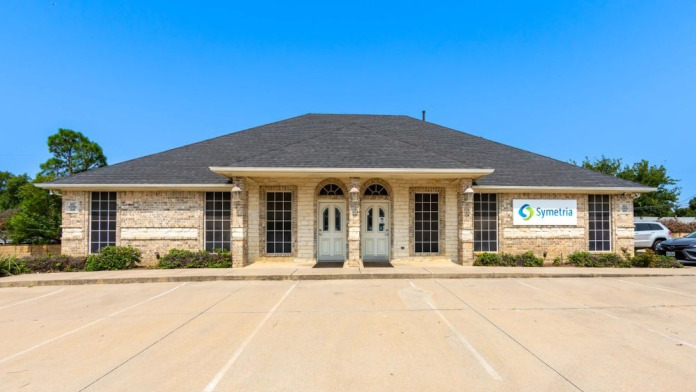
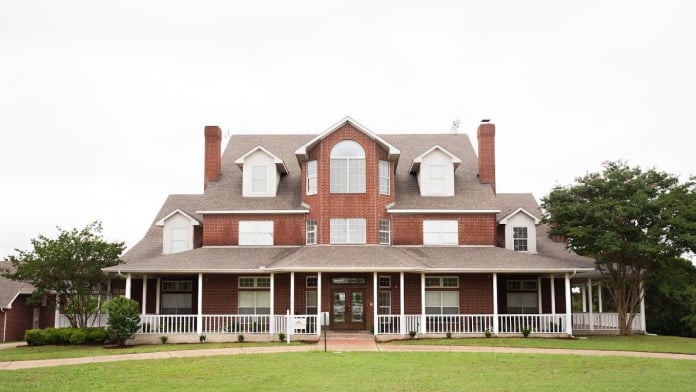
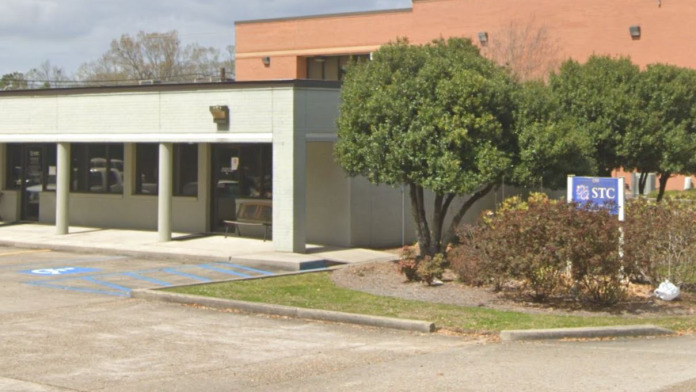
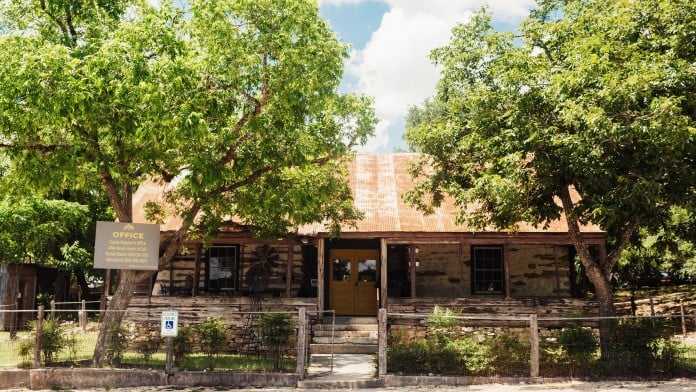
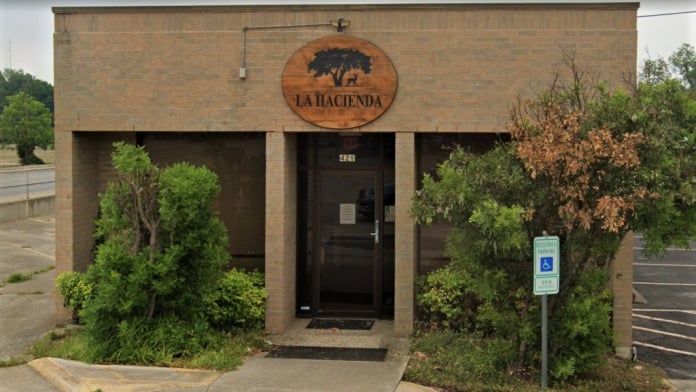
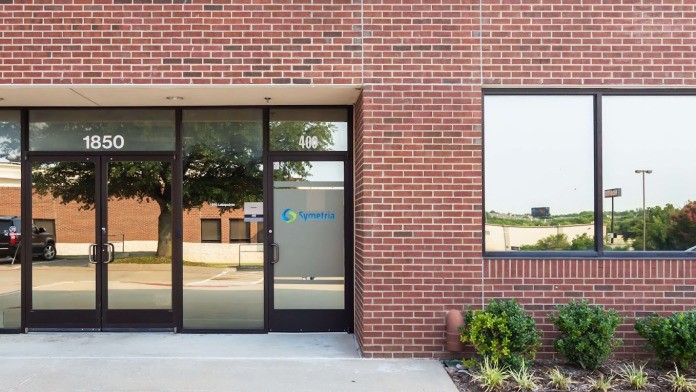
Nova Recovery Center – Austin is a drug and alcohol rehab in Austin, Texas. They primarily offer an intensive outpatient program (IOP) from this location but they can refer you to any of their other Austin spots for medical detox or inpatient care.
Their IOP typically lasts for eight weeks and includes a ton of step-down support and additional resources should you need them. If you need help managing your cravings then they offer medication-assisted treatment.
Recovery That Focuses on More than Abstinence
Nova Recovery created its programs with the understanding that treating the underlying cause of addiction is more helpful for long-term sobriety than abstinence on its own. Their process involves deep introspection and analysis to identify the things holding you back.
The Importance of Community
The program structure leans into connection and knowledge. You’ll spend time in group sessions sharing your experiences, role playing different scenarios, journaling, and other activities that build coping mechanisms. You’ll also spend time in educational groups learning about the neurobiology of addiction and applying that knowledge to relapse prevention plans and managing difficult situations.
Charged my fathers credit card for $5000 about six years after I left this facility. No one will answer us or call us back. I’ve left a review about this before and it was deleted .
Long story short, 35 years of hard drinking landed me in a ditch in a city I'm not even from. But I thank GOD every day for it! My desperation for change got me to Briarwood detox center. I was so scared but I was unusually willing to do anything, the night before waking up in that ditch I was contemplating suicide, again. For so many years I watched my life fall apart time and time again, over and over. I really never understood why I was unable to control my drinking. Leaving Briarwood and while being transported to Nova recovery center I didn't know what to expect but my anger and anxiety were already building. I still can't get over how amazing Nova looks, it pretty much relaxes you the minute you arrive! I had never been to "rehab" before so I was blown away by the beauty of the amenities and the attentive staff. So with that said, I was sweet and grateful to be there for about 48 hours and then I started being the walking talking character defect stage character I was, telling everyone how they should do their jobs and finding things, if not inventing things to complain about. I still get embarrassed sometimes of my actions and comments I made the first weeks of my stay. But what stands out is how the staff didn't even blink! I never got the reaction I would of deserved! I was loved on! I was given understanding and compassion! They treated me like the sick person who needed help, that I was! They dug in and held me accountable with truth and what I referrer to as grace. The Recovery specialist who work with us, for us and teach us vital solutions to my disease of alcoholism that I will be forever grateful for. From the frequent individual counseling sessions to the daily group counseling classes to the, "hey I need to talk!", I received an understanding of how to maintain my life of sobriety! Nova is a very important and special place to me so I could really go on and on but the main point I want to testify about is this, I'm truly a better person today because of the dedication to helping people by the Nova recovery family!
Sincerely,
Dustin❤️
Scoring is assigned by a proprietary system which helps surface key metrics that determine quality. The 10-point scale factors in categories such as operations, customer satisfaction, and trust metrics. Read Full Methodology
6.2 / 10
Location
Accepted Insurance
Please contact to verify your specific insurance provider.
Nova Recovery Center – Austin works with several private insurance providers, please contact to verify your specific insurance provider.
Private insurance refers to any kind of healthcare coverage that isn't from the state or federal government. This includes individual and family plans offered by an employer or purchased from the Insurance Marketplace. Every plan will have different requirements and out of pocket costs so be sure to get the full details before you start treatment.
Self-pay involves paying for treatment out of your own pocket. You can use savings or credit, get a personal loan, or receive help from family and friends to fund your treatment. If you don't have insurance or your insurance plan doesn't cover a specific program, self-pay can help ensure you still get the care you need.
Addiction Treatments
Levels of Care
Drug and alcohol addiction often takes a heavy toll on one's body. Over time, a physical dependence can develop, meaning the body physiologically needs the substance to function. Detox is the process of removing drugs and/or alcohol from the body, a process that can be lethal if mismanaged. Medical detox is done by licensed medical professionals who monitor vital signs and keep you safe, healthy, and as comfortable as possible as you go through detox and withdrawal.
Residential treatment programs are those that offer housing and meals in addition to substance abuse treatment. Rehab facilities that offer residential treatment allow patients to focus solely on recovery, in an environment totally separate from their lives. Some rehab centers specialize in short-term residential treatment (a few days to a week or two), while others solely provide treatment on a long-term basis (several weeks to months). Some offer both, and tailor treatment to the patient's individual requirements.
12-step programs are addiction recovery models based on Alcoholics Anonymous (AA). A number of substance abuse programs (including some drug and alcohol rehab centers) use the 12 steps as a basis for treatment. Beginning steps involve admitting powerlessness over the addiction and creating a spiritual basis for recovery. Middle steps including making direct amends to those who've been hurt by the addiction, and the final step is to assist others in addiction recovery in the same way. 12-Step offshoots including Narcotics Anonymous (NA), Cocaine Anonymous (CA), Dual Recovery Anonymous (DRA), Sex and Love Addicts Anonymous (SLAA) and Gamblers Anonymous (GA).
Treatments
The goal of treatment for alcoholism is abstinence. Those with poor social support, poor motivation, or psychiatric disorders tend to relapse within a few years of treatment. For these people, success is measured by longer periods of abstinence, reduced use of alcohol, better health, and improved social functioning. Recovery and Maintenance are usually based on 12 step programs and AA meetings.
During rehab in Texas, you'll deal with underlying issues that contribute to addiction. By addressing these challenges and learning healthy ways to cope with them, you'll develop strategies that help you live a drug-free lifestyle.
Many of those suffering from addiction also suffer from mental or emotional illnesses like schizophrenia, bipolar disorder, depression, or anxiety disorders. Rehab and other substance abuse facilities treating those with a dual diagnosis or co-occurring disorder administer psychiatric treatment to address the person's mental health issue in addition to drug and alcohol rehabilitation.
A combined mental health and substance abuse rehab has the staff and resources available to handle individuals with both mental health and substance abuse issues. It can be challenging to determine where a specific symptom stems from (a mental health issue or an issue related to substance abuse), so mental health and substance abuse professionals are helpful in detangling symptoms and keeping treatment on track.
Opioid rehabs specialize in supporting those recovering from opioid addiction. They treat those suffering from addiction to illegal opioids like heroin, as well as prescription drugs like oxycodone. These centers typically combine both physical as well as mental and emotional support to help stop addiction. Physical support often includes medical detox and subsequent medical support (including medication), and mental support includes in-depth therapy to address the underlying causes of addiction.
Programs
Adult rehab programs include therapies tailored to each client's specific needs, goals, and recovery progress. They are tailored to the specific challenges adult clients may face, including family and work pressures and commitments. From inpatient and residential treatment to various levels of outpatient services, there are many options available. Some facilities also help adults work through co-occurring conditions, like anxiety, that can accompany addiction.
Young adulthood can be an exciting, yet difficult, time of transition. Individuals in their late teens to mid-20s face unique stressors related to school, jobs, families, and social circles, which can lead to a rise in substance use. Rehab centers with dedicated young adult programs will include activities and amenities that cater to this age group, with an emphasis on specialized counseling, peer socialization, and ongoing aftercare.
Clinical Services
Cognitive Behavioral Therapy (CBT) is a therapy modality that focuses on the relationship between one's thoughts, feelings, and behaviors. It is used to establish and allow for healthy responses to thoughts and feelings (instead of unhealthy responses, like using drugs or alcohol). CBT has been proven effective for recovering addicts of all kinds, and is used to strengthen a patient's own self-awareness and ability to self-regulate. CBT allows individuals to monitor their own emotional state, become more adept at communicating with others, and manage stress without needing to engage in substance abuse.
Creativity is inherently healing, and can help those in recovery express thoughts or feelings they might not otherwise be able to. Creative arts therapy can include music, poetry/writing, painting, sculpting, dance, theater, sandplay, and more. Unlike traditional art, the final product matters far less than the experience of creation and expression itself.
Eating disorders include anorexia, bulimia, binge eating, and dysfunctional eating patterns. Many psychologists and other mental health professionals consider eating disorders to be food addictions, meaning food is being used in an addictive way (similar to drug or alcohol addiction). Certain substance abuse treatment programs will have treatment for eating disorders as one of the services offered. An eating disorder may also present as a co-occuring disorder or dual diagnosis alongside drug and alcohol addiction.
Equine therapy, aka equine-assisted therapy (EAT), is a form of experiential therapy that involves interactions and activities with horses. It does not necessarily involve riding horses, but all activities related to horses, such as feeding, grooming, haltering and leading them. A mental health professional frequently oversees the activities (often in conjunction with a horse professional), and helps patients process their thoughts, feelings, and behavior patterns during and/or after the interaction.
Experiential therapy is a form of therapy in which clients are encouraged to surface and work through subconscious issues by engaging in real-time experiences. Experiential therapy departs from traditional talk therapy by involving the body, and having clients engage in activities, movements, and physical and emotional expression. This can involve role-play or using props (which can include other people). Experiential therapy can help people process trauma, memories, and emotion quickly, deeply, and in a lasting fashion, leading to substantial and impactful healing.
Research clearly demonstrates that recovery is far more successful and sustainable when loved ones like family members participate in rehab and substance abuse treatment. Genetic factors may be at play when it comes to drug and alcohol addiction, as well as mental health issues. Family dynamics often play a critical role in addiction triggers, and if properly educated, family members can be a strong source of support when it comes to rehabilitation.
Group therapy is any therapeutic work that happens in a group (not one-on-one). There are a number of different group therapy modalities, including support groups, experiential therapy, psycho-education, and more. Group therapy involves treatment as well as processing interaction between group members.
In individual therapy, a patient meets one-on-one with a trained psychologist or counselor. Therapy is a pivotal part of effective substance abuse treatment, as it often covers root causes of addiction, including challenges faced by the patient in their social, family, and work/school life.
Life skills trainings involve all the skills a person must have in order to function successfully in the world. These include time management, career guidance, money management, and effective communication. Truly successful addiction recovery is based on the ability to not only live substance-free, but to thrive. Life skills teaches the practical necessities of functioning in society, which sets clients up for success in life, and therefore sobriety.
Nutrition therapy, aka medical nutrition therapy (MNT), is a way of treating physical, emotional, and medical conditions through diet. Specific dietary plans are designed by professional nutritionists or registered dietitians, and patients follow them in order to positively affect their physical and mental health.
Trauma therapy addresses traumatic incidents from a client's past that are likely affecting their present-day experience. Trauma is often one of the primary triggers and potential causes of addiction, and can stem from child sexual abuse, domestic violence, having a parent with a mental illness, losing one or both parents at a young age, teenage or adult sexual assault, or any number of other factors. The purpose of trauma therapy is to allow a patient to process trauma and move through and past it, with the help of trained and compassionate mental health professionals.
Nightmare. Literally. I will list the fact and you can discern for yourself. I paid out of pocket for my friend to get the help he needed. First, don’t believe the intake counselor when they tell you the center can take your loved one through the 12 steps in 30 days. ...
Read More
Byron S.
Reviewed on 7/3/2023
Staff
1
Amenities
1
Meals
1
Value
1
Cleanliness
1
5
Nova truly saved my son's life when he hit rock bottom. He loved the staff there and he is still in touch with several alumni who finished the program.
Charged my fathers credit card for $5000 about six years after I left this facility. No one will answer us or call us back. I’ve left a review about this before and it was deleted .
Calls to any general helpline will be answered or returned by a paid advertiser.
By calling the helpline you agree to the terms of use. We do not receive any commission or fee that is dependent upon which treatment provider a caller chooses. There is no obligation to enter treatment.
If you wish to connect with non-sponsor centers, you can browse top-rated listings, visit our homepage and browse by state, or visit SAMHSA.

 Sponsored Helpline