






























































































The personnel is very friendly! The receptionist has always been too kind to me sometimes. The service is fast and excellent!
About Odyssey House of Utah
The program offers 25 hours of activities each week for clients. Their activities can include individual therapy, group therapy, trauma services, family therapy, and psychiatric services. Each client is taught different life skills as well as vocational preparation. Clients are also given the chance to participate in recreational activities such as community outings. Not only do they focus on traditional forms of therapy, they also give clients the chance to engage in self expression such as art and yoga.
Their program also gives clients a chance to continue participating in their education. They’re accredited by the Salt Lake City school district. Assignments are tailored to each client’s specific needs and gives them a chance to catch up on what they are behind on.
Odyssey House of Utah Children’s Services Center works with most major insurance providers. Contact your provider to verify coverage because out of network benefits can vary. Financial assistance also may be available.
Latest Reviews
I go to redwood I.o.p odyssey house my name is Sunny, Riojas I'm currently a navigator close to completing. I've learned a lot from Odyssey my favorite assignment was the thinking errors it really helped me see them in myself and has taught me to grow. I recommend this program to anybody still in there addiction most say I won't do that snitching program. But it really ain't like that all it teaches accountability and how to hold your peers accountable. It also shows you how to express your emotions using the encounter process. So Thank You odyssey for everything you've taught me
P.s How do I get my Amazon gift card???
Response from the owner1 week ago
We never knew Cookie Monster was in our program, but we are glad you learned about your thinking errors and also that you understand the encounter process. You've made it all the way to Navigator in the outpatient program and that is something to be proud of. Keep up the great work and thank you for the great review.
My experience with the Odyssey House of Utah was life changing. I spent seven months at the Lighthouse on 745 E 300 S in Salt Lake City.
During my time there, I learned about how my childhood trauma had shaped my life and started me on the road to addictive behaviors.
I learned about my triggers and how to cope more effectively. My behavior changed and I have been sober for more than eight months. I'm now looking forward to a happy and healthy future.
Response from the owner1 week ago
Kudos for your 8 months of sobriety and to your bright future in recovery Francisco. It sounds like you put in the hard work to learn about yourself. Once you know why you're doing what you're doing, it is a lot easier to fix things. Thank you for the wonderful review.
this was my first time in recovery, and it was a great experience. i did the whole thing, starting in residential then moving on to outpatient and sober living. they put me on the path and gave me the tools to make things work. i was homeless and had given up on anything changing a long time ago. after completing the program, i am now employed, for 9 months and i love my job, after sober living i found a place that would rent to me. i did the work, odyssey showed me how, and made every step very doable. they helped me get all my legal problems taken care of and made it possible to get off the streets. after 14 years i had all but given up on anything changing. odyssey house got me motivated and gave me direction. i never thought i would be able to get to where i am now, working got my own place, more than anything im happy, and feel like i have options. im in control of my life. i highly recommend anyone thinking about recovery to go to odyssey, its not easy but they will get you thru it, and its 100% worth whatever it takes to regain a handle on your life.
Response from the owner1 week ago
Wow Nich!!!! You've really put in the hard work and accomplished so much. We are so glad you didn't give up after 14 years and you found a new, happier way to live. The word on the street is that Odyssey is a hard program. As you found out, it is, but it is also very successful and rewarding. Thank you so much for the great review. 
Rehab Score
 Our Methodology
Scoring is assigned by a proprietary system which helps surface key metrics that determine quality. The 10-point scale factors in categories such as operations, customer satisfaction, and trust metrics. Read Full Methodology

7.3 / 10
Gallery
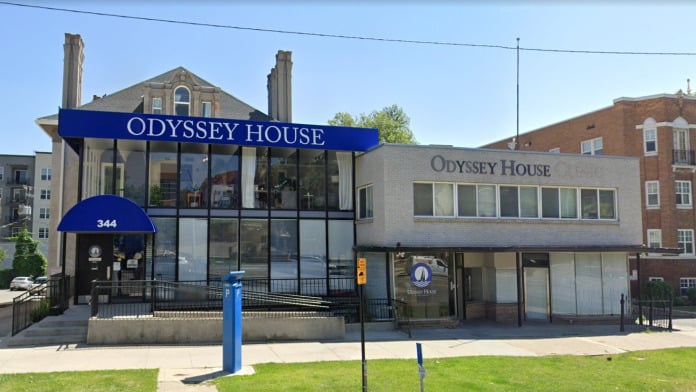
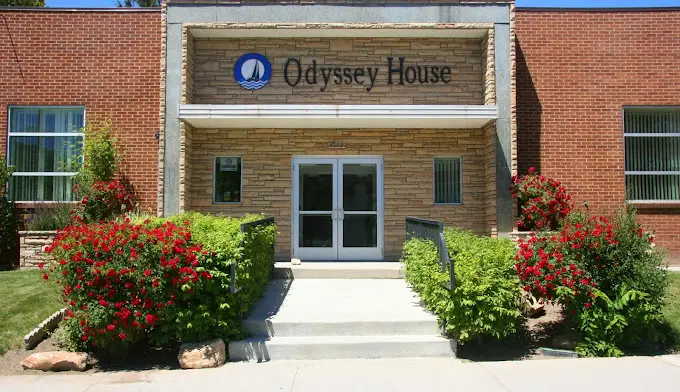
Accepted Insurance
Other Forms of Payment
Private insurance refers to any kind of healthcare coverage that isn't from the state or federal government. This includes individual and family plans offered by an employer or purchased from the Insurance Marketplace. Every plan will have different requirements and out of pocket costs so be sure to get the full details before you start treatment.
Self-pay involves paying for treatment out of your own pocket. You can use savings or credit, get a personal loan, or receive help from family and friends to fund your treatment. If you don't have insurance or your insurance plan doesn't cover a specific program, self-pay can help ensure you still get the care you need.
Financial aid can take many forms. Centers may have grants or scholarships available to clients who meet eligibility requirements. Programs that receive SAMHSA grants may have financial aid available for those who need treatment as well. Grants and scholarships can help you pai for treatment without having to repay.
Medicaid is a state based program that helps lower-income individuals and families pay for healthcare. Medicaid covers addiction treatment so those enrolled can use their coverage to pay for rehab. When a program accepts Medicaid the client often pays very little or nothing out of their own pocket.
Medicare is a federal program that provides health insurance for those 65 and older. It also serves people under 65 with chronic and disabling health challenges. To use Medicare for addiction treatment you need to find a program that accepts Medicare and is in network with your plan. Out of pocket costs and preauthorization requirements vary, so always check with your provider.
Military members, veterans, and eligible dependents have access to specific insurance programs that help them get the care they need. TRICARE and VA insurance can help you access low cost or no cost addiction and mental health treatment. Programs that accept military insurance often have targeted treatment focused on the unique challenges military members, veterans, and their families face.
Addiction Treatments
Levels of Care
Outpatient Programs (OP) are for those seeking mental rehab or drug rehab, but who also stay at home every night. The main difference between outpatient treatment (OP) and intensive outpatient treatment (IOP) lies in the amount of hours the patient spends at the facility. Most of the time an outpatient program is designed for someone who has completed an inpatient stay and is looking to continue their growth in recovery. Outpatient is not meant to be the starting point, it is commonly referred to as aftercare.
Intensive Outpatient Programs (IOP) are for those who want or need a very structured treatment program but who also wish to live at home and continue with certain responsibilities (such as work or school). IOP substance abuse treatment programs vary in duration and intensity, and certain outpatient rehab centers will offer individualized treatment programs.
Intervention services helps family or friends of addicts stage an intervention, which is a meeting in which loved ones share their concerns and attempt to get an addict into treatment. Professional intervention specialists can help loved ones organize, gather, and communicate with an addict. They can guide intervention participants in describing the damage the addict's behavior is causing and that outside help is necessary to address the addiction. The ideal outcome of an intervention is for the addict to go to rehab and get the help they need.
Sober Living Houses (SLHs), aka sober homes or halfway houses, are safe, substance-free, supportive living facilities for those recovering from substance abuse. Ideal for those who've just been through inpatient or outpatient treatment, SLHs are supervised environments with rules that support sobriety, such as curfews, shared chores, and therapeutic meetings. Residents are also often trained on life skills and coping skills to make it easier to transition into society. SLHs also provide a strong sense of community that can lead to the kind of deep and lasting connections with other sober individuals that supports a new, healthy lifestyle.
Completing a drug or alcohol rehab program shouldn't spell the end of substance abuse treatment. Aftercare involves making a sustainable plan for recovery, including ongoing support. This can include sober living arrangements like halfway houses, career counseling, and setting a patient up with community programs like Alcoholics Anonymous (AA) or Narcotics Anonymous (NA).
Treatments
Many of those suffering from addiction also suffer from mental or emotional illnesses like schizophrenia, bipolar disorder, depression, or anxiety disorders. Rehab and other substance abuse facilities treating those with a dual diagnosis or co-occurring disorder administer psychiatric treatment to address the person's mental health issue in addition to drug and alcohol rehabilitation.
Mental health rehabs focus on helping individuals recover from mental illnesses like bipolar disorder, clinical depression, anxiety disorders, schizophrenia, and more. Mental health professionals at these facilities are trained to understand and treat mental health issues, both in individual and group settings.
Programs
Adult rehab programs include therapies tailored to each client's specific needs, goals, and recovery progress. They are tailored to the specific challenges adult clients may face, including family and work pressures and commitments. From inpatient and residential treatment to various levels of outpatient services, there are many options available. Some facilities also help adults work through co-occurring conditions, like anxiety, that can accompany addiction.
Young adulthood can be an exciting, yet difficult, time of transition. Individuals in their late teens to mid-20s face unique stressors related to school, jobs, families, and social circles, which can lead to a rise in substance use. Rehab centers with dedicated young adult programs will include activities and amenities that cater to this age group, with an emphasis on specialized counseling, peer socialization, and ongoing aftercare.
Clinical Services
Cognitive Behavioral Therapy (CBT) is a therapy modality that focuses on the relationship between one's thoughts, feelings, and behaviors. It is used to establish and allow for healthy responses to thoughts and feelings (instead of unhealthy responses, like using drugs or alcohol). CBT has been proven effective for recovering addicts of all kinds, and is used to strengthen a patient's own self-awareness and ability to self-regulate. CBT allows individuals to monitor their own emotional state, become more adept at communicating with others, and manage stress without needing to engage in substance abuse.
Whether a marriage or other committed relationship, an intimate partnership is one of the most important aspects of a person's life. Drug and alcohol addiction affects both members of a couple in deep and meaningful ways, as does rehab and recovery. Couples therapy and other couples-focused treatment programs are significant parts of exploring triggers of addiction, as well as learning how to build healthy patterns to support ongoing sobriety.
Dialectical Behavior Therapy (DBT) is a modified form of Cognitive Behavioral Therapy (CBT), a treatment designed to help people understand and ultimately affect the relationship between their thoughts, feelings, and behaviors. DBT is often used for individuals who struggle with self-harm behaviors, such as self-mutilation (cutting) and suicidal thoughts, urges, or attempts. It has been proven clinically effective for those who struggle with out-of-control emotions and mental health illnesses like Borderline Personality Disorder.
EMDR is a therapeutic modality originally developed to help process trauma. In an EMDR session, a patient is prompted to undergo eye movements that mimic those of REM sleep. This is accomplished by watching a therapist's finger move back and forth across, or following a bar of light. The goal is repetitive sets of eye movements that help the brain reprocess memory, which can significantly reduce the intensity of remembered traumatic incidents. Associated memories can heal simultaneously, leaving patients significantly calmer, more stable, and more emotionally relaxed.
Research clearly demonstrates that recovery is far more successful and sustainable when loved ones like family members participate in rehab and substance abuse treatment. Genetic factors may be at play when it comes to drug and alcohol addiction, as well as mental health issues. Family dynamics often play a critical role in addiction triggers, and if properly educated, family members can be a strong source of support when it comes to rehabilitation.
Group therapy is any therapeutic work that happens in a group (not one-on-one). There are a number of different group therapy modalities, including support groups, experiential therapy, psycho-education, and more. Group therapy involves treatment as well as processing interaction between group members.
In individual therapy, a patient meets one-on-one with a trained psychologist or counselor. Therapy is a pivotal part of effective substance abuse treatment, as it often covers root causes of addiction, including challenges faced by the patient in their social, family, and work/school life.
Life skills trainings involve all the skills a person must have in order to function successfully in the world. These include time management, career guidance, money management, and effective communication. Truly successful addiction recovery is based on the ability to not only live substance-free, but to thrive. Life skills teaches the practical necessities of functioning in society, which sets clients up for success in life, and therefore sobriety.
Moral Reconation Therapy (MRT) is a modality based on strengthening moral reasoning, that can be used in substance abuse treatment. Originally created to help criminal offenders stop committing crimes, it is a structured approach that includes both group and individual counseling, as well as homework exercises. The MRT workbook is structured around 16 steps (units) focusing on 7 treatment issues, including building a healthy, positive identity; developing a higher frustration tolerance; and forming a strong moral belief structure. Participants meet 1-2 times weekly in groups, and can complete all steps of the MRT program in 3-6 months.
Motivational Interviewing (MI) is a clinical approach to helping people with substance abuse issues and other conditions shift behavior in positive ways. It is more goal-oriented than traditional psychotherapy, as MI counselors directly attempt to get clients to consider making behavioral change (rather than wait for them to come to conclusions themselves). Its primary purpose is to resolve ambivalence and help clients become able to make healthy choices freely.
Rational Behavior Therapy (RBT) is a form of cognitive behavioral therapy meant to be short-term and comprehensive. It was intended to help clients become more self-sufficent and move forward without the need for expensive, ongoing therapy. It includes an emotional self-help method called “rational self-counseling,” the purpose of which is to give clients all the skills needed to handle future emotional issues by themselves, or with significantly less professional help.
Trauma therapy addresses traumatic incidents from a client's past that are likely affecting their present-day experience. Trauma is often one of the primary triggers and potential causes of addiction, and can stem from child sexual abuse, domestic violence, having a parent with a mental illness, losing one or both parents at a young age, teenage or adult sexual assault, or any number of other factors. The purpose of trauma therapy is to allow a patient to process trauma and move through and past it, with the help of trained and compassionate mental health professionals.
Amenities
-
 Residential Setting
Staff & Accreditations
Staff
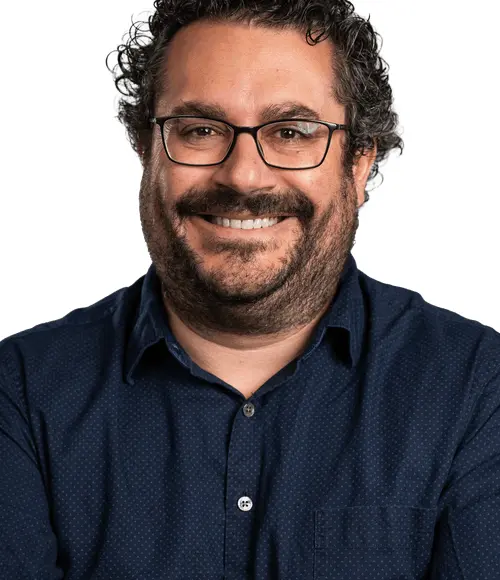
Adam Cohen, MBA
President & CEO
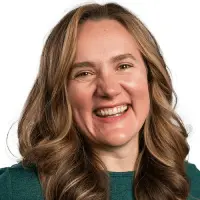
Kali Mower, BS
VP of Operations & Chief Strategy Officer

Brian Pilcher, MBA, ACC
VP of Finance & CFO
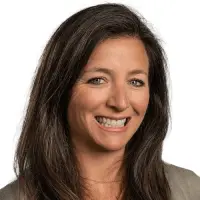
Emily Tillett, MOD
VP of Administration & Chief People Officer
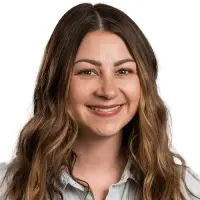
Kate Coy, LCSW
Outpatient Chief Program Officer
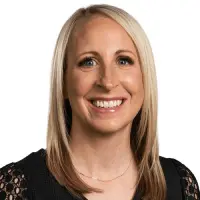
Megan Gailey, LCSW
Chief Program Officer
Accreditations

The Joint Commission, formerly known as JCAHO, is a nonprofit organization that accredits rehab organizations and programs. Founded in 1951, the Joint Commision's mission is to improve the quality of patient care and demonstrating the quality of patient care.
Joint Commission Accreditation: Yes
Accreditation Number: 499156
Rehab.com regularly reviews this listing for accuracy but changes may occur between updates. For the most up-to-date information, please contact Odyssey House of Utah.
Contact Information

344 East 100 South
Salt Lake City, UT 84111
Get Help Now - 385-390-3465
Sponsored Helpline
Sponsored Helpline


