




























































































About Recovery Unplugged Drug & Alcohol Rehab Virginia
Recovery Unplugged offers a full suite of outpatient substance use recovery for adults and adolescents in the DC Metro area of Annandale, Virginia. They offer general outpatient and top-rated intensive outpatient care (IOP) alongside partial hospitalization programs (PHP). Each of these levels of care may incorporate medication-assisted treatment (MAT) for opioid recovery. Patients may also receive MAT as a standalone program.
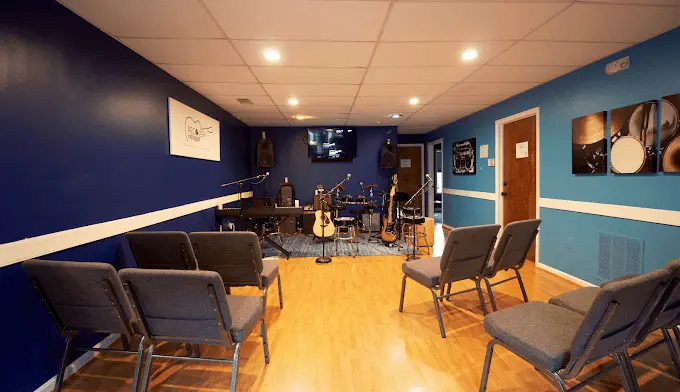
The most outstanding feature of Recovery Unplugged is their music-assisted treatment. This involves using beautiful music to help patients build trust, process trauma and enhance emotional expression while reducing stress.
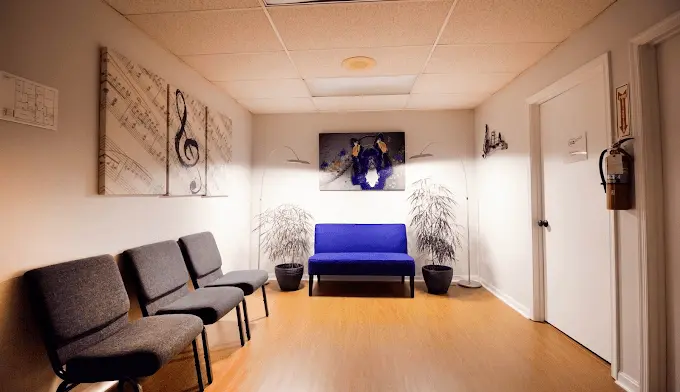
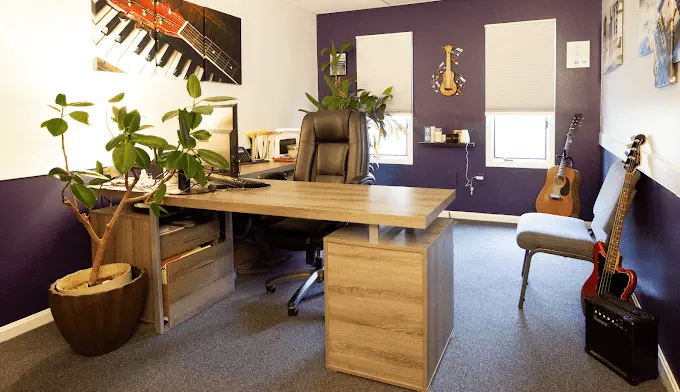
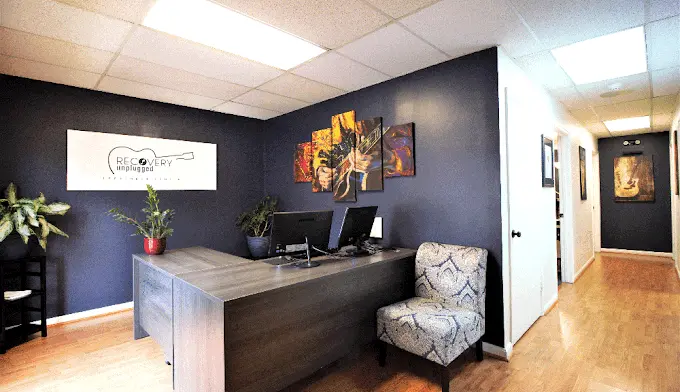
The facility boasts a safe, supportive and comfortable space with all the amenities necessary to help you build a strong foundation for recovery. They even offer virtual outpatient care that’s as effective as the onsite treatment. This lets you receive care at your convenience and saves time. The virtual program includes day, evening and afternoon sessions with 24/7 staff support.
Medication-Supported Recovery for Opioid and Alcohol Addiction
MAT pairs behavioral health therapy with FDA-approved medicine to ensure lasting healing. They use meds like methadone as well as Suboxone, naltrexone and Vivitrol at Recovery Unplugged to help you manage withdrawal symptoms and lower your cravings. You’ll then attend therapy to take care of the underlying psychological symptoms and build strong coping mechanisms to prevent relapse. This fosters lasting abstinence.
Support at All Stages of Recovery
Recovery Unplugged’s full spectrum of care aims to support patients regardless of where they are in their recovery journey. Both PHP and IOP are highly structured programs for patients seeking relatively intense therapeutic support for moderate to severe substance use but without residential rehab. You may stay in offsite transitional housing or continue living at home during these programs.
Regardless of the level of care, your treatment will involve therapy groups and individual psychotherapy to build coping strategies and prevent relapse. The client attends music therapy sessions involving musical performance in the fully equipped musical space. They may incorporate supplemental therapies like mindfulness and meditation, exercises and yoga.
The broader services include medication management and monitoring as part of psychiatric care to support patients with co-occurring mental health disorders. You’ll be able to continue following up with your care provider if you already started medication-assisted treatment. Recovery Unplugged offers ongoing support post-recovery.
Recovery in Vibrant Annandale
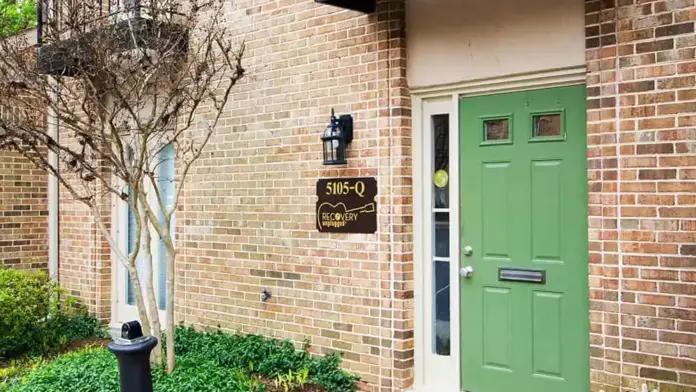
Recovery Unplugged Drug and Alcohol Rehab DC Metro is situated on Backlick Rd in the vibrant suburban community of Annandale within Fairfax County. The location is just half a mile south of Little River Turnpike, and it’s also close to the Capital Beltway. This seamless connection to major highways makes direct access to the clinic easy for patients from nearby Springfield, Falls Church and Alexandria. Recovery Unplugged can even help you arrange transportation and logistics for treatment.
There are several sober activities you can engage in during your recovery journey in the DC metro area. You can tour the historic Monticello, visit the Great Fall Park or tour the iconic George Washington’s Mount Vernon among others.
Latest Reviews


We love hearing that the music and the people at Recovery Unplugged have continued to be part of your journey. Knowing that what you experienced here still means something to you years later is the kind of thing that means a lot to our team.
Congrats on your Master of Divinity and on the life you’ve built in Tucson. We’re really grateful we got to be a small part of your story. Keep going, and thank you for showing others what’s possible!


Rehab Score
 Our Methodology


Gallery
Accepted Insurance

Other Forms of Payment
Private insurance refers to any kind of healthcare coverage that isn't from the state or federal government. This includes individual and family plans offered by an employer or purchased from the Insurance Marketplace. Every plan will have different requirements and out of pocket costs so be sure to get the full details before you start treatment.
Self-pay involves paying for treatment out of your own pocket. You can use savings or credit, get a personal loan, or receive help from family and friends to fund your treatment. If you don't have insurance or your insurance plan doesn't cover a specific program, self-pay can help ensure you still get the care you need.
Medicare is a federal program that provides health insurance for those 65 and older. It also serves people under 65 with chronic and disabling health challenges. To use Medicare for addiction treatment you need to find a program that accepts Medicare and is in network with your plan. Out of pocket costs and preauthorization requirements vary, so always check with your provider.
Medicaid is a state based program that helps lower-income individuals and families pay for healthcare. Medicaid covers addiction treatment so those enrolled can use their coverage to pay for rehab. When a program accepts Medicaid the client often pays very little or nothing out of their own pocket.
Addiction Treatments
Levels of Care
Outpatient Programs (OP) are for those seeking mental rehab or drug rehab, but who also stay at home every night. The main difference between outpatient treatment (OP) and intensive outpatient treatment (IOP) lies in the amount of hours the patient spends at the facility. Most of the time an outpatient program is designed for someone who has completed an inpatient stay and is looking to continue their growth in recovery. Outpatient is not meant to be the starting point, it is commonly referred to as aftercare.
Clients who are in early recovery, leaving detox, or experiencing a crisis often require the intensive treatment of an inpatient rehab facility. Clients in inpatient care receive robust clinical supervision, housing, and meals, allowing them to focus exclusively on their recovery while they stabilize. The primary treatment modalities used in most inpatient centers include extensive addiction counseling and recovery-focused life skills training. Many drug rehabs also offer holistic therapies, such as music, art, fitness, and experiential therapies.
Clients in an intensive outpatient rehab (IOP) benefit from robust support but often do not require the high-level supervision and round-the-clock clinical care provided in an inpatient setting. Clients engage in multiple therapeutic sessions weekly, with most programs requiring between nine and 20 treatment hours per week. Intensive outpatient rehabs provide a wide array of evidence-based services, including addiction counseling, recovery-focused life skills training, holistic therapies, and medication assisted treatment (MAT).
Once involved in a 12 step recovery program, clients can commit to a model of life-long recovery rooted in spiritual growth and intensive peer support. 12 step meetings are anonymous, peer-led, free, and accessible day and night, year-round, in most communities. Self-selected sponsors provide one-on-one coaching as participants work through the steps of recovery. These steps are based on spiritual principles used to address the origins of the addiction and to encourage self-compassion, forgiveness, acceptance, and accountability.
A drug intervention in Virginia requires careful planning and execution. Due to complex family dynamics, intervention services are often necessary to help families successfully navigate the process. An intervention specialist can help family members plan what they will say and then facilitate the conversation. This expert also educates everyone involved about addiction, enabling behaviors, and treatment options.
A partial hospitalization program (PHP) offers a structured environment for intensive treatment of behavioral and substance use disorders. PHP treatment can consist of sessions ranging from 6-8 hours per day for an average of 90 days. You can often expect to engage in behavioral therapies, such as cognitive-behavioral therapy (CBT) and dialectical behavior therapy (DBT), and receive medication. PHP treatment is often covered either fully or partially by insurance providers.
Known as the first step of the addiction recovery process, medical detox is the removal of addictive drugs and alcohol from your body and helping manage physical withdrawal. Medically assisted detox takes place in an inpatient setting where you will be closely monitored by a team of medical professionals to ensure your maximum health and safety. Medications like Suboxone or Vivitrol may be administered if needed to alleviate any potential withdrawal symptoms. This process is typically at least partially covered by most insurance plans.
Treatments
Substance rehabs focus on helping individuals recover from substance abuse, including alcohol and drug addiction (both illegal and prescription drugs). They often include the opportunity to engage in both individual as well as group therapy.
Alcohol use disorder, which is often used interchangeably with the term alcoholism, is a chronic, relapsing condition. While it is characterized by harmful patterns of alcohol use and physical dependence on the substance, the condition can be managed and treated. Effective alcohol rehab in Virginia is available in a variety of formats, including inpatient, outpatient, medication-assisted therapy, and mutual-support groups.
When you enroll in drug rehab in Virginia, a treatment plan is designed by professional staff in order to help you overcome drug addiction and modify addictive behaviors. This may include evidence-based treatments, group and individual therapy, and relapse prevention.
In Virginia, dual-diagnosis addiction treatment programs focus on providing integrated care for individuals with co-occurring substance use disorders and mental health conditions. Specialized programs offer medically monitored detox, outpatient, inpatient, and partial hospitalization. Therapies such as cognitive-behavioral therapy (CBT), dialectical behavior therapy (DBT), trauma-informed therapy, and family therapy help to address both disorders simultaneously while promoting mental health and well-being.
Programs
Adult rehab programs include therapies tailored to each client's specific needs, goals, and recovery progress. They are tailored to the specific challenges adult clients may face, including family and work pressures and commitments. From inpatient and residential treatment to various levels of outpatient services, there are many options available. Some facilities also help adults work through co-occurring conditions, like anxiety, that can accompany addiction.
Young adulthood can be an exciting, yet difficult, time of transition. Individuals in their late teens to mid-20s face unique stressors related to school, jobs, families, and social circles, which can lead to a rise in substance use. Rehab centers with dedicated young adult programs will include activities and amenities that cater to this age group, with an emphasis on specialized counseling, peer socialization, and ongoing aftercare.
Recovery is most successful when clients feel accepted and validated by their peers and treatment providers. Facilities that offer LGBTQ-inclusive programming are committed to creating a safe space where everyone can grow and recover without fear of judgment or discrimination. They will have dedicated policies in place to create a safe and supportive environment that fosters free expression.
Teen programs are designed to address the unique pressures teens face, pressures that can drive them to experiment with dangerous, addictive substances. They need programs that meet them exactly where they are and give them tools for long-term recovery. Therapy can help teenagers understand and work through underlying issues so they can reclaim the life ahead of them.
Clinical Services
Cognitive behavioral therapy in Virginia is a short term form of talk therapy. Participants usually have homework between sessions, which may include journaling, self talk, and setting SMART goals. The aim is to transform negative thought patterns into positive ones.
Group therapy is any therapeutic work that happens in a group (not one-on-one). There are a number of different group therapy modalities, including support groups, experiential therapy, psycho-education, and more. Group therapy involves treatment as well as processing interaction between group members.
In individual therapy, a patient meets one-on-one with a trained psychologist or counselor. Therapy is a pivotal part of effective substance abuse treatment, as it often covers root causes of addiction, including challenges faced by the patient in their social, family, and work/school life.
Motivational interviewing in Virginia allows clients to examine their lives and consider their options. It is particularly useful if the client lacks confidence in their ability to change or is feeling uncertain about their desire to change.
Trauma therapy helps you understand and manage the emotional and physical responses that often follow witnessing or experiencing traumatic events. Using therapeutic interventions, your therapist works with you to reframe that experience, which in turn reduces your anxiety and helps you regain control over your life.
If you and your partner are facing challenges, couples therapy in Virginia is designed to help you work through those in a healthy way. Common challenges that couples therapy addresses include conflict resolution, financial disagreements, intimacy challenges, health issues, and substance abuse.
Family therapists work with all members of the family to understand the roles they play in the addiction dynamic. Addressing these patterns is crucial to developing healthier ways to interact and support each other, as well as contributing to a more effective recovery for their loved ones.
If you've experienced addiction, you may have lost the skills to self manage and adapt to change. Because these basic life skills are crucial for recovery, drug rehab programs typically include life skills training as an integral part of treatment.
Recreational therapy is often a part of a holistic treatment center program for drug and alcohol addiction in Virginia. It offers structured activities that replace substance use with positive experiences like swimming, painting, and hiking. These encourage social interactions, promote physical and mental health, and help reduce stress, all of which are factors that are important to help you rebuild your life.
Creativity is inherently healing, and can help those in recovery express thoughts or feelings they might not otherwise be able to. Creative arts therapy can include music, poetry/writing, painting, sculpting, dance, theater, sandplay, and more. Unlike traditional art, the final product matters far less than the experience of creation and expression itself.
For those experiencing mental health challenges, including substance use disorder, dialectical behavior therapy in Virginia offers an evidence based method of treatment. This therapy teaches skills for emotional regulation and interpersonal relations so you can break free from negative patterns.
Amenities
-
 Yoga Studio
 -
 Residential Setting
 -
 Private Rooms
 -
 Gardens
 -
 Walking Trails
 -
 Music Room
Staff & Accreditations
Staff
Anna Griest
Clinical Director
Amanda Johnson
Executive Director
Ana Dominguez
Executive Director
Ashley Armstrong
National Director of Alumni
Accreditations

LegitScript has reviewed Recovery Unplugged Drug & Alcohol Rehab Virginia as part of their certification program, and has determined that it meets the LegitScript standards for legality, safety and transparency.
LegitScript verified in August 2021

The Joint Commission, formerly known as JCAHO, is a nonprofit organization that accredits rehab organizations and programs. Founded in 1951, the Joint Commision's mission is to improve the quality of patient care and demonstrating the quality of patient care.
Joint Commission Accreditation: Yes

The Substance Abuse and Mental Health Services Administration (SAMHSA) is a branch of the U.S. Department of Health and Human Services. Established in 1992 by congress, SAMHSA's mission is to reduce the impact of substance abuse and mental illness on American's communities.
SAMHSA Listed: Yes
Rehab.com regularly reviews this listing for accuracy but changes may occur between updates. For the most up-to-date information, please contact Recovery Unplugged Drug & Alcohol Rehab Virginia.
Contact Information


5105Q Backlick Rd
Annandale, VA 22003
Sponsored Helpline



