




























































































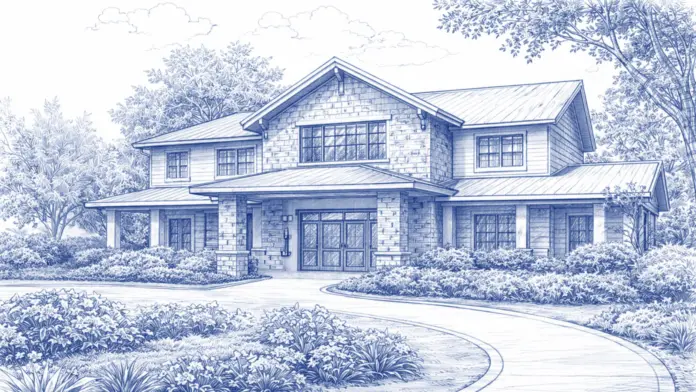
About High Focus Centers Philadelphia (Northeast) Outpatient Treatment Center
Located in Philadelphia, Pennsylvania, High Focus Treatment Centers, formerly known as Rehab After Work, has a Northeast outpatient facility that provides behavioral health services. They treat substance use disorders, co-occurring disorders, and mental health disorders. Some of the programs available at this facility include DUI programs and an intensive outpatient program.
Combining Evidenced Based and Holistic Therapies
You’ll participate in traditional treatment approaches such as group counseling. Counselors will use evidence based therapies like dialectical behavioral therapy and cognitive behavioral therapy.
These treatments can help change negative beliefs limiting your recovery and teach you coping skills to avoid relapsing. Holistic therapies that are offered at this location are art therapy and yoga. Both therapies can help with reducing your stress and show you an alternative way to manage stressors in life without using substances.
Specialized Care for Veterans
High Focus Treatment Centers is a veteran ready organization, which means that their staff is trained to treat issues that affect veterans with substance use disorder. The team can help heal clients of post-traumatic disorder (PTSD) and other common mental health conditions that cause addiction. You’ll participate in mixed population therapy groups, which will help with recovery and readjusting to civilian life.
Located on Roosevelt Boulevard, the facility is not far from local attractions such as Otherworld and Pennypack Park. Otherworld features mixed reality playgrounds and large scale interactive art that can be entertaining for you and your family.
Latest Reviews



Rehab Score
 Our Methodology


Location
Accepted Insurance


Other Forms of Payment
Private insurance refers to any kind of healthcare coverage that isn't from the state or federal government. This includes individual and family plans offered by an employer or purchased from the Insurance Marketplace. Every plan will have different requirements and out of pocket costs so be sure to get the full details before you start treatment.
Self-pay involves paying for treatment out of your own pocket. You can use savings or credit, get a personal loan, or receive help from family and friends to fund your treatment. If you don't have insurance or your insurance plan doesn't cover a specific program, self-pay can help ensure you still get the care you need.
Addiction Treatments
Levels of Care
Outpatient programs are for those seeking mental rehab or drug rehab, but who also stay at home every night. The main difference between outpatient treatment (OP) and intensive outpatient treatment (IOP) lies in the amount of hours the patient spends at the facility. Most of the time an outpatient program is designed for someone who has completed an inpatient stay and is looking to continue their growth in recovery. Outpatient is not meant to be the starting point, it is commonly referred to as aftercare. Rehab After Work & Rehab After School offers various outpatient therapy skills support and therapy groups designed for those that have abused drugs and/or alcohol in the past but are no longer using them.
These programs are designed for individuals that have been using drugs or alcohol and need frequent sessions to maintain abstinence. Some clients attend this outpatient addiction treatment program to gain control over their substance use problems before further inpatient treatment is required. Other clients attend this program as a step-down outpatient therapy option following an inpatient stay. During the client’s initial appointment or evaluation, they can help to determine which type of program is most appropriate and if an inpatient option is necessary, they can make recommendations at that time.
With a partial hospitalization program (PHP), you can participate in intensive rehabilitation treatment with the ability to return home at the end of the day. For a weekly minimum of 20 hours, a partial hospitalization program can take place up to 5 days a week for an average of 90 days. During PHP treatment, you can receive relapse prevention strategies, medication management, individual and group therapy, and other behavioral therapy interventions.
Treatments
The goal of treatment for alcoholism is abstinence. Those with poor social support, poor motivation, or psychiatric disorders tend to relapse within a few years of treatment. For these people, success is measured by longer periods of abstinence, reduced use of alcohol, better health, and improved social functioning. Recovery and Maintenance are usually based on 12 step programs and AA meetings.
Drug rehab in Pennsylvania is devoted to the treatment of addiction. Levels of care, treatment methods, and settings differ, but the aim of each program is to end drug dependency and empower participants to achieve long-term recovery.
Opioid rehabs specialize in supporting those recovering from opioid addiction. They treat those suffering from addiction to illegal opioids like heroin, as well as prescription drugs like oxycodone. These centers typically combine both physical as well as mental and emotional support to help stop addiction. Physical support often includes medical detox and subsequent medical support (including medication), and mental support includes in-depth therapy to address the underlying causes of addiction.
Substance rehabs focus on helping individuals recover from substance abuse, including alcohol and drug addiction (both illegal and prescription drugs). They often include the opportunity to engage in both individual as well as group therapy.
Programs
Adult rehab programs include therapies tailored to each client's specific needs, goals, and recovery progress. They are tailored to the specific challenges adult clients may face, including family and work pressures and commitments. From inpatient and residential treatment to various levels of outpatient services, there are many options available. Some facilities also help adults work through co-occurring conditions, like anxiety, that can accompany addiction.
Young adulthood can be an exciting, yet difficult, time of transition. Individuals in their late teens to mid-20s face unique stressors related to school, jobs, families, and social circles, which can lead to a rise in substance use. Rehab centers with dedicated young adult programs will include activities and amenities that cater to this age group, with an emphasis on specialized counseling, peer socialization, and ongoing aftercare.
Recovery is most successful when clients feel accepted and validated by their peers and treatment providers. Facilities that offer LGBTQ-inclusive programming are committed to creating a safe space where everyone can grow and recover without fear of judgment or discrimination. They will have dedicated policies in place to create a safe and supportive environment that fosters free expression.
Clinical Services
Artistic talent is not required to participate in creative arts therapy. This form of rehab treatment in Pennsylvania simply allows you to try different art media and use the one that works best for you to express yourself. The goal is not to produce quality art but to use the creative process as an outlet for recovery.
Amenities
-
 Private Setting
Staff & Accreditations
Staff
Hannah Marley, MS
VP of Operations
Beth Cusack, MA, LPC
Regional Director
Jill Adams, SFW
Director of Development and Special Projects
Kathryn Anthony, LPC, CADC
Executive Director of Pottstown
Accreditations

The Commission on Accreditation of Rehabilitation Facilities (CARF) is a non-profit organization that specifically accredits rehab organizations. Founded in 1966, CARF's, mission is to help service providers like rehab facilities maintain high standards of care.
CARF Accreditation: Yes
Rehab.com regularly reviews this listing for accuracy but changes may occur between updates. For the most up-to-date information, please contact High Focus Centers Philadelphia (Northeast) Outpatient Treatment Center.
Contact Information


9815 Roosevelt Blvd
Suite B
Philadelphia PA, 19114
Sponsored Helpline


