




























































































About Valley Recovery at Agua Dulce
Valley Recovery Center at Agua Dulce offers services to men who are suffering from substance abuse. They’re located in Acton, California. They offer medically supervised detox, residential inpatient treatment and even dual diagnosis care. The good thing about their detox service is that you’ll be monitored 24 hours a day to make sure that you’re comfortable throughout the entire process. If you have any withdrawal symptoms, they’ll be alerted immediately and be able to help you.
Residential Treatment for Men
When it comes to residential treatment, they give you a structured daily schedule with things like therapy, wellness practices, and skill-building activities to elevate you to your best self while you navigate the new waters of sobriety. Their dual diagnosis program helps with issues like depression, anxiety, PTSD and bipolar disorder. They offer psychiatric evaluations that can assess the issue contributing to your addiction, as well as medication management so that your psychiatric medications are supervised if needed.
Some therapies they offer include cognitive behavioral therapy and dialectical behavior therapy. They also have EMDR, experiential therapy and holistic healing such as meditation and mindfulness techniques. They also offer family therapy, life skills training and relapse prevention. I thought it was nice that they also offer art and music therapy, equine therapy and fitness or outdoor activities like hiking, yoga and other fitness programs.
Facility Overview
 $440
$440 Latest Reviews

We're honored to hear that your time with us had such a meaningful impact on your life. Our counselors, facilitators, and clinical team work hard to create a supportive environment where individuals can heal, grow, and build a strong foundation for recovery, so your feedback means a great deal to all of us.
Thank you for trusting us to be part of your journey. We wish you continued success, health, and happiness as you move forward in recovery. We're cheering you on every step of the way.
With gratitude,
The Valley Recovery Center Team

Thank you for sharing your experience and for trusting Valley Recovery Center to be part of your recovery journey. We are honored to have walked alongside you during those first important steps toward sobriety.
Creating a safe, welcoming, and supportive environment is something our entire team is deeply committed to, and it means so much to hear that you felt at home from day one. Your kind words about our staff and program are truly appreciated.
Most importantly, we are grateful to hear about the progress you've made and the hope you've found along the way. Recovery is a lifelong journey, and we're proud to have been a part of your foundation. Thank you for recommending VRC to others who may be struggling with addiction and looking for a path forward.
We wish you continued strength, growth, and success in your recovery, and we appreciate your prayers and blessings for our team.
With gratitude,
The Valley Recovery Center Family

Our team is deeply committed to providing supportive, high-quality care, and it means a lot to hear that the staff and facilitators made a positive impact during your time with us. Your recommendation is incredibly meaningful.
We wish you continued strength and success on your journey.

Rehab Score
 Our Methodology


Gallery

Accepted Insurance

Other Forms of Payment
Military members, veterans, and eligible dependents have access to specific insurance programs that help them get the care they need. TRICARE and VA insurance can help you access low cost or no cost addiction and mental health treatment. Programs that accept military insurance often have targeted treatment focused on the unique challenges military members, veterans, and their families face.
Addiction Treatments
Levels of Care
Residential treatment programs are those that offer housing and meals in addition to substance abuse treatment. Rehab facilities that offer residential treatment allow patients to focus solely on recovery, in an environment totally separate from their lives. Some rehab centers specialize in short-term residential treatment (a few days to a week or two), while others solely provide treatment on a long-term basis (several weeks to months). Some offer both, and tailor treatment to the patient's individual requirements.
Drug and alcohol addiction often takes a heavy toll on one's body. Over time, a physical dependence can develop, meaning the body physiologically needs the substance to function. Detox is the process of removing drugs and/or alcohol from the body, a process that can be lethal if mismanaged. Medical detox is done by licensed medical professionals who monitor vital signs and keep you safe, healthy, and as comfortable as possible as you go through detox and withdrawal. The length of stay at the detoxification program is determined according to the specific needs of the patient.
Treatments
The goal of treatment for alcoholism is abstinence. Those with poor social support, poor motivation, or psychiatric disorders tend to relapse within a few years of treatment. For these people, success is measured by longer periods of abstinence, reduced use of alcohol, better health, and improved social functioning. Recovery and Maintenance are usually based on 12 step programs and AA meetings.
Drug rehab in California teaches participants constructive ways to stay clean and sober. Treatment revolves around helping individuals stop using the substance they are addicted to and learn healthy habits to avoid relapse.
A combined mental health and substance abuse rehab has the staff and resources available to handle individuals with both mental health and substance abuse issues. It can be challenging to determine where a specific symptom stems from (a mental health issue or an issue related to substance abuse), so mental health and substance abuse professionals are helpful in detangling symptoms and keeping treatment on track.
Opioid rehabs specialize in supporting those recovering from opioid addiction. They treat those suffering from addiction to illegal opioids like heroin, as well as prescription drugs like oxycodone. These centers typically combine both physical as well as mental and emotional support to help stop addiction. Physical support often includes medical detox and subsequent medical support (including medication), and mental support includes in-depth therapy to address the underlying causes of addiction.
Programs
Adult rehab programs include therapies tailored to each client's specific needs, goals, and recovery progress. They are tailored to the specific challenges adult clients may face, including family and work pressures and commitments. From inpatient and residential treatment to various levels of outpatient services, there are many options available. Some facilities also help adults work through co-occurring conditions, like anxiety, that can accompany addiction.
Clinical Services
Research clearly demonstrates that recovery is far more successful and sustainable when loved ones like family members participate in rehab and substance abuse treatment. Genetic factors may be at play when it comes to drug and alcohol addiction, as well as mental health issues. Family dynamics often play a critical role in addiction triggers, and if properly educated, family members can be a strong source of support when it comes to rehabilitation.
In individual therapy, a patient meets one-on-one with a trained psychologist or counselor. Therapy is a pivotal part of effective substance abuse treatment, as it often covers root causes of addiction, including challenges faced by the patient in their social, family, and work/school life.
Amenities
-
 Mountain Views
 -
 Private Rooms
 -
 Gym
Gym
Staff & Accreditations
Staff
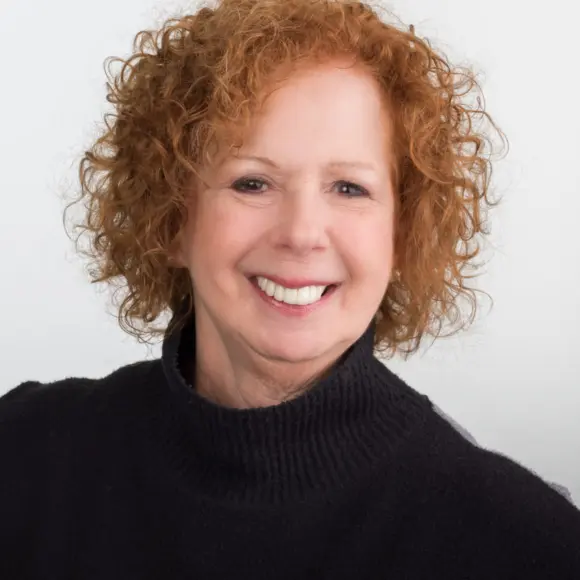
Mary Perelmutter
Clinical Director
Rick Macrorey, C.A.D.A.C-C.A.S.
Chemical Dependent Counselor

Marlee Simon, MC-BC
Music Therapist

Jennifer Poynter
Yoga Instructor
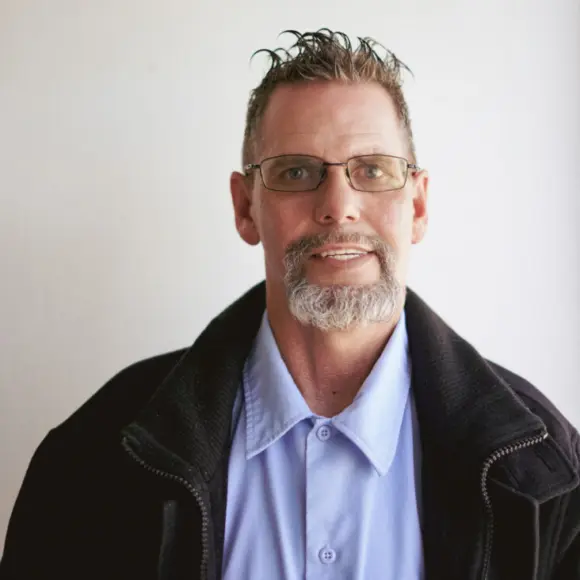
Jason Harper
Program Director

Emily Skelton, EMDR
Therapist

Siri Khalsa, PhD
Medical Director

Kim Parkinson
Nurse
Accreditations

The Joint Commission, formerly known as JCAHO, is a nonprofit organization that accredits rehab organizations and programs. Founded in 1951, the Joint Commision's mission is to improve the quality of patient care and demonstrating the quality of patient care.
Joint Commission Accreditation: Yes
Rehab.com regularly reviews this listing for accuracy but changes may occur between updates. For the most up-to-date information, please contact Valley Recovery at Agua Dulce.
Contact Information


32237 Agua Dulce Canyon Rd
Acton, CA 91390
Sponsored Helpline


