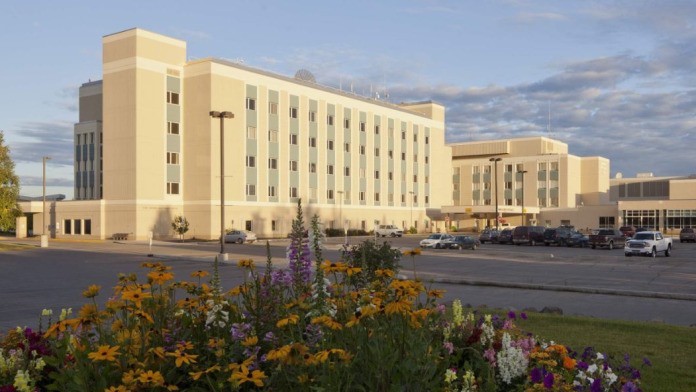
AK Child and Family – Jesse Lee Campus focuses on individual, family, and community oriented solutions to mental health and behavioral health care. Their programs include residential and outpatient treatment.
Residential Treatment
The residential program is a psychiatric treatment program for youth struggling with mental health disorders. Clients engage in an assessment, continuing education, skills-building classes, mental health treatment, and individual and group therapy.
Outpatient Treatment
The outpatient program is suitable for individuals who do not need a high level of supervision. This program includes community-based treatment programs, home-based treatment programs, emergency and crisis Intervention services, and traditional mental health counseling.
Private Insurance
AK Child and Family – Jesse Lee Campus is a non-profit. They invite individuals interested in their treatment services to reach out to discuss insurance benefits or payment options. If an individual is interested in using out of network insurance, it’s important to verify coverage because out of network benefits may vary.
I was in the ICU unit back in the early 80s and all the staff in some way helped me become a great man and an even better father . Remember even when it sucks… and I truly know it will, they did not put you in there . Stay strong and work the programs. Stay strong kids
Scoring is assigned by a proprietary system which helps surface key metrics that determine quality. The 10-point scale factors in categories such as operations, customer satisfaction, and trust metrics. Read Full Methodology
6.3 / 10
Gallery
Other Forms of Payment
Medicaid is a state based program that helps lower-income individuals and families pay for healthcare. Medicaid covers addiction treatment so those enrolled can use their coverage to pay for rehab. When a program accepts Medicaid the client often pays very little or nothing out of their own pocket.
Private insurance refers to any kind of healthcare coverage that isn't from the state or federal government. This includes individual and family plans offered by an employer or purchased from the Insurance Marketplace. Every plan will have different requirements and out of pocket costs so be sure to get the full details before you start treatment.
Self-pay involves paying for treatment out of your own pocket. You can use savings or credit, get a personal loan, or receive help from family and friends to fund your treatment. If you don't have insurance or your insurance plan doesn't cover a specific program, self-pay can help ensure you still get the care you need.
Financial aid can take many forms. Centers may have grants or scholarships available to clients who meet eligibility requirements. Programs that receive SAMHSA grants may have financial aid available for those who need treatment as well. Grants and scholarships can help you pai for treatment without having to repay.
Military members, veterans, and eligible dependents have access to specific insurance programs that help them get the care they need. TRICARE and VA insurance can help you access low cost or no cost addiction and mental health treatment. Programs that accept military insurance often have targeted treatment focused on the unique challenges military members, veterans, and their families face.
Sliding scale payments are based on a client's income and family size. The goal is to make treatment affordable to everyone. By taking these factors into account, addiction recovery care providers help ensure that your treatment does not become a financial burden to you or your family, eliminating one barrier to care.
Addiction Treatments
Levels of Care
The treatment program includes, but is not limited to, the following: individual, group and family therapy on a weekly basis by a Master’s-educated clinical therapist; nursing services by registered nurses with oversight of a medical director; milieu therapy which includes structure activities; individualized treatment work for youth; recreation therapy; voluntary spiritual life activities; and educational support.
Intervention services helps family or friends of addicts stage an intervention, which is a meeting in which loved ones share their concerns and attempt to get an addict into treatment. Professional intervention specialists can help loved ones organize, gather, and communicate with an addict. They can guide intervention participants in describing the damage the addict's behavior is causing and that outside help is necessary to address the addiction. The ideal outcome of an intervention is for the addict to go to rehab and get the help they need.
The youth, parent/guardian, community therapist/clinical therapist/coaching parent/life-skills specialist/placing worker/treatment parent/case manager, as appropriate, will be involved in discharge planning. This plan begins with the development of the treatment plan and continues throughout treatment. When indicated, the above mentioned treatment team will participate in the development of a written discharge plan. Discharge planning is an ongoing and collaborative
process, and specific designation of responsibility for services after discharge from the facility will be documented throughout the discharge planning process.
Treatments
Many of those suffering from addiction also suffer from mental or emotional illnesses like schizophrenia, bipolar disorder, depression, or anxiety disorders. Rehab and other substance abuse facilities treating those with a dual diagnosis or co-occurring disorder administer psychiatric treatment to address the person's mental health issue in addition to drug and alcohol rehabilitation.
Mental health rehabs focus on helping individuals recover from mental illnesses like bipolar disorder, clinical depression, anxiety disorders, schizophrenia, and more. Mental health professionals at these facilities are trained to understand and treat mental health issues, both in individual and group settings.
Programs
Young adulthood can be an exciting, yet difficult, time of transition. Individuals in their late teens to mid-20s face unique stressors related to school, jobs, families, and social circles, which can lead to a rise in substance use. Rehab centers with dedicated young adult programs will include activities and amenities that cater to this age group, with an emphasis on specialized counseling, peer socialization, and ongoing aftercare.
Clinical Services
Cognitive Behavioral Therapy (CBT) is a therapy modality that focuses on the relationship between one's thoughts, feelings, and behaviors. It is used to establish and allow for healthy responses to thoughts and feelings (instead of unhealthy responses, like using drugs or alcohol). CBT has been proven effective for recovering addicts of all kinds, and is used to strengthen a patient's own self-awareness and ability to self-regulate. CBT allows individuals to monitor their own emotional state, become more adept at communicating with others, and manage stress without needing to engage in substance abuse.
Dialectical Behavior Therapy (DBT) is a modified form of Cognitive Behavioral Therapy (CBT), a treatment designed to help people understand and ultimately affect the relationship between their thoughts, feelings, and behaviors. DBT is often used for individuals who struggle with self-harm behaviors, such as self-mutilation (cutting) and suicidal thoughts, urges, or attempts. It has been proven clinically effective for those who struggle with out-of-control emotions and mental health illnesses like Borderline Personality Disorder.
Experiential therapy is a form of therapy in which clients are encouraged to surface and work through subconscious issues by engaging in real-time experiences. Experiential therapy departs from traditional talk therapy by involving the body, and having clients engage in activities, movements, and physical and emotional expression. This can involve role-play or using props (which can include other people). Experiential therapy can help people process trauma, memories, and emotion quickly, deeply, and in a lasting fashion, leading to substantial and impactful healing.
Research clearly demonstrates that recovery is far more successful and sustainable when loved ones like family members participate in rehab and substance abuse treatment. Genetic factors may be at play when it comes to drug and alcohol addiction, as well as mental health issues. Family dynamics often play a critical role in addiction triggers, and if properly educated, family members can be a strong source of support when it comes to rehabilitation.
Group therapy is any therapeutic work that happens in a group (not one-on-one). There are a number of different group therapy modalities, including support groups, experiential therapy, psycho-education, and more. Group therapy involves treatment as well as processing interaction between group members.
In individual therapy, a patient meets one-on-one with a trained psychologist or counselor. Therapy is a pivotal part of effective substance abuse treatment, as it often covers root causes of addiction, including challenges faced by the patient in their social, family, and work/school life.
Activity therapy is available both individually and in a group setting. Individual activity therapy pairs a child with an adult Activity Therapist (AT) to work on social skills, communication, goal setting, independent living, anger management and other treatment issues. Group Activity Therapy follows a curriculum that introduces youth to a variety of topics and issues that may include self-expression, community resources, initiative taking, vocational training, team building, health and fitness, social skill development and psychotherapy.
Nutrition therapy, aka medical nutrition therapy (MNT), is a way of treating physical, emotional, and medical conditions through diet. Specific dietary plans are designed by professional nutritionists or registered dietitians, and patients follow them in order to positively affect their physical and mental health.
Trauma therapy addresses traumatic incidents from a client's past that are likely affecting their present-day experience. Trauma is often one of the primary triggers and potential causes of addiction, and can stem from child sexual abuse, domestic violence, having a parent with a mental illness, losing one or both parents at a young age, teenage or adult sexual assault, or any number of other factors. The purpose of trauma therapy is to allow a patient to process trauma and move through and past it, with the help of trained and compassionate mental health professionals.
Amenities
Residential Setting
Private Setting
Private Rooms
Staff & Accreditations
Staff
Anne Dennis-Choi
President and Chief Executive Officer
Laurie Lopez
Chief Clinical Officer
Jim Lamb
Chief Financial Officer
Heather Iese
Director of Admissions
Accreditations
The Joint Commission, formerly known as JCAHO, is a nonprofit organization that accredits rehab organizations and programs. Founded in 1951, the Joint Commision's mission is to improve the quality of patient care and demonstrating the quality of patient care.
Joint Commission Accreditation: Yes
Rehab.com regularly reviews this listing for accuracy but changes may occur between updates. For the most up-to-date information, please contact AK Child and Family – Jesse Lee Campus.
I was in the ICU unit back in the early 80s and all the staff in some way helped me become a great man and an even better father . Remember even when it sucks… and I truly know it will, they did not put you in there . Stay strong and work the programs. Stay strong kids
Hi, I’m a past patient there who was in the girls unit. The staff members verbally and emotionally abused me for my autism. Every staff member who worked there knew my allergies (gluten and dairy) one of the staff members purposely cooked my gluten free pancakes with dairy butter and I had a reaction to it of course. I didn’t know she had done it till she literally told me she did it on purpose. I injured my knee, dislocating it during Rec time and the staff including the nurse refused to take me to the hospital. The pain was so bad I almost past out and I was forced to climb back into the van which made it so much worse, I was bawling my eyes out and the staff did nothing. Past patients have reported being physically abused by staff as well by the way. Please do not send your children or teenagers here, this is a trap and they will be traumatized.
Patrick Carrico
6 months ago
1
Tierra wright
7 months ago
1
This was the worst residential i have been to. The staff Jessica and Chelsie would gossip about us and past kids, they were always on their phones and would get mad when we asked them for something. Ray would gossip about residents to other residents, she had favoritism and grooming behaviors. The roof has a leak and theres lots of mold. I would not recommend sending your kid here for help because they’re not going to get it.
Aven-Mason Koontz
11 months ago
1
I was emotionally neglected and manipulated by staff during my time here. After asking for help because I was having an anxiety attack Ray told me that she 'couldn't deal with' me. I was sent to the hospital and was blamed for 'hurting Rays feelings' the CT on call caused me to have anxiety attacks and did not help whatsoever, but I was still forced to talk to her even if it only make me feel worse. I came out of Maplewood with more trauma to my name than I had when I arrived. I was eventually taken out of the program when me parents realized how toxic the environment was.
Terrible place. Please do not send your children there
Written By: Terri Beth MillerPhD Author, Award-Winning Post-Secondary Teacher
Terri Beth Miller is a PhD in English with 10+ years of award-winning post-secondary teaching experience, including 7+ years in e-learning/online environments. She specializes in teaching non-traditional and at-risk student populations, including active military, addicted populations, working adults, ESL, and first-generation students.
By calling the helpline you agree to the terms of use. We do not receive any commission or fee that is dependent upon which treatment provider a caller chooses. There is no obligation to enter treatment.
Calls to numbers on a specific treatment center listing will be routed to that treatment center. Calls to any general helpline could be forwarded to SAMHSA or a verified treatment provider.
If you wish to connect with non-sponsor centers, you can browse top-rated listings, visit our homepage and browse by state, or visit SAMHSA.

 Sponsored Helpline





























































































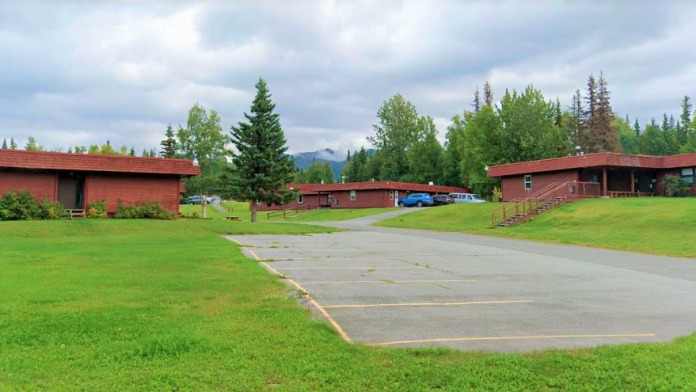

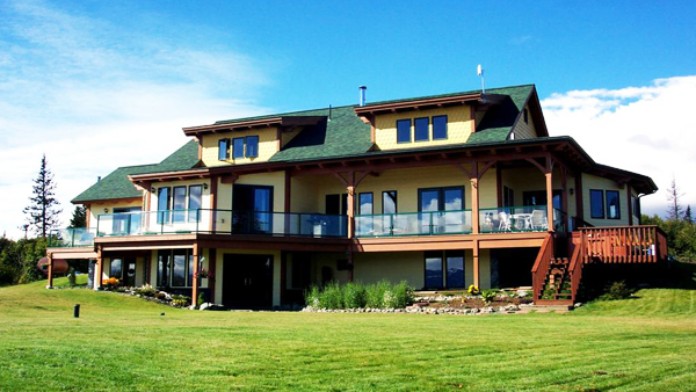
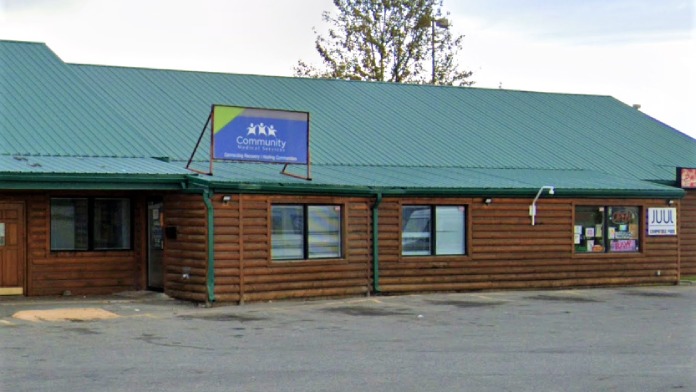
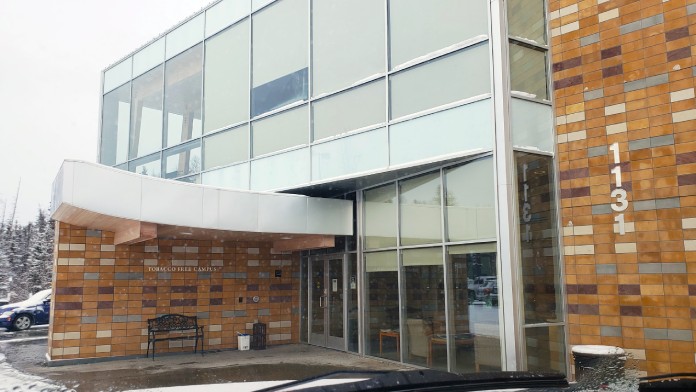

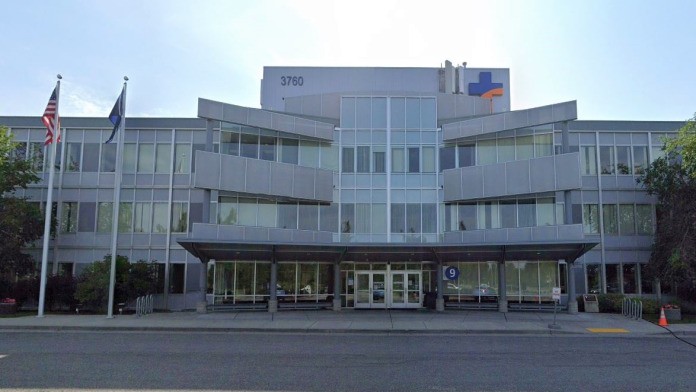





 Residential Setting
  Private Setting
  Private Rooms