A landmark study from Michigan State University confirms that cocaine addiction is not a failure of willpower. It is a biological rewiring of the brain, and understanding that distinction matters enormously for anyone weighing addiction treatment options today.
What the Research Found
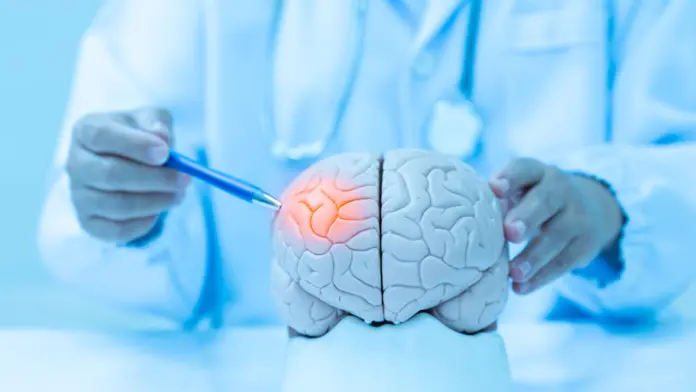
Michigan State University scientists found that cocaine physically alters how the hippocampus, the brain’s memory center, functions, contributing to the compulsive drive to seek out the drug. The NIH-supported study was published in Science Advances.
At the center of this rewiring is a protein called DeltaFosB. Using a specialized form of CRISPR technology, lead author Andrew Eagle examined how this protein behaves in specific brain circuits when exposed to cocaine.
DeltaFosB acts like a genetic switch, turning genes on and off in the circuit connecting the brain’s reward center to the hippocampus. The longer cocaine use continues, the more this protein accumulates, and the more it alters how those neurons respond to the drug.
“This protein isn’t just associated with these changes, it is necessary for them,” Eagle said. “Without it, cocaine does not produce the same changes in brain activity or the same strong drive to seek out the drug.”
Why Relapse Is a Brain Disease, Not a Choice
The drug hijacks the brain’s reward centers by flooding them with dopamine, creating a reinforcement loop that tricks the brain into perceiving drug use as beneficial rather than destructive.
The numbers bear out how difficult this makes recovery. About 24% of people who quit cocaine relapse to weekly use, and another 18% return to a treatment program within a year.
Researchers also identified a secondary gene, calreticulin, that is controlled by DeltaFosB and helps regulate how neurons communicate, effectively revving the brain’s engine to compulsively seek more cocaine.
For people researching addiction treatment, this research reinforces what clinicians already know: cocaine use disorder requires structured, evidence-based care, not just motivation to stop.
No FDA-Approved Medication Currently Exists
One of the most important facts this research highlights for treatment seekers: there are currently no FDA-approved medications to treat cocaine addiction. This gap in the treatment landscape is part of what makes finding a qualified rehab center so critical.
Unlike opioid use disorder, where medications like buprenorphine and methadone are central to medication-assisted treatment (MAT), cocaine addiction treatment currently relies primarily on behavioral therapies, including cognitive behavioral therapy (CBT), contingency management, and residential or intensive outpatient programs.
What Researchers Are Working Toward
The science is advancing. Robison’s lab is partnering with researchers at the University of Texas Medical Branch in Galveston to develop compounds targeting DeltaFosB, backed by a grant from the National Institute on Drug Abuse.
“If we could find the right kind of compound that works in the right way, that could potentially be a treatment for cocaine addiction,” said senior author A.J. Robison. “That’s years away, but that’s the long-term goal.”
Future research will also examine whether cocaine affects the male and female brain differently, which could eventually help explain biological differences in addiction risk between men and women.
What This Means for Treatment Seekers
This research confirms that cocaine use disorder is a medical condition driven by measurable brain changes, not a character flaw.
For anyone currently researching addiction treatment, it underscores the importance of finding a rehab program that uses evidence-based behavioral therapies proven to address compulsive drug-seeking behavior.
While pharmaceutical options for cocaine are still in development, structured treatment today can significantly improve recovery outcomes.
Finding the Right Rehab Center
If you or someone you love is struggling with cocaine addiction, the absence of an approved medication doesn’t mean treatment can’t work, it means choosing the right program matters even more.
Look for rehab centers that offer individualized treatment plans, licensed clinical staff and evidence-based therapies like CBT and contingency management.
You can search rehab.com’s directory to find top-rated rehab centers nationwide. Call
800-985-8516
(  Sponsored Helpline )
to speak with a treatment advisor about addiction treatment options today.
Sponsored Helpline )
to speak with a treatment advisor about addiction treatment options today.