





























































































About Green Hill Recovery
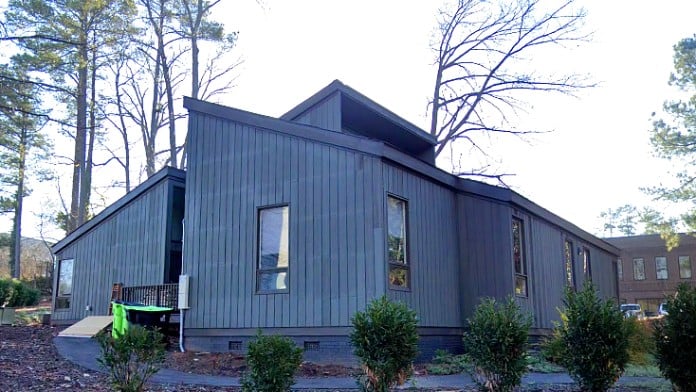
If you’re looking for an outpatient substance use and mental health treatment program in Raleigh, North Carolina, Green Hill Recovery is one of your options. They offer outpatient substance use treatment programs as well as a transitional living program. They offer in network services through BlueCross BlueShield and Aetna. They also work with other major insurance providers.
The center has an outpatient program, intensive outpatient program (IOP) and a recovery management program. The regular outpatient program is a less restrictive program focused on young adults who’ve been in recovery but need ongoing support. Most of the clients in the regular outpatient program are in school or working during the day. You’ll attend one to three individual sessions with your primary therapist each week. You’ll also go to several group sessions a week. You’ll be in the outpatient program from three to six months as you transition to a more self directed recovery.
The IOP is for young adults with life commitments that preclude attending an inpatient program. This is a more intensive program where you’ll have as much as 15 hours of programming a week. You’ll address the root causes of your substance use which often involves identifying a co-occurring disorder. Some examples of co-occurring disorders are anxiety, depression and bipolar disorder. The IOP offers morning and evening groups, and you’ll work on life skills like time management, resume writing and mindfulness. Most people stay in the IOP for about three months.
The recovery management program helps clients through semi weekly meetings with a management team. You’ll also attend therapeutic sessions once monthly. Recovery members can take advantage of the alumni events and participate in experiential activities offered throughout the year.
There’s an emphasis in the programs on making recovery fun to keep clients engaged. They encourage passion projects, sports, outdoor adventures, culture, art and entertainment. Since substance use often severs relationships and connections, you’ll have service opportunities that help reconnect you to life in community while helping others.
The transitional living program helps young men during their first year of recovery. You’ll learn about yourself, pursue academics or a career and engage in therapy. You’ll receive help with both substance use and dual diagnosis from licensed clinicians.
Latest Reviews



Rehab Score
 Our Methodology


Gallery
Accepted Insurance
Other Forms of Payment
Private insurance refers to any kind of healthcare coverage that isn't from the state or federal government. This includes individual and family plans offered by an employer or purchased from the Insurance Marketplace. Every plan will have different requirements and out of pocket costs so be sure to get the full details before you start treatment.
Self-pay involves paying for treatment out of your own pocket. You can use savings or credit, get a personal loan, or receive help from family and friends to fund your treatment. If you don't have insurance or your insurance plan doesn't cover a specific program, self-pay can help ensure you still get the care you need.
Addiction Treatments
Levels of Care
Outpatient Programs (OP) are for those seeking mental rehab or drug rehab, but who also stay at home every night. The main difference between outpatient treatment (OP) and intensive outpatient treatment (IOP) lies in the amount of hours the patient spends at the facility. Most of the time an outpatient program is designed for someone who has completed an inpatient stay and is looking to continue their growth in recovery. Outpatient is not meant to be the starting point, it is commonly referred to as aftercare.
Intensive Outpatient programs are for those who want or need a very structured treatment program but who also wish to live at home and continue with certain responsibilities (such as work or school). IOP substance abuse treatment programs vary in duration and intensity, and certain outpatient rehab centers will offer individualized treatment programs. The Intensive Outpatient Program gives patients the chance to participate in a structured treatment plan part-time while they transition back to home and work or other responsibilities.
Individuals in early recovery often require 24-hour clinical care in North Carolina. This supervised care typically includes medications to treat specific withdrawal symptoms, which vary based on the substance abused. For example, staff may provide sleep aids to treat insomnia in patients who are addicted to marijuana. For those overcoming a cocaine use disorder, anti-depressants may be prescribed to manage mood swings. Other medications may also be provided to treat addiction-related health issues.
Programs
Adult rehab programs include therapies tailored to each client's specific needs, goals, and recovery progress. They are tailored to the specific challenges adult clients may face, including family and work pressures and commitments. From inpatient and residential treatment to various levels of outpatient services, there are many options available. Some facilities also help adults work through co-occurring conditions, like anxiety, that can accompany addiction.
Clinical Services
You usually develop a strong bond with your therapist during individual therapy sessions. This helps you explore the underlying causes of your substance use in a safe and nonjudgmental environment. Therapists help you develop effective coping strategies you can use in the community and improve your self awareness so you understand your addiction triggers.
Family therapy sessions address the emotional toll that addiction has had on the family unit and individual members. Therapists work with families to develop better coping strategies, which in turn create a stable environment for their loved one's recovery process.
Men and women enjoy a supportive environment within group therapy sessions for drug and alcohol addiction treatment. You can share your experiences and build connections with your peers while receiving encouragement from individuals who have faced similar challenges.
Trauma therapy helps you reclaim your life after experiencing or witnessing a traumatic event. Therapists help to process these memories, which promotes emotional healing and reduces anxiety in social situations. This improves your overall well being and increases your self confidence.
Staff & Accreditations
Staff
Tripp Johnson
Founder & CEO
Corey Kennedy, MSW, LCSW, LCAS-A
Clinical Director

Nick Slovak
Executive Director
Marcus Shumate, LCMHC, LCAS
Clinical Outreach Director
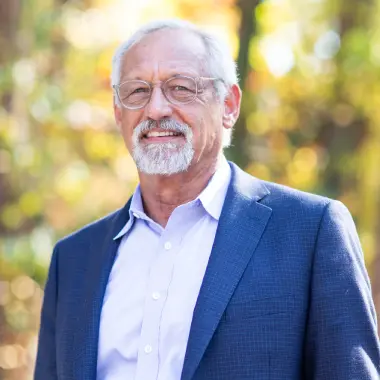
Dr. R. Dewayne Book, MD
Medical Director, Psychiatrist, Addictionologist
Accreditations

The Joint Commission, formerly known as JCAHO, is a nonprofit organization that accredits rehab organizations and programs. Founded in 1951, the Joint Commision's mission is to improve the quality of patient care and demonstrating the quality of patient care.
Joint Commission Accreditation: Yes
Rehab.com regularly reviews this listing for accuracy but changes may occur between updates. For the most up-to-date information, please contact Green Hill Recovery.
Contact Information


6124 St Giles St
Raleigh, NC 27612
Sponsored Helpline


