8 Min Read
Tele-MAT (virtual medication-assisted treatment) makes it possible to start and continue evidence-based addiction treatment from home. For many people with opioid or alcohol use disorders, this means faster access to medication, virtual therapy and ongoing support without the barriers of travel, stigma or long clinic waitlists.
If you’re looking into an online Suboxone clinic, virtual MAT programs or other forms of telehealth addiction treatment, here’s what to know about how tele-MAT works, which medications may be prescribed, and what the current rules allow.
Key Facts
- Tele-MAT combines medication and counseling delivered through secure telehealth visits, most often for opioid use disorder and sometimes alcohol use disorder.
- Many virtual MAT programs can evaluate you remotely, send prescriptions electronically, and provide ongoing follow-up from home. Buprenorphine-based treatments are the most common form of online opioid addiction treatment, in part because methadone has stricter in-person dispensing rules.
- Federal telemedicine flexibilities currently continue through December 31, 2026, which means some controlled medications may still be prescribed without a prior in-person visit if legal requirements are met.
What Is Tele-MAT?
Tele-MAT is medication-assisted treatment delivered through telehealth.
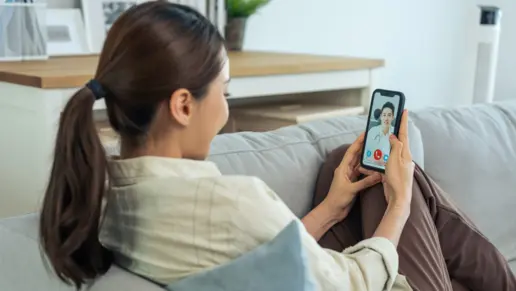
Instead of going to a clinic for every appointment, patients meet with licensed providers through secure video or, in some cases, audio-only visits. The treatment model is the same one used in traditional MAT: medication plus counseling and recovery support.
Both components, counseling and recovery, are important for sobriety.
Medication can help reduce cravings, ease withdrawal symptoms and lower the risk of relapse or overdose, while therapy works to address the emotional, behavioral and practical, day-to-day aspects of recovery.
Together, the two components work to support the whole person rather than treating substance use as only a physical problem.
Conditions Treated by Tele-MAT
Most tele-MAT services focus on providing support for opioid use disorder (OUD), though some programs also treat alcohol use disorder (AUD) and other addictions.
Depending on the provider, treatment may also include care for co-occurring disorders such as anxiety, depression, trauma or sleep issues.
How Telehealth Addiction Treatment Works
The first step toward getting telehealth care is usually a virtual intake appointment.
During that visit, a licensed care provider reviews your medical history, substance use history, current symptoms, withdrawal risk, prior treatment experiences, and any mental health concerns with you.
These programs typically use HIPAA-compliant platforms, and some may offer same-day or next-day appointments.
Receiving Your Medication Safely
If you’re a good fit for tele-MAT, the provider may recommend medication used in conjunction with therapy or other forms of treatment.
In many online opioid addiction treatment programs, prescriptions are sent electronically to a local pharmacy. Some services may also coordinate mail delivery when allowed, although local pharmacy pickup is the most common.
After a virtual evaluation, an authorized clinician may prescribe buprenorphine/naloxone (Suboxone) or another medication and schedule frequent follow-up appointments to monitor symptoms, adjust dosing, and ensure the medication is working safely.
Providers will also review prescription monitoring data as needed and check for other medications that could pose safety concerns.
Ongoing Virtual Counseling and Monitoring
Ongoing care is what makes Tele-MAT more than a one-time prescription. Most programs include regular follow-up visits, individual counseling, group therapy, recovery coaching or check-ins to track cravings, side effects, adherence and relapse risk.
Some also use home drug screening, digital symptom logs or messaging tools between appointments.
Medications Used in Virtual MAT Programs
Your care provider will work with you to determine which medication is the best fit for your needs.
Buprenorphine and Suboxone
The most common medication prescribed through tele-MAT is buprenorphine, often in the form of Suboxone (buprenorphine/naloxone).
Buprenorphine is a partial opioid agonist, which means it can reduce withdrawal symptoms and cravings while producing less euphoria and respiratory depression than full opioid agonists.
Because of its safety profile and effectiveness, it has become the backbone of many virtual MAT programs.
Naltrexone and Vivitrol
Naltrexone is another option in virtual addiction treatment. It’s an opioid antagonist, meaning it blocks opioid receptors instead of activating them.
It can be used for both alcohol use disorder and opioid use disorder, but timing matters: you’ll generally need to be opioid-free before starting it.
Oral naltrexone can be managed remotely, whereas Vivitrol (extended-release injectable naltrexone) requires an in-person injection, even if counseling and follow-up care occur online.
Methadone
Methadone is more complicated if you’re looking for an online rehab option.
It is used in treatment for opioid use disorder, but federal law still requires methadone for OUD to be dispensed through a certified opioid treatment program (OTP) rather than prescribed for pickup through a standard direct-to-consumer telehealth platform.
Telehealth may still play a role in evaluation or counseling, but the medication itself generally must be dispensed in person by the OTP.
Benefits of Tele-MAT for Patients
For many people, the biggest benefit of telehealth is easy access to care. Tele-MAT helps people in rural areas, underserved communities or places with few addiction specialists to get treatment faster.
It can also make care more realistic for people balancing work, parenting, school, transportation issues or physical disabilities.
Privacy is also a reason why you might choose tele-MAT. Many people delay treatment because they don’t want to sit in a waiting room, explain repeated absences from work or worry about being recognized at a local clinic. Virtual care can reduce that friction and make it easier to take the first step.
Tele-MAT can also improve continuity. Instead of missing appointments because of weather, childcare or a long commute, you are more likely to stay engaged when the visits can happen from home. This allows you to access convenient care consistently.
MAT Telehealth Regulations: Is It Legal to Get Suboxone Online?
Yes, it is legal for authorized providers to prescribe Suboxone online when they comply with federal and state regulations.
Historically, the Ryan Haight Act limited prescribing controlled substances over telemedicine without an in-person exam.
During the pandemic, those rules were temporarily relaxed to preserve access to care. Those flexibilities have now been extended multiple times.
As of early 2026, the DEA and HHS have extended the full set of telemedicine flexibilities for prescribing controlled substances through December 31, 2026.
That means DEA-registered clinicians can still prescribe certain controlled medications through telemedicine without a prior in-person medical evaluation if all legal conditions are met.
For buprenorphine specifically, the DEA also finalized a rule creating a permanent pathway for remote prescribing in certain situations, including audio-only telemedicine, with guardrails including prescription monitoring review.
At the same time, the broader temporary extension remains in place through the end of 2026, which currently gives many providers more flexibility while permanent systems continue to develop.
State laws still matter. A program that is legal in one state may not operate the same way in another. Insurance rules, pharmacy practices and licensing requirements can also vary.
Frequently Asked Questions About Tele-MAT
Often, yes, you can get Suboxone prescribed online. Many online Suboxone clinics and tele-buprenorphine providers can prescribe Suboxone after a comprehensive virtual evaluation, as long as the clinician is authorized and follows current federal and state requirements.
Sometimes methadone is part of online rehab programs, but not in the same way as buprenorphine. Telehealth may be used for parts of treatment, and federal OTP rules now allow more telehealth flexibility for screening in some cases, but methadone for opioid use disorder must still be dispensed through a certified OTP rather than prescribed like a typical take-home telehealth medication.
Often, yes, virtual MAT programs can be covered by insurance. Coverage varies by state and plan, but commercial insurance, Medicaid, Medicare and Medicare Advantage often cover at least part of telehealth addiction treatment, including visits, counseling and some medications.
Medicare also covers opioid treatment program services, including counseling and FDA-approved medications for OUD, through the OTP benefit.
You do not always need to go in person. Some patients receiving buprenorphine-based treatment may complete their care entirely through telehealth services, depending on the provider and state rules.
If your treatment plan includes injectable medications like Vivitrol or methadone through an OTP, you’ll need at least some in-person services.
Find Treatment Near You
Use the Rehab.com national treatment provider directory to find treatment centers that offer tele-MAT, virtual MAT programs and other levels of care. Search by location, insurance and special programs to compare options.
You can also call
800-985-8516
(  Sponsored Helpline )
to speak with someone who can connect you with the help you need. Don’t wait! Help is Available.
Sponsored Helpline )
to speak with someone who can connect you with the help you need. Don’t wait! Help is Available.
Search Nearby Telehealth Providers
Finding facilities near you…