





























































































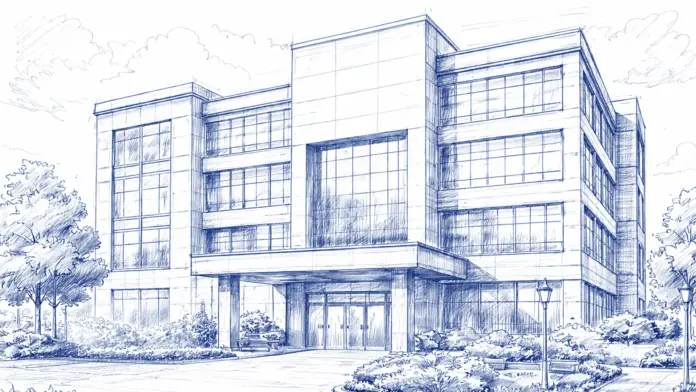
About Momentum Recovery
Facility Overview
 31 - 60
 Latest Reviews



Rehab Score
 Our Methodology


Location
Accepted Insurance
Other Forms of Payment
Private insurance refers to any kind of healthcare coverage that isn't from the state or federal government. This includes individual and family plans offered by an employer or purchased from the Insurance Marketplace. Every plan will have different requirements and out of pocket costs so be sure to get the full details before you start treatment.
Self-pay involves paying for treatment out of your own pocket. You can use savings or credit, get a personal loan, or receive help from family and friends to fund your treatment. If you don't have insurance or your insurance plan doesn't cover a specific program, self-pay can help ensure you still get the care you need.
Addiction Treatments
Levels of Care
Clients receiving treatment at an inpatient rehab facility are typically in early recovery or are at heightened risk of relapse. Clients in inpatient care remain at the facility for the duration of their program, enabling them to focus solely on their recovery. Inpatient treatment typically involves extensive psychotherapy, often including group and family counseling as well as one-on-one sessions. Recovery-focused life skills education is another common service. Many rehabs also offer evidence-based holistic therapies.
Intensive outpatient programs (IOP) evolve with clients' changing needs and are often well-suited for clients exiting inpatient rehab and those at an increased relapse risk. These programs typically involve between nine and 20 hours of treatment weekly, with the intensity and frequency of care decreasing as clients stabilize. Most intensive outpatient rehabs integrate a variety of treatment modalities to maintain a high level of individualized care. Services generally include counseling, recovery education, and medication assisted treatment (MAT).
A sober living home in North Carolina offers structure and support to help individuals maintain sobriety. The home is free from substances and offers 12-step programs, individual responsibilities, and mutual support with others in recovery. This setting can provide a lifeline as individuals strengthen recovery skills and prepare to reenter mainstream society. Most residents remain in a men's or women's sober living home for six months or more.
Treatments
Alcohol use disorder, commonly called alcoholism, involves an inability to control the amount or frequency you drink and feeling withdrawal symptoms when you don't drink. Treatment for alcohol addiction may involve residential or outpatient alcohol rehab in North Carolina, counseling, or 12-step programs. Typically, some form of professional treatment and support is necessary to achieve long-term recovery.
There are many types of drug rehab in North Carolina. To receive treatment for addiction, you can choose from many inpatient and outpatient programs. Often, participants start with detox and work through a full continuum of care that continues with ongoing support for long-term recovery.
 Opioid Addiction
North Carolina offers substance abuse treatment programs that provide a holistic and evidence-based approach. Through a comprehensive mental health assessment, addiction experts can provide an individualized care plan specific to your needs. You can expect most rehabs programs to provide individual and group therapy, recovery meetings, and evidence-based therapies such as cognitive-behavioral therapy (CBT). Depending on your circumstances and severity of addiction, you may need more intensive care. Levels of care include outpatient, residential inpatient, intensive outpatient, and partial hospitalization. By choosing the right level of care, you're more likely to succeed in long-term recovery.
In North Carolina, dual-diagnosis addiction treatment programs focus on providing integrated care for individuals with co-occurring substance use disorders and mental health diagnoses. You can generally expect a range of programs, including intensive outpatient, inpatient residential, and partial hospitalization options. Therapies like cognitive-behavioral therapy (CBT), dialectical behavior therapy (DBT), trauma-informed therapy, and family therapy address both disorders and promote mental health and well-being, giving you the tools to sustain long-term recovery.
Drug and alcohol rehab programs that simultaneously treat mental health disorders are known as dual diagnosis centers. The specialized programs recognize that mental health conditions affect the whole person - physical, emotional, and spiritual. That's why mental health is at the center of many different dual diagnosis therapies, including individual and group therapy, cognitive behavioral therapy (CBT), trauma therapy, family support therapy, and more.
Programs
Men face specific challenges and concerns when seeking addiction treatment. Gender-specific recovery programs help them tackle these issues head-on in an environment that's focused, targeted, and distraction-free. It also gives them the opportunity to connect with and learn from other men who have been through a similar journey and can offer support for the next step.
Rehabs for women provide a safe, nurturing space for female clients to heal. These treatment programs consider the specific obstacles that women can face during recovery and place a special emphasis on mental, social, physical, and reproductive health. They explore how each woman's experience has shaped the trajectory of their substance use, addressing issues such as sexual abuse and past trauma.
Young adulthood can be an exciting, yet difficult, time of transition. Individuals in their late teens to mid-20s face unique stressors related to school, jobs, families, and social circles, which can lead to a rise in substance use. Rehab centers with dedicated young adult programs will include activities and amenities that cater to this age group, with an emphasis on specialized counseling, peer socialization, and ongoing aftercare.
Clinical Services
Clients who receive cognitive behavioral therapy in North Carolina typically attend five to 20 sessions. During this time, they work with their therapist to learn healthier patterns of thinking, which can help them change their behavior related to substance use.
Counseling that applies dialectical behavior therapy teaches you coping skills to apply to your daily life. The focus is on intense emotions and developing coping mechanisms to manage them. Therapy sessions are a series of teaching lessons that help you develop these coping skills.
Trauma therapy helps you reclaim your life after experiencing or witnessing a traumatic event. Therapists help to process these memories, which promotes emotional healing and reduces anxiety in social situations. This improves your overall well being and increases your self confidence.
When you participate in experiential therapy in North Carolina, you'll harness creative expression to release negative emotions and experience positive ones. This happens through hands on interventions such as music, art, animal care, culinary arts, and drama.
Men and women enjoy a supportive environment within group therapy sessions for drug and alcohol addiction treatment. You can share your experiences and build connections with your peers while receiving encouragement from individuals who have faced similar challenges.
You usually develop a strong bond with your therapist during individual therapy sessions. This helps you explore the underlying causes of your substance use in a safe and nonjudgmental environment. Therapists help you develop effective coping strategies you can use in the community and improve your self awareness so you understand your addiction triggers.
Family therapy sessions address the emotional toll that addiction has had on the family unit and individual members. Therapists work with families to develop better coping strategies, which in turn create a stable environment for their loved one's recovery process.
Amenities
-
 Private Rooms
 -
 Gardens
 -
 Gym
Gym -
 Recreation Room
 -
 Swimming Pool
 -
 Yoga Studio
Accreditations

The Joint Commission, formerly known as JCAHO, is a nonprofit organization that accredits rehab organizations and programs. Founded in 1951, the Joint Commision's mission is to improve the quality of patient care and demonstrating the quality of patient care.
Joint Commission Accreditation: Yes

The National Association of Addiction Treatment Providers (NAATP) is a professional association that represents organizations in the field of addiction services. Founded in 1978, NAATP's mission is to advance addiction services and ensure that high-quality addiction treatment is available and accessible.
NAATP Member: Yes
Rehab.com regularly reviews this listing for accuracy but changes may occur between updates. For the most up-to-date information, please contact Momentum Recovery.
Contact Information


5027 Wrightsville Ave, Wilmington, NC 28403
Sponsored Helpline


