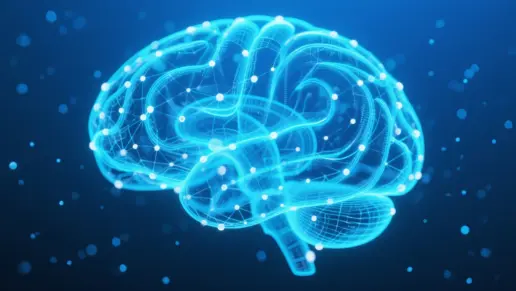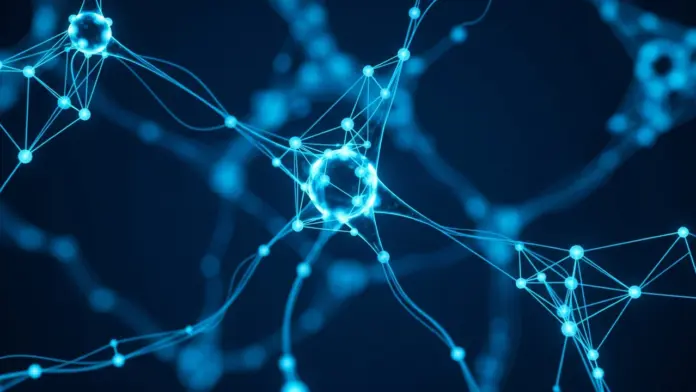
Researchers at the City University of New York (CUNY) School of Medicine have identified a molecular mechanism that controls how strongly the brain reinforces behavior, a finding with direct implications for understanding and enhancing addiction treatment and even assist with Parkinson’s disease.
The study, published in the journal iScience, represents a significant step in understanding what goes wrong in the brain during addiction, and what future therapies might target.
What Researchers Found in the Brain
The investigation, led by Andreas H. Kottmann, PhD, and doctoral researcher Santiago Uribe-Cano, PhD, centers on a receptor called Smoothened, previously thought to be active only during fetal brain development.
The researchers found that Smoothened remains active in the adult brain, where it functions as a timing regulator between two key chemical signals: dopamine and acetylcholine.
Dopamine drives reward and reinforcement. Acetylcholine governs when neurons are ready to change in response to those reward signals. The CUNY team found that Smoothened determines how long acetylcholine “steps aside,” which, in turn controls how strongly dopamine can reinforce a given behavior.
Why Dopamine Balance Matters for Addiction Treatment
When Smoothened activity decreases, learning accelerates and reward-seeking behavior becomes more persistent, but with a trade-off: the brain grows less sensitive to changes in effort or reward timing and slower to adapt when circumstances shift.
This pattern mirrors what happens in addiction. Compulsive drug-seeking is characterized by persistent, inflexible reinforcement cycles, exactly the kind of behavioral rigidity the researchers observed when Smoothened was absent.
The research suggests that Smoothened signaling in cholinergic interneurons may help curtail this cycle, and that restoring balance between dopamine and acetylcholine signaling could support the development of therapies aimed at helping individuals break free from drug dependence and regain healthier patterns of motivation.
For people currently exploring rehab options, this research underscores why evidence-based addiction treatment addresses brain chemistry, not just behavior.
A Molecular “Tuning Knob” Goes Wrong in Addiction
Dr. Kottmann described Smoothened as acting like a tuning knob that prevents reinforcement signals from growing too strong or too persistent. When that knob is miscalibrated, the consequences for brain health can be severe.
In addiction, drugs of abuse essentially override this regulation, flooding the dopamine system in ways that bypass normal learning controls. This new research identifies one specific molecular checkpoint that drugs may be disrupting.
That kind of mechanistic precision is what modern addiction treatment research increasingly depends on. Understanding the biology helps treatment providers and researchers develop effective therapies that address root causes, rather than symptoms alone.
Implications for Parkinson’s Disease as Well
The CUNY findings also carry significance for Parkinson’s disease, where dopamine-producing neurons progressively die.
The research points to the possibility of early failures in coordination between dopamine and acetylcholine long before cells die and movement deficits manifest, suggesting that targeting these early events might offer new opportunities for disease-modifying therapies.
While Parkinson’s and substance addiction are distinct conditions, they share underlying disruptions in the dopamine-acetylcholine system, reinforcing the relevance of this discovery across multiple treatment areas.
What This Means for Treatment Seekers
This research doesn’t change what’s available at rehab centers today, but it signals where addiction treatment science is heading. Therapies that precisely target dopamine regulation, including existing approaches like medication-assisted treatment (MAT), are grounded in exactly this kind of neurological understanding.
For people currently seeking help, choosing a facility that uses evidence-based, neuroscience-informed treatment approaches means accessing care built on this growing body of research.
Finding the Right Rehab
Understanding the brain science of addiction is one piece of the puzzle. Finding quality care that applies it is another.
When evaluating treatment options, look for rehab centers that offer individualized assessments, licensed clinical staff, and evidence-based therapies. Whether you’re exploring residential programs, outpatient treatment, or medication-assisted treatment, verifying a facility’s credentials and treatment philosophy matters.
Search Rehab.com’s directory to find thousands of top-rated rehab centers nationwide. Call
800-985-8516
(  Sponsored Helpline )
to speak with a treatment advisor about finding the right fit for your situation.
Sponsored Helpline )
to speak with a treatment advisor about finding the right fit for your situation.