19 Min Read
Xylazine, known on the street as tranq, is a veterinary sedative now showing up in much of the illicit opioid supply. This guide explains what it is, how it harms people who use it, why standard overdose tools fall short, and what treatment looks like.
Xylazine (tranq) is increasingly being mixed into illicit street drugs, including fentanyl1 and heroin, raising the risk of fatal overdose and severe skin wounds. It is approved for veterinary use only,2 and in humans it causes severe central nervous system effects. Public health agencies, harm-reduction programs, and treatment providers are working to expand access to drug checking, withdrawal management, and addiction care for people exposed to xylazine.3
Key Facts
- Xylazine (tranq) is a veterinary sedative, not approved for human use, that is now found in much of the illicit fentanyl supply across nearly every U.S. state.
- It causes deep, prolonged sedation and severe skin ulcers, and naloxone (Narcan) cannot reverse its effects, since xylazine is not an opioid.
- Provisional CDC data show xylazine-involved overdose deaths roughly doubled between 2021 and the first quarter of 2024.
- Treatment usually combines medically supervised detox, care for opioid use disorder, and intensive wound care for skin lesions.
- Xylazine test strips can help people detect it in their drugs and make informed choices, though they do not eliminate risk.
- If you suspect xylazine in any overdose, still give naloxone, call 911, and provide rescue breathing. The opioid component may still respond.
In This Article:
- What Is Xylazine (Tranq)?
- Methods of Use
- The Rise of Tranq and Xylazine Addiction
- Signs and Side Effects of Xylazine Use
- Xylazine Overdose and Narcan Resistance
- Xylazine Withdrawal and Detection
- Treatment for Xylazine (Tranq) Addiction
- Xylazine (Tranq) Addiction FAQs
- Find Treatment Near You
What Is Xylazine (Tranq)?
Xylazine is a veterinary sedative and analgesic developed in the 1960s and approved by the FDA for animals only.2 On the street it is called tranq, and it is now widely added to illicit fentanyl, heroin, and other drugs to extend the high and bulk up the supply.1 Xylazine is not an opioid, so opioid overdose reversal medicines like Narcan do not reverse its sedating effects.3
The street name “tranq” comes from its tranquilizing effects. Dealers sometimes mix it with heroin, fentanyl or other drugs to increase the sedative effect, but this also significantly increases the risk of overdose.
Xylazine is not currently scheduled under the federal Controlled Substances Act, as it is only approved for veterinary use. This means that, at the federal level, it is not classified in the same way as drugs like heroin, fentanyl or cocaine, even though xylazine is increasingly appearing in the illicit drug supply.
Veterinary Use vs Human Dangers
Like other sedatives, it makes users feel extremely relaxed or numb, which is similar to the effect it has on animals. Unfortunately, in humans, it can be dangerous, causing severe central nervous system problems, including:
- Respiratory depression
- Dangerously low blood pressure
- Prolonged sedation
Xylazine is not reversed by naloxone, the typical opioid antidote. Therefore, using naloxone may not help in overdose situations.
What Does Xylazine Look Like?
In veterinary medicine, it is clearly labeled as a pharmaceutical product for animal use only and typically comes in a clear liquid injectable solution in sealed vials.
The street form of xylazine is very hard to detect visually. On the street, xylazine is often found as a white, off-white or sometimes brown powder. It is frequently blended with substances such as heroin or fentanyl to increase sedative effects.
Legal Status and Federal Action
Xylazine is not federally scheduled under the U.S. Controlled Substances Act, since it is approved for veterinary use only. Because xylazine remains a federally unscheduled drug, the FDA, DEA, and other federal agencies have taken targeted action rather than a single nationwide ban.
In April 2023, the White House Office of National Drug Control Policy designated fentanyl adulterated with xylazine an emerging drug threat,7 and several states have moved to schedule xylazine on their own. At the same time, the FDA began restricting unlawful imports of xylazine and its bulk active ingredient to limit non-veterinary diversion.8 Later that year, the White House released a National Response Plan for fentanyl-xylazine combinations, with an Implementation Report following in 2024.
At the state level, several jurisdictions, including Pennsylvania, Ohio, West Virginia, and Florida, have moved to add xylazine to their controlled substance schedules. Penalties and reporting requirements vary by state, and lists continue to expand. People who use drugs, harm reduction workers, and clinicians should check current state statutes for the most up to date status.
Methods of Use
Xylazine is most often injected, but it can also be snorted, swallowed, or smoked. Because it is usually mixed into other drugs without the user’s knowledge, the method of use is more often dictated by the carrier drug (such as fentanyl powder) than by xylazine itself.
People who are exposed to xylazine generally take it the same way they take the drug it has been mixed into. The CDC reports that xylazine is most commonly injected, but it can also be snorted into the nose, swallowed as a tablet, or smoked.
Each route carries different risks.
- Injection: Carries the highest overdose risk and is most strongly associated with the severe skin ulcers that xylazine can cause.
- Snorting or smoking: Researchers studying harm reduction suggest these routes may carry lower overdose risk than injection, though they do not eliminate it.
- Swallowing: Less commonly reported, and onset of effects is slower than with injection or snorting.
A central problem is that people often do not know xylazine is present. The DEA has detected xylazine in samples from 49 of 50 U.S. states as of late 2024, and in 2023 about 30 percent of fentanyl powder seized by DEA contained xylazine. Anyone using illicit fentanyl, heroin, or cocaine should assume xylazine may be present and should plan accordingly, including by carrying naloxone and, when possible, using xylazine test strips.
The Rise of Tranq and Xylazine Addiction
Xylazine (tranq) has rapidly spread throughout the illicit drug market in the United States. Xylazine’s presence in the illicit drug market first gained attention in Puerto Rico in the early 2000s, where it was used as an adulterant in heroin. It later appeared prominently in Philadelphia, where it became widespread in the local opioid supply before spreading across many regions of the United States alongside fentanyl.
Due to its growing presence in overdose cases and nationwide drug seizures, federal officials have designated fentanyl adulterated with xylazine as an emerging drug threat.
Stats, and Recent Trends with Xylazine
35x Increase in Deaths
Overdose deaths involving xylazine increased 35-fold between 2018 and 2021
4x Increase Fentanyl Overdoses
Xylazine’s presence in fentanyl overdose deaths increased 4x between 2019 and 2022
Centers for Disease Control analyses showed that the rate of overdose deaths involving xylazine increased 35-fold between 2018 and 2021, rising from 102 deaths in 2018 to 3,468 deaths in 2021.
In fentanyl-related overdose deaths specifically, xylazine’s presence increased from about 3% of cases in January 2019 to nearly 11% by June 2022, reflecting a dramatic escalation in its role within the illicit drug supply. More recent provisional analyses estimate that xylazine prevalence in U.S. overdose deaths roughly doubled between 2021 and the first quarter of 2024.
Drug-seizure data tell a similar story. In 2023, the DEA reported that 30 percent of fentanyl powder it seized contained xylazine, up from 25 percent in 2022 and 23 percent in 2021. About 6 percent of seized fentanyl pills tested positive for xylazine in 2023. The DEA has also flagged disparities in who is affected, with research suggesting Black Americans had nearly twice the national average xylazine overdose rate in 2024.
Poly-Substance Use
Xylazine is commonly mixed with fentanyl because it can extend the drug’s short-lived effects. Fentanyl produces a very intense but brief opioid “high,” which can wear off quickly. By adding Xylazine, it can prolong the sedating effects, making the high feel longer-lasting even though the actual opioid effect has faded.
This combination significantly increases the danger of overdose. This is because Xylazine is a central nervous system depressant, meaning it slows breathing, heart rate and blood pressure. When it is combined with other depressants such as fentanyl, heroin or alcohol, these effects compound and can suppress breathing to life-threatening levels.
This stacking of depressant effects dramatically raises the risk of fatal overdose and can make overdoses more difficult to reverse because xylazine does not respond to opioid-reversal medications like naloxone.
Signs and Side Effects of Xylazine Use
People exposed to xylazine may experience several immediate and dangerous short-term mental and physical side effects, including:
- Extreme sedation or the “heavy nod”
- Drowsiness and loss of consciousness
- Low blood pressure
- Slowed heart rate
- Slowed or suppressed breathing
- Blurred or impaired vision
- Dizziness and poor coordination
- Confusion or mental disorientation
- Slurred speech
- High blood sugar
- Severe skin ulcers
- Loss of bladder control
Because xylazine can produce such profound sedation, users may become physically unable to move or protect themselves. Individuals may remain unconscious or disoriented, putting them at risk of harsh environmental conditions and assaults.
Severe Skin Ulcers, Wounds, and Sores
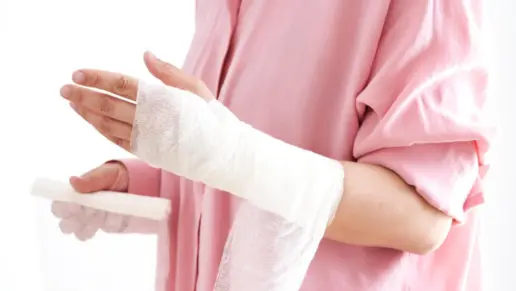
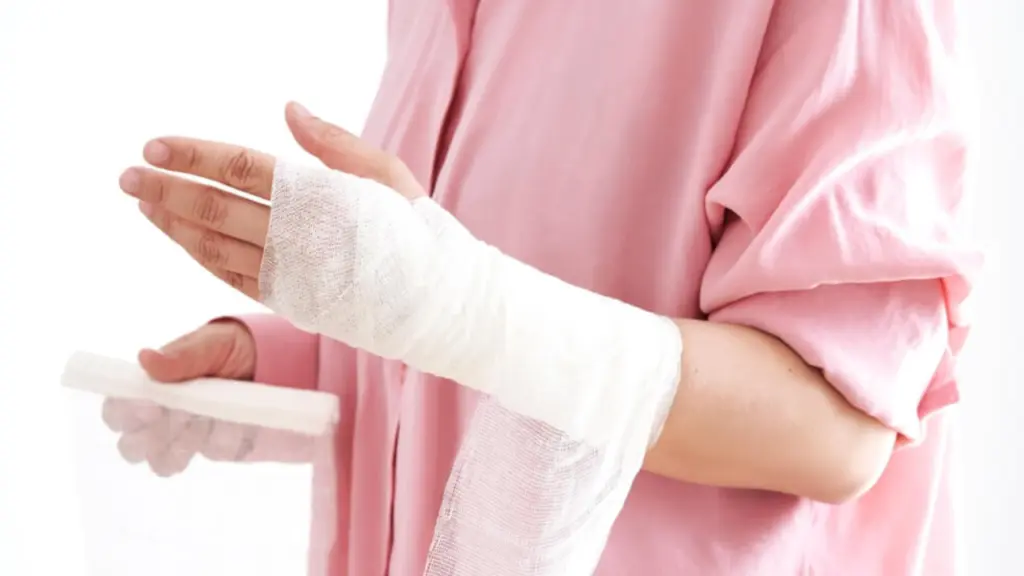
One of the most distinctive and dangerous effects associated with xylazine use is the development of severe skin ulcers and open wounds. This is because the drug causes tissue death by reducing blood flow and oxygen to the skin. These xylazine-related ulcers can appear anywhere on the body, even in areas where the drug was not injected.
If left untreated, these wounds can lead to serious complications including severe infection, sepsis and death. In advanced cases, the tissue may begin to rot, producing a condition that requires urgent medical care. When the damage is extensive and cannot be reversed, surgical intervention, including partial or full limb amputation, may be necessary.
Xylazine Overdose and Narcan Resistance
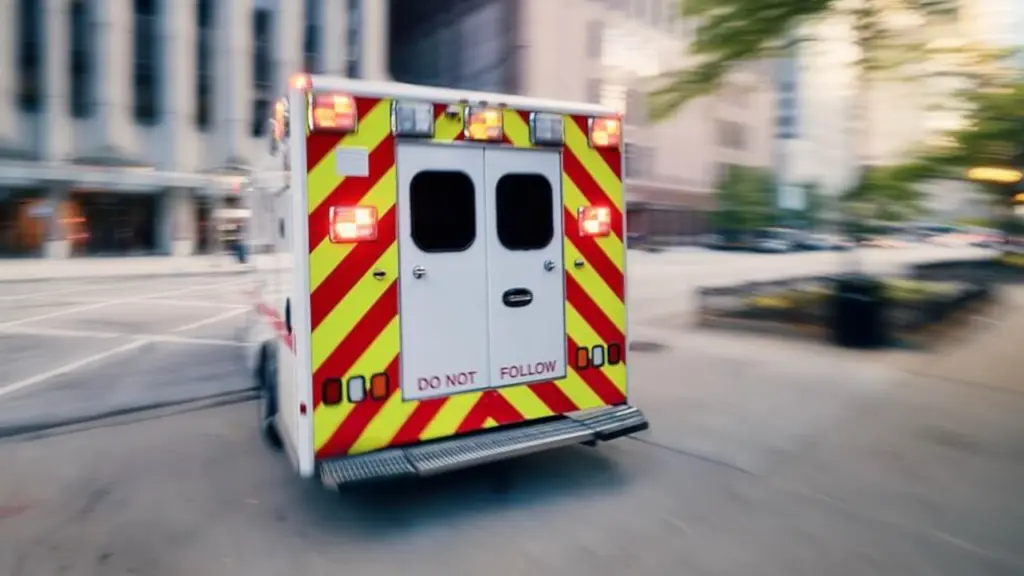
A xylazine, or “tranq,” overdose is extremely dangerous because the drug severely depresses the central nervous system. Xylazine slows breathing, heart rate, and blood pressure, which can quickly lead to respiratory failure, unconsciousness or cardiac complications.
Because it is frequently mixed with opioids like fentanyl or heroin, the combined depressant effects can make an overdose particularly severe and increase the likelihood of death.
Signs of a Tranq Overdose
It is crucial to recognize the signs of a xylazine overdose. As soon as you recognize the signs, you must seek help immediately.
Signs include:
- Unresponsiveness or inability to wake the person
- Extreme sedation or deep unconsciousness
- Very slow, shallow, or stopped breathing
- Dangerously slow heart rate
- Low blood pressure
- Blue, gray, or pale skin, lips or fingernails
- Cold or clammy skin
- Confusion or inability to respond to verbal or physical stimulation
- Weak pulse
- Snoring, choking or gurgling sounds due to impaired breathing
While a tranq overdose may look similar to an opioid overdose, it often involves deeper and more prolonged symptoms. Individuals may appear heavily sedated, unconscious for long periods or unable to respond to stimulation.
Narcan Resistance in Overdoses
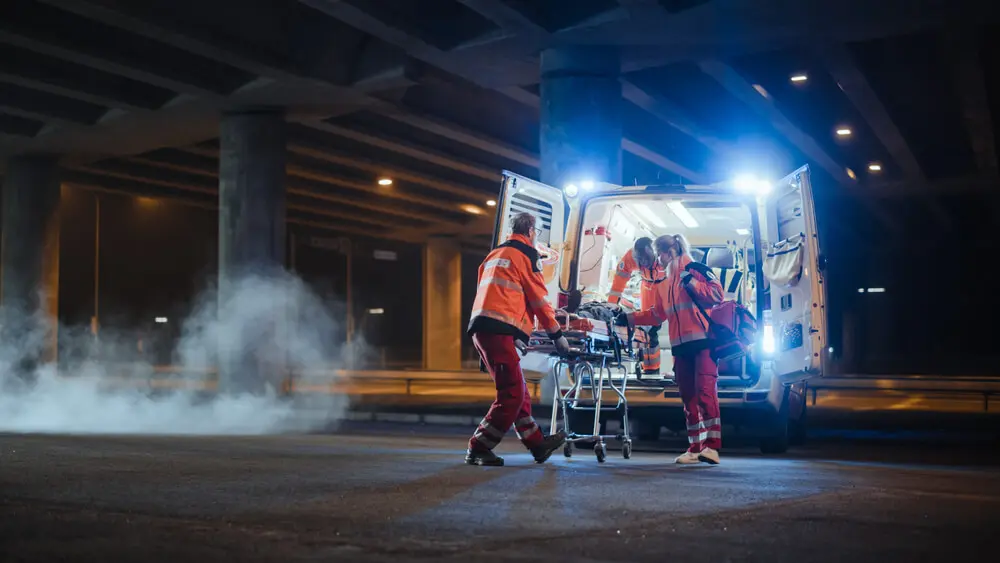
Xylazine (tranq) is not an opioid; it is an alpha-2 agonist. Therefore, its sedative effects are not reversed by naloxone. Even if naloxone restores breathing from the opioid component, the person may remain deeply sedated because the xylazine is still active in the body, requiring continued monitoring and emergency medical care.
Narcan should still be administered because of xylazine contamination in the fentanyl supply, and reversing the opioid component may help restore breathing.
Harm Reduction
Because xylazine is so commonly mixed into the drug supply without the user’s knowledge, a few practical harm-reduction steps can lower risk for people who use drugs and those around them.
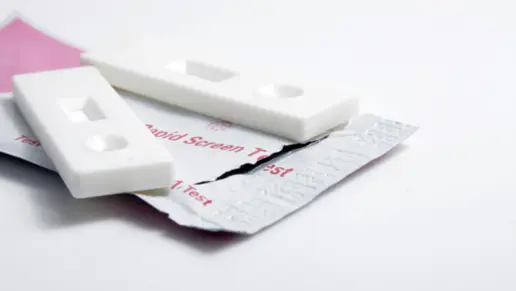
- Use xylazine test strips when available. Test strips do not eliminate risk, and a negative result does not guarantee a drug is xylazine-free, but they can help people make informed decisions. Note that fentanyl test strips are a separate product and do not detect xylazine.
- Start with a small amount and wait. If you are going to use, take a small dose and wait several minutes to see how it affects you before taking more.
- Try not to use alone. A trusted person nearby, even on the phone, can call 911 and administer naloxone. The Never Use Alone hotline (800-484-3731 English, 800-928-5330 Spanish) provides anonymous remote monitoring during use.
- Follow safer injection practices when injecting. Use new sterile needles, clean injection sites with alcohol, and monitor wounds. Local syringe services programs can help with supplies and wound care.
- Carry naloxone and know how to use it. Even though naloxone will not reverse the xylazine component, it can still reverse the opioid component that is almost always present.
- Position the person on their side if they fall asleep. Severe sedation can last for hours and leave the person unable to protect their airway.
For people not actively using, the SAMHSA National Helpline at 800-662-HELP (4357) is free, confidential, and provides information and treatment referrals in English and Spanish.

Xylazine Withdrawal and Detection
Xylazine withdrawal can begin within hours because the drug has a short half-life, and symptoms often overlap with opioid withdrawal because most people exposed to xylazine are also dependent on fentanyl or heroin. Standard hospital drug screens generally do not test for xylazine, so detection usually requires a clinician to specifically request it or for the person to disclose use
Symptoms may include:
- Severe anxiety or agitation
- Restlessness and irritability
- Rapid heart rate
- High blood pressure
- Tremors or shaking
- Sweating
- Insomnia or difficulty sleeping
- Nausea and vomiting
- Confusion or mental distress
This overlap in withdrawal symptoms makes medical support so important. Supportive medical care, monitoring, and symptom management with medications in a professional treatment setting can help reduce complications and improve comfort during withdrawal.
How Long Is Xylazine Present in the Body?
Xylazine has a relatively short half-life in the body, but its sedative effects can last for several hours. Research suggests the drug has a half-life of 25 to 30 minutes, meaning the plasma concentration of the drug is reduced in the body by 50%. Despite its short half-life, xylazine can still be detected in certain bodily fluid samples for longer periods.
Xylazine can typically be detected in urine for about 1 day, depending on dosage and individual metabolism. It may also be detected in blood and hair samples.One challenge in identifying xylazine exposure is that standard hospital drug screens often do not test for it.

Treatment for Xylazine (Tranq) Addiction
There is currently no FDA-approved medication specifically designed to treat xylazine addiction or withdrawal, so a medically supervised detox is often necessary to support individuals going through withdrawal.
Xylazine affects the central nervous system and cardiovascular system, so withdrawal can involve symptoms such as agitation, anxiety, rapid heart rate and dangerous changes in blood pressure.
In an inpatient medical detox setting, healthcare providers can closely monitor vital signs, manage complications and provide supportive care to keep patients safe and stable during the withdrawal process. For some people, stabilization in detox is followed by inpatient rehab for further structured care.
Clinicians may also use certain medications off-label to help manage symptoms. For example, alpha-2 adrenergic agonists such as Clonidine may be used to help reduce agitation and stabilize blood pressure. Because xylazine itself acts on similar receptors in the body, these medications can sometimes ease withdrawal-related symptoms.
Medical staff also monitor and treat blood pressure fluctuations and other cardiovascular effects, ensuring patients receive appropriate care as their bodies adjust during detox.
Call A Treatment Provider
For a conversation about what treatment options are available to you.
Make a Call
 800-985-8516
 Sponsored Helpline
Comprehensive Xylazine Addiction Treatment
Effective treatment for people who abuse xylazine often requires a multidisciplinary approach that addresses both substance use and the serious physical complications associated with the drug.
Because xylazine is frequently mixed with opioids like fentanyl or heroin, many individuals benefit from comprehensive substance use disorder treatment that includes evidence-based therapies such as cognitive behavioral therapy (CBT).
Programs may also incorporate medication-assisted treatment (MAT) to treat co-occurring opioid addiction and reduce the risk of overdose and relapse. MAT options for opioid use disorder include methadone, buprenorphine, and naltrexone.
At the same time, many patients require intensive wound care for xylazine sores to treat the severe skin ulcers and infections associated with xylazine exposure. This may involve medical evaluation, infection management, specialized wound treatment, and in some cases surgical care.
Coordinating addiction treatment with medical services ensures that both the substance use disorder and the physical health consequences are addressed at the same time.
Xylazine (Tranq) Addiction FAQs
No, it is a non-opioid central nervous system depressant and veterinary tranquilizer, which is why opioid reversal drugs cannot undo its sedative effects.
Illicit drug manufacturers add xylazine to fentanyl to bulk up the drug and prolong the euphoric effects of the fentanyl, mimicking the longer high of heroin.
Yes, but they require immediate, specialized medical wound care, antibiotics and abstaining from further use as untreated wounds can lead to amputation.
No, a xylazine overdose requires immediate emergency medical attention. Call 911, then administer Narcan since there is likely a presence of opioids and perform rescue breathing until help arrives.
Narcan (naloxone) does not reverse the sedative effects of xylazine, because xylazine is not an opioid. Naloxone should still be given for any suspected overdose, since fentanyl or another opioid is almost always present alongside xylazine and the opioid component can be reversed.
Short-term effects can include extreme sedation, slowed breathing, dangerously low blood pressure, slow heart rate, confusion, slurred speech, and skin ulcers. With repeated use, deep, slow-to-heal wounds can develop on the arms, legs, and elsewhere on the body, even where the drug was not injected.
Free, confidential help is available 24/7 through the SAMHSA National Helpline at 800-662-HELP (4357). For information about treatment options, comparing programs, and verifying insurance, you can also use Rehab.com to search for a treatment center that handles polysubstance and opioid use.
Find Treatment Near You
The dangers associated with xylazine addiction highlight the importance of seeking professional help for substance use and polysubstance exposure. If you or someone you care about is struggling with substance use, with the potential involvement of xylazine, reaching out for help can be the first step toward healing.
Call
800-985-8516
( Sponsored Helpline )
today to speak with someone who can connect you with programs that provide medical care, evidence-based therapies and long-term recovery support to help individuals regain their health and build a safer, substance-free future.
Call A Treatment Provider
For a conversation about what treatment options are available to you.
Make a Call
800-985-8516Sponsored Helpline
Featured Facilities Near You
Finding facilities near you…
References
- U.S. Drug Enforcement Administration. 2024 National Drug Threat Assessment. Published May 9, 2024. https://www.dea.gov/press-releases/2024/05/09/dea-releases-2024-national-drug-threat-assessment. Accessed May 19, 2026.
- U.S. Food and Drug Administration. FDA warns about the risk of xylazine exposure in humans. Updated 2024.
- Centers for Disease Control and Prevention. What You Should Know About Xylazine. Updated 2024. https://www.cdc.gov/overdose-prevention/about/what-you-should-know-about-xylazine.html. Accessed May 19, 2026.
- Friedman J, Bourgois P, Godvin M, et al. Assessing an ICD-10 code approach for estimating xylazine-involved overdose deaths in the United States. Drug Alcohol Depend. 2025. https://www.sciencedirect.com/science/article/pii/S0376871625002340. Accessed May 19, 2026.
- Hauck C, LCAC. Polysubstance Use: Xylazine (Tranq) Drug Use in Combination with Other Substances. American Addiction Centers. Updated June 21, 2024. Medically reviewed by Kristen Fuller, MD. https://americanaddictioncenters.org/opioids/xylazine-tranq. Accessed May 19, 2026.
- Centers for Disease Control and Prevention. Fentanyl test strip resources and xylazine test strip information (collected from CDC Overdose Prevention pages). Updated 2024-2025. https://www.cdc.gov/overdose-prevention/. Accessed May 19, 2026.
- The White House Office of National Drug Control Policy. Fentanyl Adulterated or Associated with Xylazine Response Plan. Released July 11, 2023; Implementation Report 2024. https://www.whitehouse.gov/ondcp/. Accessed May 19, 2026.
- U.S. Food and Drug Administration. FDA Takes Action to Restrict Unlawful Import of Xylazine. February 28, 2023. https://www.fda.gov/news-events/press-announcements/fda-takes-action-restrict-unlawful-import-xylazine. Accessed May 19, 2026.
- Sreenivas S, King LM. What You Need to Know About Tranq (Xylazine). WebMD. Reviewed by Bhandari S, MD. Updated November 18, 2024. https://www.webmd.com/mental-health/addiction/what-is-tranq-xylazine. Accessed May 19, 2026.
- National Institute on Drug Abuse. Xylazine. Updated February 14, 2025. https://nida.nih.gov/research-topics/xylazine. Accessed May 19, 2026.
- U.S. Drug Enforcement Administration. Xylazine Information. Updated 2024. https://www.dea.gov/xylazine-information. Accessed May 19, 2026.
- Kariisa M, O’Donnell J, Kumar S, Mattson CL, Goldberger BA. Illicitly Manufactured Fentanyl-Involved Overdose Deaths with Detected Xylazine — United States, January 2019–June 2022. MMWR Morb Mortal Wkly Rep. 2023;72(26):721-727. doi:10.15585/mmwr.mm7226a4. https://www.ncbi.nlm.nih.gov/pmc/articles/PMC10328484/. Accessed May 19, 2026.
- Spencer MR, Garnett MF, Miniño AM. Notes on xylazine-involved overdose deaths and skin wounds. CDC and peer-reviewed surveillance reports, 2022-2024. (Specific citation to be selected by the editor from the most recent CDC publication aggregated under this topic; placeholder reference number reserved.)
- Substance Abuse and Mental Health Services Administration. SAMHSA’s National Helpline. https://www.samhsa.gov/find-help/national-helpline. Accessed May 19, 2026. (1-800-662-HELP / 4357.)
- Ehrman-Dupre R, Kaigh C, Salzman M, Haroz R, Peterson L-K, Schmidt R. Management of xylazine withdrawal in a hospitalized patient: A case report. Journal of Addiction Medicine. 2022;16(5):595-598. doi:10.1097/ADM.0000000000000968.